
Which Door Packing Machine Is Best for Fragile Glass and Lacquered Finishes?
Have you ever shipped doors with beautiful glass inserts or glossy lacquered finishes, only to find them damaged upon arrival? This is a common and costly problem. It causes customer complaints and eats into your profits. Protecting these delicate items during transit is a huge challenge for many factories, especially when dealing with high volumes. You work hard to make a quality product. Seeing it ruined in shipping is frustrating.
The best door packing machines for fragile glass and lacquered finishes are horizontal orbital stretch wrappers or specialized door wrapping machines. These machines use gentle but secure wrapping techniques. They apply stretch film or protective materials like bubble wrap evenly. This protects surfaces from scratches and impacts. They make sure your delicate products arrive in perfect condition.
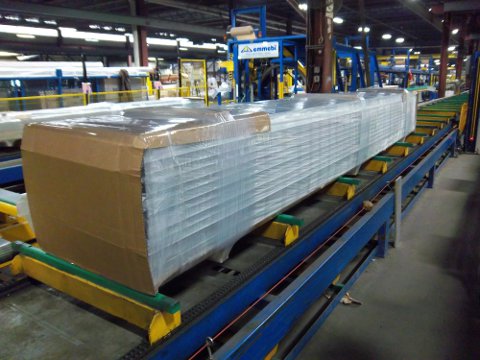
Knowing which machine to use is important. But understanding why it works and how it helps your business is even more important. Let us dive deeper into the solutions that keep your fragile doors safe and your operations efficient. I will share insights from my years in the packing machine industry.
Why is Packing Fragile Doors So Difficult?
Packing large, heavy, and fragile doors by hand is a nightmare. It is slow. It puts your workers at risk. And it often leads to damaged goods. Factory managers, like Michael, feel this pressure every day. They need to get products out quickly. They also need to keep their workers safe. This balancing act is hard with manual packing.
Packing fragile doors is difficult for several reasons. The items are heavy and bulky. This makes manual handling dangerous. They have delicate surfaces like glass or lacquer. These surfaces scratch and break easily. Also, the process is often slow and inefficient. This creates bottlenecks in production.
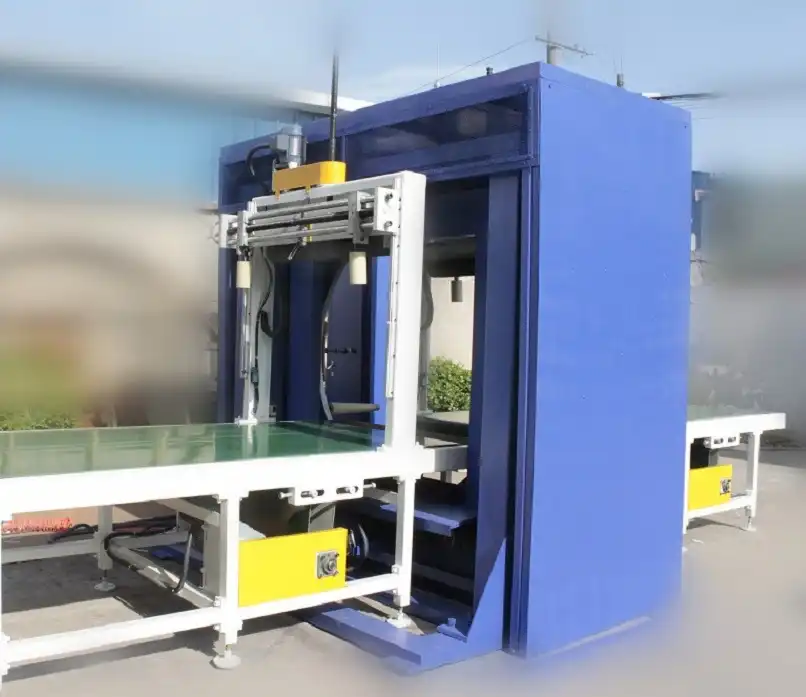
Packing fragile items, especially large ones like doors with glass or lacquered surfaces, presents many difficulties. Manual methods often cause more problems than they solve. I have seen this issue in countless factories, and it was a big concern when I ran my own packing machine factory. We needed to protect both the product and our valuable employees.
The Risks of Manual Packing
Manual packing of heavy doors brings huge safety risks. Workers must lift and move heavy items. They often twist their bodies. This leads to back injuries, sprains, and other accidents. These injuries are costly. They mean higher insurance premiums for the factory. They also lead to lost workdays and high employee turnover. When a skilled worker gets hurt, it impacts the entire production line. It is hard to find new people and train them fast. Factories like Michael’s metal processing plant know this pain well. They cannot afford downtime or injured staff.
Product Damage and Customer Dissatisfaction
Fragile doors can easily get damaged during packing and transport. Glass inserts can crack or shatter with a small bump. Lacquered finishes can get scratched, chipped, or scuffed. These damages often happen during handling or when items shift in transit. Each damaged door means a loss for your business. It means rework, returns, or customer complaints. This hurts your profit margin. It also damages your company’s reputation. Michael’s goal is to reduce product loss. This means preventing damage from the start.
Production Bottlenecks
Manual packing is slow. It is not consistent. Workers get tired. The speed of packing changes. This creates a bottleneck at the end of the production line. You might produce doors quickly, but if packing cannot keep up, the whole process slows down. This affects your delivery times. It reduces your overall output. Michael wants to boost output. He needs a faster, more reliable packing process to achieve this goal. This table shows why automated packing is better:
| Feature | Manual Packing | Automated Packing |
|---|---|---|
| Safety | High injury risk | Low injury risk |
| Speed | Slow, inconsistent | Fast, consistent |
| Product Damage | High risk | Low risk |
| Labor Cost | High | Lower (after investment) |
| Quality | Varies | Consistent |
What Types of Machines Protect Fragile Finishes?
So, what kind of machine can truly protect these delicate doors? Many factory managers, like Michael, struggle to find the right equipment. They know they need a solution. But the options can seem confusing. The key is to find machines designed for fragile, large, and flat items.
For fragile glass and lacquered finishes, horizontal orbital stretch wrappers and specialized door wrapping machines are the best choices. These machines are designed to wrap long, flat items safely. They use wrapping materials like stretch film, bubble film, or foam. This protects the entire surface. Some even have soft pads or adjustable pressure settings.
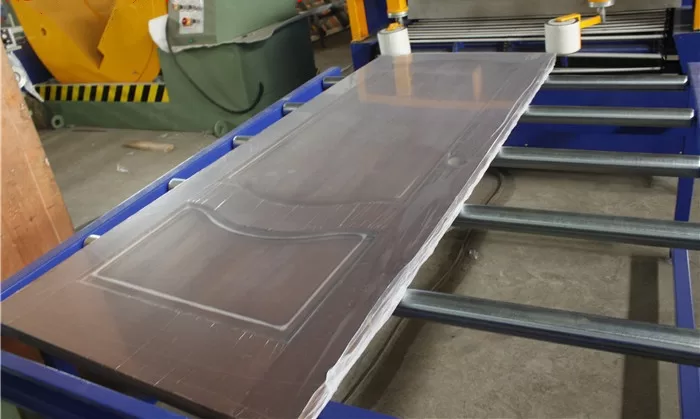
Choosing the correct machine type is critical for protecting fragile doors. From my experience building and supplying packing machines, I have seen firsthand which technologies deliver the best results for delicate items. It is about more than just wrapping; it is about precision and protection.
Horizontal Orbital Stretch Wrappers
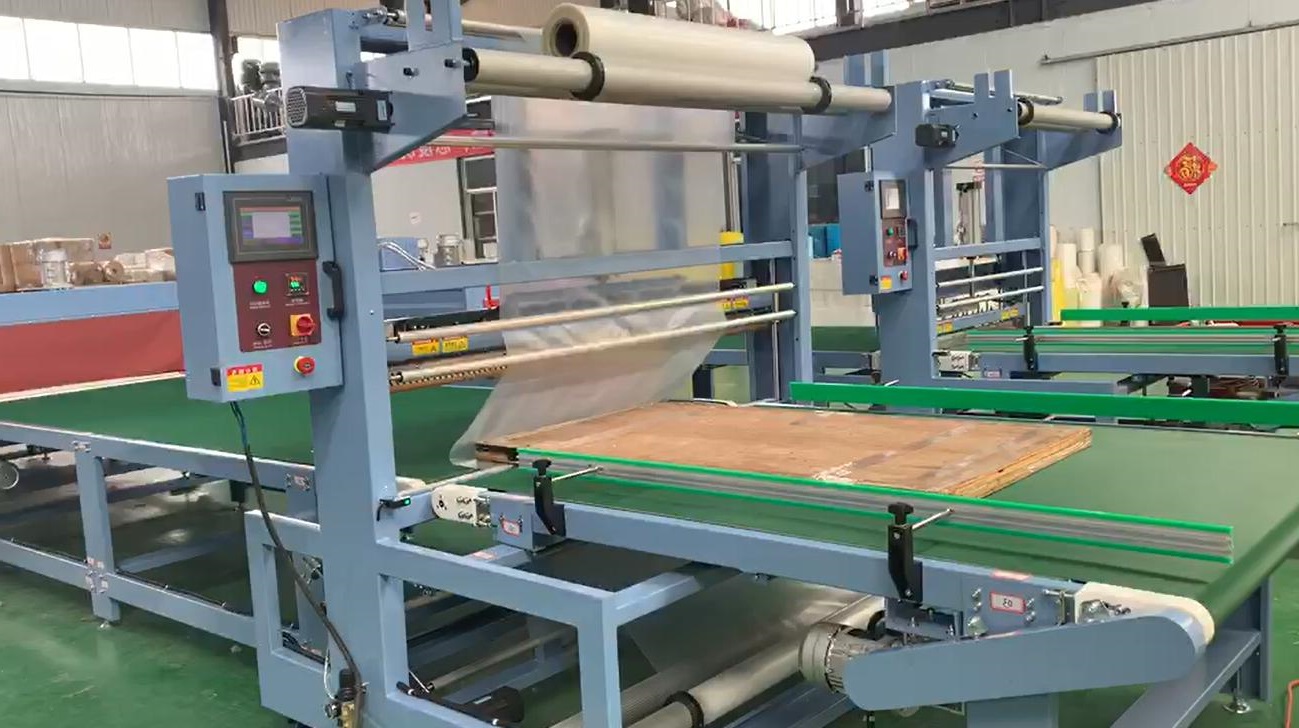
These machines are excellent for wrapping long, flat items like doors, panels, or timber. They work by having a wrapping ring that orbits around the product as it moves through the machine. The product stays horizontal. This stops glass from cracking due to vertical stress. It also prevents heavy items from shifting. The machine applies stretch film securely. It creates a tight, protective layer around the entire surface. Many models come with adjustable film tension. This is very important. You can set the tension low enough not to crush delicate parts but high enough to secure the load. This ensures that lacquered finishes are not scratched by too much pressure.
Specialized Door Wrapping Machines
Some machines are designed specifically for doors. These are often more complex systems. They can include automatic feeding mechanisms. They can also have automatic stacking or bundling functions. These machines can apply multiple layers of protective material. For example, they might first wrap with bubble film. Then, they add stretch film. They can also include corner protectors. These are vital for heavy doors. The corners are often the first part to get damaged. These machines can integrate seamlessly into a production line. This makes the entire process smoother and faster.
Key Features for Fragile Items
When looking at any door packing machine for fragile items, certain features are a must-have:
- Soft Start/Stop: This prevents sudden jerks during the wrapping process. Sudden movements can damage delicate glass or chip a finish. A smooth start and stop means less stress on the product.
- Adjustable Film Tension: As I said before, this is crucial. You can fine-tune the tension based on the fragility of the door. This protects the surface.
- Protective Material Dispenser: Machines that can add layers of bubble wrap, foam, or corrugated paper offer extra cushioning. This is especially good for doors with glass.
- Edge and Corner Protection: Some machines have modules to apply cardboard or foam protectors to edges and corners. This adds an important layer of defense where damage often happens.
- Variable Speed Control: Being able to adjust the wrapping speed lets you match it to the product’s fragility. This also matches your production line speed.
How Can Automation Improve Safety and ROI for Door Packing?
Investing in automation is a big decision. But for fragile door packing, it directly solves safety problems and boosts your bottom line. Factory managers like Michael always look for ways to cut costs and make more money. Automation offers a clear path to both.
Automation in door packing significantly improves safety by reducing manual handling of heavy items. This lowers injury risks. It also boosts ROI by cutting labor costs, reducing product damage, and increasing overall efficiency. Automated systems work faster and more consistently than human workers.

When I started FHOPEPACK, one of my main goals was to help businesses achieve financial independence. I did this for myself and for many clients. A big part of that is smart investment in automation. It is not just about buying a machine. It is about solving problems and seeing a clear return on your investment.
Enhanced Worker Safety
Automating the door packing process removes workers from dangerous situations. No more manual lifting of heavy doors. No more awkward twisting or bending. This drastically reduces the risk of workplace injuries. This means fewer worker compensation claims. It means lower insurance costs for the factory. Michael worries about worker safety and high insurance premiums. Automation directly addresses these concerns. A safer workplace also means happier employees and lower employee turnover. Workers feel more valued when their safety is a priority.
Significant Cost Savings (ROI)
The return on investment (ROI) from automated door packing machines is clear and substantial.
- Reduced Labor Costs: An automated machine can do the work of several people. This frees up your staff for other tasks. Or it allows you to reduce your labor force. Over time, these labor savings add up. This makes a huge difference to your operating budget.
- Reduced Product Damage: Fewer damaged products mean less waste. It means fewer reworks. It means fewer returns. This directly translates into higher profits. Customers also stay happier. This builds loyalty. Michael’s current product damage is a big concern. Automation directly solves this.
- Lower Insurance Premiums: As worker injuries decrease, your factory’s safety record improves. This can lead to lower insurance premiums over time.
- Increased Throughput: Automated machines work faster and more consistently than human hands. This means you can pack more doors in less time. This increases your overall production capacity. This helps you meet higher demand. It also reduces your lead times.
Consistent Quality and Speed
Machines do not get tired. They do not have bad days. They perform the same task the same way, every time. This means every door is wrapped with consistent quality. It gets the same level of protection. This consistency is vital for maintaining product integrity. It also helps with meeting delivery schedules. Michael wants to solve efficiency bottlenecks. Automated packing machines deliver speed and consistency. This makes your production line smoother and more reliable.
Choosing the Right Partner: What Should You Look For?
Michael has dealt with suppliers who only care about sales. This makes finding a good partner difficult. He needs a partner who understands his challenges. He needs someone who offers real solutions, not just a machine. This is a common problem in the industry. But finding a true expert is key to success.
When choosing a door packing machine supplier, look for a partner who offers more than just a machine. They should have deep industry knowledge. They must understand your production challenges, like safety and efficiency. A good partner provides excellent after-sales support, installation help, and training. They also show a clear ROI for their solutions.
I founded FHOPEPACK because I believe in giving back. I know the packing machine industry from all angles. I started as an employee. Then I built my own successful factory. I helped many clients grow their businesses. I understand what factory managers like Michael need. It is not just about the machine itself. It is about the complete partnership and the long-term support.
Industry Expertise and Understanding
A good partner does not just sell machines. They understand your industry. They know the specific problems you face, like fragile goods or high safety risks. They should listen to your production bottlenecks and efficiency challenges. They should offer insights based on their own experience. This shows they truly understand your business operations. They can then offer tailored solutions that truly work. My journey in the packing machine industry taught me that every factory has unique needs. A true partner takes the time to understand them.
Proven Track Record and Trust
Look for a company with a strong history. Look for positive client stories. See if they have helped other businesses grow. Michael has trust issues with past suppliers. He needs a partner he can rely on. A trustworthy supplier has transparent processes. They show how they solved similar problems for others. They are open about their capabilities and limitations. This builds trust, which is the foundation of any good partnership.
Comprehensive After-Sales Support
A machine is only as good as the support behind it. What happens if it breaks down? What about spare parts? How do you train your staff? A reliable partner provides full after-sales support. This includes installation services. It includes training for your operators and maintenance staff. It also includes readily available spare parts and technical support. This ensures your investment keeps running smoothly for years. Without strong support, even the best machine can become a liability.
Focus on ROI, Not Just Price
A good partner focuses on the value their solution brings. They show you how the machine will save you money in the long run. They show you how it will increase your profits. They do not just focus on the upfront purchase price. They help you understand the return on investment. They detail how it reduces labor costs, cuts product damage, and boosts overall efficiency. They help you justify the investment to your management. This is what Michael needs: clear evidence that the investment will benefit his factory’s bottom line.
Conclusion
Choosing the right door packing machine protects fragile items, boosts safety, and cuts costs. Partner with an expert like FHOPEPACK for reliable solutions that drive your factory’s success.








