
Can a Door Packing Machine Help You Meet Tight Delivery Schedules?
Have you ever felt the constant pressure of tight delivery schedules? As a factory manager, you know that every minute counts. Bottlenecks in production lines can cause major delays. These delays often lead to unhappy customers and lost profits. You might be struggling with slow, manual packing processes at the end of your line. This makes it hard to keep up with demand. It feels like you are always trying to catch up.
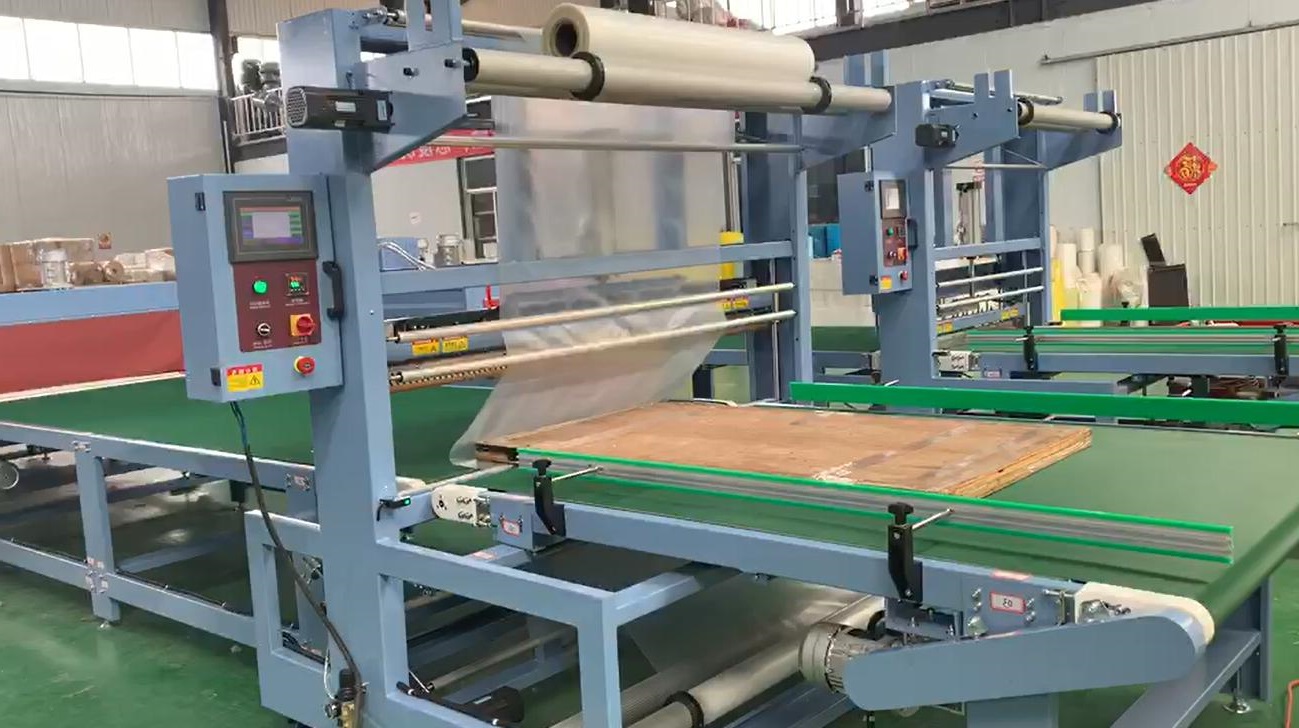
Yes, a door packing machine, or any specialized automated packing system for large items, can absolutely help you meet tight delivery schedules. It does this by making your end-of-line processes much faster. It also makes them more reliable. This allows your factory to move products out the door more quickly. This means you can ship on time, every time.
You might be thinking, “This sounds great, but how does it really work for my factory?” I understand that thought. I have seen many factories, just like mine used to be, struggle with these exact issues. I built FHOPEPACK to share knowledge from my own journey in the packing machine industry. I want to help you understand how these solutions can truly transform your operations. Let us look deeper into what these machines can do for you.
Can Automated Packing Machines Truly End Your Production Bottlenecks?
Do you find your finished products piling up at the end of the line? This often happens while you wait for slow, manual packing. This creates a real bottleneck. It slows down your entire production process. You might have the best manufacturing processes in place, but if your packing cannot keep up, everything stops. This is frustrating and costly.
Yes, automated packing machines can truly end these production bottlenecks. They do this by streamlining the packing process. They remove the need for most manual labor. This allows for continuous, high-speed operation. It ensures that your products are ready for shipment without delay.
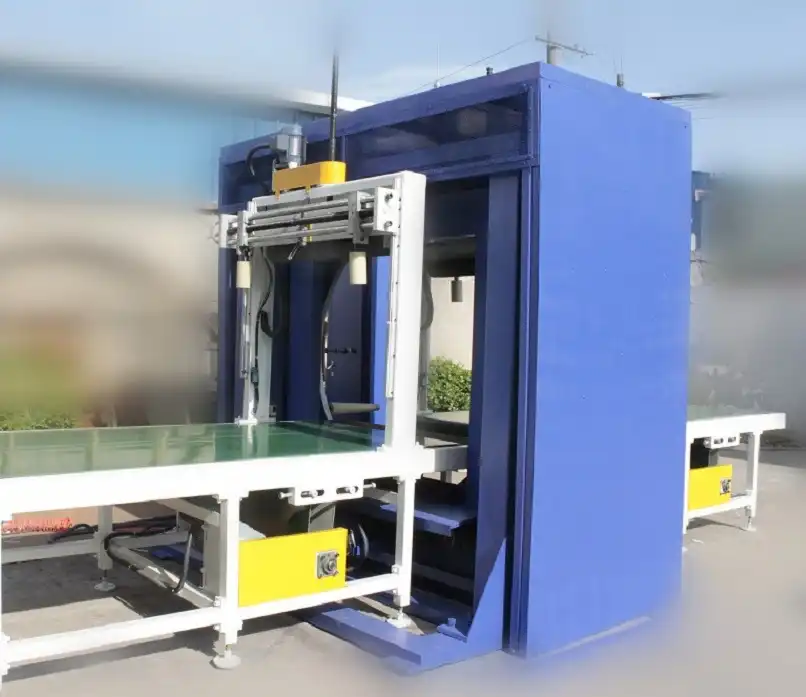
When I started my first packing machine factory, I saw these bottlenecks first hand. Many of my clients, especially those dealing with large or heavy items like steel coils or doors, faced the same problem. Their main production lines were efficient, but the packing area became a choke point. This meant they could not ship products fast enough to meet demand. Automated systems change this completely. They integrate directly into your production flow. This ensures a smooth transition from manufacturing to shipment. This is critical for factories that process high volumes of goods, such as metal fabrication plants or door manufacturers. Consider the impact of slow manual coil packing. A single steel coil can weigh tons. Manual wrapping is slow and risky. An automated orbital wrapper can wrap a coil in minutes. This drastically reduces the time spent at the end of the line. It also reduces labor costs.
How Automation Fixes Production Flow
Automation tackles production bottlenecks in several ways. It is not just about speed. It is also about consistency and reliability.
Increased Speed and Throughput
Manual packing is inherently slow. Each step needs human input. This includes positioning the product, applying wrapping materials, and securing the package. An automated machine performs these steps much faster. It does this without breaks. For example, a specialized door packing machine can wrap a door in less than a minute. A manual process might take several minutes per door. If you produce hundreds of doors a day, the time savings add up quickly. This higher speed directly translates into increased throughput for your entire factory. You can process more units in the same amount of time. This helps you meet higher delivery demands.
Consistent Quality and Reduced Rework
Manual packing also often leads to inconsistent quality. Some packages might be wrapped tighter than others. This depends on the person doing the work. Inconsistent packing can lead to product damage during transit. It can also lead to customer complaints. Automated machines apply the same tension and material every time. This ensures a consistent, secure package. This consistency reduces the need for rework. It also reduces customer returns. This keeps your production flow smooth and uninterrupted. It saves you time and money.
Optimized Labor Allocation
Automating packing does not mean you lose jobs. It means you can reallocate your skilled labor. Instead of lifting and wrapping, your workers can manage the machines. They can also focus on more complex tasks. This uses your workforce more efficiently. It reduces the stress of repetitive, physically demanding work. It also frees up labor for other areas of the factory that need attention. This helps solve labor shortages in other parts of your plant.
Real-time Monitoring and Data
Modern automated packing machines come with advanced controls. They offer real-time data on performance. You can monitor how many items are packed per hour. You can also track material usage. This data helps you identify inefficiencies. It allows for quick adjustments. This continuous optimization helps maintain a smooth, bottleneck-free operation. This level of insight is almost impossible with manual processes. It gives you control over your production targets. This helps you manage your delivery schedules more effectively.
| Aspect | Manual Packing | Automated Packing |
|---|---|---|
| Speed | Slow, inconsistent, limited by human pace | High-speed, consistent, continuous operation |
| Throughput | Lower, prone to bottlenecks | Higher, smoother flow |
| Consistency | Variable, depends on operator | Uniform, precise, repeatable |
| Labor | Labor-intensive, repetitive, high physical strain | Less labor, reallocated to oversight/skilled tasks |
| Data/Monitoring | Little to no real-time data | Real-time performance metrics, optimization opportunities |
| Production Impact | Bottlenecks, delays, increased lead times | Streamlined, improved delivery schedules |
Can Automatic Wrapping Machines Make Your Workplace Safer?
Are your workers still manually handling heavy or awkward products for packing? This creates a constant safety risk. Lifting heavy steel coils or large doors can lead to back injuries. Awkward movements can cause sprains. These accidents mean higher insurance costs. They also mean lost workdays. No manager wants their team to be at risk. You want to protect your employees and create a safe environment.
Yes, automatic wrapping machines can significantly make your workplace safer. They remove the need for workers to physically handle heavy or large items during the packing process. This drastically reduces the risk of injuries. This leads to a safer environment for everyone in your factory.
Safety was always a top priority in my factory. I knew that a safe workplace meant a more productive one. Manual handling of heavy products was one of the biggest safety concerns. Think about a metal processing plant, like the one Michael Chen manages. They deal with huge steel coils and long metal bars. Asking workers to manually wrap or move these items is a recipe for disaster. Injuries are common. This leads to high employee turnover and increased workers’ compensation claims. An automated system takes the weight and repetitive strain off your team. It replaces dangerous lifting and bending with a machine’s precise, controlled movements. This is not just about avoiding accidents. It is also about creating a work environment where employees feel secure and valued.
Reducing Workplace Hazards with Automation
Automated packing machines reduce workplace hazards in many ways. They make the work less physical. They also use safety features to protect workers.
Eliminating Manual Lifting and Carrying
This is the most direct benefit. Heavy items like doors, steel coils, or other large components no longer need to be lifted by hand. The machine itself handles the product. It positions it for wrapping. It applies the packaging material. Workers only need to guide the machine or monitor its operation. This removes the risk of strains, sprains, and back injuries. These are common with manual handling of heavy loads. It also reduces the need for forklifts in tight packing areas, which often leads to accidents.
Reducing Repetitive Strain Injuries
Packing large volumes of products manually involves highly repetitive motions. These include reaching, bending, and stretching. Over time, these actions can lead to repetitive strain injuries (RSIs) like carpal tunnel syndrome or tendonitis. Automated systems perform these repetitive tasks. This frees up human workers from these harmful motions. This improves long-term employee health. It reduces chronic pain issues.
Enhanced Safety Features
Modern packing machines are built with safety in mind. They include features like safety guards, emergency stop buttons, and interlocks. These prevent the machine from operating if a safety breach occurs. Light curtains can stop the machine if a person enters a danger zone. These features protect workers from moving parts. They prevent accidental contact during operation. This creates a much safer working environment than relying on human vigilance alone.
Less Exposure to Dangerous Environments
Some packing materials, like certain films or adhesives, might release fumes. Some products might have sharp edges, like cut steel sheets. Automated systems can reduce direct human exposure to these elements. The machine handles the contact. This creates a safer buffer between the worker and potentially hazardous materials or product characteristics. This is very important in heavy manufacturing. There, sharp edges and heavy materials are common.
| Hazard Area | Manual Handling Risk | Automated Machine Solution |
|---|---|---|
| Physical Strain | Back injuries, sprains from lifting heavy items | Machine handles weight, reduces manual effort |
| Repetitive Motion | RSIs, carpal tunnel, tendonitis | Machine performs repetitive tasks |
| Moving Parts | Exposure to machine parts, pinch points | Safety guards, interlocks, emergency stops |
| Product Contact | Cuts, scrapes from sharp edges; chemical exposure | Machine interfaces with product, human distance |
| Workplace Accidents | Forklift collisions, dropping heavy items | Controlled machine movement, less reliance on forklifts |
Does Better Packing Lead to Fewer Damaged Goods and Higher Profits?
Have you experienced products getting damaged during internal transfer or shipment? Perhaps steel coil edges are bent. Or the surface of a finished door gets scratched. These damages lead to customer complaints. They also mean costly returns and rework. This directly impacts your bottom line. You work hard to produce quality goods. You do not want them damaged during the last step.
Yes, better packing, achieved through automated systems, leads to significantly fewer damaged goods. This directly results in higher profits for your factory. By protecting your products, you reduce waste. You also improve customer satisfaction. This strengthens your reputation and increases your profitability.

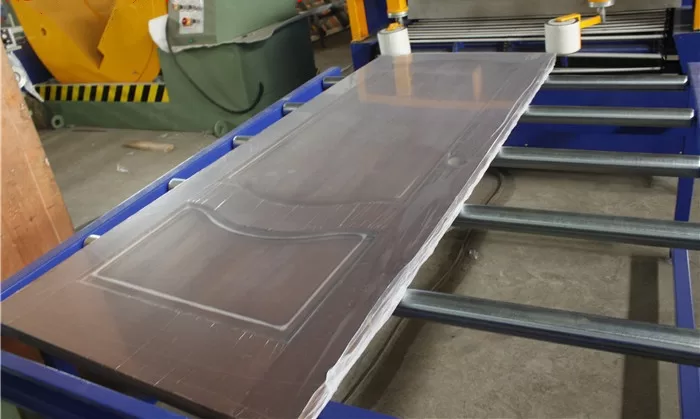
I remember one client who manufactured high-end custom doors. They were losing money because doors were getting minor scratches or dents during transit. These small damages led to big problems. Customers would reject the shipment. My client had to absorb the cost of repair or replacement. This was eating into their profits. We implemented a specialized door packing machine. It wrapped each door securely and consistently. It used the right amount of protective film. The result was a dramatic drop in damage claims. Their profit margins improved. They also gained a reputation for delivering pristine products. This is the power of proper packaging. It turns potential losses into guaranteed gains. It adds value to your product beyond its core function.
How Automated Packing Protects Your Investment
Automated packing protects your products. It also protects your profits. It does this by creating a reliable shield around your goods.
Consistent and Optimal Protection
Manual packing often results in varying levels of protection. One package might be too loose. Another might have too little padding. This leaves products vulnerable to damage from impacts, vibrations, or abrasion during handling and transport. Automated machines apply packaging materials with consistent tension and coverage. For instance, a machine can ensure that every steel coil is wrapped with the exact same overlap. It can ensure every door is encased in the same amount of protective film. This optimal protection minimizes product movement within the package. It prevents surface damage and structural weakening. This consistency is key to reducing losses.
Reduced Material Waste
While it might seem counterintuitive, automated packing can reduce material waste. Manual packers might use too much material “just to be safe.” Or they might use too little, leading to damage. Machines are programmed to use the precise amount of film, strapping, or other materials needed. This reduces material consumption over time. Less waste means lower purchasing costs for packaging supplies. This directly adds to your savings. It also makes your operations more sustainable.
Prevention of Contamination and Environmental Damage
Products like steel coils or electronic components can be sensitive to moisture, dust, or other environmental factors. A well-designed automated packing system creates a sealed barrier. This protects the product from these elements. This is especially important for items stored in warehouses or shipped long distances. It ensures products arrive in the same condition they left your factory. This prevents costly environmental damage claims.
Improved Brand Image and Customer Satisfaction
When customers receive undamaged products, they are happier. This builds trust in your brand. It enhances your reputation for quality and reliability. Fewer complaints mean less time spent on customer service issues. It means more time focusing on growth. Happy customers are repeat customers. They are also more likely to recommend your business. This boosts sales and long-term profitability. Your packing is the final impression your product makes. Make it a good one.
| Area of Impact | Manual Packing Outcome | Automated Packing Outcome |
|---|---|---|
| Product Damage | High risk of scratches, dents, bends | Significantly reduced, consistent protection |
| Material Usage | Inconsistent, often wasteful | Optimized, reduced consumption |
| Contamination | Vulnerable to dust, moisture, environment | Sealed barrier, enhanced protection |
| Customer Sat. | Complaints, returns, damaged reputation | Higher satisfaction, positive brand image |
| Profitability | Increased costs from damage, rework, claims | Reduced losses, improved margins, higher sales |
Is Finding the Right Packing Machine Partner the Key to Your Success?
Have you ever worked with equipment suppliers who just wanted to make a sale? They promised a lot. But their after-sales service was missing. This leaves you stranded when problems arise. You need a solution, not just a machine. You are looking for a partner who truly understands your factory’s unique challenges. You need someone who can provide reliable support and expert insights.
Yes, finding the right packing machine partner is absolutely the key to your success. A true partner does more than sell you a machine. They understand your specific operational bottlenecks, safety concerns, and cost pressures. They provide expert guidance and reliable support. This ensures your investment genuinely solves your problems and drives your business forward.
When I founded FHOPEPACK, it was built on this very principle. I remember my early days. I worked in a packing machine factory. Then I started my own. I saw how many businesses struggled because they bought equipment without real partnership. They faced issues like the ones Michael Chen mentioned: poor after-sales service. It is not enough to just buy a machine. You need someone who knows the challenges of your industry. You need someone who can help you integrate the solution seamlessly. My experience in coil packing and steel wire packing taught me this. I helped clients grow their businesses by offering true partnership. This meant understanding their production lines, offering custom solutions, and providing ongoing support. That is the kind of partnership FHOPEPACK offers. It is about sharing knowledge and expertise to help you succeed.
Why Your Partner Matters Beyond the Machine
Choosing the right partner is as important as choosing the right machine. Their expertise and support can make all the difference.
Deep Industry Knowledge
A good partner has a deep understanding of your specific industry. They know the challenges of heavy manufacturing. They understand the demands of handling materials like steel or large components like doors. They can look at your factory’s layout. They can analyze your current processes. Then they can identify the exact points where an automated solution will have the most impact. They speak your language. They understand your pain points. This understanding helps them recommend the perfect machine. It also helps them avoid common pitfalls.
Custom Solutions and Integration
Every factory is unique. Off-the-shelf solutions may not always fit perfectly. A true partner offers custom solutions. They can design a packing machine that integrates seamlessly into your existing production line. They consider your space constraints. They look at your product specifications. They also think about your throughput requirements. This tailored approach ensures maximum efficiency and ROI. It is about getting a system that works for your specific needs, not just a generic machine.
Reliable After-Sales Support
This is often where many suppliers fall short. A reliable partner provides strong after-sales support. This includes installation assistance, training for your operators, and prompt technical support. If your machine breaks down, you need help fast. Downtime costs money. A partner committed to your success will have a responsive service team. They will have a ready supply of spare parts. This ensures your operations run smoothly with minimal interruptions. This ongoing support protects your investment.
Long-Term Partnership for Growth
The right partner views your relationship as a long-term commitment. They are invested in your factory’s growth. They will offer insights on future upgrades. They will provide advice on new technologies. They become a trusted advisor. This partnership helps you adapt to market changes. It helps you stay competitive. My goal at FHOPEPACK is to be that kind of partner. I want to help you achieve financial independence. I want to help your business grow. This comes from years of experience and a genuine desire to give back to the industry.
| Partnership Aspect | Poor Supplier Approach | True Partner Approach |
|---|---|---|
| Knowledge | Limited, generic understanding | Deep industry insight, problem-solving |
| Solutions | Standard, one-size-fits-all | Custom, integrated, tailored solutions |
| Support | Lacking, slow, costly after-sales | Responsive, comprehensive, reliable support |
| Relationship | Transactional, short-term | Collaborative, long-term growth partner |
| Impact | Frustration, missed ROI, continued problems | Efficiency, safety, growth, peace of mind |
Conclusion
Automated packing machines boost efficiency, enhance safety, and protect profits. Choosing a knowledgeable partner ensures your investment truly transforms your operations and helps meet those tight delivery schedules.








