
Which Customization Features Address Regional Mold Specifications in Europe?
European manufacturing stands as a pillar of precision and efficiency. But what happens when your operations involve moving or preparing large, heavy industrial molds? The standard equipment often falls short. Many factory managers face serious hurdles. They deal with slow processes, significant safety risks, and even damage to valuable products. These problems cause high costs and lost time. They also hurt your reputation. So, how do you overcome these challenges?
Customization for handling heavy industrial molds in Europe focuses on several key areas. These include enhanced safety features to meet strict CE directives. It also involves precise integration with existing production lines. Energy efficiency and robust design for high-stress environments are also vital. Such tailored solutions ensure compliance, improve worker safety, and boost overall operational efficiency.
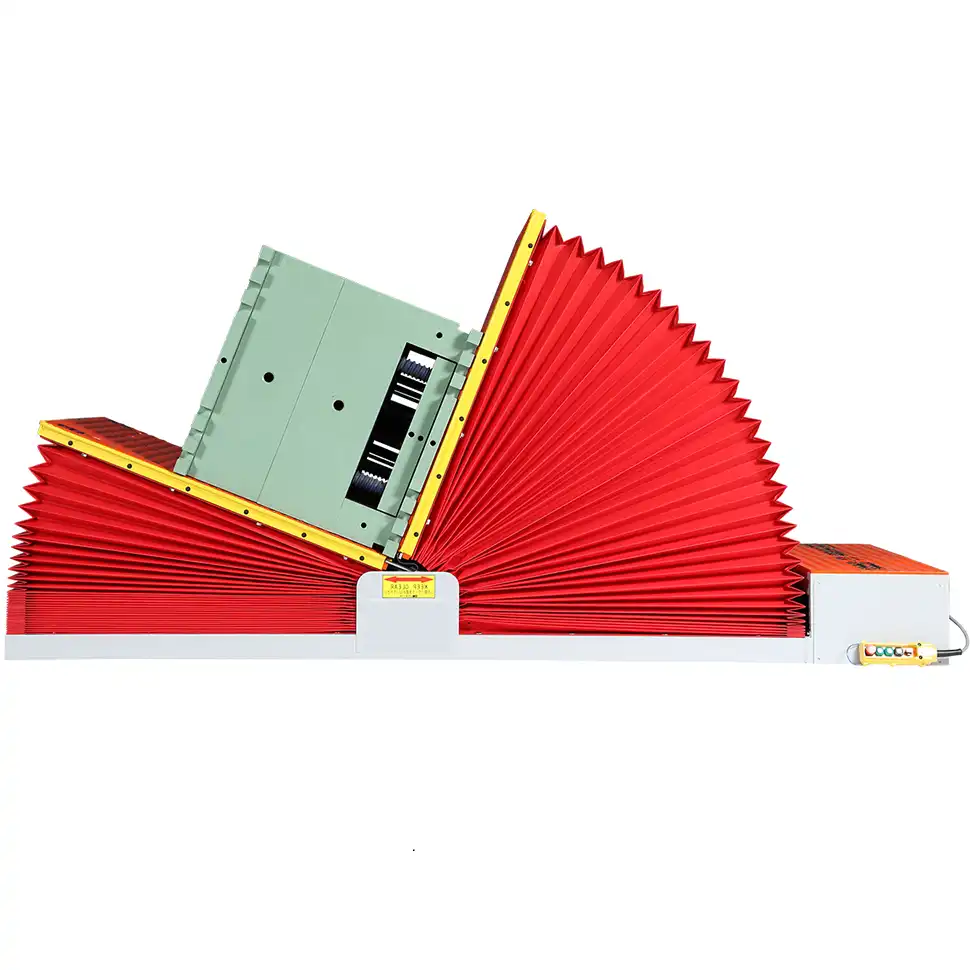
Standard equipment might seem like an easy choice. But true success in Europe’s demanding industrial landscape asks for more. It requires equipment built to your exact needs. Let’s look at the specific features that make a real difference.
How Do European Safety Standards Influence Custom Mold Handling Equipment?
Workplace safety is not just a suggestion in Europe; it is a strict requirement. Companies face tough regulations. Using standard mold handling equipment might seem okay at first. But these machines often do not meet the rigorous safety demands. This creates big risks. You face potential fines, legal issues, and even serious accidents. Such incidents can harm your workers and stop your production. So, how do you avoid these dangers? Customization is essential. It lets you build safety features right into your equipment. This ensures you not only comply but also protect your entire team.
European safety standards, such as CE marking and specific machinery directives, are very strict. These rules necessitate customized mold handling equipment. Such machines need features like advanced guarding systems. They also need multiple emergency stop buttons and integrated safety sensors. Ergonomic designs are also crucial. Automated handling solutions are important to reduce human interaction with heavy items. These elements combine to minimize risks and ensure a safe working environment.
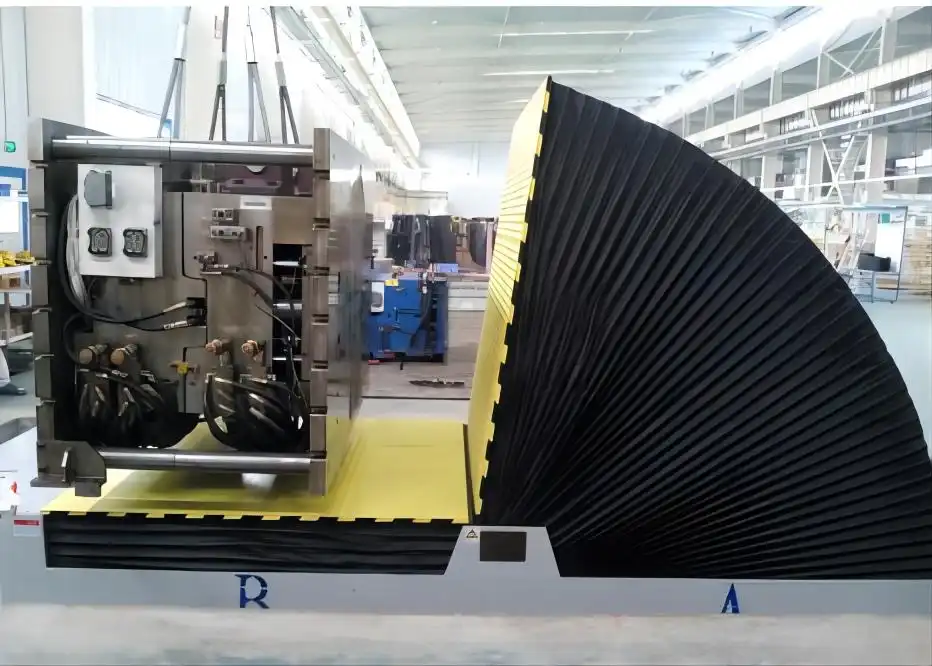
When I started my own packing machine factory, I learned quickly about the critical importance of safety. I saw firsthand how neglecting safety could lead to severe consequences. This included worker injuries and costly production halts. In Europe, the focus on safety is even more intense. It is not just about avoiding fines. It is about protecting lives and maintaining operational integrity. For mold handling, this means going beyond basic safety guards. We must think about the entire operation.
Key Safety Customizations for European Mold Handling
-
CE Marking Compliance:
- This is not optional. Every piece of machinery sold in Europe must have a CE mark. This mark shows it meets essential health and safety requirements. For custom mold handling equipment, this means designing every component with CE directives in mind. It involves detailed risk assessments. It also requires proper technical documentation. I remember one client in Germany. They needed a mold tilter that could handle extremely large and heavy dies. We had to ensure every aspect, from the hydraulic system to the control panel, met the specific EN standards for heavy machinery. This level of detail is non-negotiable.
-
Automated Handling and Reduced Human Interaction:
- Many mold handling tasks are risky when done manually. Lifting, flipping, or transferring heavy molds can cause severe injuries. Custom equipment often includes automated loading and unloading systems. It also has robotic arms or specialized conveyors. These systems minimize the need for workers to be near moving parts or heavy loads. This greatly reduces the risk of accidents. For example, a custom-built flipper table can automatically rotate a heavy mold. Workers stay at a safe distance.
-
Advanced Guarding and Interlocks:
- Custom solutions include robust physical barriers. These barriers prevent access to dangerous areas during operation. They are usually built stronger than standard guards. Interlock systems are crucial. These systems make sure the machine cannot operate if a guard is open. They also stop the machine instantly if someone enters a restricted zone. Light curtains and pressure mats also add layers of protection. They detect human presence and immediately halt machine movement. This proactive safety design protects operators at all times.
-
Emergency Stop Systems:
- Every custom mold handling machine needs easily accessible emergency stop buttons. These buttons must be clearly marked. They must be placed at strategic points around the machine. In Europe, specific colors and symbols are required. These systems must also instantly cut power to all moving parts. This brings the machine to a safe stop. My experience has taught me that you can never have too many emergency stops. Their quick response can prevent a serious incident. We always place them where operators can reach them quickly, even in an unexpected situation.
-
Ergonomic Design:
- Safety is also about long-term well-being. Custom equipment considers the operator’s comfort and posture. It designs controls at optimal heights. It provides clear visibility. It also reduces repetitive strain. An ergonomic design reduces fatigue. This lowers the chance of errors. It also supports a safer working environment over time.
This commitment to safety is paramount. It protects your most valuable asset: your people. It also ensures your business operates smoothly without costly interruptions.
What European Production Line Demands Call for Tailored Mold Transfer Solutions?
European factories often have very specific layouts. They also have high production volume needs. Their material handling requirements for heavy items like industrial molds are unique. Off-the-shelf machines can quickly become a bottleneck. They may require costly changes to your existing production line. Or, they might simply fail under continuous heavy loads. This leads to downtime. It also causes production delays. So, how do you avoid these problems? Customized integration ensures your workflow is seamless. It also guarantees maximum output.
Tailored mold transfer solutions for European production lines address many specific challenges. These include fitting into tight floor space. They also handle diverse mold dimensions and weights. High throughput rates are often required. Seamless integration with existing upstream and downstream automation is also vital. Finally, robust, heavy-duty construction is needed for continuous, demanding operation. These custom features ensure efficiency and reliability.
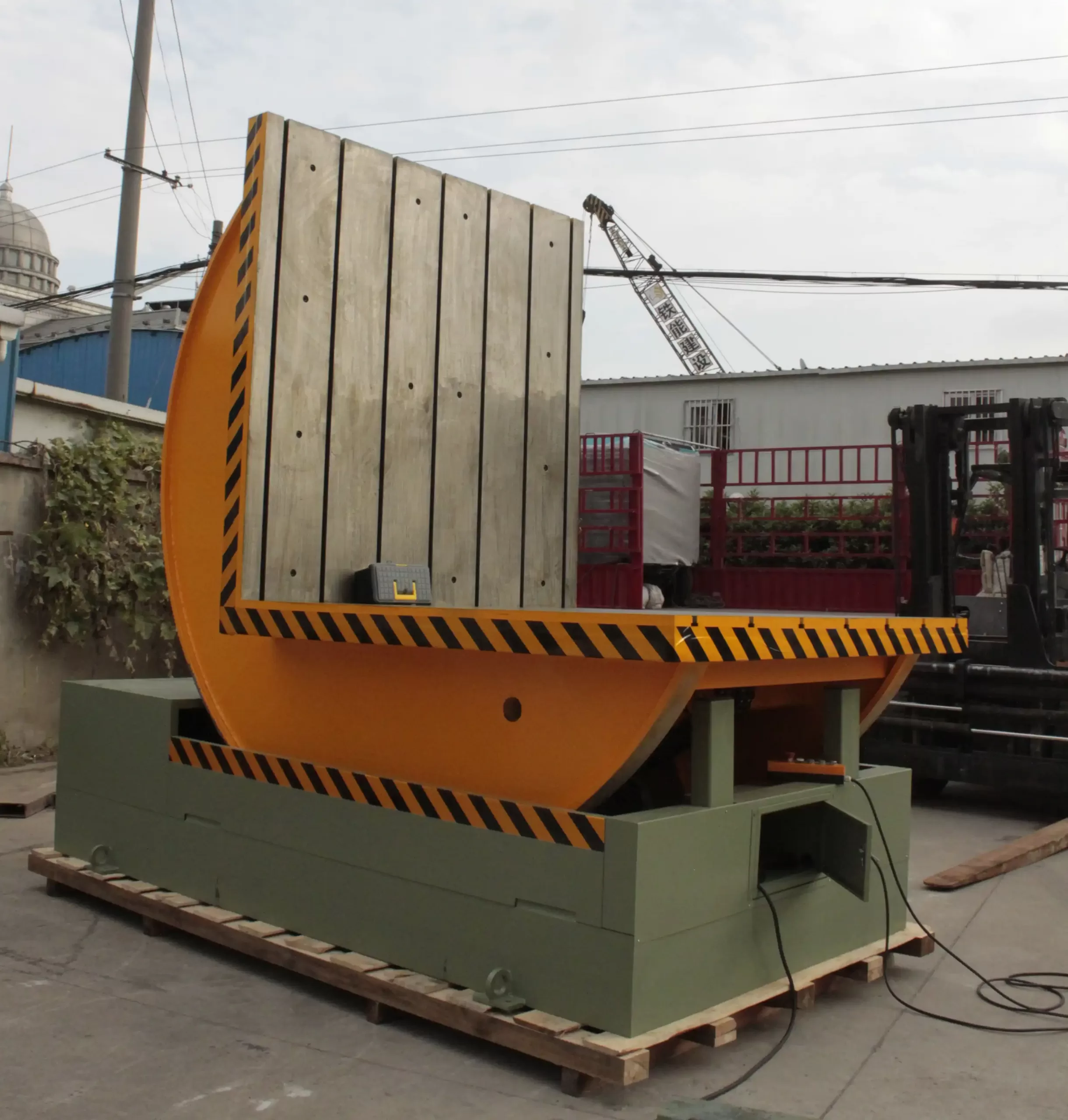
I remember when I first started my factory. I faced similar challenges. Every inch of factory floor space mattered. Every minute of production time was precious. Trying to fit a generic machine into a specialized line often created more problems than it solved. It was never just about buying a machine. It was about making that machine work perfectly within the whole system. This is especially true for handling heavy, critical items like industrial molds.
Customizations for Production Line Integration
-
Space Optimization and Footprint Customization:
- European factories often operate in older buildings. They have limited floor space. This means standard large machines might not fit. Custom solutions allow for precise sizing and configuration. This ensures the equipment integrates seamlessly into tight layouts. It optimizes the available space. For example, a mold flipper might be designed with a smaller footprint. Or it might be built to fit around existing pillars or machinery. This allows for smooth material flow without disrupting other operations.
-
Integration with Existing Automation Systems:
- Many European manufacturers use advanced automation. This includes ERP (Enterprise Resource Planning) and MES (Manufacturing Execution Systems). Custom mold handling equipment can integrate directly with these systems. This allows for real-time data exchange. It enables automated scheduling and tracking of molds. It ensures that the mold handling process is a smooth part of the entire digital workflow. This level of connectivity boosts efficiency. It also reduces human error.
-
Handling Diverse Mold Specifications:
- Molds come in many sizes, weights, and shapes. A factory might need to handle small injection molds one day. The next day, it handles massive stamping dies. Custom equipment is designed to accommodate this variety. It uses adjustable clamping mechanisms. It has interchangeable tooling. It also features flexible control systems. This versatility prevents the need for multiple specialized machines. It allows for efficient handling of all mold types within the same line. For example, a custom-designed flipper table might have adjustable platforms. These platforms can secure molds of various dimensions and weights, from a few hundred kilograms to several tons.
-
High Throughput and Cycle Time Optimization:
- For high-volume production, speed is crucial. Custom mold handling solutions are engineered for rapid cycle times. They achieve this without sacrificing safety or precision. This involves optimized hydraulic or electric systems. It also uses smart control algorithms. These features ensure quick, smooth, and repeatable mold movements. This reduces bottlenecks at the end of the line. Michael Chen, a factory manager I spoke with, told me his current processes were slow. They relied too much on manual labor. He desperately needed to speed up. Custom automation is the direct answer to this kind of efficiency bottleneck.
-
Durability and Heavy-Duty Construction:
- Handling heavy industrial molds puts immense stress on machinery. Custom equipment is built to withstand this continuous load. It uses reinforced steel. It has heavy-duty bearings. It also has oversized motors and hydraulic components. This ensures long-term reliability. It reduces wear and tear. This is crucial for operations running 24/7. It also minimizes downtime due to breakdowns. My experience in packing steel coils taught me that strength and durability are key. Without it, your equipment will fail.
By tailoring the equipment to your specific production line, you remove bottlenecks. You also reduce product damage. This creates a much smoother and more efficient operation.
Are Energy Efficiency and Sustainability Key Customization Factors for Molds in Europe?
European industries face growing pressure. They must improve energy efficiency. They must also adopt sustainable practices. Using outdated or inefficient equipment for mold handling drives up operational costs. It also harms your company’s environmental performance. This impacts your bottom line and your brand image. So, how do you tackle this? Customization allows you to integrate cutting-edge green technologies. This saves money in the long run. It also boosts your company’s green credentials.
Energy efficiency and sustainability are vital in European mold handling equipment customization. This includes optimized motor selection and intelligent power management systems. It also involves techniques that save material, such as optimized wrapping (if applicable to mold protection). Reducing noise emissions is also important. Finally, compliance with environmental regulations like RoHS or REACH is a must. These features reduce operating costs and environmental impact.
When I was building my own factory, I always looked for ways to cut costs. Energy consumption was a big one. I realized that a small saving per operation adds up. It becomes huge over a year. The European market, more than any other, values sustainability. It is not just a nice-to-have. It is a critical business factor. Investing in energy-efficient machinery pays off. It pays off both financially and in terms of corporate responsibility.
Energy and Sustainability Customizations
-
Optimized Motor and Drive Systems:
- Traditional motors can waste a lot of energy. Custom mold handling equipment often uses advanced servo motors or high-efficiency variable frequency drives (VFDs). These systems consume power only when needed. They adjust speed and torque precisely. This can lead to significant energy savings. For example, a mold flipper might use a servo-driven system for smoother, more controlled movements. This system uses less electricity than older, less efficient hydraulic systems.
-
Intelligent Power Management and Standby Modes:
- Custom machines can include smart control systems. These systems monitor usage patterns. They can automatically enter a low-power standby mode during idle times. They can also optimize power consumption during operation. This ensures that energy is not wasted when the machine is not actively working. This is a simple but very effective way to save energy.
-
Noise Reduction:
- European workplaces have strict rules on noise levels. High noise can harm workers. It can also be a nuisance. Custom mold handling equipment can include features to reduce noise emissions. This might involve sound-dampening materials. It also uses quieter hydraulic pumps or smoother mechanical designs. Reducing noise improves the working environment. It also helps comply with local regulations.
-
Reduced Material Usage (for protective wrapping/securing):
- While molds are not typically “packaged” in the consumer sense, they often need protection for storage or transport. If custom solutions involve protective wrapping or securing, they can be designed to minimize material waste. This includes precise tension control for stretch film. It also includes optimizing the number of wraps. This reduces plastic or other material usage. This contributes to sustainability efforts. It also lowers material costs. My experience with coil wrapping taught me that precise material use saves a lot of money and waste. The same principle applies here.
-
Compliance with Environmental Regulations (RoHS, REACH):
- Custom equipment can be built using materials and components that comply with strict European environmental directives. This includes RoHS (Restriction of Hazardous Substances) and REACH (Registration, Evaluation, Authorization and Restriction of Chemicals). This ensures the machine itself does not introduce harmful substances into the environment. This is increasingly important for export to Europe and for maintaining a responsible corporate image.
By prioritizing energy efficiency and sustainability in your custom mold handling solutions, you not only comply with regulations. You also reduce operating costs. You improve your environmental footprint. This makes your factory more competitive and responsible.
How Does Expert Partnership Drive Mold Equipment Customization for European Operations?
Many equipment suppliers focus only on making a sale. They leave customers without proper support after installation. This can cause big problems. It leads to machine downtime. It also leaves issues unresolved. This creates a lack of trust. This is especially true for complex custom machines. So, how do you avoid this? A true partnership means ongoing support. It offers expert advice. It also shows a shared commitment to your long-term success.
For European clients, supplier partnership in customization means many things. It includes comprehensive pre-sale consultations. It also means detailed engineering collaboration. Localized after-sales support is key. Readily available spare parts are also important. Finally, it means a commitment to understanding and solving unique operational challenges. This ensures that the custom solution genuinely meets the client’s needs.
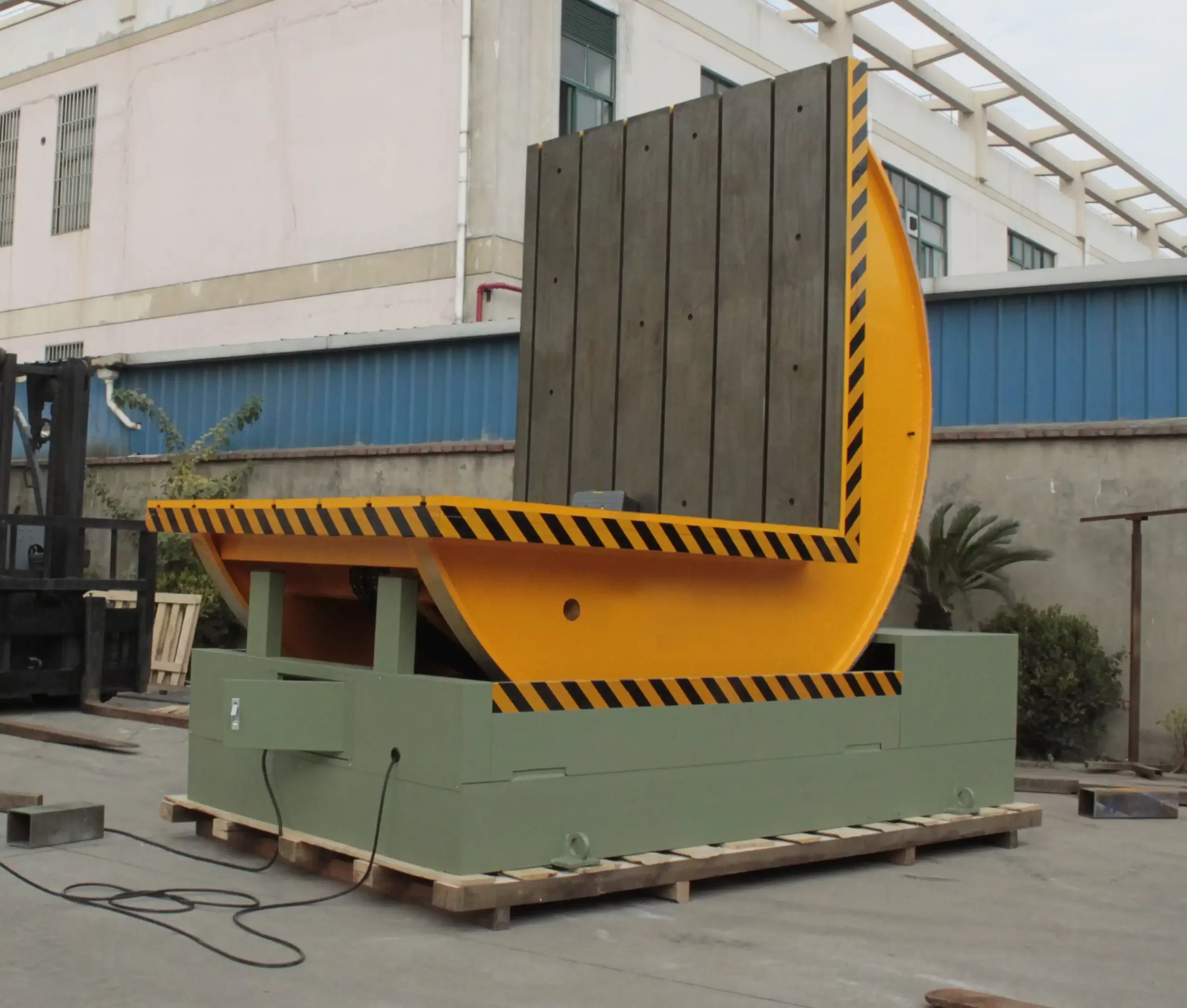
When I was an employee at a packing machine factory, I saw many sales go bad because of poor after-sales service. Then, when I started my own factory, I knew I had to do things differently. I understood what factory managers like Michael Chen go through every day. They deal with production bottlenecks, safety concerns, and the need for efficiency. They need a partner who truly understands their world. They don’t just need a vendor. This personal experience helps me connect with clients. It shapes how FHOPEPACK approaches every project. We want to be a long-term partner, not just a one-time seller.
Elements of an Expert Partnership for Custom Mold Solutions
-
Deep Industry Understanding:
- An expert partner brings more than just technical knowledge. They understand the specific challenges of your industry. This includes the unique pressures of metal processing or heavy manufacturing. They know what it takes to operate a factory. They understand the need for reliable equipment. This understanding allows them to ask the right questions. It helps them design solutions that truly solve your problems. Michael Chen, for instance, faces constant pressure to boost output and control costs. A good partner understands these pressures and designs solutions to directly address them.
-
Collaborative Design and Engineering:
- Customization is a two-way street. An expert partner works closely with your team. They gather detailed requirements. They conduct on-site assessments. They involve you in every step of the design process. This ensures the final machine meets your exact specifications. It also integrates perfectly with your existing setup. This collaborative approach minimizes surprises. It guarantees the solution is fit for purpose. It is not about selling a machine. It is about co-creating the best solution.
-
Localized After-Sales Support and Service:
- Having a local presence or a strong network of service engineers in Europe is crucial. This ensures quick response times for maintenance or troubleshooting. It means you get support in your local language. It means technicians understand local regulations. This rapid support minimizes downtime. It keeps your operations running smoothly. My journey taught me that problems will always arise. How quickly and effectively you solve them defines a good partner.
-
Spare Parts Availability and Longevity:
- For custom heavy machinery, having readily available spare parts is vital. An expert partner ensures that critical components are stocked. They can also quickly source specialized parts. They often design machines using widely available components. This minimizes delays when repairs are needed. It ensures your investment lasts for many years. You do not want a custom machine that breaks down and cannot be fixed.
-
Training and Knowledge Transfer:
- A good partner does not just install the machine. They also train your operators and maintenance staff. They teach them how to use the equipment safely and efficiently. They transfer critical knowledge. This empowers your team. It reduces reliance on external support for routine tasks. It builds capability within your own factory.
-
Commitment to ROI (Return on Investment):
- Finally, a true partner understands that your investment must deliver clear returns. They help you calculate the ROI of the custom solution. This includes savings from reduced labor, improved safety, less product damage, and increased efficiency. They show you how their solution will help your business grow. I always tell my clients, the goal is not just to sell a machine. The goal is to help them grow their business. This is how I achieved financial independence and how I help others succeed.
Choosing a partner who offers this level of comprehensive support ensures your custom mold handling equipment is a true asset. It is not just another expense.
Conclusion
Customization is not just about modifying machines. It is about solving complex challenges unique to European manufacturing. Focusing on safety, seamless integration, energy efficiency, and a true partnership ensures your equipment meets all regional specifications and delivers lasting value.








