
What Total Cost of Ownership Metrics Matter for European Upenders?
leading paragraph: Are you a factory manager in Europe, constantly pushing for more production while keeping costs low? Do you worry about slow processes and dangerous manual work? You are not alone. Many factory managers face these exact problems every day. They struggle with outdated methods, often putting their workers at risk and losing money due to inefficiency.
snippet paragraph:For European upenders, total cost of ownership (TCO) goes beyond just the purchase price. Key TCO metrics include operational efficiency, labor savings, safety improvements, maintenance costs, product damage reduction, and long-term supplier support. Understanding these factors helps factories like yours make smart investments for long-term profit and safety.
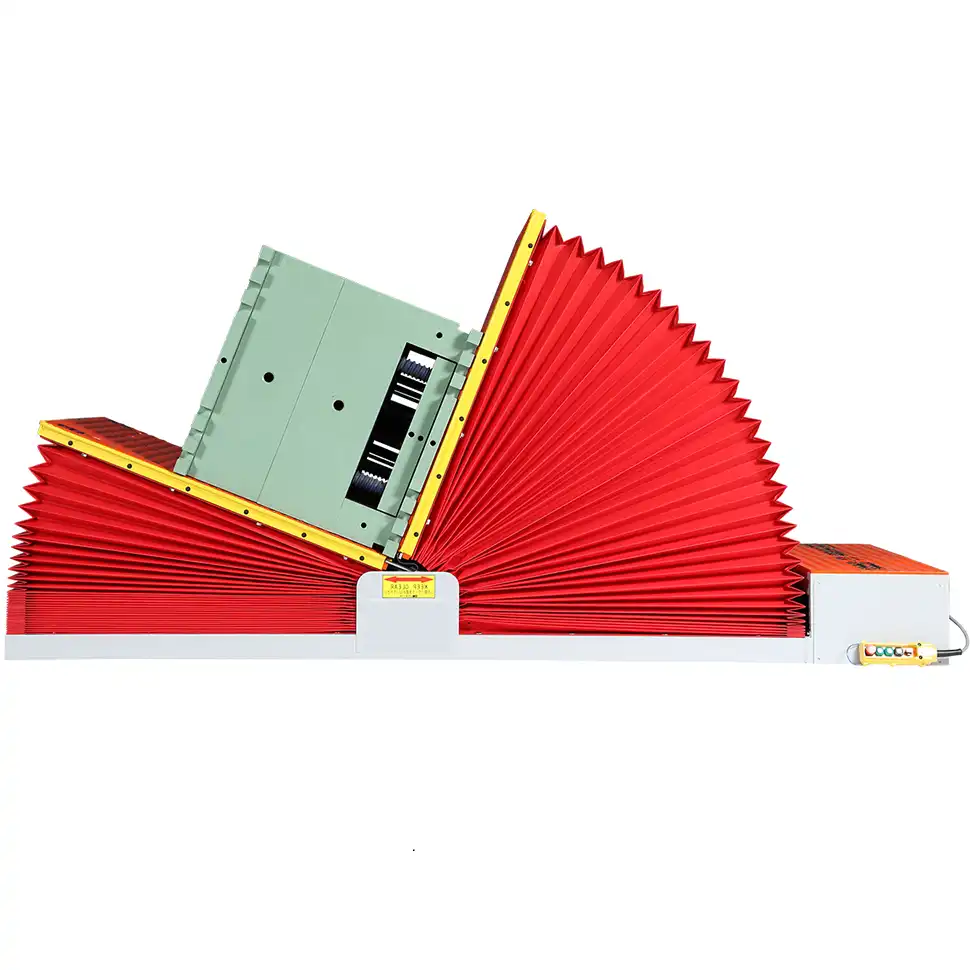
Transition Paragraph: When you look at new equipment like an upender, it is easy to just see the upfront price. But that is only part of the story. The real cost shows up over time. It affects your operations, your people, and your bottom line. Let us dig deeper into what truly matters when you consider an upender for your facility.
Why Does Initial Upender Cost Barely Tell the Full Story?
leading paragraph: Do you feel the pressure to buy equipment based only on its sticker price? This is a common mistake. Focusing just on the cheapest option often leads to bigger costs later. You might think you are saving money, but in reality, you are setting yourself up for future problems.
snippet paragraph:
The initial cost of an upender is only one small piece of its total cost of ownership. It does not account for installation, integration, or any needed customization. These hidden costs can quickly add up, turning a “cheap” machine into a very expensive problem over its lifespan.
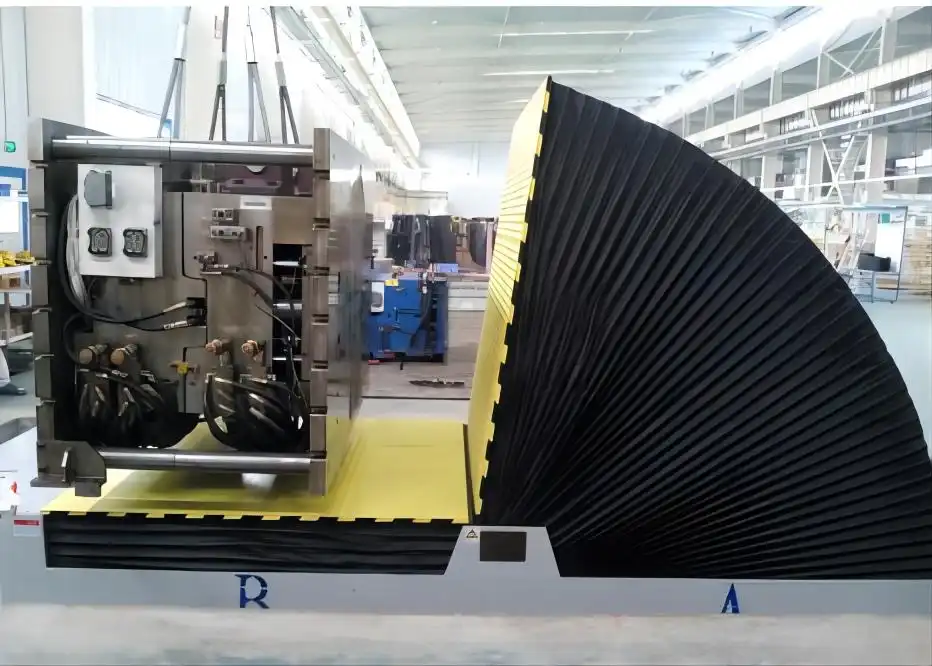
Dive deeper Paragraph: When I started my journey in the packing machine industry, I saw many companies make this mistake. They would buy the cheapest machine they could find. Then, they would spend a lot more money on getting it to work right or fixing issues. This is why you must look beyond the initial purchase price. The purchase price is just the entry ticket. The real value comes from how the machine performs over many years. This includes how much it costs to run and maintain it. It also includes how well it fits into your existing production line. A cheaper machine might require expensive modifications to work with your current setup. It might also need special tools or training. All these things add to the real cost. Think about the long-term. A higher quality upender might cost more upfront. But it will save you money on repairs, energy, and lost production. This is often true for equipment made for the strict standards of European manufacturing. They are built to last.
Purchase Price vs. Lifetime Value
The sticker price is what you pay today. The lifetime value is what the machine gives you over its entire working life. A machine that costs more upfront but lasts longer and breaks down less offers much more value. It is like buying a good pair of shoes. Cheap shoes fall apart quickly. Good shoes cost more but last for years.
Installation and Integration Costs
You need to install the upender. You also need to integrate it with your existing production line. This can mean changes to your floor plan or electrical systems. Some machines are easier to install than others. Make sure you get clear estimates for these costs. They are often overlooked.
Customization Needs
Does the upender fit your specific needs? Or does it need custom parts or programming? Customization adds to the cost. It also adds to the time it takes to get the machine running. A good supplier will understand your factory’s specific setup. They will offer solutions that fit well.
| Cost Category | Initial Price (Example) | Hidden/Long-Term Costs (Example) | Impact on TCO |
|---|---|---|---|
| Purchase Price | $50,000 | – | Direct |
| Shipping & Handling | $2,000 | – | Direct |
| Installation | $3,000 | Extra labor if complex | Significant |
| Integration | $4,000 | Software conflicts, re-tooling | High |
| Customization | $0 | $10,000 (if needed) | Varies greatly |
| Operator Training | $0 | $1,500 | Often overlooked |
| Initial Spares | $0 | $800 | Necessary |
How Do Upenders Slash Labor and Boost Production?
leading paragraph: Are your production lines slowing down because of manual packing? Is your team tired from moving heavy items by hand? This problem is common in many factories. It creates bottlenecks. It also limits how much you can produce. This directly impacts your profits.
snippet paragraph:
Upenders significantly boost production by replacing slow, labor-intensive manual processes with automated handling. They eliminate production bottlenecks at the end of the line, allowing for faster processing of heavy materials like steel coils and wire rods. This automation directly increases overall factory output and efficiency.

Dive deeper Paragraph: I have seen first-hand how manual processes can hold a factory back. When I was building my own packing machine factory, I knew efficiency was key. Relying on people to lift and flip heavy steel coils or wire rods is incredibly slow. It is also very tiring for workers. An upender changes all of this. It takes a job that might need several people and a long time, and it does it quickly with one machine operator. This means fewer hands are needed for the same task. Those workers can then do other, more valuable jobs in the factory. This frees up valuable human resources. It also makes your entire production flow smoother. You can process more products in less time. This means you can meet customer demands faster. It also helps you take on more orders. The impact on your overall throughput is massive. In the end, it means more products out the door and more money in your pocket. This is a clear example of how automation helps your business grow.
Reducing Manual Labor
Manual handling of heavy objects is hard work. It requires a lot of people. An upender automates this task. It means fewer workers are needed for that specific job. These workers can then be moved to other areas. This makes your workforce more efficient.
Increasing Throughput
When you automate a slow process, your overall production speed goes up. Upenders can flip heavy coils in seconds. Manual methods take minutes. This speed difference adds up quickly over a shift. It allows you to produce more units per hour or day.
Minimizing Bottlenecks
Manual handling often creates a bottleneck. This is where products pile up waiting for the next step. An upender eliminates this waiting. It ensures a continuous flow of products. This keeps your entire production line running smoothly.
| Metric | Manual Process (Example) | Automated Upender (Example) | Benefit |
|---|---|---|---|
| Workers Needed | 3 | 1 | Reduce labor by 66% |
| Time per Coil Flip | 5 minutes | 30 seconds | 10x faster |
| Coils per Hour | 12 | 120 | 10x increase |
| Bottleneck Risk | High | Low | Smoother flow |
Can a New Upender Really Make Your Factory Safer?
leading paragraph: Are you worried about worker injuries in your factory? Do your employees handle heavy coils or molds by hand? This is a huge risk. Accidents can lead to high insurance costs. They can also cause valuable workers to leave. This is a major concern for any factory manager.
snippet paragraph:
A new upender dramatically increases factory safety by eliminating the need for manual handling of heavy and awkward loads. It reduces the risk of back injuries, crushed limbs, and other severe accidents common when workers manually flip or move heavy products. This creates a safer work environment for everyone.
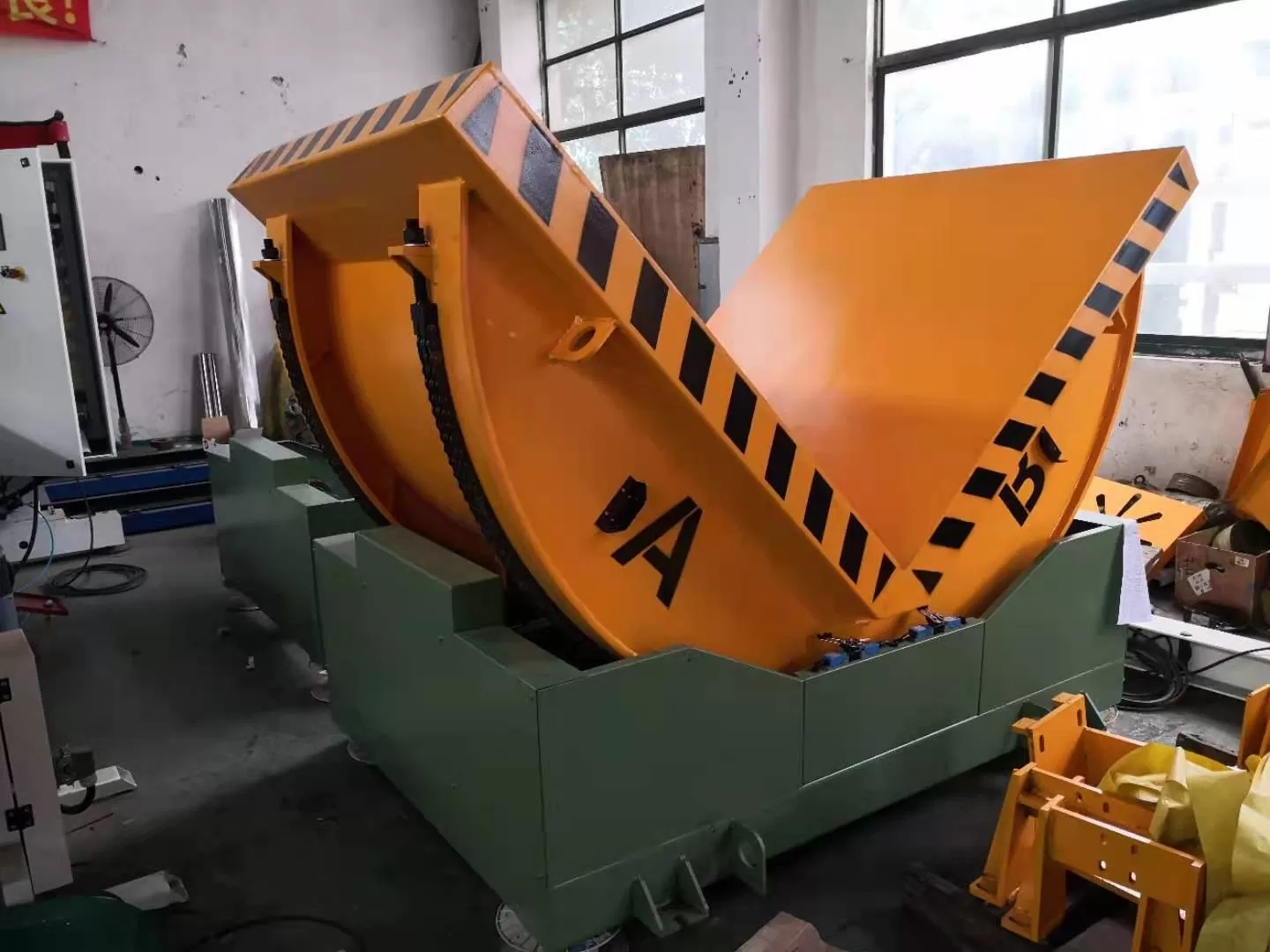
Dive deeper Paragraph: Safety was always a top priority for me, both as an employee and as a factory owner. I have seen the devastating effects of workplace injuries. A single accident can shut down a line. It can also hurt employee morale. More importantly, it can change a person’s life forever. Manual handling of steel coils, wire rolls, or molds is incredibly dangerous. Workers can drop heavy items on their feet. They can strain their backs trying to lift or flip. These are not just small risks. They are serious hazards. An upender takes the human element out of this dangerous task. It uses hydraulics or electric motors to lift and rotate heavy loads safely and precisely. This protects your workers from direct physical harm. It also reduces the stress on their bodies. Over time, this means fewer injuries. It means lower insurance premiums for your company. It also means a happier, healthier workforce. Employees who feel safe are more productive. They are also more likely to stay with your company. This builds a stronger team.
Eliminating Manual Handling
The most direct safety benefit is removing people from dangerous lifting and turning jobs. The machine does the heavy work. This prevents accidents caused by human error or physical strain. It is a fundamental change in how heavy items are handled.
Ergonomics and Worker Comfort
Even without direct accidents, manual handling causes long-term health problems. Back pain, joint issues, and fatigue are common. An upender improves ergonomics. Workers do not need to bend, lift, or twist their bodies in unsafe ways. This leads to a healthier workforce.
Compliance with Safety Standards
European factories must meet strict safety rules. An upender helps you comply with these regulations. It shows you care about your workers’ well-being. This can also help you avoid fines and legal issues.
| Safety Aspect | Manual Process Risks | Automated Upender Benefits |
|---|---|---|
| Back Injuries | High risk from lifting/twisting | Eliminated, machine handles weight |
| Crushing Injuries | Risk from dropped loads | Minimized with controlled machine movement |
| Fatigue | High, leads to errors | Reduced, fewer physical demands |
| Insurance Claims | Higher due to frequent injuries | Lower, fewer workplace accidents |
| Worker Morale | Lower, due to perceived danger | Higher, safer environment |
What Hidden Costs Lurk in Upender Maintenance and Downtime?
leading paragraph: Do you dread unexpected equipment breakdowns? Does a sudden stop in your production line cause you stress? Downtime is a factory manager’s worst nightmare. It costs you money. It also delays your deliveries. You need equipment that runs reliably.
snippet paragraph:
Hidden costs in upender TCO often stem from inadequate maintenance and unexpected downtime. These include lost production, rush repair costs, and accelerated wear on other equipment. Investing in a durable, easy-to-maintain upender with readily available spare parts minimizes these expenses, ensuring consistent operation and higher uptime.
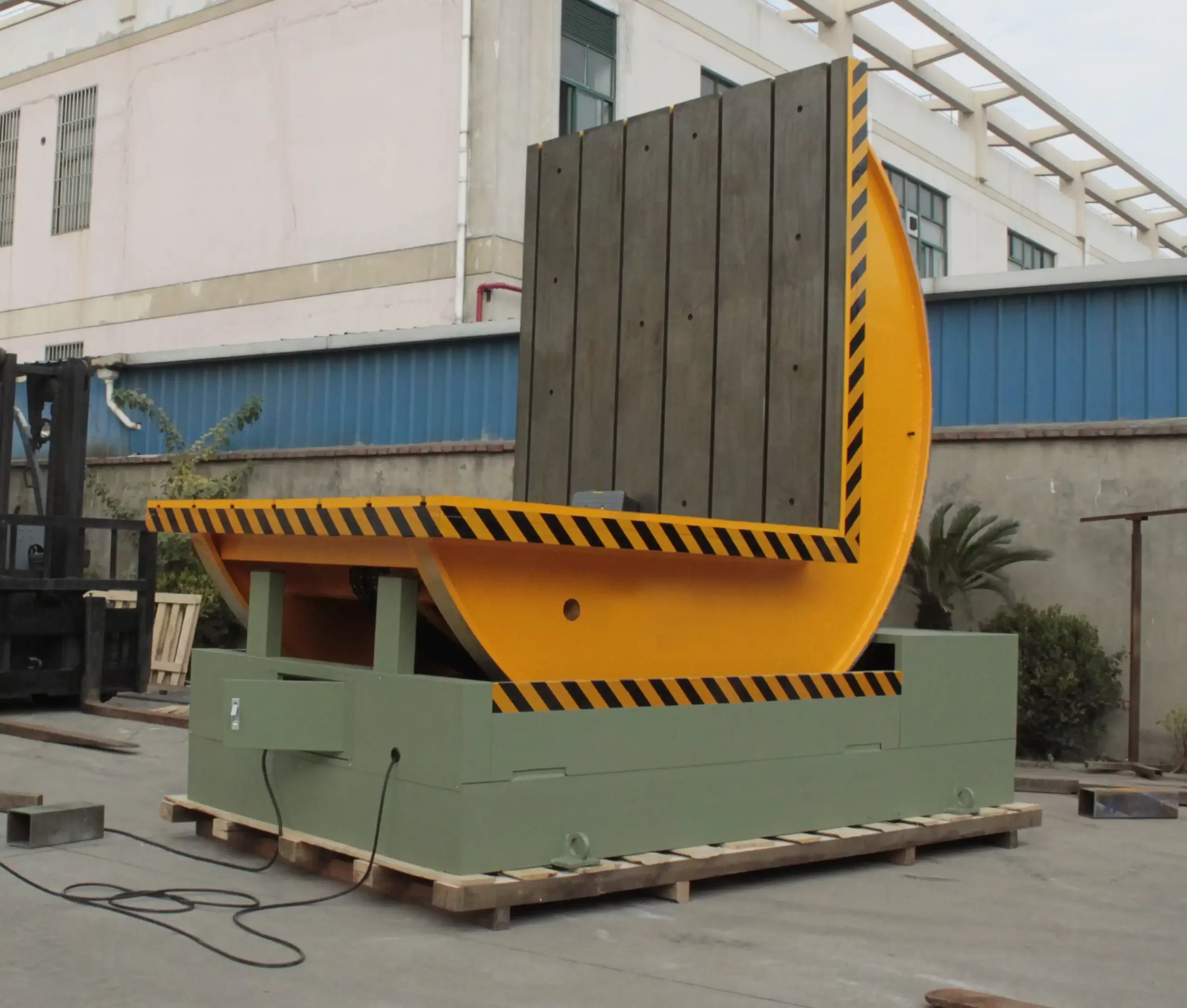
Dive deeper Paragraph: I learned early in my career that a machine that is not running is costing you money. It is not just the cost of fixing it. It is also the cost of lost production. Every minute your upender is down, your entire line might be stopped. This means you are not making products. You are not shipping orders. This impacts your reputation with customers. It also impacts your bottom line significantly. This is why durability and ease of maintenance are critical for any heavy industry equipment, especially in Europe where production demands are high. When I was running my own factory, I prioritized machines that were built tough. They needed to handle continuous operation. They also needed to be easy to fix when something went wrong. This meant choosing quality parts and simple designs. Always ask about the expected lifespan of components. Also, ask about the availability and cost of spare parts. Waiting weeks for a part can be more expensive than the part itself. Regular, planned maintenance is far better than reacting to breakdowns.
Preventive Maintenance Importance
Regular maintenance keeps your upender running smoothly. It helps you find small problems before they become big ones. This prevents costly breakdowns. It also extends the life of your machine. A good maintenance schedule is an investment, not an expense.
Cost of Unplanned Downtime
When an upender breaks down unexpectedly, production stops. This means lost revenue. It also means workers are idle. You might have to pay extra for rush repairs. This type of downtime is very expensive. It shows the importance of reliable equipment.
Spare Parts Availability and Cost
Some suppliers make it hard to get spare parts. Or, their parts are very expensive. This can lead to long delays and high repair costs. Always ask about spare parts availability. Make sure they are reasonably priced. This impacts your long-term operating costs.
Training Needs for Operators
Proper training helps your operators use the upender correctly. It helps them spot potential issues early. This reduces wear and tear. It also prevents accidents. Training is an ongoing cost but a vital one.
| Maintenance Aspect | Impact of Poor Management | Benefit of Good Management |
|---|---|---|
| Unplanned Downtime | High production loss, rush costs | Minimized, predictable operations |
| Spare Parts Sourcing | Long delays, high prices | Fast access, fair pricing |
| Repair Complexity | Requires specialized technicians | Simpler repairs, quicker fixes |
| Component Lifespan | Short, frequent replacements | Longer, less frequent replacement |
| Training Effectiveness | Increased errors, wear | Better machine handling, fewer issues |
How Does an Upender Protect Your Valuable Products?
leading paragraph: Are you losing money because products get damaged during internal transport or packing? Do customer complaints about damaged goods keep you up at night? Product integrity is critical. Any damage eats into your profits and hurts your brand’s reputation.
snippet paragraph: An upender significantly reduces product damage during internal transfer and packing by providing controlled, stable handling of heavy and delicate items like steel coils. Its precise movement minimizes impacts, scrapes, and deformities, which are common with manual or less specialized handling methods, thereby preserving product quality and reducing costly scrap or rework.
Dive deeper Paragraph: I have seen many factories where valuable products are damaged simply by how they are moved around. A small dent on a steel coil edge might seem minor, but it can lead to a customer rejecting the entire shipment. This is especially true for European customers who expect high quality. Losing product means losing profit. It also means spending time and money on rework or dealing with unhappy customers. Manual handling, or using unsuitable equipment, often causes this damage. Workers might drop items. They might scrape them against other surfaces. They might not handle them with the necessary precision. An upender eliminates these risks. It lifts and rotates the product smoothly and securely. It uses clamps or platforms designed to cradle the item. This prevents direct contact damage. It also stops items from rolling or falling. When I established my own factory, I focused on solutions that protected the product. This was not just about efficiency. It was about delivering quality to the customer. This builds trust. It also ensures repeat business. Every damaged product costs you twice: once in the lost product, and again in the lost customer confidence.
Preventing Surface Damage
Manual methods or old equipment can scratch, dent, or deform product surfaces. An upender uses gentle, controlled movements. It can have specialized surfaces to protect delicate finishes. This keeps your products looking perfect.
Stable Handling
Heavy coils or molds can be unstable when moved. They might roll or tip. An upender secures the product completely during the tilt. This stable handling prevents accidental damage from falls or shifts. It ensures the product stays intact.
Reducing Rework and Scrap
When products are damaged, you have two choices. You can try to fix them (rework), which costs time and labor. Or, you can scrap them, which is a total loss. An upender reduces the need for both. This saves you money and resources.
| Damage Risk (Manual) | Upender Solution | Benefit to Product Quality |
|---|---|---|
| Edge Dents/Scrapes | Controlled, gentle contact | Pristine edges, no surface damage |
| Deformation | Stable, even support | Preserves shape and integrity |
| Accidental Drops | Secure clamping/platform | Eliminates dropping risks |
| Rework Costs | High | Significantly reduced |
| Customer Complaints | Frequent | Fewer, leading to higher satisfaction |
Why Is Long-Term Supplier Support a Crucial TCO Factor?
leading paragraph: Have you ever bought equipment from a supplier who disappeared after the sale? Did you struggle to get help when things went wrong? This kind of experience can damage your trust. It also leaves you stranded when you need support most.
snippet paragraph: Long-term supplier support is a critical, often overlooked, TCO metric for upenders, especially in competitive markets like Europe. A reliable supplier offers ongoing technical assistance, accessible spare parts, warranty coverage, and potential upgrades. This partnership ensures your upender operates efficiently for years, preventing costly downtime and building trust.
Dive deeper Paragraph: My journey from an employee to a factory owner taught me a big lesson about partnerships. It is not just about selling a machine. It is about building a relationship. Many times, I saw factories buy from suppliers who offered a low price but no real support. When problems came up, these factories were on their own. This is a very frustrating and expensive situation. A good supplier is like a partner. They stand by their product. They offer quick technical support. They make sure spare parts are easy to get. This is crucial for keeping your upender running. It is also important for its entire lifespan. In Europe, where factories run continuously and rely on high uptime, good support is not a luxury. It is a necessity. I made it my mission at FHOPEPACK to be that reliable partner. I want to share my knowledge. I want to help you succeed. This means being there for you after the sale. It means providing answers when you need them. It also means helping you optimize your operations for the long haul.
Technical Support and Troubleshooting
When your upender has an issue, you need fast help. A responsive technical support team can solve problems quickly. This minimizes downtime. It keeps your production line moving.
Warranty and Guarantees
A strong warranty shows the supplier trusts their product. It protects your investment. Understand what the warranty covers. Also, understand for how long. This can save you a lot of money on repairs.
Availability of Upgrades
Technology changes. Your business needs might change too. A good supplier offers upgrades. This keeps your upender modern and efficient. It can also extend its useful life.
Building a Partnership
You want a supplier who understands your business. Someone who offers insights. Someone who helps you solve problems. This partnership approach leads to better solutions. It also supports your long-term growth.
| Support Aspect | Poor Supplier (Example) | Good Supplier (Example) | Value to TCO |
|---|---|---|---|
| Response Time | Days/Weeks | Hours | Minimizes downtime |
| Parts Accessibility | Scarce, expensive, slow | Readily available, fair price | Reduces repair costs and delays |
| Technical Expertise | Limited, generic advice | Deep, specific knowledge | Faster, effective problem solving |
| After-Sale Follow-up | None | Regular check-ins, proactive | Prevents issues, optimizes usage |
| Long-term Relationship | Transactional | Partnership | Strategic growth, shared success |
Conclusion
Understanding TCO for European upenders means looking beyond the initial price. It includes operational savings, safety, maintenance, product quality, and crucial supplier support. Focus on these metrics to make smart, profitable investments for your factory’s future.








