

Which Coil Wrapping Machine Delivers Best ROI for Czech Factories?
Are you a factory manager in the Czech Republic, constantly battling slow packing lines and rising costs? Do you feel the pressure to boost output, control expenses, and keep your team safe, all while dealing with old, inefficient equipment? I understand these frustrations. I have been there myself. The truth is, outdated packing methods can really hurt your bottom line and hold back your growth.
Choosing the right coil wrapping machine is key for Czech factories to achieve a strong Return on Investment (ROI). The best machines boost efficiency, improve worker safety, and cut down on product damage. This all leads to significant long-term savings and increased profitability.
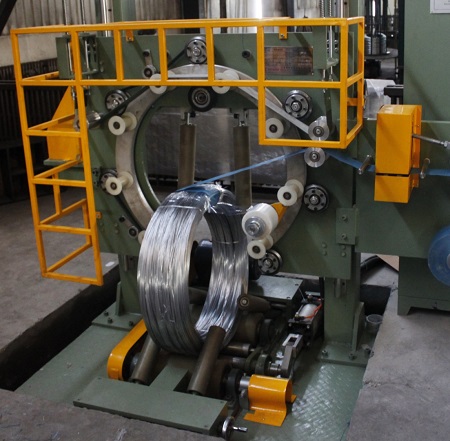

But how do you really know which machine will give you the most back for your investment? It is not just about the purchase price. It is about total impact. Let us dig deeper into what makes a coil wrapping machine a truly smart investment for your factory in the Czech Republic.
1. Why Do Czech Factories Struggle with Current Coil Packing Methods?
Do your current coil packing processes feel like a bottleneck? Are you always short on time, money, or skilled labor? Many Czech factories I have spoken with face these exact issues. They struggle to keep up with production demands because their packing methods are outdated.
Czech factories often struggle with coil packing due to heavy reliance on manual labor, which leads to slow speeds, high labor costs, and significant safety risks. This also results in frequent product damage during handling, directly affecting profitability and customer satisfaction.


From my own journey in the packing machine industry, I have seen firsthand how these problems can quickly add up. When I started my factory, efficiency was my top priority. I knew that every minute lost, every injury, and every damaged product directly took money out of my pocket. In the Czech Republic, with its strong industrial base, these challenges are even more critical. Businesses need to be lean and effective to compete globally. Current packing methods often cause several issues. These issues directly impact the factory’s ability to grow and stay profitable.
A. The Hidden Costs of Manual Coil Packing
Manual coil packing might seem cheaper at first. However, it carries many hidden costs. These costs can quickly eat into profits.
i. High Labor Costs and Inefficiency
Czech labor costs are rising. Relying on many workers for heavy, repetitive tasks becomes very expensive. Manual packing is also much slower than automated systems. This creates a bottleneck at the end of the production line. When packing cannot keep up, the entire factory slows down. This reduces overall output. For example, if a team of three people takes 10 minutes to pack one coil, an automated machine might do it in 2 minutes with one operator. This difference quickly adds up over a shift, week, or year. It means fewer coils packed per day and higher labor spending for the same output.
ii. Increased Safety Risks and Injuries
Handling heavy steel coils or wire rolls by hand is very dangerous. Workers can suffer strains, sprains, or more serious accidents. I have seen too many injuries in my time. These incidents lead to higher insurance premiums. They also cause lost workdays and a high employee turnover rate. Every injury means not only medical costs but also a disruption to your team. It affects morale and productivity. A safe workplace is not just good for your employees; it is good for your business. It protects your financial health. Factories need to follow strict safety rules. Manual handling makes this harder and riskier.
iii. Product Damage and Customer Complaints
When coils are moved and packed by hand, they can easily get damaged. Edges can get bent. Surfaces can get scratched. Even small damage can make a product unusable. This leads to customer complaints and rejected shipments. I know how frustrating it is to lose money because of damaged goods. This affects your reputation. It also wastes materials and labor. Imagine a customer returning a large batch of steel coils because of packing flaws. This is a huge loss, not just in money, but also in trust. Automated systems pack consistently. They protect the product better from start to finish. This ensures quality and keeps customers happy.
2. What Kinds of Coil Wrapping Machines Can Boost Efficiency in Czech Factories?
Once you see the real cost of manual packing, the next question is clear: What solutions are out there? Fortunately, there are many types of coil wrapping machines. Each type offers different levels of automation and benefits. They can significantly boost efficiency in Czech factories.
Coil wrapping machines come in various forms, from semi-automatic to fully automatic systems. Ring wrappers, orbital wrappers, and stretch wrappers are common types. They automate tasks like film application, coil rotation, and material cutting. These machines reduce labor, speed up packing, and ensure consistent, protective packaging for various coil sizes and weights.


My experience taught me that the right machine is not just about speed. It is about finding a solution that fits your specific production needs. It must also integrate smoothly into your existing line. It is about making smart choices that bring real value. Many of my clients have seen amazing improvements after moving to automated solutions. They stopped relying on old, slow ways. They embraced technology. This helped them handle the challenges of a busy factory. Let me explain some common machine types and how they help.
A. Key Types of Coil Wrapping Machines
Choosing the right type depends on your specific product, volume, and budget.
i. Orbital Wrapping Machines
These machines are great for wrapping products that are long or coiled. The wrapping material moves in an orbit around the product. The product stays stationary or moves slowly through the center. This is perfect for steel coils, wire bundles, and pipes. They apply stretch film, paper, or woven fabric. Orbital wrappers ensure a tight, secure wrap. This protects against dust, moisture, and damage during transport. Some models can be semi-automatic, needing an operator to load and unload. Other models are fully automatic, integrating into a production line. The automatic models are much faster and more efficient. They drastically reduce manual labor.
ii. Ring Wrapping Machines
Ring wrappers are often used for general pallet wrapping but can be adapted for coils. In this setup, the coil is placed on a turntable or conveyor. A rotating ring dispenses stretch film around the coil. This machine type is versatile. It can handle various coil sizes. It is usually more compact than some orbital wrappers. These machines are good for factories with limited space. They offer a good balance of automation and flexibility. They are an upgrade from hand-wrapping. They provide consistent wrap tension and material usage.
iii. Stretch Hood Machines
While not strictly a “wrapping” machine in the orbital sense, stretch hood machines are excellent for packaging coils that are already stacked or on pallets. They use a pre-stretched film hood. This hood is pulled over the product. It then shrinks to fit tightly. This provides excellent protection from weather and dust. It also offers good load stability. For very heavy coils, this can be a strong option. It ensures the product stays secure during shipping. This method is fast and uses less film than traditional stretch wrapping. It creates a waterproof and tamper-evident package.
iv. Wire Coil Wrapping Machines
These are specialized orbital wrappers designed specifically for smaller wire coils. They often have features for precise tension control. This is important to prevent wire damage. They can also integrate with other processes like strapping or labeling. These machines are crucial for wire manufacturers. They offer high speed and consistent quality. They help reduce the chance of tangled or damaged wire coils. This is a common problem with manual handling. They help keep the product neat and safe.
Each machine type aims to solve a particular problem. They all work to make packing faster, safer, and more cost-effective. The goal is to match the machine’s capabilities with your factory’s unique needs. This ensures the best fit and maximum impact on your ROI.
3. How Can Czech Factories Calculate the True ROI of a Coil Wrapping Machine?
Buying a new machine is a big decision. For Czech factories, it is not just about the initial price tag. It is about understanding the full Return on Investment (ROI). This means looking at all the costs and all the savings over time. Many factory managers focus too much on the purchase price. They miss the bigger picture of long-term benefits.
To calculate the true ROI of a coil wrapping machine, Czech factories must consider direct savings from reduced labor, material waste, and product damage. They must also factor in indirect benefits like increased output, improved worker safety, and enhanced customer satisfaction. A thorough ROI analysis goes beyond initial costs to show long-term profitability.


When I was building my factory, every investment had to make sense on paper. I needed to see how it would pay for itself and then some. It is not always easy to quantify everything. However, a clear plan helps. Michael Chen, a factory manager like many I have worked with, needs to make smart investments. He needs to show his board that new equipment will truly improve their financial situation. This means looking at both sides of the coin: what you spend and what you gain.
A. Breaking Down the Costs and Benefits
Understanding ROI requires a detailed look at both the investment and the returns.
i. Investment Costs
This includes more than just the machine’s price.
- Purchase Price: The sticker price of the coil wrapping machine itself. This can vary widely based on automation level, features, and brand.
- Shipping and Installation: Costs to transport the machine to your Czech factory and set it up. This may include foundation work or utility upgrades.
- Training: Costs to train your employees on how to operate and maintain the new machine. This ensures they use it correctly and safely.
- Maintenance: Ongoing costs for parts, service, and preventive maintenance. This keeps the machine running smoothly and extends its life.
- Materials: The cost of packing materials (film, paper, etc.) over time. While the machine might use less, you still need to budget for this.
ii. Tangible Benefits (Direct Savings)
These are benefits you can easily put a number on.
-
Reduced Labor Costs: This is often the biggest saving. One automated machine can replace several manual laborers. The table below shows a simplified example. Factor Manual Packing (per coil) Automated Packing (per coil) Savings (per coil) Annual Savings (estimated) Labor Time 10 minutes 2 minutes 8 minutes €15,000 – €30,000+ Labor Cost €X €Y €Z (based on volume) Material Waste 5% 1% 4% €5,000 – €10,000+ Product Damage Loss 2% 0.5% 1.5% €10,000 – €25,000+ (These figures are illustrative and depend heavily on factory-specific variables like hourly wage, production volume, and material costs within the Czech market.)
- Decreased Material Waste: Automated machines apply film more consistently and efficiently. They reduce waste compared to manual wrapping, where film can be torn or applied unevenly.
- Reduced Product Damage: Better, more consistent wrapping protects products more effectively during internal handling and shipping. This cuts down on rejected products and customer complaints.
- Higher Throughput: Machines work much faster than humans. This means you can pack more coils in the same amount of time. This increases your overall production capacity.
- Lower Insurance Premiums: A safer workplace with fewer injuries can lead to lower insurance costs over time.
iii. Intangible Benefits (Indirect Gains)
These are harder to put a number on but are still very valuable.
- Improved Worker Safety: Less manual handling of heavy coils means fewer workplace accidents. This is a huge benefit for your employees and your company culture.
- Enhanced Reputation: Consistently well-packaged products build customer trust and improve your brand image. This can lead to more business.
- Better Employee Morale: Workers appreciate safer working conditions and often feel more valued when given modern tools. This can reduce staff turnover.
- Compliance: Automated systems help meet stringent safety and quality standards, which is vital in the European market.
- Scalability: Automated systems can handle increased production demands much more easily than manual ones. This allows your business to grow without hitting packing bottlenecks.
When you add up all these factors, the initial investment often looks much smaller. The long-term gains clearly show that a well-chosen coil wrapping machine is a smart financial move for Czech factories. It helps your business thrive.
4. What Should Czech Factories Look for in a Coil Wrapping Machine Partner?
You have decided that a coil wrapping machine is a good investment. Now, how do you pick the right one? It is not just about the machine itself. It is also about the company behind it. Many factory managers have had bad experiences with suppliers who just want to sell a machine and then disappear. I know this frustration well. My goal has always been to be a true partner to my clients. I want to help them succeed long-term.
Czech factories should look for a coil wrapping machine partner who offers more than just equipment. They need a supplier with deep industry expertise, proven reliability, and excellent post-sales support. A good partner understands specific production challenges, offers customized solutions, and provides transparent ROI guidance, building trust through genuine collaboration.


When I started FHOPEPACK, I built it on the principle of sharing knowledge and building strong relationships. I believe in giving back. I want to help others the way the industry helped me. This means being honest, reliable, and always available. For Czech factories, finding such a partner is crucial. It ensures your investment truly pays off. Here are some key things to look for in a machine supplier.
A. Beyond the Sale: What Makes a Great Partner?
A good partner helps you navigate challenges and achieve your goals.
i. Deep Industry Expertise and Customization
Does the supplier truly understand your industry? Can they speak your language about production bottlenecks, material types, and specific safety concerns? A partner with real experience, like my own journey from employee to factory owner, knows the nuances. They can offer insights you will not get from a generic sales pitch. They should be able to offer solutions tailored to your factory’s specific needs. For example, if you pack heavy steel coils, they should recommend a machine designed for that weight and size, not a one-size-fits-all solution. This might involve:
- Consultation: In-depth discussions about your current processes, challenges, and future goals.
- Site Visits: A willingness to visit your Czech factory to assess your layout and operational flow.
- Tailored Solutions: Offering modifications or specific machine configurations to fit unique product dimensions or production speeds.
ii. Proven Reliability and Support
What happens after the machine is installed? This is where many suppliers fall short. You need a partner who stands by their product. They must offer strong after-sales support. This includes:
- Warranty: A clear and comprehensive warranty on parts and labor.
- Spare Parts Availability: Easy access to spare parts in the Czech Republic or region. Downtime because of a missing part is a major problem.
- Technical Support: Responsive and knowledgeable technical support staff. They should be available by phone, email, or even on-site visits if needed.
- Maintenance Services: Offering maintenance contracts or scheduled service visits to keep your machine running optimally.
- Training: Ongoing training for your staff as new team members join or as machine features evolve.
iii. Transparent ROI Guidance
A trustworthy partner will not just tell you a machine is good. They will help you understand why it is good for your factory. They will assist you in calculating the potential ROI. This involves:
- Cost Analysis: Helping you identify your current packing costs (labor, materials, damage).
- Projected Savings: Providing realistic estimates of how their machine will reduce these costs.
- Case Studies: Sharing examples of how other similar factories (even better, in Europe or the Czech Republic) have achieved ROI with their machines.
- Long-term Vision: Discussing how the machine can support your factory’s growth and future automation plans. They should show you how to scale operations efficiently.
iv. Building Trust and Partnership
Ultimately, you are looking for a relationship, not just a transaction. A partner who earns your trust will be:
- Honest: Providing realistic expectations about machine performance and limitations.
- Responsive: Quick to answer questions and address concerns.
- Problem-Solver: Focused on solving your problems, not just selling their product.
- Long-Term Focused: Interested in your factory’s success years down the line, not just the initial sale.
By carefully evaluating these aspects, Czech factories can find a coil wrapping machine partner who genuinely contributes to their success and ensures a valuable ROI. This partnership is as important as the machine itself.
My Insight
From my journey establishing a successful packing machine factory, I have learned that the best ROI comes not just from the machine, but from the partnership. I have seen clients transform their businesses by trusting in expert guidance and reliable solutions. For Czech factories, this means finding a supplier who understands your unique challenges and stands by you for the long haul.
Conclusion
Choosing the right coil wrapping machine brings huge ROI for Czech factories. It cuts costs, boosts safety, and increases output, ensuring long-term profitability and success.












