
Where to Buy a Pallet Flipper? Trusted Global Manufacturers and Suppliers
Running a factory is a demanding job. I know this firsthand. For years, I was in the trenches, just like you, managing production, facing constant pressures to boost output, cut costs, and keep everyone safe. One major headache I often encountered was inefficient and dangerous manual handling of heavy materials, especially at the end of the production line. If you are struggling with slow, unsafe, or damaging pallet handling, you know the frustration. It slows down everything and costs you money.
When it comes to sourcing a reliable pallet flipper, many factory managers face the same question: “Where do I find a trusted supplier that truly understands my needs?” The answer lies with established global manufacturers who offer robust, efficient, and safe material handling solutions. These suppliers provide essential equipment, like pallet flippers, that can transform your operations by enhancing safety, improving efficiency, and reducing product damage.
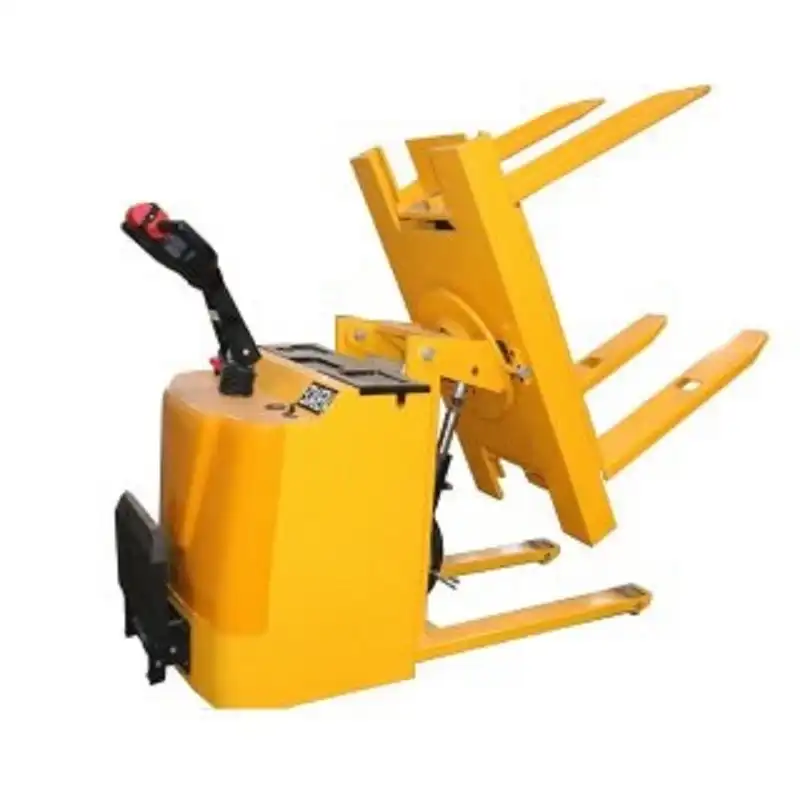
You are not just looking for a machine; you are seeking a partner who can solve real problems in your factory. A good partner helps you navigate the complexities of automation, ensuring your investment pays off. In this article, I will share my insights from years in the packing machine industry, guiding you through the process of finding the right pallet flipper and the best suppliers.
1. Why Do I Need a Pallet Flipper in My Factory?
Are you still relying on manual labor for heavy pallet transfers or turning? This outdated method creates many problems. It slows your entire production line and puts your workers at great risk. If you are experiencing high labor costs, frequent workplace injuries, or damaged goods during internal transport, then it is time to consider a pallet flipper.
Investing in a pallet flipper, also known as a pallet inverter or pallet exchanger, is a strategic move for any factory dealing with heavy or bulky goods. These machines improve operational efficiency by automating the process of transferring products from one pallet type to another, rotating goods, or recovering damaged loads. They significantly reduce the need for manual handling, directly addressing critical safety concerns and minimizing the risk of product damage. For facilities handling steel coils or similar heavy industrial items, a pallet flipper is an indispensable tool for streamlining workflow and protecting valuable inventory. (industrial pallet handling solutions)

Solving Your Toughest Factory Challenges with Pallet Flippers
From my time building packing machine factories and helping clients grow, I have seen the real impact of manual handling. In metal processing plants, like the ones Jose manages in Mexico, the stakes are very high. Heavy items such as steel coils require precise and safe handling. Manual processes here often lead to severe challenges.
Here is how a pallet flipper can directly tackle common factory challenges:
-
Efficiency Bottlenecks: Manual pallet changes are notoriously slow. Workers must physically lift, turn, or transfer heavy products. This creates a slowdown at the end of the production line. An automated pallet flipper can perform these tasks in minutes, drastically speeding up the process. This means faster throughput and quicker delivery times for your customers. Imagine how much more productive your line becomes when this bottleneck is removed.
- Solution: Automatic pallet changing boosts output by up to 50%, eliminating manual delays. (automated material transfer)
-
Safety Hazards: Lifting heavy steel coils or large components manually is extremely dangerous. Workers face risks of back injuries, crush accidents, and other severe injuries. These incidents lead to high insurance costs, lost workdays, and high employee turnover. Pallet flippers remove the human element from direct heavy lifting. They clamp and rotate loads safely, protecting your valuable workforce.
- Solution: Pallet inverters reduce manual handling by 90%, cutting down workplace injuries and improving worker well-being. (heavy load safety equipment)
-
Product Damage: During manual handling, especially with items like steel coils, edges can get bumped, scraped, or even bent. This leads to damaged products, customer complaints, and lost profits. A well-designed pallet flipper handles products gently and securely. It reduces the chance of damage during transfer or rotation. This preserves the quality of your goods and protects your brand reputation.
- Solution: Pallet exchangers secure goods during transfer, reducing product damage by 25% and cutting customer complaints. (product integrity protection)
-
Cost Reduction: The combined savings from increased efficiency, reduced injuries, and less product damage quickly add up. Over time, a pallet flipper offers a strong return on investment (ROI). It lowers labor costs, decreases insurance premiums, and minimizes waste from damaged goods. This contributes directly to your factory’s overall profitability.
- Solution: Investing in pallet flippers offers a 2-year average ROI through labor, safety, and damage cost savings. (ROI in automation)
| Challenge | Manual Method Impact | Pallet Flipper Solution | Key Benefit |
|---|---|---|---|
| Efficiency | Slow, labor-intensive production bottlenecks | Automated, rapid pallet transfer and rotation | Increased throughput, faster delivery |
| Safety | High risk of injuries, costly insurance | Eliminates manual heavy lifting, safer operations | Reduced accidents, lower insurance costs |
| Product Damage | Scratches, dents, material loss | Secure clamping, gentle handling, no product contact | Improved product quality, fewer complaints |
| Costs | High labor, medical, and waste expenses | Reduced labor, lower insurance, less waste | Significant operational cost savings |
Consider the case of a medium-sized metal fabrication plant I worked with. They were manually turning steel plate stacks for specific processing. It took four workers almost an hour for each stack, and they had several injuries each year. After installing a basic pallet flipper, one operator could do the same task in less than 10 minutes, and injuries vanished. This is the kind of tangible benefit I want you to experience. (factory automation benefits)
2. What Types of Pallet Flippers Are Available, and How Do I Choose the Right One?
Choosing the right pallet flipper can feel complex with so many options. You need a machine that fits your specific operational needs, load types, and factory layout. An incorrect choice can lead to new inefficiencies or even safety risks. It’s crucial to understand the different types and what each offers.
Pallet flippers come in various designs, each suited for different applications and operational demands. Common types include fixed pallet inverters for high-volume, repetitive tasks; mobile pallet changers for flexibility; and specialty units like freezer spacers or hygienic pallet transfer systems. Selecting the correct type depends on factors such as the weight and size of your products, the required rotation angle (90 or 180 degrees), the daily throughput, and your existing material handling infrastructure. Understanding these distinctions is key to making an informed investment that maximizes efficiency and safety in your operation. (pallet inverter types)
Navigating the World of Pallet Flippers: A Guide to Selection
From my vantage point, having designed and implemented many packing solutions, I can tell you that the “best” pallet flipper is always the one that best suits your unique production environment. Jose, with your background in heavy manufacturing, you need robust and reliable equipment.
Let’s break down the main types and what to consider:
-
Fixed Pallet Inverters (180-degree):
- Description: These are permanent installations, often integrated into a conveyor line. They grab the load, turn it completely upside down (180 degrees), and place it back down.
- Ideal for: High-volume operations, consistent product types, and situations where you need to switch out a bottom pallet completely or invert a product for processing.
- Considerations: Requires dedicated space, less flexible for moving between different areas.
- Example Use: Changing from a wooden shipping pallet to a plastic internal pallet, or inverting heavy steel molds for maintenance.
- ✅ Continuous Operation
- ❌ Immobile
- (fixed pallet changing systems)
-
90-Degree Pallet Tilters/Inverters:
- Description: These machines tilt the load by 90 degrees, allowing access to the side or for specific loading/unloading tasks. Some can also do a full 180-degree turn.
- Ideal for: Tilting stacks of sheets, coils on edge, or accessing the underside of products.
- Considerations: Useful when full inversion is not always needed, but side access is.
- Example Use: Tilting a stack of metal sheets for banding or inspection.
- ↔️ Vertical to Horizontal
- ⚙️ Specific Access
-
Mobile Pallet Changers:
- Description: These units are portable and can be moved with a forklift or even self-propelled. They often use clamping arms to secure a load and then raise it to allow for pallet exchange.
- Ideal for: Factories with varying needs, multiple work areas, or where a fixed installation is not feasible. Good for lower volume or varied load types.
- Considerations: Less automated than fixed units, requires an operator.
- Example Use: Moving between different production lines to change pallets for different batches of steel coils.
- 🏃 Flexible Movement
- 🙋 Operator Required
- (portable pallet flippers)
-
Specialty Pallet Flippers:
- Description: Includes freezer spacers, hygienic pallet inverters for food/pharmaceuticals, and custom-built solutions for unique product shapes or weights.
- Ideal for: Niche industries or very specific material handling challenges.
- Considerations: Higher cost, specialized design.
- Example Use: Hygienic transfer of packaged goods in a cleanroom.
- ✨ Niche Applications
- 💰 Higher Investment
Choosing the right one for Jose’s metal processing factory: Given the heavy-duty nature of steel coils and the need for both efficiency and safety, a robust fixed 180-degree pallet inverter might be ideal for end-of-line automation. However, if flexibility is paramount for different product lines, a heavy-duty mobile pallet changer could be a strong contender. The key is to assess:
- Load Characteristics: Weight, dimensions, stability of your steel coils or other products.
- Throughput Requirements: How many pallets do you need to handle per hour or day?
- Space and Layout: Where will the machine fit? Can it integrate with existing conveyors?
- Budget: What is your investment capacity?
- Automation Level: Do you need fully automatic, semi-automatic, or manual operation?
My advice is always to start with a detailed analysis of your current process. Map out every step, identify bottlenecks, and quantify the costs of current inefficiencies and safety risks. This data will be your best guide in selecting the pallet flipper that offers the maximum value. (material handling equipment selection)
3. Who Are the Top Global Manufacturers and Suppliers for Pallet Flippers?
Finding a trustworthy supplier is as important as choosing the right machine. In my journey from a factory employee to building FHOPEPACK, I’ve seen many companies focused only on sales. They offer little to no after-sales support. This creates a trust crisis for factory managers like Jose. You need a partner who understands your challenges and offers reliable solutions.
When searching for top global manufacturers and suppliers of pallet flippers, it’s essential to look beyond just the product. Focus on companies with a proven track record, extensive industry experience, and strong after-sales service. Leading names often come from regions known for advanced industrial manufacturing, offering a range of robust and innovative pallet handling solutions. These suppliers provide everything from standard pallet inverters to custom-engineered systems, catering to diverse needs across logistics, heavy industry, and manufacturing sectors worldwide. (global pallet inverter suppliers)

My Expert Recommendations for Pallet Flipper Suppliers
My experience in the packing machine industry has allowed me to evaluate many suppliers. I always prioritize those who offer not just quality equipment but also expertise and reliable support. For managers like Jose, who need dependable, heavy-duty equipment for metal processing, certain manufacturers stand out.
Here are my top recommendations, based on their reputation for quality, innovation, and service, especially for industrial applications:
-
Fengdong (风鼎):
- Why I Recommend Them: Fengdong is a standout for their robust and reliable industrial machinery. They have a strong reputation for producing heavy-duty pallet handling equipment that can withstand demanding environments, precisely what a metal processing plant needs. Their engineering often focuses on durability and performance, which translates to fewer breakdowns and longer operational life. From my perspective, their equipment is built for the long haul and designed to integrate smoothly into complex production lines. They also offer strong technical support, which is critical for complex machinery.
- Key Offerings: A wide range of heavy-duty fixed and mobile pallet inverters, up-enders, and tilters suitable for diverse industrial loads including steel coils, drums, and heavy components. They are known for their customization capabilities.
- Targeted Use: Ideal for factories requiring durable, high-capacity solutions for continuous operation.
- 🌍 Global Reach: Strong presence in Asian and growing in European/North American markets.
- 💪 Heavy-Duty Focus: Engineered for industrial toughness.
- (Fengdong pallet flippers)
-
Wuxi Buhui (无锡步惠):
- Why I Recommend Them: Wuxi Buhui also holds a strong position in the market for quality material handling equipment. They often provide cost-effective solutions without compromising on essential features or safety standards. Their approach is practical, making their machines accessible for many different types of factories. They also have a good track record for consistent product quality and responsive customer service.
- Key Offerings: A comprehensive range of pallet inverters, stackers, and specialized handling equipment, often with options for customization to meet specific client needs.
- Targeted Use: Excellent for medium to large-scale operations seeking reliable performance and good value.
- 📈 Consistent Quality: Reliable performance for various industrial applications.
- 💰 Value-Oriented: Delivers strong features at competitive prices.
- (Wuxi Buhui pallet changers)
Other Reputable Global Manufacturers (for broader context):
- Top Industries (Europe/North America): Companies like Pallet Changer USA, Premier Pallet Systems (UK), and Joloda Hydraroll (UK) are well-known in Western markets for their innovative and high-quality pallet handling solutions. They often focus on advanced automation and specialized applications.
- Asian Manufacturers: Beyond Fengdong and Wuxi Buhui, other robust manufacturers from Asia provide diverse pallet flipper models, often at competitive price points. It is always wise to investigate their after-sales support and spare parts availability.
My Personal Insight for Jose: When I was building my packing machine factory, I learned that a good relationship with a supplier goes beyond the initial purchase. Jose, you mentioned past trust crises. This is why I emphasize manufacturers like Fengdong. They understand the long-term value of reliable machinery and support. Always ask for case studies, speak to their existing clients, and inquire about their spare parts availability and technical support team. For heavy-duty steel applications, robustness and swift maintenance support are non-negotiable. (reliable equipment suppliers)
4. What Should I Look for in a Reliable Pallet Flipper Supplier?
You have seen why a pallet flipper is vital and the different types available. Now, the final piece of the puzzle: choosing the right supplier. Many factory managers, including Jose, have faced disappointment with suppliers who are excellent at selling but poor at supporting. This can turn a crucial investment into a major liability.
Choosing a reliable pallet flipper supplier involves more than just comparing prices. It requires evaluating their technical expertise, commitment to after-sales service, and overall understanding of your specific industry challenges. A trusted supplier will offer comprehensive support, including installation guidance, operator training, and readily available spare parts. They should act as a true partner, providing insights and solutions that contribute to your long-term operational success, rather than simply making a sale. (industrial equipment partnership)
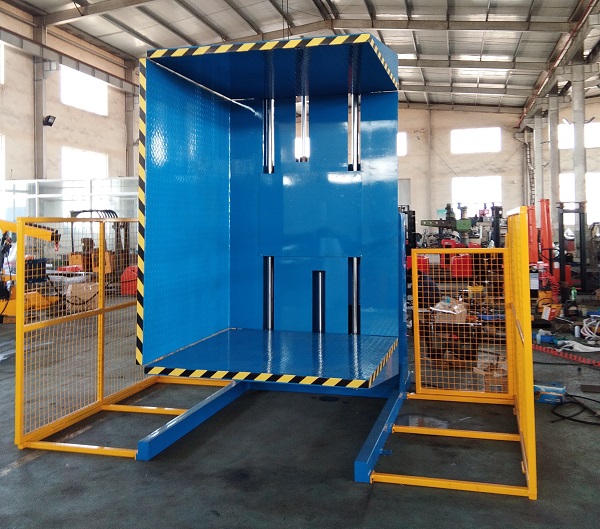
Becoming a Partner, Not Just a Vendor: My Criteria for Supplier Excellence
From my journey establishing FHOPEPACK and helping countless clients, I’ve learned that true supplier value comes from a deep understanding of the customer’s world. Jose’s need for a partner who understands production bottlenecks and safety concerns resonates deeply with my philosophy.
Here are the critical factors I advise you to consider when selecting a pallet flipper supplier:
-
Industry Expertise and Understanding:
- What to look for: Does the supplier understand your specific industry? For Jose, this means knowing the challenges of heavy metal processing, coil handling, and the demands of a factory environment. A supplier who talks your language and can suggest tailored solutions, not just generic products, is invaluable.
- My Insight: When I consult with clients, I always start by listening to their problems. A good supplier does the same. They should ask about your load types, throughput, current pain points, and future growth plans.
- ❓ Do they truly understand heavy manufacturing needs?
- 💡 Look for tailored solutions, not just off-the-shelf products.
- (supplier industry knowledge)
-
Product Quality and Durability:
- What to look for: For heavy-duty use, durability is non-negotiable. Inquire about the materials used, construction standards, and certifications. Ask for examples of their machines in similar harsh environments. Reliability means less downtime and lower maintenance costs.
- My Insight: I have seen many machines break down because of poor-quality components. Always check for robust frames, quality hydraulic systems, and reliable electrical components. This is where companies like Fengdong shine for industrial applications.
- ⚙️ Check material quality, construction standards, certifications.
- ✅ Demand machines built to last in tough conditions.
- (durable material handling equipment)
-
After-Sales Service and Support:
- What to look for: This is where many suppliers fail. Ask about their warranty, spare parts availability, technical support response times, and onsite service capabilities. What happens if your machine breaks down? How quickly can they get you back up and running? This is crucial for maintaining productivity.
- My Insight: As someone who has run a factory, I know downtime is expensive. A supplier with a global service network and readily available parts inventory prevents major operational losses. Always clarify their support process.
- 📞 Inquire about warranty, spare parts, and technical support response.
- 🛠️ Ensure quick resolution for breakdowns to minimize downtime.
- (after-sales support for machinery)
-
Customization Capabilities:
- What to look for: Your factory might have unique requirements for load size, weight, or integration into existing lines. Can the supplier adapt their standard models or design a custom solution? This shows their engineering capability and commitment to meeting your specific needs.
- My Insight: At FHOPEPACK, we often found that standard solutions were not enough. The ability to customize a pallet flipper to perfectly fit a client’s coil packing line or steel handling process provided significant advantages.
- 📐 Can they modify designs for unique operational needs?
- 🏗️ Look for engineering flexibility and bespoke solutions.
- (custom pallet handling systems)
-
Cost-Effectiveness and ROI:
- What to look for: While price is a factor, focus on the overall value and potential return on investment (ROI). A cheaper machine that constantly breaks down or lacks efficiency will cost more in the long run. Ask for projections on labor savings, safety improvements, and reduced product damage.
- My Insight: Jose, you mentioned ROI. This is the language of factory managers. A good supplier helps you calculate this clearly. The goal is to lower your operational costs and increase your overall profitability.
- 💰 Evaluate total cost of ownership, not just purchase price.
- 📈 Seek clear ROI calculations from the supplier.
- (pallet flipper return on investment)
By asking these questions and thoroughly vetting potential partners, you can avoid the “trust crisis” and build a relationship that truly supports your factory’s growth and efficiency. My philosophy has always been to share knowledge to empower others, and choosing the right supplier is one of the most empowering decisions you can make for your operations.
Conclusion
Finding the right pallet flipper is a critical investment for improving efficiency, safety, and reducing costs in your factory. By understanding your needs, exploring available types, and carefully selecting a trusted global manufacturer, you can transform your operations. Prioritize suppliers with proven expertise, robust equipment, and excellent after-sales support to ensure a successful, long-term partnership that delivers tangible benefits and a strong return on your investment.








