
What’s the Best Coil Strapping Machine in Australia for Inline Integration with Wrapping & Palletizing?
Running a busy factory means dealing with constant pressure. You are always trying to boost output, control costs, and keep everyone safe. I know this feeling well. Bottlenecks in the packing line can stop everything. They slow down production and eat into your profits. You might be struggling with slow manual processes or worried about workers getting hurt. These problems are real, and I have faced them too.
The best coil strapping machine for inline integration in Australia is a robust, automated system that seamlessly connects with wrapping and palletizing stages. It must handle high volumes and diverse coil sizes. Such a system reduces manual labor, boosts safety, and prevents product damage. It also provides a clear return on investment for Australian manufacturers.
Transitioning to an automated packing line is a big step. It changes how your factory operates. It is not just about buying a machine. It is about finding a solution that truly fits your needs. Let us look closer at what makes an integrated packing system work in real factory settings.
What are the Main Challenges in Integrating Coil Strapping with Wrapping and Palletizing?
Do you feel like your packing line is stuck in slow motion? Are you constantly pushing to get products out the door, only to have the final packing stages slow everything down? Manual strapping, wrapping, and palletizing create bottlenecks. They stop your entire production flow. This means lost time and lost money for your business.
Integrating coil strapping with wrapping and palletizing presents challenges like managing diverse coil sizes and weights, ensuring precise material handling, synchronizing machine speeds, and minimizing downtime for maintenance. It requires careful planning to achieve a smooth, continuous flow.

Many factory managers, just like I was when I started my own packing machine factory, face these issues. We need to move heavy steel coils safely and fast. Manual methods are slow and dangerous. Workers can get injured handling heavy loads. This leads to higher insurance costs and staff turnover. I remember when we first tried to scale our operations. The packing department was always the choke point. We had skilled workers, but human limits are real. Product damage is another big problem. Steel coil edges can get dinged during moving or packing. This leads to unhappy customers and financial losses. You lose money on repairs or replacements. You also risk your reputation.
Overcoming the Bottlenecks of Manual Processes
Manual packing systems have clear limits. They cannot keep up with high production demands. Workers get tired, and mistakes happen. This slows down everything. When I first got into the packing machine business, I saw factories struggling with this every day. They invested a lot in production, but the end-of-line process was still old-fashioned. This created a huge imbalance.
- Speed Limitations: Human hands work at a certain speed. Machines work much faster. An automated coil strapping machine can apply straps in seconds. A person takes much longer. When you add wrapping and palletizing, the time difference becomes huge. This means fewer coils packed per shift.
- Labor Costs: Manual labor is expensive. Wages, benefits, and training add up. In Australia, labor costs are often high. Investing in automation reduces the number of workers needed for these tasks. This lowers your operational expenses over time. I learned this early on. Getting a machine to do the heavy lifting freed up my team to focus on other important jobs.
- Inconsistent Quality: Human strapping tension can vary. Machines apply consistent tension every time. This means your coils are always secured properly. Consistent quality leads to fewer complaints from customers. It also means less product damage during shipping.
Addressing Safety Risks and Product Damage
Safety is a top concern for any factory manager. It was always on my mind when I ran my own plant. Heavy steel coils are dangerous to move. Manual handling leads to many injuries. These injuries cost a lot of money in medical bills and lost work time.
- Reducing Manual Intervention: An integrated system handles coils automatically. Workers do not need to lift or turn heavy coils by hand. This removes a major source of workplace accidents. Machines do the dangerous work.
- Stable Handling: Automated systems use precise mechanisms to move coils. They use conveyors, cradles, and clamps. This reduces the risk of coils dropping or rolling. It also protects the product itself. Less damage means happier customers. It also means less money lost on damaged goods.
- Ergonomics and Worker Health: Less manual work means healthier workers. This lowers insurance premiums. It also makes your factory a better place to work. My goal was always to create a safe place for my team. Automation helps achieve that.
The Problem of Supplier Trust
Many suppliers only care about making a sale. They do not offer good after-sales service. This leaves you stranded when problems come up. I have seen this happen too many times. You need a partner who understands your business. You need someone who will be there after the sale. This builds trust. Trust is important for long-term success.
- Finding a True Partner: A good supplier helps you identify problems. They offer real solutions. They do not just sell you a machine. They work with you to integrate it into your existing line. They provide training and support. This is what FHOPEPACK aims to do. I built my business on this idea.
- Long-Term Support: Machines need maintenance. They sometimes need repairs. A good supplier provides timely support and spare parts. This keeps your machines running. It prevents costly downtime. Look for a supplier with a strong service record. Check their references.
Integrating coil strapping with wrapping and palletizing is complex. But the benefits are huge. It improves efficiency, boosts safety, and saves you money. It moves your factory into the future.
How Does Automation Improve Safety and Reduce Product Damage in Coil Packing?
Are you tired of seeing worker injuries or damaged products on your packing line? Manual handling of heavy steel coils is risky. It leads to accidents and ruined goods. This hurts your team and your profits. It is a problem that automation can solve.
Automation drastically improves safety by removing workers from hazardous tasks like heavy lifting and coil manipulation. It reduces product damage through precise, consistent handling and secure strapping, which minimizes impacts and shifting during transit.
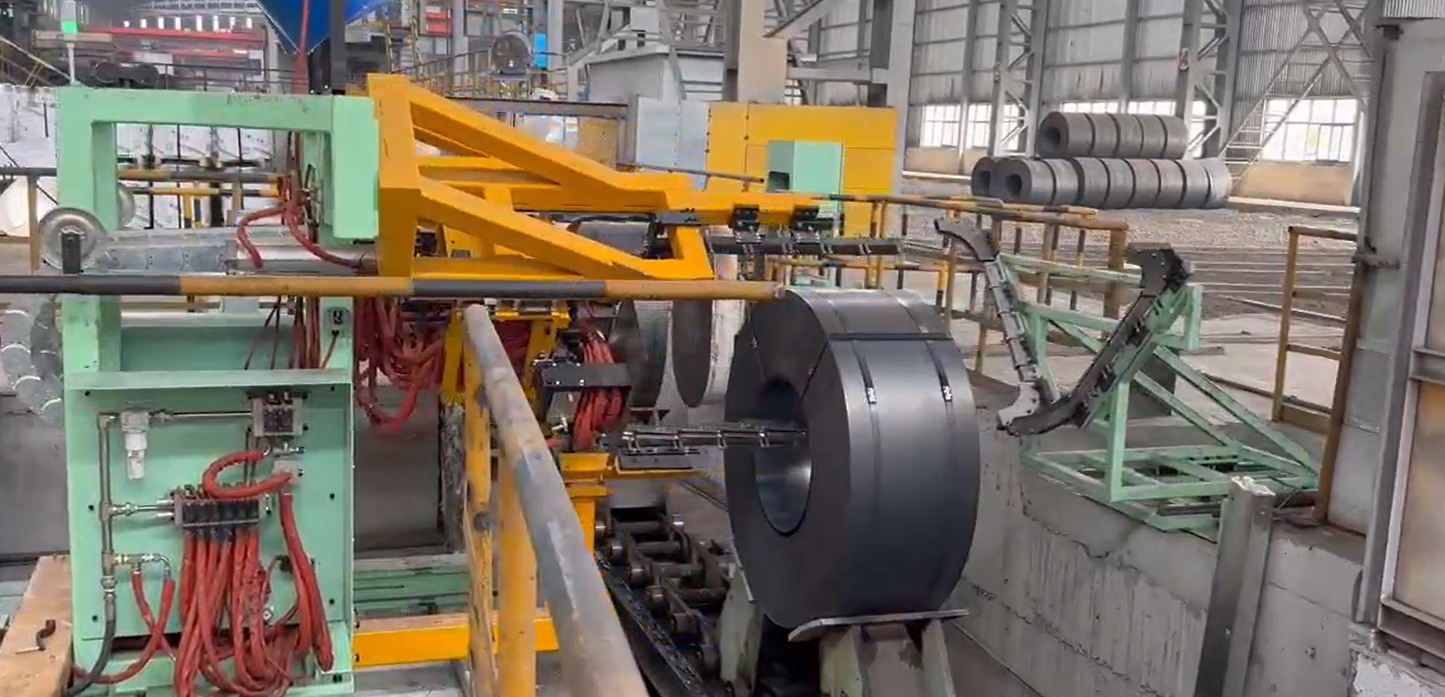
I have seen the impact of automation firsthand. In my early days, before I started FHOPEPACK, I worked on the factory floor. I witnessed the struggles. I saw the dangers of moving heavy coils by hand. It was clear that a better way was needed. That is why I became passionate about packing machines. When I built my own factory, safety was my number one priority. I knew that investing in automated coil strapping machines was not just about speed. It was about protecting my people and my products. It made the workplace safer. It also made our operations more profitable by cutting down on waste.
Eliminating High-Risk Manual Tasks
Traditional coil packing involves many high-risk tasks. Workers lift, shift, and secure heavy coils. They use hand tools. They climb around the product. These tasks can cause back injuries, crushed limbs, or falls.
- Automated Handling: Machines now handle the entire process. Coils move on conveyors. They get lifted by mechanical arms. This means workers do not need to touch the heavy product. This removes them from harm’s way. For example, a coil strapping machine automatically positions the strap. It applies tension. A worker just monitors the process from a safe distance.
- Reduced Human Error: Humans get tired. They can make mistakes. Machines follow precise programming every time. This reduces the chance of a dropped coil or a loose strap. It makes the whole process more reliable.
- Improved Ergonomics: Less physical strain on workers leads to fewer long-term health problems. This lowers your workers’ compensation claims. It also makes your team happier and more productive. A healthy team is a strong team.
Protecting Product Integrity Through Precision
Product damage is another hidden cost. Every dent, scratch, or bent edge costs you money. It also makes customers unhappy. In the steel industry, quality matters a lot. Damaged goods can lead to rejection and financial penalties.
- Consistent Strapping Tension: Manual strapping often has inconsistent tension. Some straps are too loose, others too tight. Loose straps let coils move. This causes damage. Too-tight straps can damage edges. Automated strapping machines apply the exact tension needed. They use load cells and feedback systems. This secures the coil without harming it.
- Smooth Material Flow: An integrated system moves coils without sudden stops or impacts. Conveyors and turntables guide the coil smoothly. This prevents bumps and scrapes. When I designed my factory, I paid close attention to material flow. I wanted every coil to move from one step to the next without a hitch. This attention to detail saved us a lot of money in the long run.
- Reduced Contact Points: In a manual process, coils are touched many times. Each touch point is a chance for damage. Automated systems reduce these contact points. They use specialized tools that interact with the coil minimally. This keeps the coil pristine until it reaches the customer.
By investing in an automated coil strapping solution, you are not just buying a machine. You are investing in a safer workplace. You are also protecting your valuable products. This leads to fewer losses and higher profits. It makes your factory more efficient and reliable.
What Key Features Should You Look for in an Inline Coil Strapping Machine for Australian Operations?
Are you planning to upgrade your packing line in Australia? Do you want to ensure your new coil strapping machine is the best fit? Choosing the right machine is critical. It determines your long-term efficiency and success. Knowing what features matter most is key.
For Australian operations, an inline coil strapping machine should offer robust construction for heavy industrial use, high automation levels to reduce labor, and versatility to handle various coil dimensions. It must also have precise tension control, user-friendly controls, and strong local after-sales support.

When I was building my own factory, I learned about equipment selection the hard way. I made mistakes. But I also learned what works. Australian factories, like many around the world, need tough, reliable machines. They need machines that can handle the harsh conditions of heavy industry. They also need solutions that save on labor costs. These costs are often higher in Australia. That means automation offers a great return on investment. I always looked for machines that were not just fast but also durable and smart.
Robustness and Durability for Heavy Industry
Steel mills and metal processing plants are demanding environments. Machines take a beating. Dust, heavy loads, and continuous operation test their limits.
- Heavy-Duty Construction: Look for machines made from high-strength steel. They should have robust frames and components. This ensures they can withstand the constant stress of heavy coil handling. Think about the motor and the moving parts. Are they built to last?
- Corrosion Resistance: Australian conditions can be harsh, especially near coastal areas or in environments with chemical exposure. Materials like stainless steel or specialized coatings help prevent rust. This extends the machine’s life. It reduces maintenance needs.
- Reliable Components: Check the quality of the internal parts. Are the sensors, motors, and electrical components from reputable brands? High-quality parts mean fewer breakdowns. They mean more uptime. I always insisted on the best components for my own machines.
Automation Levels and Integration Capabilities
The goal of inline integration is seamless flow. The strapping machine needs to talk to the wrapping machine and the palletizer.
- High Automation: The machine should automate as many steps as possible. This includes strap feeding, tensioning, sealing, and cutting. It also includes coil positioning. The less human interaction, the better for speed and safety.
- PLC Control Systems: A good machine has an advanced PLC (Programmable Logic Controller) system. This brain allows for precise control. It also allows for easy integration with other machines on your line. It can share data. This helps you manage your entire packing process from one point.
- Customization Options: Every factory is different. Look for suppliers who can customize the machine to your specific needs. This might mean different coil sizes, different strapping materials, or unique factory layouts. A flexible machine is a valuable asset.
Precision and Performance
The machine must do its job well. It needs to secure coils effectively. It also needs to be efficient.
- Accurate Strapping Tension: Consistent tension is vital. It keeps coils secure. It prevents damage. Look for machines with adjustable tension settings. They should also have feedback systems to ensure the right tension every time.
- High Speed and Throughput: For busy factories, speed matters. How many coils can it strap per hour? Can it keep up with your production line? This determines if it will solve your bottleneck problems.
- Ease of Maintenance: Machines need maintenance. Look for designs that make maintenance easy. Are parts easy to access? Does the supplier offer good technical support? This keeps your machine running with minimal downtime.
When choosing a coil strapping machine for your Australian operations, think about the long term. Consider its durability, its level of automation, and its precision. These features will ensure your investment pays off.
My Insights: Why a True Partner Matters More Than Just a Machine Supplier for Your Packing Line?
Have you ever bought equipment only to feel abandoned by the supplier once the sale was done? It is a frustrating experience. You need more than just a machine. You need someone who understands your challenges. You need a partner who will help you grow.
A true partner in the packing machine industry offers more than just equipment; they provide expert consultation, tailored solutions, comprehensive after-sales support, and a deep understanding of your operational challenges. They act as an extension of your team, ensuring your investment truly solves problems and drives growth.

From my own journey, from being an employee on the factory floor to building a successful packing machine factory, I learned a crucial lesson: the relationship with your supplier defines success. When I started FHOPEPACK, I knew I wanted to be different. I did not want to be just another vendor. I wanted to be a problem-solver. My aim was to give back to the industry that helped me achieve financial independence. I have seen clients grow their businesses because we worked together. They shared their pain points, and I shared my knowledge. This partnership approach leads to real, lasting solutions.
Understanding Your Unique Challenges
Every factory is different. Your production line, your coil types, and your specific bottlenecks are unique. A simple sales pitch will not solve complex issues.
- Deep Industry Knowledge: A true partner has spent years in the industry. They understand the nuances of coil packing, steel manufacturing, and logistics. They know what works and what does not. I have walked in your shoes, managing operations and facing daily pressures. This experience helps me see problems from your side.
- Problem Identification: They do not just wait for you to tell them what you need. They ask probing questions. They might visit your site or analyze your current processes. They help you pinpoint the real issues causing inefficiency or safety risks. They look beyond the surface. For example, a supplier might just quote a machine. A partner will ask about your current production rate, your injury logs, and your customer complaints about damaged goods. This helps them recommend the right solution.
- Tailored Solutions: There is no one-size-fits-all solution. A good partner customizes their recommendations. They might suggest a specific machine model. They might also suggest changes to your layout or workflow. They design a system that fits your exact needs.
Comprehensive Support Beyond the Sale
The machine is installed, but the journey does not end there. That is when a true partner proves their worth.
- Installation and Training: They ensure smooth installation. They also provide thorough training for your team. This means your workers can operate and maintain the machine safely and efficiently from day one. Proper training prevents future problems.
- Maintenance and Troubleshooting: Machines need regular service. They might have issues. A true partner offers quick and reliable support. They have skilled technicians ready to help. They also stock spare parts. This minimizes your downtime. When your machine stops, your whole line stops. That costs a lot of money. Having quick support is vital.
- Continuous Improvement: The industry changes. Your needs might change. A partner stays in touch. They offer upgrades or new solutions as your business evolves. They help you stay ahead. My goal is always to see my clients succeed in the long term.
Building Trust and Long-Term Relationships
Trust is earned, not given. It is built on consistent performance and honest advice.
- Honest Advice: A trusted partner tells you what you need to hear, not just what you want to hear. They advise you even if it means a smaller sale for them. Their focus is on your success. I always prioritize what is best for the client.
- Reliability: They deliver on their promises. If they say a machine will do something, it does. If they promise support, they provide it. This reliability builds a strong relationship over time.
- Shared Success: When you succeed, your partner succeeds. They are invested in your growth. This shared goal creates a powerful alliance. I have always believed that helping my clients grow their businesses is the best way to grow my own.
Choosing a packing machine supplier is a big decision. Choose a partner who understands your challenges and helps you overcome them. Choose someone who stands by you long after the sale. This is the FHOPEPACK way.
Conclusion
Finding the best coil strapping machine for inline integration in Australia means focusing on automation, safety, and a reliable partner. It improves your factory’s efficiency, protects your workers, and boosts your bottom line. Investing wisely pays off.








