
What to Look for in an Automatic Coil Packing Machine Supplier?
Imagine your factory floor. You’re constantly pushing for higher output, battling tight deadlines, and trying to keep costs down. Then you hit a wall: your packing line. It’s slow, relies on too much manual labor, and frankly, it’s risky. Product gets damaged, workers face hazards, and your entire operation slows down right at the finish line. This is a common pain point I’ve seen in countless factories, and it’s a problem that an unreliable packing machine supplier will only make worse. The wrong choice can cost you millions in lost production and endless headaches.
Finding the right automatic coil packing machine supplier is not just about buying equipment; it is about securing a trusted partner who truly understands the unique pressures of heavy industry, aiming to boost your efficiency, enhance safety, and protect your products. A good supplier offers robust machinery, but a great one provides comprehensive solutions that drive tangible returns on investment and support your long-term operational goals. They become an extension of your team, dedicated to solving your most pressing production challenges.
You’re here because you know the stakes are high. You need more than just a machine; you need a solution that works, day in and day out, without fail. As someone who started from the factory floor and built a successful packing machine business, I understand these demands deeply. Let’s dive into what truly makes a supplier stand out in the complex world of automatic coil packing.
1. Does a Supplier Truly Understand My Operational Challenges and Goals?
Running a busy metal processing plant means dealing with constant pressure. You are responsible for everything, from the moment raw materials enter the gate until finished products leave. For managers like Michael in Mexico, a factory manager overseeing significant operations, this means juggling output targets, cost controls, and safety regulations daily. He needs equipment that can handle intense, demanding environments. He needs a supplier who understands his world.
A top-tier automatic coil packing machine supplier does more than just sell machinery; they act as a true industry partner, demonstrating a deep understanding of your specific factory challenges, production bottlenecks, and long-term business objectives. They invest time in comprehending your unique operational environment, from existing manual processes to safety concerns and product damage risks, ensuring their proposed solutions precisely align with your goals for increased automation and efficiency.

Why a Deep Understanding Matters for Your Operations
When I first started in the packing machine industry, I quickly learned that every factory has its own heartbeat, its own set of rhythms and challenges. What works perfectly in one plant might be a disaster in another. This is why a supplier’s ability to listen and truly grasp your situation is critical. It’s not just about selling a generic machine; it’s about providing a tailor-made solution that fits your specific needs, especially when you are dealing with heavy items like steel coils or wire.
-
Identifying Core Problems:
- Efficiency Bottlenecks: Is your current manual steel coil packing too slow? Does it create a backlog for your entire production line? A good supplier will ask about your current throughput, cycle times, and how human error impacts your speed. They should be looking for ways to streamline your
coil packaging process. - Safety Hazards: Manual handling of heavy steel coils is incredibly dangerous. I have seen too many injuries occur on factory floors simply because the right automated equipment wasn’t in place. A supplier should focus on reducing manual interaction, understanding that
worker safety solutionsare paramount. - Product Damage: Are the edges of your steel coils getting dinged during internal transfers or manual strapping? This leads to customer complaints and financial losses. The supplier needs to propose solutions that minimize
product spoilage during handling. - High Labor Costs: Relying on too many people for repetitive, heavy tasks is inefficient and expensive. They should show you how their automated solutions can reduce
manual labor expenditure.
- Efficiency Bottlenecks: Is your current manual steel coil packing too slow? Does it create a backlog for your entire production line? A good supplier will ask about your current throughput, cycle times, and how human error impacts your speed. They should be looking for ways to streamline your
-
Aligning with Your Strategic Goals:
- Increasing Automation: You want to move away from manual labor. A supplier should present a clear pathway to
factory automation implementation, showing how their machines integrate into your existing setup. - Improving Safety Standards: Your goal is to send every worker home safe. The supplier’s proposal must clearly address
industrial safety improvements, focusing on reducing heavy lifting and hazardous tasks. - Driving Cost Reduction: You need to see a return on your investment. They should explain how their machine will cut
operational expenditure, reduce waste, and improveprofitability for metal processing. - Seeking Expert Partnership: Michael, for example, isn’t just looking for a vendor; he needs a true partner with deep industry experience. I built my own factory from the ground up, so I know the value of practical, hands-on knowledge. A supplier should offer this kind of
expert guidance in packing solutions, not just a sales pitch.
- Increasing Automation: You want to move away from manual labor. A supplier should present a clear pathway to
A supplier who understands these points is more likely to propose a system that truly solves your problems and helps you achieve your business objectives, making your steel industry operations smoother and safer.
2. How Can a Supplier Ensure Their Automatic Coil Packing Machines Are Reliable and Efficient?
The heartbeat of any metal processing plant is its production line. If one part falters, the whole system suffers. For factory managers, equipment reliability is not a luxury; it’s a necessity. Every minute of downtime on an automatic coil packing machine means lost production, delayed shipments, and significant financial setbacks. You need machines that are built to last and perform consistently under the toughest conditions.
A reputable automatic coil packing machine supplier guarantees reliability and efficiency by utilizing high-quality components, robust engineering for demanding industrial environments, and rigorous testing protocols for their equipment. They demonstrate proven machine longevity in similar heavy-duty applications and offer transparent data on their equipment’s operational performance, ensuring minimal downtime and maximum throughput for your industrial packaging needs.
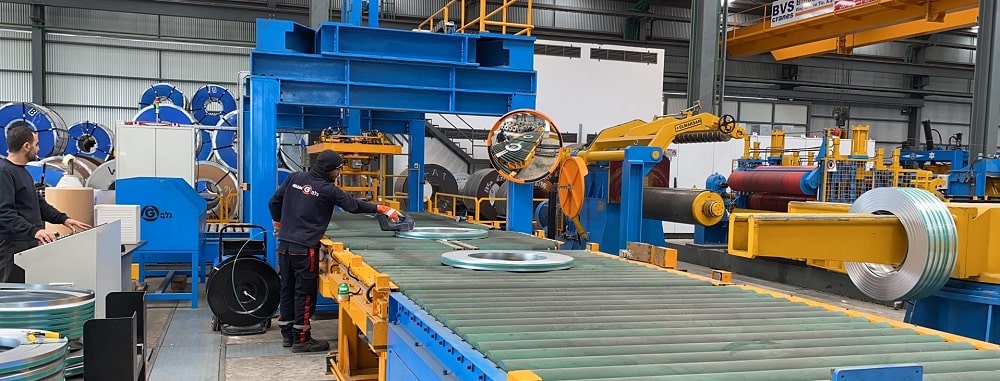
Building Trust Through Durable Design and Proven Performance
From my years of working in and running packing machine factories, I’ve learned that durability isn’t just a buzzword; it’s the foundation of a successful operation. The machines need to withstand constant use, heavy loads, and sometimes even harsh environmental conditions. When a supplier talks about reliability, they should be able to back it up with specifics.
-
Robust Construction and Materials:
- Heavy-Duty Frame: Is the machine built with a strong, industrial-grade steel frame? It needs to handle the weight and dynamic forces of
heavy steel coil packaging. - Quality Components: What brands of motors, sensors, and control systems do they use? Look for reputable manufacturers known for their durability and availability of spare parts. This is crucial for
packing machine longevity. - Wear Resistance: For parts that interact directly with coils, like guides or rollers, are they made from wear-resistant materials to prevent premature failure? This directly impacts
equipment maintenance costs.
- Heavy-Duty Frame: Is the machine built with a strong, industrial-grade steel frame? It needs to handle the weight and dynamic forces of
-
Engineered for Efficiency:
- High Throughput: What is the machine’s actual packing speed in coils per hour? Does it match your desired production rate for
high-speed coil wrapping? - Automated Processes: How much human intervention is required? A truly efficient machine should automate tasks like coil positioning, wrapping, and strapping to reduce
labor dependency in packaging. - Energy Consumption: What are the power requirements? Efficiency also includes reducing operational costs through
energy-saving industrial machinery.
- High Throughput: What is the machine’s actual packing speed in coils per hour? Does it match your desired production rate for
-
Testing and Quality Assurance:
- Factory Acceptance Testing (FAT): Do they invite you to witness the machine in action at their facility before shipment? This is a critical step for
pre-delivery equipment validation. - Site Acceptance Testing (SAT): Do they offer support during installation and initial operation at your plant? This ensures the machine performs as expected in your
real-world production environment. - Certifications: Does the equipment meet international safety and quality standards (e.g., CE, ISO)? This confirms their commitment to
quality manufacturing standards.
- Factory Acceptance Testing (FAT): Do they invite you to witness the machine in action at their facility before shipment? This is a critical step for
It’s not enough for a supplier to just say their machines are reliable. They must demonstrate it through their design principles, the components they choose, and their rigorous testing procedures. This is how they earn your trust and ensure your automatic steel packaging operations run smoothly.
3. What Kind of After-Sales Support and Expertise Should a Top Supplier Offer?
Michael’s past experiences with suppliers left him wary. He’s encountered vendors who are great at closing a sale but disappear once the machine is on the factory floor. This kind of “hit-and-run” approach is a nightmare for any operations manager. When a complex automatic coil packing machine needs attention, you need immediate, knowledgeable support, not an answering machine.
An excellent automatic coil packing machine supplier distinguishes itself through comprehensive and responsive after-sales support, including readily available technical assistance, a robust spare parts supply chain, and proactive maintenance programs. They provide expert training for your staff and offer ongoing consultation, acting as a genuine long-term partner committed to maximizing your packing equipment uptime and ensuring the continuous, optimal performance of your investment.

Beyond the Sale: The True Mark of a Partner
When I first started FHOPEPACK, I knew that building long-term relationships was key. My own journey from employee to factory owner taught me the immense value of reliable support. It is not just about fixing problems; it is about preventing them and helping clients grow. A supplier’s after-sales service reflects their commitment to your success, not just their sales targets.
-
Technical Support and Troubleshooting:
- Availability: Is their technical team accessible when you need them? Do they offer 24/7 support or specific hours? What response times can you expect for
urgent technical assistance? - Remote Diagnostics: Can they remotely access and diagnose issues with the machine? This can save valuable time and money for
remote packing machine troubleshooting. - On-Site Service: Do they have field technicians who can visit your factory for complex repairs or maintenance? Especially for
heavy industrial machinery repair, on-site support is invaluable.
- Availability: Is their technical team accessible when you need them? Do they offer 24/7 support or specific hours? What response times can you expect for
-
Spare Parts and Maintenance:
- Parts Availability: Do they keep a healthy inventory of common spare parts? How quickly can they ship critical components to your location? Delays in parts mean prolonged downtime for your
automatic packaging equipment. - Recommended Spares List: Do they provide a list of recommended spare parts to keep on hand? This helps you minimize
packing machine spare parts inventoryand avoid unexpected stoppages. - Preventative Maintenance Programs: Do they offer service contracts or guidance on regular maintenance schedules? Proactive maintenance is key to
extending equipment lifespan.
- Parts Availability: Do they keep a healthy inventory of common spare parts? How quickly can they ship critical components to your location? Delays in parts mean prolonged downtime for your
-
Training and Knowledge Transfer:
- Operator Training: Do they provide thorough training for your operators on how to use the machine safely and efficiently? This is crucial for
new equipment operational efficiency. - Maintenance Training: Do they train your maintenance team on basic troubleshooting and routine maintenance tasks? Empowering your team reduces your reliance on external support for
in-house machine maintenance capabilities. - Documentation: Is the user manual clear, comprehensive, and available in your language? Good documentation is essential for
effective equipment management.
- Operator Training: Do they provide thorough training for your operators on how to use the machine safely and efficiently? This is crucial for
A supplier who invests in robust after-sales support is essentially investing in your long-term operational success. They become the true expert partner you can rely on to keep your industrial coil packing line running smoothly and efficiently.
4. Can a Supplier Help Me Achieve a Clear ROI and Reduce Overall Costs?
In any manufacturing business, every investment must justify itself. For Michael, putting money into a new automatic coil packing machine is not just an expense; it is a strategic decision. He needs to see a clear return on investment (ROI). This means not only reducing manual labor costs but also minimizing product damage and improving overall efficiency to boost the factory’s bottom line.
A top automatic coil packing machine supplier provides compelling evidence of cost savings and improved profitability, offering detailed ROI calculations based on reduced labor, minimized product damage, and increased operational throughput. They collaborate to analyze your current costs, project future savings, and demonstrate how their automated packaging solutions directly contribute to your factory’s financial success and competitive advantage.

Quantifying the Benefits: Beyond the Purchase Price
When I consult with clients, whether they are just starting or looking to scale, I always emphasize the financial impact of their equipment choices. It is not just about the initial purchase price; it is about the total cost of ownership and the revenue generated. A good supplier helps you understand this full picture for your coil packing automation investment.
-
Labor Cost Reduction:
- Reduced Headcount: How many workers can be reallocated or whose tasks can be eliminated by the automation? This is a direct saving in
packaging labor costs. - Overtime Savings: Does the machine reduce the need for overtime due to faster processing?
Overtime reduction in manufacturingdirectly impacts profitability. - Fewer Injuries: Automation means less manual handling, leading to fewer workplace injuries. This reduces
worker's compensation costsand boosts morale.
- Reduced Headcount: How many workers can be reallocated or whose tasks can be eliminated by the automation? This is a direct saving in
-
Product Damage Minimization:
- Reduced Waste: Manual handling often leads to damage to delicate coil edges or surfaces. Automated systems handle products more consistently and gently, leading to
decreased product loss. - Fewer Returns/Complaints: Less damage means happier customers and fewer costly returns or claims. This positively impacts your
customer satisfaction and retention. - Material Savings: Optimizing material usage for wrapping and strapping can also lead to
packaging material cost savings.
- Reduced Waste: Manual handling often leads to damage to delicate coil edges or surfaces. Automated systems handle products more consistently and gently, leading to
-
Efficiency and Throughput Gains:
- Increased Production Speed: Can the automatic machine process coils much faster than manual methods? This directly increases your
production line output. - Consistent Quality: Automated systems apply wrapping and strapping with consistent tension and placement, ensuring a higher quality, more secure package every time, which improves
packaging quality control. - Reduced Lead Times: Faster packing means your products are ready for shipment sooner, improving
order fulfillment speed.
- Increased Production Speed: Can the automatic machine process coils much faster than manual methods? This directly increases your
A supplier should be able to sit down with you, analyze your current operating costs, and provide a clear, data-driven projection of your potential ROI on packaging machinery. They should highlight how their solution will not only streamline operations but also directly contribute to your factory’s overall profitability improvement. This commitment to demonstrating tangible financial benefits is a hallmark of a truly valuable partner in the heavy industry packaging sector.
Conclusion
Choosing an automatic coil packing machine supplier is a critical strategic decision for any factory manager aiming to boost efficiency and safety. The right partner offers not just reliable machinery but also deep industry understanding, comprehensive support, and clear financial benefits. By prioritizing these factors, you ensure your investment drives significant returns and long-term success for your steel coil packing line.








