
Why Are Manufacturers in Southeast Asia Driving the Demand for Automatic Coil Packing Machines?
Have you ever faced a bottleneck at the very end of your production line, where all the hard work creating quality steel coils or wire gets slowed down by manual, inefficient processes? It’s a common struggle, one I’ve seen countless times in my journey from a packing machine factory employee to owning my own successful operation. The pressure to meet deadlines, control costs, and maintain safety is immense, especially in a rapidly growing region like Southeast Asia.
The rising industrial tide in Southeast Asia is creating an urgent need for advanced manufacturing solutions, particularly automatic coil packing machines. This demand is fueled by the region’s robust economic growth, increasing production volumes, a competitive global market, and a critical drive to enhance operational efficiency, worker safety, and product quality within heavy industries like steel and metal processing.
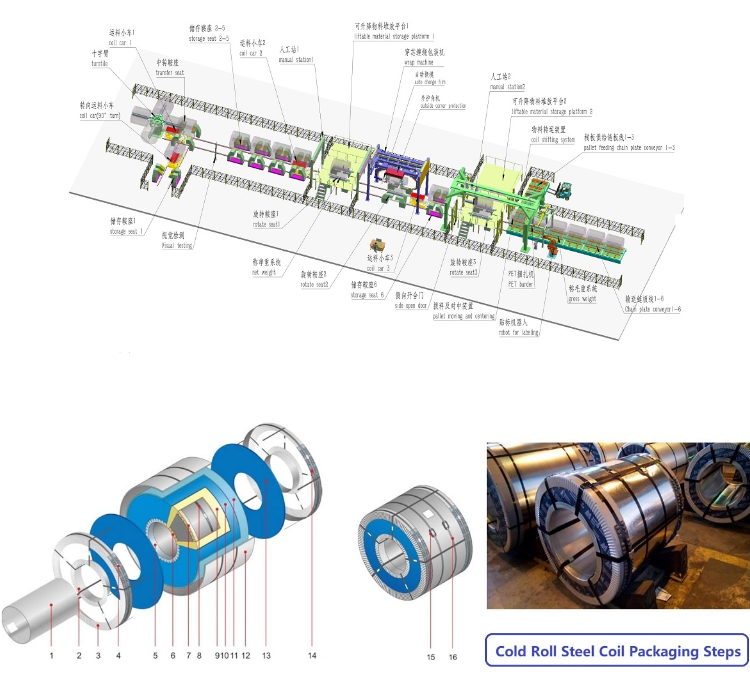
This isn’t just about buying new equipment; it’s about transforming the backbone of your factory’s output. If you’re looking to understand this shift and how it directly impacts your operations, keep reading. I’ll share my insights into why this change is happening and how the right automation can be a game-changer for your business.
1. What Challenges Are Driving Southeast Asian Industries Towards Automated Coil Packing?
Are you feeling the squeeze from rising labor costs, persistent safety concerns, and the relentless pressure to increase output while maintaining quality? Many factory managers I talk to in Southeast Asia are grappling with these exact issues. The region’s manufacturing landscape is evolving fast, and traditional manual packing methods are simply no longer sustainable.
The primary challenges compelling Southeast Asian manufacturers to adopt automated coil packing include the escalating costs and availability of skilled labor, critical workplace safety hazards associated with manual heavy lifting, significant production bottlenecks at the end of the line, and the increasing risk of product damage during handling. These issues collectively hinder competitive growth and operational efficiency.
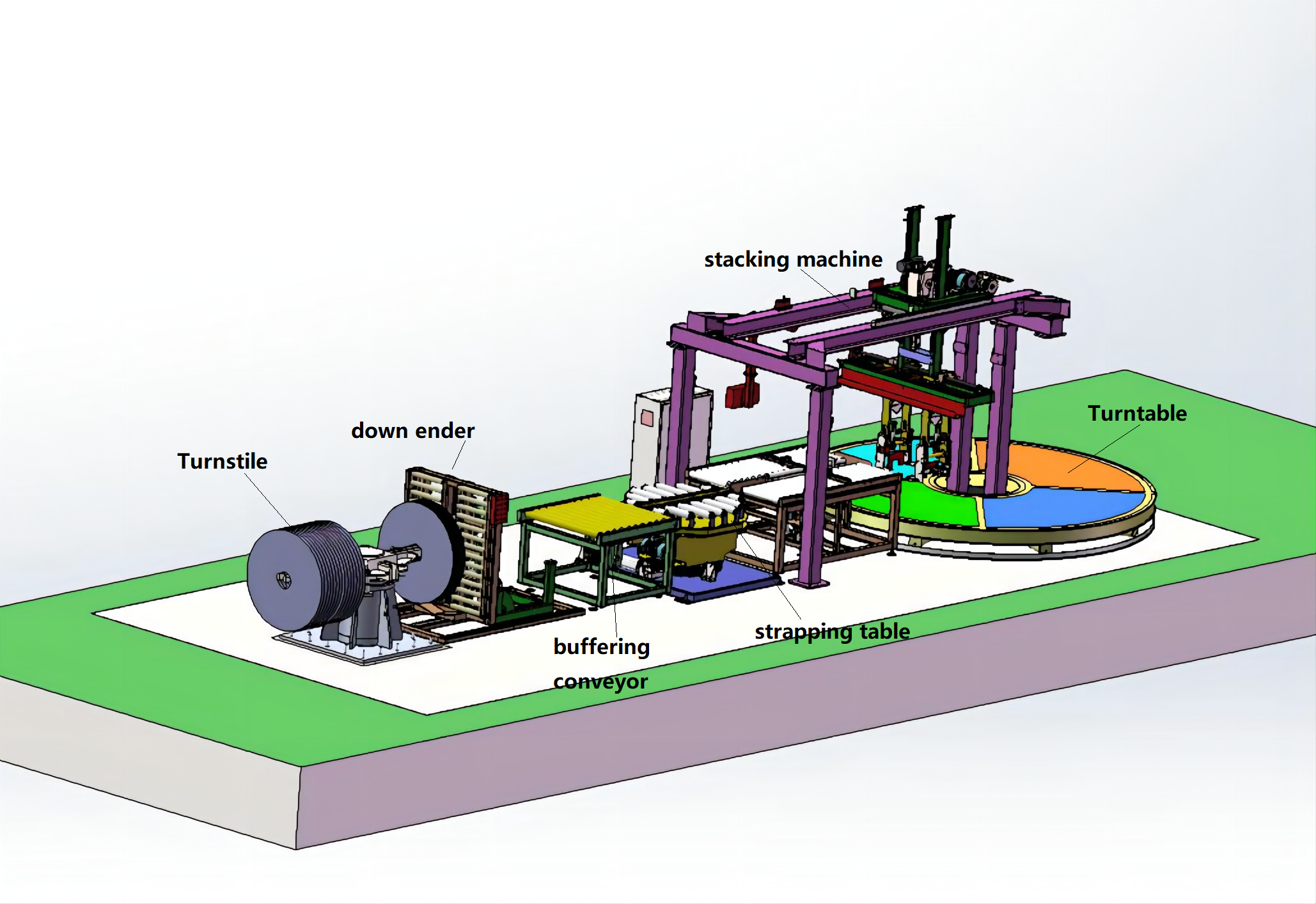
When I first started in the packing machine industry, manual labor was the norm. We relied on people for almost every step. But as businesses grew and competition intensified, I quickly learned that manual processes, especially for heavy and repetitive tasks like coil packing, create significant vulnerabilities. It’s not just about speed; it’s about the bigger picture: your workforce, your safety record, and ultimately, your bottom line. I’ve personally seen how factories struggled to scale because their packing process was the slowest link.
The Mounting Pressures on Southeast Asian Factories:
The industrial sector in Southeast Asia is booming, with countries like Vietnam, Indonesia, Thailand, and Malaysia becoming manufacturing hubs. However, this growth brings its own set of challenges, pushing businesses to rethink their strategies.
-
Labor Scarcity and Rising Wages:
- Problem: As economies develop, the younger generation often seeks less physically demanding jobs. This leads to a shrinking pool of available labor for heavy industrial tasks. Additionally, minimum wages are steadily rising across the region.
- Impact: Higher operational costs, difficulty in scaling production, and increased training expenses for new, often temporary, staff. 📈 (Labor Costs Increasing)
- (long-tail keywords: skilled labor shortage Southeast Asia, rising manufacturing wages ASEAN, labor cost reduction strategies)
-
Persistent Safety Hazards:
- Problem: Manually handling heavy steel coils or wire bundles is inherently dangerous. Workers face risks of crush injuries, strains, and accidents involving forklifts or cranes.
- Impact: High rates of workplace accidents, increased insurance premiums, potential legal liabilities, and a negative impact on employee morale and retention. 🚨 (Workplace Safety Concerns)
- (long-tail keywords: heavy industry safety standards, manual handling risks metal coils, reducing industrial accidents)
-
Efficiency Bottlenecks and Production Delays:
- Problem: Manual packing is slow and inconsistent. It often cannot keep pace with the high-speed output of upstream production lines, creating a bottleneck that reduces overall factory throughput.
- Impact: Delayed shipments, missed delivery deadlines, reduced customer satisfaction, and a lower return on investment for high-capacity production machinery. 🐢 (Production Bottleneck Resolution)
- (long-tail keywords: optimizing production flow, overcoming packing line bottlenecks, increasing factory throughput)
-
Product Damage and Quality Control:
- Problem: Human error during manual handling and packaging can lead to scratches, dents, or edge damage on sensitive coil materials.
- Impact: Increased waste, customer complaints, returns, and damage to the company’s reputation and profitability. Every damaged coil is a direct hit to the bottom line. 💔 (Product Quality Assurance)
- (long-tail keywords: preventing steel coil damage, maintaining product integrity during shipping, quality control in metal processing)
These pressures aren’t isolated incidents; they form a complex web that can stifle growth and competitiveness. Solving them requires a strategic shift, and that’s where automated solutions become not just an option, but a necessity for forward-thinking manufacturers in the region.
2. How Do Automatic Coil Packing Machines Deliver Significant Operational Benefits and Enhance Profitability?
Are you constantly searching for ways to boost your factory’s output, cut down on unnecessary costs, and ensure your products reach customers in perfect condition? Automated coil packing machines aren’t just about faster wrapping; they offer a comprehensive solution that directly impacts your operational efficiency and, more importantly, your profitability.
Automatic coil packing machines significantly enhance factory operations by dramatically improving packing speed and consistency, drastically reducing manual labor requirements and associated costs, minimizing the risk of workplace injuries, ensuring superior product protection, and allowing for higher overall production throughput. These combined benefits lead directly to increased profitability and a stronger competitive edge in the market.
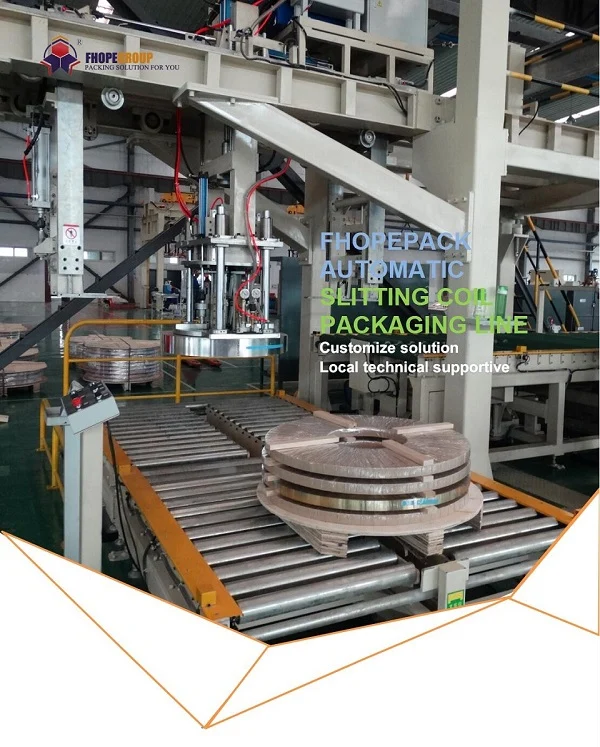
When I engineered solutions for my clients, one of the most satisfying parts was seeing their operations transform. A manager once told me how they used to dread the end of the month, knowing the packing line would be a frantic, error-prone mess. After implementing automation, they saw a complete turnaround – calm, efficient, and consistent. This kind of transformation is what helped me achieve financial independence, by helping others succeed. It’s about providing robust solutions that truly make a difference.
Transforming Your Factory: Manual vs. Automatic Packing
Let’s break down the tangible benefits by comparing the traditional manual approach with modern automatic coil packing. The difference is stark and the return on investment (ROI) is often surprisingly quick.
| Feature | Manual Coil Packing | Automatic Coil Packing | Impact on Factory Operations & Profitability |
|---|---|---|---|
| Packing Speed | Slow and inconsistent, highly dependent on worker pace. | Fast and consistent, significantly higher throughput. | 🚀 Increased Production: Meets higher demand, reduces backlogs, faster time to market. |
| Labor Cost | High, requires multiple operators per shift. | Lowers direct labor costs, frees staff for other tasks. | 💰 Cost Savings: Reduced wages, benefits, and training expenses; improved labor utilization. |
| Safety | High risk of injuries from heavy lifting/handling. | Minimizes human interaction with heavy coils, safer environment. | ✅ Enhanced Safety: Fewer accidents, lower insurance premiums, improved employee well-being and retention. |
| Product Quality | Prone to human error, potential for damage (scratches, dents). | Precise and consistent wrapping, superior protection. | ✨ Reduced Damage: Fewer customer complaints, less waste, improved brand reputation, higher customer satisfaction. |
| Material Usage | Varies, potential for inconsistent wrap leading to excess material. | Optimized material usage, consistent tension and overlap. | ♻️ Efficiency: Reduced packaging material waste, leading to direct cost savings. |
| Space Utilization | Requires space for manual operations, staging areas. | Compact footprints, optimized for flow, less staging needed. | 📐 Optimized Layout: Better use of floor space, potentially higher capacity in the same area. |
| Scalability | Difficult to scale up quickly without adding more labor. | Easy to integrate with upstream processes, scales with demand. | 📈 Growth Potential: Supports business expansion without proportional increases in labor. |
| Operational Hours | Limited by shift schedules, breaks, and fatigue. | Can operate continuously, 24/7 if needed. | ⏰ Maximized Uptime: Consistent output, ideal for demanding production schedules. |
This table clearly illustrates why many factory managers, like Michael in Mexico, prioritize finding solutions that directly address these core operational aspects. The shift to automation isn’t just about getting a machine; it’s about investing in a more efficient, safer, and ultimately more profitable future for your business. It allows you to focus on growth and innovation, rather than constantly putting out fires caused by manual inefficiencies.
3. What Key Features Should I Prioritize When Selecting an Automatic Coil Packing Machine for Demanding Industrial Environments?
Are you in a tough industrial setting where machinery needs to withstand constant use, heavy loads, and sometimes harsh conditions? Choosing an automatic coil packing machine isn’t just about finding one that works; it’s about finding one that endures. I’ve learned from years of factory experience that robustness and reliability are non-negotiable for real-world operations.
When selecting an automatic coil packing machine for demanding industrial environments, you must prioritize features such as heavy-duty construction for durability, high-precision wrapping and tension control for consistent product quality, flexible customization options to fit diverse coil sizes and production needs, intuitive control systems for ease of operation and integration, and a design that facilitates easy maintenance and access for servicing. These features ensure long-term reliability and optimal performance.
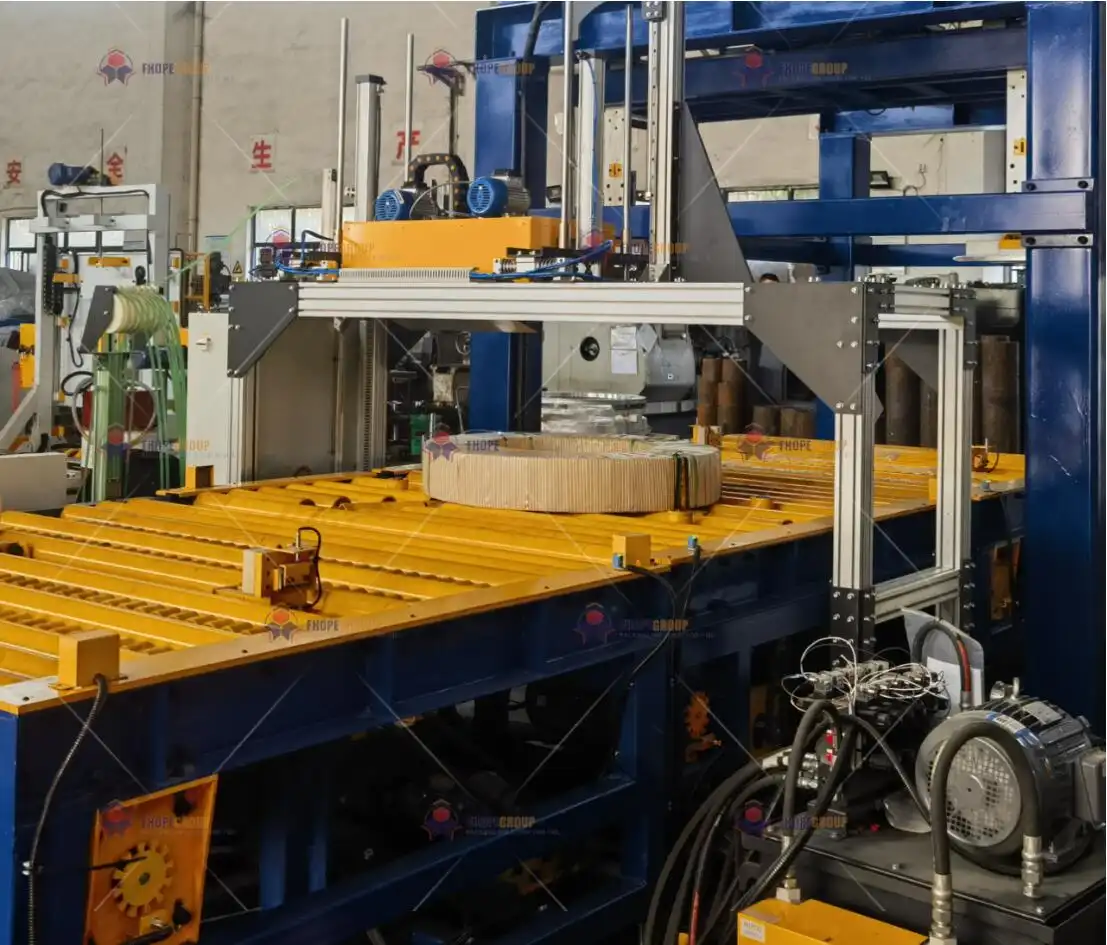
I remember one instance where a client invested in a seemingly good deal, only to have the machine break down repeatedly within months due to flimsy components. It ended up costing them far more in downtime and repairs than they saved initially. That experience solidified my belief: always invest in quality and choose a partner who understands the rigors of heavy industry. You need equipment that can keep up with the demands of your factory, not the other way around.
Essential Features for Robust Coil Packing Solutions:
In environments like steel mills or metal processing plants, where Michael operates, equipment is pushed to its limits. Therefore, every component of an automatic coil packing machine must be designed with resilience and performance in mind.
-
1. Heavy-Duty Construction and Durability:
- Why it matters: Coil packing machines handle immense weights and operate continuously. Weak frames or components will lead to premature failure and costly downtime.
- Look for: Robust steel frames, high-quality industrial-grade components, wear-resistant materials, and a design built for continuous operation under heavy loads. This ensures the machine can withstand the daily grind of a busy factory floor.
- ⚙️ Key phrase: industrial-grade construction, durable coil packaging, heavy-duty machine design
-
2. Precision Wrapping and Tension Control:
- Why it matters: Consistent tension and overlap are crucial for protecting coils from damage during transit and storage. Uneven wrapping can lead to material waste or inadequate protection.
- Look for: Advanced tension control systems (e.g., automatic film tension adjustment), precise wrapping mechanisms, and options for various packaging materials (stretch film, VCI paper, woven fabric). This guarantees optimal product protection and material efficiency.
- 🎯 Key phrase: precise coil wrapping, automatic tension control, consistent packaging quality
-
3. Versatility and Customization Options:
- Why it matters: Factories often handle a range of coil sizes, weights, and types (e.g., steel coils, aluminum coils, copper coils, wire bundles). A machine needs to adapt.
- Look for: Adjustable parameters for coil diameter and width, different strapping and wrapping configurations, and the ability to integrate into existing production lines. Customization ensures the machine meets specific factory needs.
- 🛠️ Key phrase: versatile coil packaging solutions, custom packing machine, adaptable for various coil sizes
-
4. User-Friendly Control Systems and Smart Integration:
- Why it matters: Complex systems can lead to operational errors and require extensive training. Modern factories need machines that are easy to operate and can communicate with other systems.
- Look for: Intuitive Human-Machine Interfaces (HMIs), clear diagnostic displays, programmable logic controllers (PLCs), and options for data logging and remote monitoring. Easy integration into a broader factory automation system (Industry 4.0 ready) is also a significant plus.
- 🧠 Key phrase: intuitive HMI packing machine, smart factory integration, PLC control systems
-
5. Ease of Maintenance and Accessibility:
- Why it matters: Even the most robust machines require routine maintenance. Difficult access or proprietary parts can lead to extended downtime.
- Look for: Modular design, easily accessible components for routine checks and repairs, clear maintenance schedules, and readily available spare parts. A responsive after-sales service and technical support are also critical.
- 🔧 Key phrase: low maintenance packing machine, accessible machine components, reliable after-sales support
Choosing a machine with these core features means you’re not just buying equipment; you’re investing in a reliable, long-term solution that will contribute to your factory’s efficiency, safety, and ultimately, its profitability. It’s about ensuring that your packing line is as strong and dependable as the products it protects.
4. How Can FHOPEPACK Help Southeast Asian Factories Seamlessly Transition to Automated Coil Packing?
Are you a factory manager in Southeast Asia who knows automation is the future but feels overwhelmed by the complexity of choosing and implementing the right system? Many of my clients initially feel this way. They’ve been burned by vendors who only care about the sale, not the solution. This is precisely why FHOPEPACK exists—to be your trusted partner, not just a supplier.
FHOPEPACK is uniquely positioned to assist Southeast Asian factories in their transition to automated coil packing by leveraging Randal Liu’s deep industry expertise, offering a knowledge-sharing platform for informed decision-making, providing tailored solutions designed for specific production needs, and acting as a reliable, long-term partner committed to operational excellence and business growth. We focus on understanding your specific challenges to deliver impactful, sustainable automation.
My entire journey, from working on the factory floor to establishing my own successful packing machine factory, has been about understanding the real-world problems businesses face. I know the pain points Michael talks about – the production bottlenecks, the safety hazards, the product damage. That experience, particularly with coil packing and steel wire packing, is what I bring to FHOPEPACK. We are more than just a brand; we are a knowledge-sharing platform dedicated to empowering manufacturers like you. I’ve personally helped many clients grow their businesses, and I’m committed to giving back by sharing that expertise.
FHOPEPACK’s Approach: Your Partner in Automation:
Our mission extends beyond selling machines; it’s about building lasting relationships and empowering your team with the knowledge and tools needed for success.
-
1. Deep Industry Expertise (Randal’s Story):
- Our Value: I, Randal Liu, have walked in your shoes. I’ve designed, built, and operated packing machine factories. This firsthand experience means we understand your operational pain points and can offer practical, proven solutions. We don’t just sell equipment; we sell solutions based on real-world understanding.
- 📚 Benefit: Expert consultation, practical solutions, experienced guidance.
- 💡 Insight: “I remember optimizing a coil packing line for a client in Vietnam. Their biggest hurdle was integrating the new machine with their existing conveyor system. My team and I worked closely with them, modifying our machine’s interface and their line, ensuring a smooth, seamless transition. That project went on to boost their packing speed by 40%.”
-
2. Tailored Solutions, Not Just Products:
- Our Value: We know one size doesn’t fit all. We take the time to analyze your specific production environment, coil types, volume, and existing infrastructure. We then propose customized automatic coil packing lines that precisely meet your requirements and integrate seamlessly into your operations.
- ⚙️ Benefit: Customized equipment, optimal integration, maximum efficiency.
- ✅ Process: Needs Assessment ➡️ Solution Design ➡️ Customization ➡️ Implementation.
-
3. Focus on ROI and Long-Term Value:
- Our Value: Your investment needs to pay off. We emphasize solutions that offer clear returns through reduced labor costs, increased safety, minimized product damage, and enhanced efficiency. We help you build a business case for automation.
- 💰 Benefit: Cost-effective solutions, improved profitability, measurable ROI.
- 📊 Example ROI factors:
- Reduced labor hours (e.g., from 4 workers to 1 operator per shift)
- Decreased material waste (e.g., 5-10% reduction)
- Eliminated injury-related costs (e.g., medical, insurance, downtime)
- Increased throughput (e.g., 20-50% faster packing speed)
-
4. Comprehensive Support and Knowledge Sharing:
- Our Value: Transitioning to automation requires support. FHOPEPACK provides extensive after-sales service, technical support, training for your team, and a wealth of online resources (our knowledge-sharing platform) to ensure you maximize your investment. We are here for the long haul.
- 🤝 Benefit: Reliable after-sales, operator training, continuous improvement.
- 📞 Support Includes: Installation guidance, troubleshooting, spare parts availability, operational best practices.








