
What Technical Features Should UK Engineers Look for When Selecting an Orbital Wrapping Machine?
UK factories are always pushing for higher output and lower costs. But, many engineers struggle with old packing methods. These methods slow down production, cost a lot in labor, and often damage products. This leads to big headaches and lost profits. You know this problem well.
When UK engineers select an orbital wrapping machine, they should look for key technical features like robust construction, high-speed wrapping capabilities, precise tension control, advanced safety interlocks, and intelligent automation systems. These features ensure efficiency, product protection, and operator safety, which are vital for modern industrial settings.

My journey in the packing machine world, from an employee to owning FHOPEPACK, has shown me what truly works. I have seen how the right machine changes a business. Let me share some deep insights into how to pick the best orbital wrapping machine for your UK factory. We will look at the exact features that make a real difference.
How Does Machine Design Impact Production Efficiency and Speed?
Slow packing lines can kill your production goals. Many UK factories face this. They use old methods or machines that just cannot keep up. This creates bottlenecks. It slows down everything, from making the product to getting it out the door. Are you tired of delays and missed deadlines?
Machine design impacts production efficiency and speed through features like automatic loading and unloading systems, variable speed drives, robust ring-gear designs for high rotation, and integrated conveying solutions. These elements reduce manual intervention, shorten cycle times, and allow for continuous, high-throughput operations.
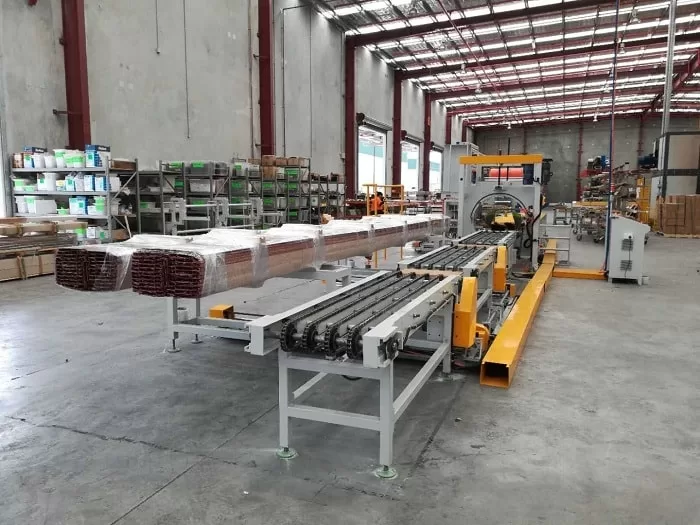
When I first started FHOPEPACK, I saw many factories losing money because of slow packing. The right machine design changes everything. UK engineers need to look at specific parts of an orbital wrapper to boost speed and efficiency. It is not just about how fast the ring spins.
Key Design Features for High Efficiency
- Automatic Loading and Unloading Systems: A good orbital wrapper should load and unload products automatically. This removes the need for workers to place or remove items by hand. For example, a heavy steel coil takes a long time to position by hand. An automatic system with integrated conveyors or robotic arms makes this much faster. This also reduces worker fatigue. It keeps the flow of products smooth and constant. My clients often see big jumps in output when they move to full automation here.
- Variable Speed Control: The machine must have a motor that can change its speed easily. This means it can wrap different product types and sizes at their best speed. For a delicate item, you might want a slower wrap. For a sturdy steel beam, you can go faster. This flexibility means you do not need different machines for different jobs. It maximizes uptime for all products. It also saves energy because the motor only works as hard as it needs to.
- Robust Ring-Gear and Drive System: The heart of an orbital wrapper is its rotating ring. This ring needs a strong gear system. It must handle heavy loads and run for many hours without breaking down. A weak gear system leads to frequent stops and costly repairs. UK engineers should check the material and design of the ring. They should also check the motor that drives it. A well-built system means consistent, high-speed wrapping for years.
- Integrated Conveying Solutions: For maximum efficiency, the orbital wrapper should not be a standalone island. It should fit into your existing production line. This means having good conveyor systems before and after the wrapper. These conveyors move products smoothly to and from the machine. They prevent bottlenecks at the start or end of the wrapping process. I have seen many factories spend a lot on a great wrapper but then forget the conveyors. This makes the whole line slow. A full system approach is always best. This includes options for automatic strapping or labeling units that work with the wrapper. This creates a complete end-of-line solution. This overall design thinking is what truly delivers a competitive edge. It is about the whole system, not just one part.
What Safety Features Are Essential for Modern Orbital Wrappers?
Workplace safety is not just a rule. It is about protecting people. In many factories, manually handling heavy, awkward items for packing leads to injuries. These injuries hurt workers. They also cost businesses a lot in medical bills, lost work time, and insurance hikes. Is your current packing method putting your team at risk?
Modern orbital wrappers must include essential safety features such as emergency stop buttons, interlocked safety guarding around moving parts, light curtains or pressure mats for zone protection, and automatic fault detection systems. These features protect operators from injury, prevent access to hazardous areas during operation, and shut down the machine in unsafe conditions.

When I built my factory, safety was always a top priority. My experience taught me that good safety design is not just an add-on. It is a core part of a reliable machine. UK engineers must look for specific safety features to keep their teams safe and comply with strict regulations.
Critical Safety Technologies in Orbital Wrappers
- Emergency Stop (E-Stop) Buttons: These are non-negotiable. E-Stop buttons must be easy to see and reach from all key operating positions. They should immediately cut power to all moving parts of the machine. The buttons should be red and mushroom-shaped. This design makes them easy to activate in an emergency. They prevent further harm quickly. All good machines have multiple E-stops.
- Interlocked Safety Guarding: Any part of the machine that moves or poses a risk must be guarded. These guards are often metal screens or fences. They stop workers from getting too close to dangerous areas. The key is “interlocked.” This means the machine will not run if a guard is open. If a guard opens while the machine is running, it must stop immediately. This prevents accidents where a worker might try to adjust something while the machine is still moving. My factory always uses strong, clear guarding so workers can see inside but stay safe.
- Light Curtains and Safety Scanners: For areas where full guarding is not practical, light curtains are essential. These create an invisible barrier of light beams. If a worker breaks this barrier with their hand or body, the machine stops. Safety scanners work in a similar way using laser technology. They create a protective field around the machine. If someone enters this field, the machine slows down or stops. These technologies are crucial for high-traffic areas or where products are loaded/unloaded. They provide flexible and effective protection.
- Automatic Fault Detection and Diagnostics: A safe machine is also a smart machine. It should have sensors and software that detect problems right away. For example, if a motor overheats, or a sensor fails, the machine should stop itself. It should also alert the operator. This prevents breakdowns that could lead to dangerous situations. It also makes maintenance safer, as problems are found before they get worse. UK engineers should look for machines with clear diagnostic displays. These tell operators exactly what the problem is. This helps fix issues quickly and safely. Implementing these safety measures protects your most valuable asset: your people.
Can Advanced Wrapping Technology Really Protect Products from Damage?
Product damage during packing and transit is a silent killer of profits. Scratched surfaces, bent edges, or loose loads lead to customer complaints. They also mean costly returns and lost sales. For UK manufacturers, especially in metal processing, protecting every item is crucial. Are your current packing methods letting your products down?
Advanced orbital wrapping technology significantly reduces product damage through features like precise film tension control, programmable wrapping patterns, secure product clamping, and integrated cushioning material dispensers. These innovations ensure consistent, tight wrapping that protects products like steel coils and long profiles from abrasions, moisture, and shifting during handling and transport.

I remember one client who was constantly dealing with damaged steel coils. The edges were getting scuffed, and they were losing money. We helped them find a machine that addressed this. It changed their business. For UK engineers, understanding how advanced wrapping technology prevents damage is key. It is not just about covering the product. It is about protecting it.
Technical Features for Superior Product Protection
- Precise Film Tension Control: This is perhaps the most important feature. The machine must apply the stretch film with exact tension. Too loose, and the product is not secure. Too tight, and you risk crushing or deforming the product, or tearing the film. Advanced machines use motorized pre-stretch carriages. These stretch the film before it even touches the product. They also have sensors that adjust tension in real-time. This ensures a consistent, tight wrap around the entire item. This is crucial for items like delicate wires or heavy steel coils where edge protection is vital.
- Programmable Wrapping Patterns: Different products need different wrapping. A long, thin profile needs a different pattern than a short, wide coil. A good orbital wrapper lets you program many different wrapping patterns. You can specify how many layers of film. You can also specify where to put extra wraps (like on the edges of a coil). This customizability means each product gets the exact protection it needs. It avoids over-wrapping (wasting film) or under-wrapping (leading to damage). This flexibility saves both film and products.
- Secure Product Clamping and Support: Before and during wrapping, the product must be held firmly in place. This prevents it from moving or falling. For heavy items like steel coils, this means robust roller conveyors with side guides. It can also mean specialized clamping devices. These devices keep the product stable as the film is applied. Any movement during wrapping can lead to an uneven wrap. It can also cause the film to tear or the product to shift. This is especially important for very long or heavy items. My clients shipping large bundles of pipes see huge benefits here.
- Integrated Cushioning Material Dispensers: For highly sensitive products, film alone might not be enough. Some advanced orbital wrappers can integrate dispensers for other protective materials. This could be cardboard, foam, or special edge protectors. These materials are applied before or during the wrapping process. They add an extra layer of defense against impacts or abrasions. This feature offers complete peace of mind. It ensures your products arrive at the customer in perfect condition. This reduces claims and builds customer trust.
How Do You Ensure Long-Term Reliability and Support from a Supplier?
Investing in a new machine is a big decision. You do not just buy a piece of metal. You buy a promise of performance. Many UK engineers have faced the pain of unreliable equipment and absent after-sales support. This leads to costly downtime, missed production targets, and deep frustration. How can you be sure your supplier will stand by you?
To ensure long-term reliability and support, UK engineers should choose an orbital wrapping machine supplier with a proven track record, comprehensive warranty terms, readily available spare parts, and dedicated local technical support. Look for manufacturers that offer strong service agreements and are transparent about their engineering and manufacturing processes, signaling a commitment to quality and customer success.

My own path, from an employee to building FHOPEPACK, taught me the true value of trust. I have seen both good and bad suppliers. I built FHOPEPACK on the idea of being a partner, not just a seller. For UK engineers, choosing the right supplier is as important as choosing the right machine. You need a partner who understands your challenges and helps you grow.
Pillars of Supplier Trust and Machine Longevity
- Proven Track Record and Industry Reputation: Do your research. Look for suppliers with a long history of making quality machines. Check their client testimonials and case studies. Have they worked with other UK factories in your industry? A supplier that has been around for many years, helping many businesses, is usually a safe bet. They have seen problems and solved them. They know what it takes to last. I always tell my clients to ask for references. Speak to other engineers who use their machines.
- Comprehensive Warranty and Service Agreements: A good machine comes with a strong warranty. This shows the manufacturer trusts their product. But a warranty is just the start. Look for clear service agreements. What is included? How quickly will they respond to a breakdown? Do they offer preventative maintenance plans? These agreements are crucial for minimizing downtime. They ensure your machine keeps running smoothly. It is about peace of mind.
- Availability of Spare Parts: Even the best machines need parts replaced sometimes. What good is a machine if you cannot get a spare part for weeks or months? A reliable supplier keeps a good stock of common spare parts. They should also be able to get less common parts quickly. Ask about their spare parts inventory. Ask about their typical delivery times to the UK. This point is often overlooked. But it becomes critical when your machine stops because of a small part.
- Dedicated Local Technical Support and Training: This is where many suppliers fall short. You need experts who can help you locally, not just from another country. Does the supplier have UK-based technicians? Do they offer training for your operators and maintenance staff? Good training means your team can operate the machine safely and efficiently. It also means they can fix small problems themselves. This reduces your reliance on external support. For my clients, I have seen this direct support make all the difference. It ensures they get the most out of their investment for the long run. Building trust with a supplier means they are there for you, not just for the sale.
Conclusion
Selecting an orbital wrapper requires focus on efficiency, safety, product protection, and supplier reliability. The right technical features from a trusted partner like FHOPEPACK ensure your UK factory thrives and stays competitive.








