
How Can Orbital Wrapping Machines Reduce Film Waste While Ensuring Consistent Packaging for Greek Exporters?
Manual packing in export operations often wastes a lot of film. This hurts your profit. It also makes your packages look bad, which is not good for your brand abroad. Think about the money you lose from buying extra film. Think about customer complaints because packages arrive damaged. This is a real drain on your business, especially for Greek goods heading to global markets. Orbital wrapping machines offer a path to better, more cost-effective packaging.
Orbital wrapping machines cut film waste and make packaging consistent by precisely applying stretch film around products. They use advanced tension control systems to stretch film efficiently, meaning less film covers more area. This stops over-wrapping. The automated process also makes sure every package looks the same, which is vital for exporters.

This sounds great on paper, but how does it work in practice? And what does it mean for your specific challenges, whether you are shipping olives from Kalamata or steel coils like my old factory used to produce? Let’s break down the details and see how these machines can transform your export packaging.
What is the actual cost of film waste in your Greek export operations?
You see rolls of film used up every day. But do you know the real cost of that wasted film? It goes beyond just the material price. This waste means you are paying for film that protects nothing. It also means more labor to apply excess film. It makes your operations less green, which is a big deal today. Understanding the full cost helps you find better ways to pack, saving money and resources.
The actual cost of film waste in Greek export operations includes material overconsumption, higher labor costs for manual application, increased disposal fees, and a negative environmental impact. Every extra meter of film used without need adds to the total operating expense, reducing profit margins for exported goods.
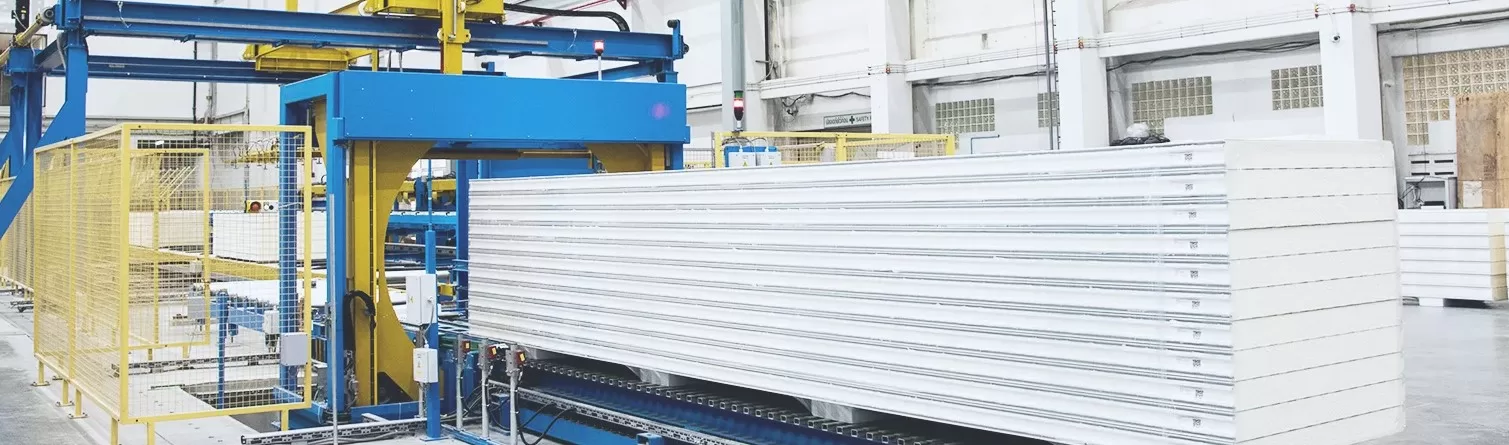
I remember when I first started my own packing machine factory. Before that, as an employee, I saw so much film wasted in manual operations. People would wrap and wrap, just to be safe. But safety did not always mean efficiency. This taught me a lot about true cost. For Greek exporters, this waste is a direct hit to your bottom line. It is not just about the price of the film roll itself. It involves many hidden costs.
-
Material Overconsumption
When operators wrap items by hand, they often use more film than needed. This happens because they want to make sure the product is secure. There is no precise control. An orbital wrapper uses a tension system. This system stretches the film to its maximum effective point. This means a thinner layer of film can still provide strong protection. For a Greek company exporting large volumes, like feta cheese or marble, even a small reduction per package adds up fast. I have seen this first-hand with steel coils. Manual wrapping always used more film.
-
Labor Costs
Manual wrapping takes time. Time is money. If your team spends too much time wrapping, they are not doing other tasks. An automated machine works faster. It also does not get tired. This lets your team focus on more skilled jobs. This means you need fewer people for wrapping. Or the same people can do more important work. This is a big saving for any factory manager, like Michael, who wants to cut operational costs and solve efficiency bottlenecks. It reduces the need for constant, repetitive manual labor.
-
Disposal and Environmental Impact
More film used means more film to throw away. This adds to your waste disposal costs. Today, customers also care about how green your products are. Using less plastic film improves your company’s environmental image. This is important for global markets. Greek companies often pride themselves on quality and tradition. Being wasteful with packing materials does not fit that image. It also aligns with global sustainability goals.
-
Potential Product Damage (Indirect Cost)
Sometimes, using too little film in manual wrapping can lead to damage. But using too much film is also not good. It can make packages bulky. They might not fit well in containers. This can cause damage during shipping. An orbital machine applies the right amount every time. This balances protection and efficiency. It avoids both too little and too much film. This helps address the issue of product loss that managers like Michael face.
| Cost Factor | Manual Wrapping (High) | Orbital Wrapping (Low) | Impact on Greek Exporters |
|---|---|---|---|
| Film Usage | Variable, often excessive | Consistent, optimized | Direct savings on material purchase |
| Labor Time | High, repetitive, tiring | Low, supervision only | Reduced payroll or redeployed staff for higher-value tasks |
| Waste Disposal | Higher volume, higher cost | Lower volume, lower cost | Improved environmental footprint, lower waste management fees |
| Brand Image | Risk of inconsistent, poor wraps | Professional, uniform appearance | Enhanced reputation, increased customer satisfaction and loyalty |
| Shipping Efficiency | Bulky or poorly packed items | Streamlined, secure packages | Better container utilization, fewer damage claims, smoother logistics |
I have seen firsthand how these small daily wastes become huge sums over a year. A factory manager like Michael must look at these numbers closely to really understand the financial drain.
How do orbital wrappers achieve precise film application and reduce material usage for Greek products?
Many businesses struggle with making sure their products are wrapped tightly and securely, without wasting film. Especially for unique Greek items that vary in shape. Loose wraps mean damaged goods. Too much film means wasted money. It is hard to get it just right with older methods. Orbital wrappers use smart technology to apply film perfectly every time.
Orbital wrappers achieve precise film application and reduce material usage for Greek products through adjustable tension control, programmable wrapping patterns, and automatic product sensing. These features ensure the optimal amount of film is applied to each item’s specific dimensions, preventing excessive overlap and guaranteeing a secure, tight wrap.

When I talk about precision, I am not just talking about a little bit better. I mean a step change. In my factory, we learned that consistency is key. We needed every coil to leave looking the same, wrapped perfectly. Orbital wrappers offer that. They use a rotating arm that applies stretch film around the product as it moves through a central ring. This design is very smart.
-
Adjustable Film Tension Control
This is perhaps the most important feature. The machine can control how much the film stretches. Manual wrapping cannot do this. A person cannot maintain the same stretch on every turn. An orbital wrapper uses a motor and sensors. It pulls the film to its optimal stretching point. This means you get the most out of every roll of film. It maximizes the film’s strength and cling. For a Greek exporter, this is crucial. It means your olive oil bottles or ceramic goods are snug. They will not shift inside the package. It keeps them safe, directly addressing product damage concerns.
-
Programmable Wrapping Patterns
These machines are not just simple wrappers. You can program them. You can tell them exactly how many layers of film to apply. You can also tell them where to put extra layers, like on the edges of a steel coil, for example. Or around fragile points. This prevents over-wrapping in areas that do not need as much protection. It also ensures critical areas get enough. For a wide range of Greek products, from bulky industrial parts to delicate food items, this adaptability saves a lot of material. It makes sure each product gets tailored protection. This also means Michael can set specific wrapping patterns for different product types in his factory, improving overall efficiency.
-
Automatic Product Sizing and Sensing
Many advanced orbital wrappers have sensors. These sensors detect the dimensions of the product. This helps the machine adjust its wrapping path. It ensures the film covers the whole item. It avoids wrapping air. It also stops film from dragging on the floor or getting tangled. This automation is a game-changer. It means less human error. It results in a clean, tight, and professional wrap every single time. This is especially good for businesses that handle products of different sizes, which is common in many export operations. This level of automation directly helps Michael achieve his goal of increased automation and efficiency.
These features make orbital wrappers very efficient. They ensure that every inch of film works hard. They protect your product. They do not waste material. This is a direct answer to Michael’s challenge of efficiency bottlenecks. It saves material and makes the packing faster, smarter, and more reliable.
Why is consistent packaging important for Greek exporters, and how do orbital machines guarantee it?
Your product is ready to ship. But is its packaging consistent? Does every package look the same? If not, it can hurt your brand. It can even lead to rejections. Inconsistent packaging sends a bad message. It makes customers doubt your quality. For Greek goods, known for tradition and excellence, this is a big risk. Consistent packaging builds trust and protects your brand. Orbital machines make this consistency a reality.
Consistent packaging is vital for Greek exporters because it strengthens brand reputation, meets international shipping standards, and reduces customs delays. Orbital wrapping machines guarantee this consistency by using automated, repeatable processes for film application, tension, and pattern, ensuring every package meets the exact same high-quality specifications.

When I built my factory, I learned that the final package is often the first impression. It does not matter how good the product is inside if the outside looks sloppy. For Greek exporters, this is even more critical. Your products carry the reputation of your country. They stand for quality and history. Inconsistent packaging undermines this.
-
Building Brand Reputation and Trust
Imagine receiving two shipments of Greek olive oil. One has perfectly wrapped pallets. The other has loose film and uneven wraps. Which one makes you feel more confident about the product inside? Consistent, professional packaging shows care. It shows attention to detail. This builds trust with international buyers. It reinforces your brand’s image of quality. This is especially true for premium Greek exports. Things like masticha, saffron, or high-end textiles. Michael understands this. He knows that his clients judge his factory partly on how products arrive. Good packaging reflects well on the entire operation.
-
Meeting International Shipping Standards
Shipping goods across borders means following strict rules. Many countries have regulations about how cargo must be secured. Inconsistent wraps can fail these standards. This leads to delays at customs. It can even mean rejected shipments. Orbital machines make sure every package is wrapped to the same standard. This helps you comply with regulations. It avoids costly problems at ports and borders. It makes the whole export process smoother. This reduces the risk of legal or financial penalties that Michael wants to avoid.
-
Reducing Product Damage During Transit
When packages are wrapped inconsistently, some might be too loose. Others might be too tight. Both can cause problems. Loose packages can shift and get damaged. Too-tight packages might crush the product. An orbital machine gives every item the right amount of protection. This means less damage during long journeys. For things like delicate ceramics or fresh produce from Greece, this is a huge benefit. Less damage means fewer customer complaints and fewer financial losses. This directly addresses Michael’s challenge of product loss during transit and internal transfer.
-
Optimizing Logistics and Storage
Consistent package sizes and shapes make logistics easier. They stack better on pallets. They fill containers more efficiently. This can reduce shipping costs. It also makes warehouse management simpler. When every package is uniform, you can plan your space better. This improves overall operational flow. For any factory manager, this efficiency is key. It helps optimize space and transport, further cutting costs.
| Aspect of Consistency | Importance for Greek Exporters | How Orbital Wrappers Guarantee It |
|---|---|---|
| Brand Image | Reflects quality, reliability, and professionalism | Uniform appearance, tight wrap every time |
| Protection | Prevents damage to valuable goods (e.g., ceramics, food) | Programmed tension and patterns for optimal security |
| Compliance | Meets international shipping and customs regulations | Repeatable process ensures adherence to standards |
| Logistics | Efficient stacking, container loading, and storage | Predictable package dimensions and stability |
| Customer Trust | Builds long-term relationships and repeat business | Reliable, high-quality presentation fosters buyer confidence |
I have seen how a simple change in packing method can change how clients view a business. It is not just about the machine. It is about the trust it builds with customers worldwide.
What are the long-term benefits of investing in orbital wrapping technology for Greek businesses?
Making a big investment in new machinery can feel risky. You might wonder if the benefits are really worth it. Many companies hesitate and stick with old, inefficient methods. They lose money slowly, day by day, without realizing the true cost of not upgrading. Investing in orbital wrapping is not just a cost. It is a strategic move that pays off for years to come.
Investing in orbital wrapping technology offers Greek businesses long-term benefits like significant cost savings from reduced film waste and labor, enhanced operational efficiency through automation, improved worker safety by minimizing manual handling, and a stronger competitive edge in global markets due to consistent, high-quality packaging.

When I decided to build my own factory, every investment felt huge. But I knew that you have to spend money to make money. The key was to make smart investments. For businesses, especially those exporting like many in Greece, orbital wrapping machines are one of those smart choices. They do not just solve immediate problems. They set you up for future growth. Michael, the factory manager, faces pressure to justify investments. This is where the long-term view becomes critical.
-
Sustainable Cost Reduction
The most obvious benefit is ongoing savings. We already talked about less film waste and lower labor costs. These savings happen every single day the machine runs. Over years, these add up to substantial amounts. Think about your yearly film budget. A 20% reduction could be huge. This directly impacts your profit margins. It makes your Greek products more competitive on price. This is a very strong argument for any business owner. It provides a clear, measurable return on investment.
-
Increased Production Capacity and Efficiency
An automated orbital wrapper works faster than manual methods. It also works without breaks. This means your packing line can keep up with higher production volumes. If your factory gets a big order, the packing bottleneck is gone. This increases your overall factory output. It improves delivery times. This makes your customers happier. Happy customers come back for more. This is exactly what Michael wants for his factory: to resolve efficiency bottlenecks and increase output. It ensures the packing process does not become a choke point for the entire production line.
-
Improved Worker Safety and Morale
This is a big one. Michael told me about the high risk of injury with manual handling. Moving heavy items and wrapping them by hand can cause back injuries, cuts, and other accidents. An orbital wrapper automates this dangerous work. This means fewer injuries. Fewer injuries mean lower insurance costs. It also means happier, safer employees. A safe workplace is a good workplace. This is a vital goal for Michael and any responsible manager. It directly addresses the safety concerns and high employee turnover he faces.
-
Enhanced Market Competitiveness
In global markets, appearance and reliability matter. Consistent, professional packaging makes your products stand out. It signals quality. This can open doors to new markets. It can help you win new clients. If your Greek exports look better and arrive safer, you have an edge over competitors who still use old, inefficient packing methods. This is about future-proofing your business. It also contributes to building a strong brand image globally.
-
Data-Driven Optimization
Many modern orbital wrappers can collect data. They track film usage, cycles per hour, and more. This data helps you fine-tune your operations. You can identify further areas for efficiency. You can make better decisions about film types or wrapping patterns. This turns your packing department into a data-smart part of your factory. It allows for continuous improvement, something all progressive factory managers seek.
These machines are not just about packing. They are about creating a more efficient, safer, and profitable operation. This is why I always tell my clients to look beyond the upfront cost. Look at the return you get over five, ten, even fifteen years.
My Insights: What I learned about packing machines and business growth?
Many people see a packing machine as just a piece of equipment. They buy it, and expect magic. But it is never that simple. If you think a machine alone solves all problems, you might be disappointed. You might miss the bigger picture of how it fits into your whole business. From my own journey, I learned that a packing machine is a tool for strategic growth, but only if you use it with the right mindset and partnership.
My insight is that a packing machine, especially an orbital wrapper, is more than just hardware; it is a catalyst for business growth when integrated thoughtfully. I learned that true success comes from understanding a client’s entire operation, focusing on ROI, and building a partnership based on shared knowledge to solve real-world challenges like efficiency, safety, and product quality.
When I started as an employee in a packing machine factory, I only saw one part of the picture. I focused on making the machine work. But after building my own factory and working with so many clients, I learned a much bigger lesson. The machine is only one part of the solution. The real value comes from how you use it and who you work with. This is what Michael is looking for: a partner, not just a vendor.
-
Understanding the Whole Operation
I have met many factory managers, like Michael, who are under immense pressure. They have to worry about everything: raw materials, production, quality control, logistics, and safety. When I approach a client, I do not just ask, “What do you want to wrap?” I ask, “What are your biggest bottlenecks? Where are you losing money? What keeps you up at night?” For Michael, it is the manual packing slowing things down. It is the worker injuries. It is the damaged goods. A packing machine must solve these specific problems. It must fit into the entire flow of the factory. If it does not, it becomes another problem, not a solution.
-
Focusing on Real ROI, Not Just Price
Everyone wants a good deal. But a cheap machine that breaks down or does not really solve your problem is not a good deal. It is a waste. I always guide clients to look at the Return on Investment. How much money will this machine save you in film, labor, and reduced damage? How much will it increase your output? For Michael, an ROI-driven investment is key. He needs to show clear financial benefits. My role is to help him calculate those benefits. For example, if an orbital wrapper reduces film costs by X amount and labor by Y amount, how long until it pays for itself? This is the kind of professional guidance I believe in.
-
The Power of Partnership and Support
My journey in the packing machine industry, from employee to factory owner, taught me the importance of support. When my factory was starting, I relied on good partners. Now, I want to be that partner for others. Michael mentioned his bad experiences with suppliers who only care about sales. This is a common story. I believe in sharing knowledge. I believe in giving insights. If you buy a machine from FHOPEPACK, you also get my experience. You get the insights from my factory days. This means help with installation. It means help with training. It means ongoing advice. This partnership ensures the machine really helps your business grow and avoids supplier trust issues.
-
Embracing Automation for a Better Future
The world is moving towards more automation. This is not about replacing people entirely. It is about making work safer and more efficient. It is about letting people do more skilled jobs. Orbital wrappers are a perfect example. They take away the hard, repetitive, dangerous work. This leads to a better workplace. It makes your factory ready for the future. It helps you stay competitive. This is why I started FHOPEPACK: to share this knowledge and help others embrace these changes for long-term success.
These machines are powerful. But their power is unlocked when you understand your needs, plan your investment carefully, and work with someone who genuinely wants to see you succeed.
Conclusion
Orbital wrapping machines offer Greek exporters a path to less film waste, consistent packaging, and greater profitability. This investment transforms operations, improves safety, and boosts market competitiveness.








