

What Technical Differences Exist Between Fixed and Mobile Pallet Inverters in Logistics?
Logistics managers often face a constant battle. You need to keep goods flowing, meet tight delivery schedules, and manage different pallet types. The pressure to switch pallets quickly and safely is immense. Manual handling of thousands of pallets a day, especially when dealing with varying standards like Euro and US pallets, leads to errors, delays, and serious safety risks. I have seen many companies struggle with these exact problems.
Fixed and mobile pallet inverters differ mainly in their placement and operational flexibility. Fixed units are permanent installations designed for high-volume, continuous processing at a specific point in a logistics chain. Mobile units offer the flexibility to move to different locations within a warehouse, handling varied tasks or smaller volumes as needed, making them adaptable but typically slower.

Understanding these core differences is crucial. It helps you pick the right equipment for your warehouse. This choice can hugely impact your operational efficiency, safety records, and overall cost. Let us look deeper into what these differences mean for your business.
What Are Fixed Pallet Inverters, and How Do They Work?
Imagine a warehouse where pallets move continuously down a specific line. You need to switch pallets at one exact spot, all day long, without stopping. This is where manual pallet changes become a bottleneck, leading to slow processing and safety hazards. Many of my early clients faced this issue. They needed a reliable solution to keep their production lines moving.
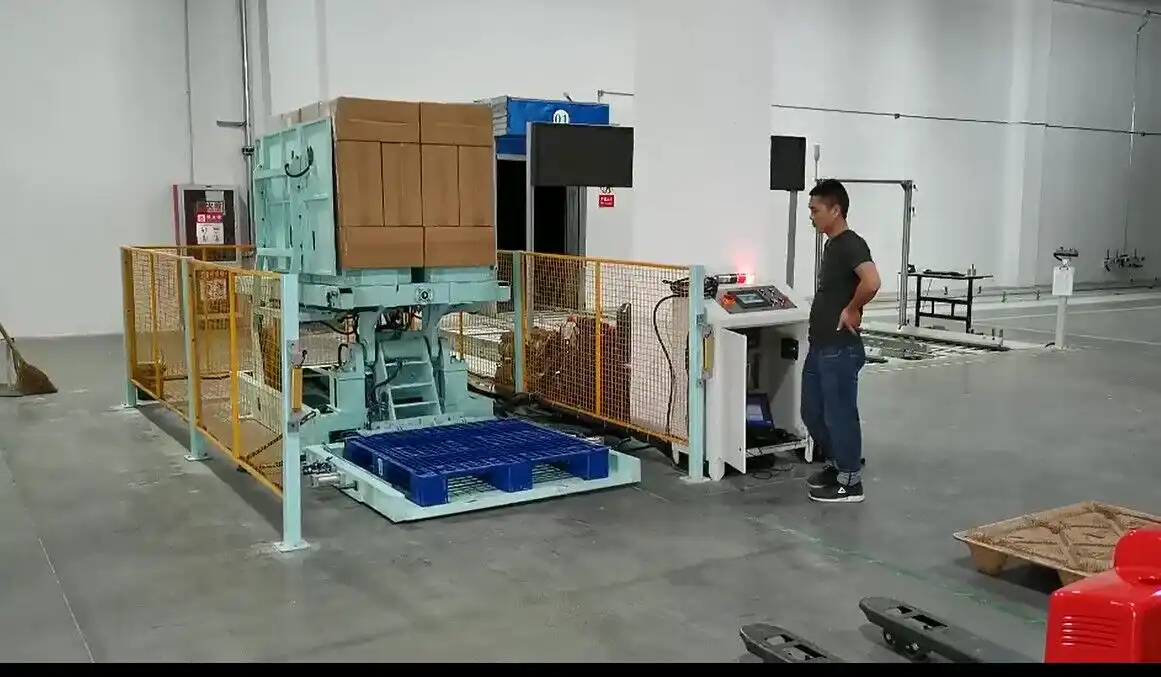
Fixed pallet inverters are static machines. They are permanently installed in one location within a warehouse or production line. Their design focuses on high throughput and seamless integration into automated systems. They handle a continuous flow of pallets at a dedicated station.


Fixed pallet inverters are workhorses for specific tasks. They are ideal for operations that have a predictable, high-volume pallet changing requirement. Think about a busy food processing plant or a large distribution center. They might need to switch thousands of pallets every day from factory-specific pallets to shipping-standard pallets. These machines become an integral part of the infrastructure. Their technical design aims for maximum efficiency and minimum human interaction.
- ⚙️ Design and Installation: Fixed pallet inverters are bolted to the floor. They are part of a larger conveyor system or a dedicated pallet changing station. Their structure is robust and heavy. This ensures stability during high-speed operations. They often require specific foundation work or integration into the building’s layout. This means planning is important before installation. For example, in a coil packing line, a fixed inverter might be placed after the wrapping machine. It prepares coils for shipment on specific pallets. This ensures the entire line flows smoothly.
- ⚡ Power and Operation: These units typically use powerful hydraulic or electric systems. They are designed for continuous duty. This means they can run for many hours without stopping. They often have advanced controls that link with the warehouse management system (WMS). This allows for automated pallet type recognition and programmed change cycles. This integration helps reduce errors. It also speeds up the entire process. Operators can monitor the process from a control room. They only intervene if there is a problem.
- 🔄 Capacity and Throughput: The main benefit of fixed units is their high capacity. They can process many pallets per hour. They are built for speed and consistency. They minimize downtime. They can handle heavy loads repeatedly. This makes them perfect for scenarios like large export hubs. Here, different national pallet standards, such as Euro pallets versus US pallets, need constant switching. An example from my own experience involved a large beverage company. They moved from manual pallet changing to a fixed inverter. This helped them process hundreds of pallets per hour. It sharply reduced delays. It also cut down on labor costs. This kind of investment really helps financial independence.
- 🛠️ Maintenance and Durability: Because they are built for continuous use, fixed inverters need strong parts. They need regular but planned maintenance. Their stationary nature often means easier access for service technicians. They can withstand the demands of heavy industrial environments for many years. This long lifespan adds to their value. It makes them a good long-term investment for high-volume operations.
What Are Mobile Pallet Inverters, and How Do They Work Differently?
Warehouses are not always uniform. Sometimes you need to change pallets in different areas. You might have varying volumes each day. Or you might only need to switch pallets for specific, smaller batches of goods. Relying on a fixed system for these needs can be inefficient. It can also tie up valuable floor space. I have seen smaller operations or specialized areas in large warehouses benefit from more adaptable solutions.
Mobile pallet inverters are standalone machines. They can be moved around a warehouse using a forklift or pallet jack. Their design prioritizes flexibility and versatility over sheer speed. They are ideal for operations that need to change pallets at multiple locations or for intermittent tasks. They offer a flexible solution for diverse pallet handling needs.
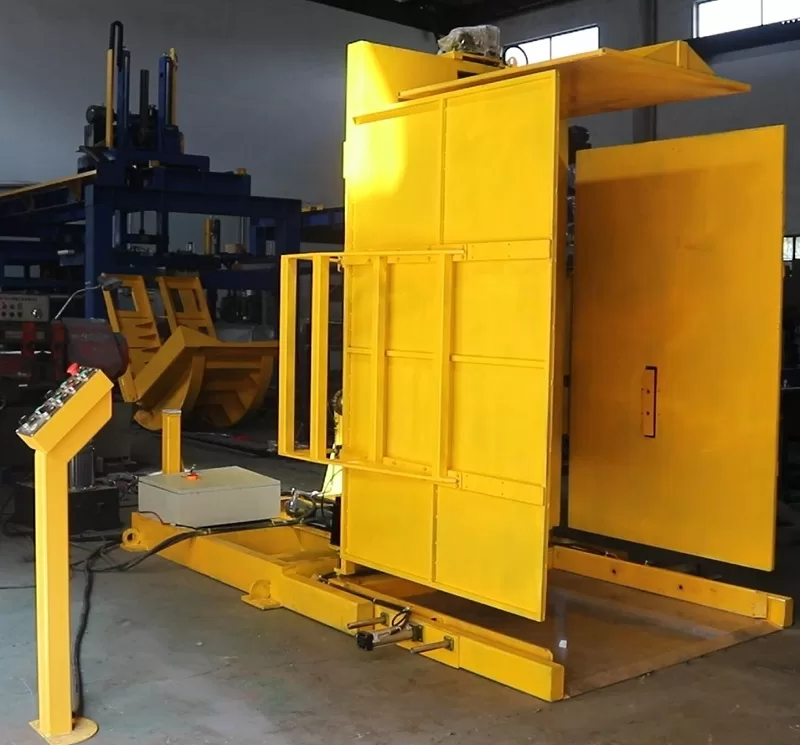

Mobile pallet inverters bring adaptability to the forefront. They are perfect for situations where a dedicated, fixed station is not practical or cost-effective. Think about a distribution center that handles many different product lines. Each line might have unique pallet requirements. Or consider a warehouse dealing with seasonal peaks. During these times, they might need extra pallet changing capacity in different zones. These machines allow operators to bring the inverter to the load. This is instead of bringing the load to the inverter. This saves time and handling steps for varied tasks.
- 🚗 Design and Portability: Mobile pallet inverters are built on a movable chassis. They are usually compact. They are designed to be picked up and moved by standard warehouse equipment. This design makes them easy to relocate. You can use them wherever they are needed. They do not need permanent installation. This means you do not need to alter your floor plan. They also do not need complex electrical wiring. This makes setup simple. For example, a mobile unit can serve different zones for switching plastic pallets to wooden shipping pallets. This is very useful for flexibility.
- 🔌 Power and Operation: These units typically use an onboard power source. This can be a battery or a simpler electrical connection that plugs into a standard outlet. This power system supports their mobility. It means they do not need to be hardwired. Operation is often manual or semi-automatic. An operator moves the unit into position. Then they control the pallet changing cycle. While not as fast as fixed units, their ease of use makes them valuable for varied tasks. They offer convenience for small to medium batch processing.
- ⚖️ Capacity and Versatility: Mobile inverters are very versatile. They can handle a wide range of pallet sizes and types. This includes different weights. They are often used for lower volume or intermittent tasks. They are not built for constant, high-speed throughput like fixed units. However, their ability to handle diverse pallet standards makes them excellent for situations with frequent changes. This could be switching from standard storage pallets to customer-specific display pallets. Or it could be for hygiene-sensitive areas, changing wooden pallets to plastic. I remember helping a client who ran a smaller specialty food distributor. They needed to switch pallets for export orders. A mobile unit gave them the flexibility to do this without a huge capital investment.
- 🔧 Maintenance and Flexibility: Maintenance for mobile units is usually straightforward. They have fewer complex integrated systems. Their flexibility means they can be stored away when not in use. This frees up valuable floor space. They are a good solution for growing businesses. They can adapt as needs change. They offer a lower initial investment compared to a large fixed system. This makes them accessible to more companies.
How Do Their Technical Specifications Impact Real-World Logistics Operations?
Choosing between a fixed and mobile pallet inverter is more than just about where it sits. Their technical features have direct effects on how your warehouse runs every day. These impacts affect everything from staff safety to your bottom line. It is about understanding how each machine’s design helps or hinders your specific operational goals. I have seen how a wrong choice can cost a company a lot in the long run.
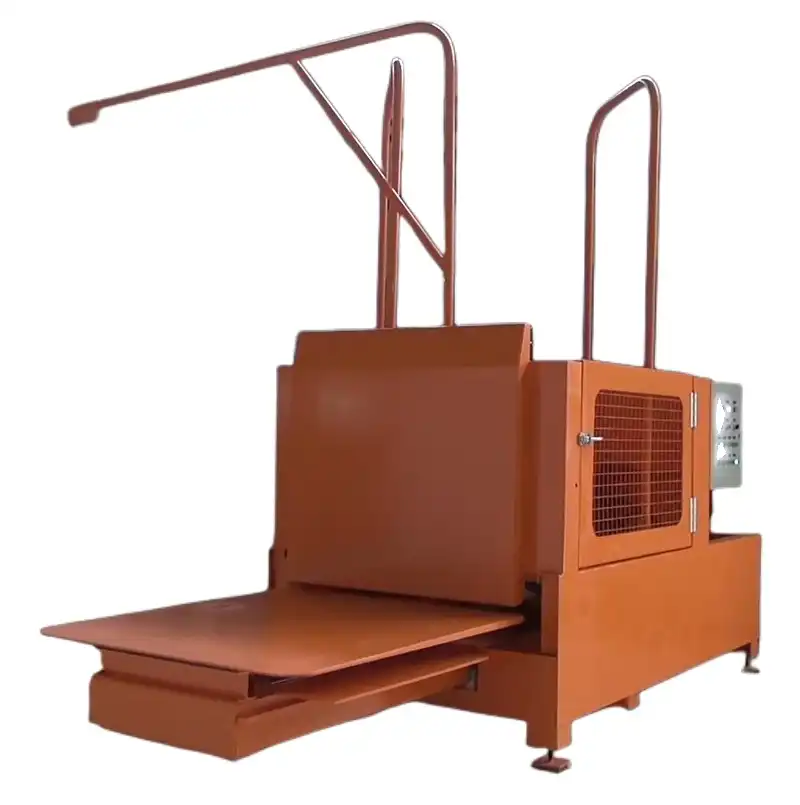
The technical specifications of fixed and mobile pallet inverters significantly impact logistics operations by determining throughput, operational footprint, automation potential, and the types of loads they can efficiently handle. Fixed units excel in high-volume, integrated lines, while mobile units provide adaptable solutions for varied tasks and space constraints.

Let us break down these technical details and their real-world implications. This will help you see which type truly fits your operational needs. Carlos, with his challenge of diverse pallet sizes and the need for efficiency, would benefit greatly from this detailed look.
- Capacity and Throughput Rates:
- Fixed Inverters: These machines are built for maximum speed. They often process 30 to 60+ pallets per hour. Their strong hydraulic systems and continuous conveyor integration allow for this high volume. For a large European distribution center handling thousands of pallets daily, this throughput is critical. It ensures that goods move quickly. It prevents bottlenecks in high-volume areas. This speed helps meet tight delivery deadlines for big retail or e-commerce clients. It also avoids costly contract penalties.
- Mobile Inverters: Mobile units are designed for flexibility. They typically process 10 to 20 pallets per hour. Their focus is on ease of movement and versatile application. Not on speed. This lower throughput is acceptable for tasks like changing specialized pallets for small export batches. Or it might be for internal transfers in different warehouse zones. They offer a cost-effective solution for intermittent needs. This means you do not need to invest in a high-capacity system when it is not always needed.
- Space Requirements and Footprint:
- Fixed Inverters: These units need a dedicated, often large, permanent space. This area becomes a fixed pallet changing station. You must factor in space for conveyors leading into and out of the inverter. This can be a major consideration for warehouses with limited floor space. However, in a well-planned facility, this dedicated area enhances flow and reduces clutter elsewhere.
- Mobile Inverters: Mobile units have a compact design. They do not need a permanent footprint. You can move them out of the way when not in use. This saves valuable floor space. It also allows for greater flexibility in warehouse layout. This is very good for warehouses that need to adapt to changing product lines or storage needs. They are great for spaces that cannot dedicate a large area for pallet handling.
- Automation and Integration:
- Fixed Inverters: They are designed for high levels of automation. They integrate with existing conveyor systems, robots, and warehouse management software (WMS). This enables fully automatic pallet changes. This reduces manual labor significantly. It also lowers the risk of human error. For large operations, this level of automation is key to cost reduction and improved safety. It handles the high intensity environment well.
- Mobile Inverters: These units are generally less automated. They usually require an operator to position pallets and initiate the cycle. Some semi-automatic options exist. These options help reduce physical strain. But they still need human oversight. They fit well in operations where human judgment is still important. Or they fit when full automation is not a priority or cost-effective.
- Pallet Versatility and Handling:
- Fixed Inverters: Many fixed units can handle a range of pallet sizes. But they are often optimized for one or two primary types for maximum efficiency. Changing settings for vastly different pallet sizes can take time. This impacts throughput. They excel at high-volume, consistent pallet-to-pallet transfers.
- Mobile Inverters: Mobile units are often very versatile. They can accommodate a wide array of pallet sizes and materials (wood, plastic, metal). This adaptability is perfect for logistics hubs that handle many different product origins and destinations. This means frequent changes between Euro pallets, US pallets, and other specialized types. This versatility helps meet compliance requirements in different regions. It ensures customer satisfaction without complex system reconfigurations. I have seen how this flexibility can solve many headaches for managers like Carlos.
Which Pallet Inverter Solution Best Solves Your Warehouse Challenges?
Making the right choice for a pallet inverter feels big. You are not just buying a machine. You are investing in your warehouse’s future. It is about solving real problems like worker safety, labor shortages, and slow operations. For a manager like Carlos, who handles thousands of pallets and faces varied pallet specs, this decision is critical. It directly affects your business’s efficiency and your clients’ happiness.
Choosing between a fixed and mobile pallet inverter depends on your specific operational needs. Fixed inverters are ideal for high-volume, consistent pallet changes at a dedicated point. Mobile inverters offer flexibility for varied tasks, multiple locations, and lower-volume needs, directly addressing challenges like diverse pallet specifications and space constraints.


Let us look at how each type of inverter helps solve common warehouse challenges. This will help you find the best fit for your logistics operation. I have helped many clients make this decision. I know how important it is to get it right.
- 💡 Addressing Pallet Diversification (Euro vs. US, Wood vs. Plastic):
- Fixed Inverters: If your primary need is high-volume, continuous switching between two main pallet types at one location, a fixed inverter can be highly efficient. It can be set up to quickly switch between Euro and US pallets. But it works best when the flow is constant. It can handle heavy loads. This ensures smooth operations even with thousands of pallets daily. However, if you have many different pallet types that change frequently, reconfiguring a fixed unit can slow things down.
- Mobile Inverters: These units truly shine when pallet specifications are highly diverse and vary by batch or location. They are adaptable. They can handle a mix of Euro, US, and plastic pallets without needing complex reconfigurations. An operator can bring the mobile unit to the specific batch that needs changing. This saves time and effort. It is perfect for operations where flexibility is more important than raw speed. This directly solves Carlos’s problem of frequent changes for export.
- 👷 Mitigating Labor Shortages and Safety Risks:
- Fixed Inverters: By automating the pallet changing process, fixed inverters drastically reduce the need for manual labor. This directly combats rising labor costs. It also solves the problem of finding people for high-intensity, physical work. More importantly, they eliminate dangerous manual handling. This lowers the risk of cargo damage and worker injury. This improves warehouse safety records. This means fewer accidents, lower insurance costs, and better worker well-being.
- Mobile Inverters: While they might still need an operator, mobile inverters remove the most dangerous aspects of manual pallet handling. No more risky flipping or lifting of heavy goods. This significantly reduces the chances of goods tipping or workers getting injured. They offer a safer way to manage intermittent pallet changes. They are a great step toward mechanization. This is important for areas where full automation is not possible.
- 💲 Controlling Operational Costs and Boosting Efficiency:
- Fixed Inverters: The initial investment for a fixed inverter is higher. But the long-term cost savings are significant. This comes from reduced labor, faster processing, and fewer damaged goods. The efficiency gains in high-volume scenarios lead to a strong return on investment. They help standardize operations. This reduces overall operating costs in the long run. My own journey in the packing machine industry taught me that smart investments lead to financial independence.
- Mobile Inverters: Mobile units have a lower initial cost. This makes them accessible for smaller budgets or for testing automation. They offer cost savings by reducing manual labor for specific tasks. They also improve efficiency by making pallet changes faster than purely manual methods. Their flexibility means you do not need to invest in multiple fixed units for different areas. This makes them a cost-effective choice for varied needs.
- 🤝 Finding a Long-Term Partner:
- Both Types: No matter which inverter you choose, finding the right supplier is key. You need a partner who understands your challenges. They should offer solutions, not just sell machines. They must provide excellent after-sales support. This includes maintenance and spare parts. FHOPEPACK aims to be that partner. We know the ins and outs of pallet handling. We want to help you succeed. We do not just sell machines; we build relationships. This ensures your investment continues to pay off.
My Insights: What Does the Future Hold for Pallet Handling Technology?
Looking ahead, the logistics landscape will keep changing quickly. Warehouses will get smarter and more automated. The demand for efficiency, safety, and adaptability will only grow stronger. My journey from a packing machine factory employee to owning FHOPEPACK has shown me this evolution firsthand. I always look for ways to make packing and handling easier and safer.
The future of pallet handling technology will focus on increased automation, smart integration with warehouse systems, enhanced safety features, and greater flexibility. We will see more intelligent pallet inverters that adapt to various loads and seamlessly communicate with other machines, making logistics operations even more efficient and autonomous.
I believe that future pallet inverters will not just flip pallets. They will be integral parts of a fully connected ecosystem. This means they will work with robots, AGVs (Automated Guided Vehicles), and advanced AI-driven WMS. The goal is a truly autonomous warehouse where goods move without human intervention unless absolutely necessary.
- 🧠 Smarter Pallet Inverters with AI and Machine Vision:
- Future inverters will use AI to recognize pallet types and conditions instantly. They will adjust their operation automatically. This means less manual input. It means more precise handling. They will use machine vision to check for damaged pallets before a change. This will prevent issues further down the line. They will also collect data on every cycle. This data will help optimize performance. It will predict maintenance needs. This will reduce downtime. I can see these machines learning from every pallet they process. This makes them more efficient over time.
- 🔗 Seamless Integration with WMS and IoT:
- Pallet inverters will communicate constantly with your warehouse management system (WMS) through the Internet of Things (IoT). This means real-time updates on pallet status. It means automatic inventory adjustments. It also means optimized routing. The WMS will be able to direct pallets to the right inverter. It will also track them through the entire changing process. This creates a fully transparent and traceable supply chain. This level of integration will reduce human error to almost zero. It will increase overall operational visibility.
- 🛡️ Advanced Safety Features and Predictive Maintenance:
- Safety will remain a top priority. Future inverters will have even more advanced sensors. These sensors will detect people or objects in their operational zone. They will stop immediately if a hazard is present. Predictive maintenance will become standard. Sensors will monitor machine health. They will alert staff to potential failures before they happen. This means fewer unplanned breakdowns. It means consistent operation. It also means a safer environment for everyone in the warehouse.
- 🚀 Hybrid and Modular Solutions:
- The line between fixed and mobile might blur. We could see hybrid models that offer both high throughput and selective mobility. Modular designs will allow businesses to scale their pallet changing capabilities easily. This means they can add or remove modules as their needs change. This offers unprecedented flexibility. It helps businesses adapt to market demands without massive new investments. This adaptable approach is something I have always championed for our clients.
Conclusion
Choosing the right pallet inverter is a strategic decision for any logistics operation. Fixed units excel in high-volume, dedicated applications. Mobile units offer essential flexibility for diverse and intermittent needs. Both types enhance safety and efficiency, but selecting based on specific challenges like varied pallet types and labor costs is crucial. Investing wisely in a pallet inverter ensures smoother operations and a strong return.












