
What technical advantages pallet inverter brings for stable stacking of tobacco goods?
Are you tired of damaged goods and slow pallet changes in your warehouse? Does the thought of another manual re-stacking process make you sigh? Many businesses, especially those dealing with delicate products like tobacco, face these exact problems daily. These issues lead to wasted time, lost money, and unhappy customers.
Pallet inverters offer significant technical advantages for stable stacking of tobacco goods by providing gentle, precise handling, adapting to diverse pallet types, and reducing manual intervention, which together ensure product integrity and improve operational efficiency in the challenging logistics environment of tobacco products.

I have spent many years in the packing machine industry, seeing countless warehouses struggle with these very issues. My journey from a factory employee to establishing FHOPEPACK has shown me how the right equipment can change everything. Let us explore how pallet inverters can transform your operations, keeping your tobacco goods safe and your business running smoothly.
How does a pallet inverter ensure product integrity for sensitive tobacco goods?
Do you worry about damaging delicate tobacco leaves or finished products during pallet handling? Manual methods often involve tilting or re-stacking by hand. This can cause significant shock or pressure to the goods. Such actions can easily lead to product degradation, breakage, or loss of quality.
A pallet inverter ensures product integrity for sensitive tobacco goods by providing a controlled, gentle, and automated transfer process, minimizing physical stress and impact that could otherwise compromise the quality and stability of the stacked product.
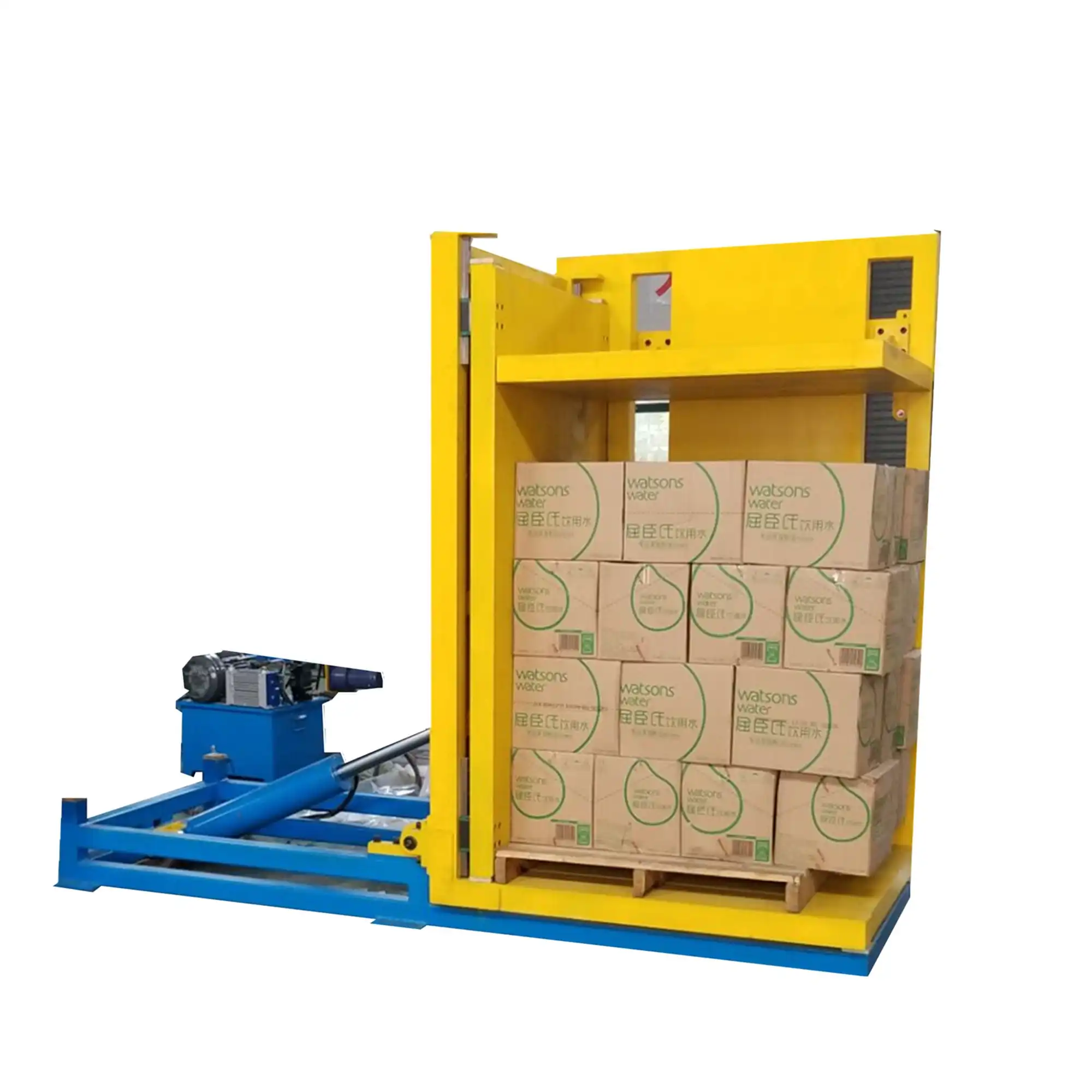
From my own experience, I have seen how fragile some products are. Tobacco, whether raw leaves or packaged cigarettes, needs careful handling. Any bumps or drops can affect its value. This is why the precision of a pallet inverter is so important. The machine holds the load firmly but gently. It then rotates the entire stack smoothly. This means no individual package gets moved or stressed in a way that causes damage. It keeps the stack’s shape and integrity. This method is much safer than any manual re-stacking. It uses consistent pressure throughout the entire cycle. It prevents shifting or falling of items. This level of control protects your investment. It helps you deliver high-quality products to your customers every time. We help clients achieve this with the right machine choice.
Dive deeper into protecting sensitive tobacco products:
-
Controlled Rotation Mechanism:
- Pallet inverters use hydraulic or electric motors for their rotation. These systems allow for very smooth and controlled movements. Operators can set the rotation speed. This prevents sudden jerks or stops. Such movements can harm delicate items like tobacco. The gentle rotation minimizes friction between packages. This stops them from rubbing together and getting damaged. This precision makes sure that each layer of tobacco stays in its place.
- Many models have variable speed controls. This lets you adjust the machine for different product types or stacking heights. You can make it slower for very sensitive loads. You can speed it up for more robust items. This adaptability is key in tobacco logistics. It handles everything from loose leaves to tightly packed cartons.
-
Even Clamp Pressure Distribution:
- The machine holds the pallet load using strong clamps. These clamps distribute pressure evenly across the entire surface of the stack. This prevents crushing or deformation of individual boxes or bales. Manual methods cannot achieve this uniform pressure. When workers stack things by hand, pressure points can form. These points can damage goods at the bottom.
- Advanced pallet inverters come with adjustable clamping forces. This means you can fine-tune the pressure for specific tobacco products. For example, a lighter pressure for loose-leaf tobacco. A stronger grip for heavy, stable cartons. This feature is vital. It stops both under-clamping (which lets goods shift) and over-clamping (which can crush goods). This helps keep the product’s original condition.
-
Reduced Manual Handling and Human Error:
- Every time a worker handles tobacco packages, there is a risk. They might drop a box or stack it incorrectly. This can cause damage. Pallet inverters reduce this human element greatly. The machine does the heavy lifting and rotating. This means fewer hands touch the product. Fewer manual steps lead to fewer mistakes.
- This automation also lowers the chance of contamination. When products are handled less, they are less exposed to external elements. This is very important for tobacco. It must meet strict quality standards. It reduces the risk of dirt or damage. This helps keep the product clean and safe. It protects its quality from the start of the process to the end.
Can pallet inverters truly address the diverse pallet standards in the tobacco industry?
Are you juggling different pallet sizes for your global tobacco shipments? Do you struggle to switch between Euro pallets and US pallets? This often leads to manual re-stacking or costly delays at borders. It can slow down your entire supply chain.
Yes, pallet inverters truly address the diverse pallet standards in the tobacco industry by offering flexible clamping and rotation mechanisms. These allow for seamless and efficient transfer of goods between various pallet types, such as Euro, US, or plastic pallets, without direct manual handling or product disturbance.

I have worked with many companies that export goods worldwide. I have seen the headache caused by different pallet standards. One client in the food industry faced huge fines because of non-compliant pallets. They then invested in an inverter. It made their international shipping smooth. The tobacco industry is no different. You might receive goods on one type of pallet. Then you need to ship them on another. This is common for international exports. A good pallet inverter handles these changes with ease. It is not just about changing pallets. It is about doing it quickly and safely. The machine can adjust to different pallet dimensions. It holds the product firmly. Then it removes the old pallet and places a new one. This means your valuable tobacco goods stay on the same stack. There is no need for manual re-stacking. This saves time and avoids mistakes. It also ensures compliance with all local and international regulations. This flexibility is a huge technical advantage. It helps your business operate globally without extra stress.
Dive deeper into pallet adaptability and compliance:
-
Versatile Pallet Handling Capabilities:
- Modern pallet inverters are designed to work with a wide range of pallet types. This includes standard wooden Euro pallets (800x1200mm). It also includes US-standard pallets (1000x1200mm or 40×48 inches). Many machines can also handle plastic, aluminum, or special hygiene pallets. This versatility is built into their design. It involves adjustable platforms and clamping arms. These parts can be set to fit different pallet footprints and heights.
- This adaptability is very important for tobacco businesses. They often import raw materials on one pallet type. Then they export finished products on another. A single machine can manage all these conversions. It removes the need for multiple specialized machines. It also eliminates labor-intensive manual transfers. This saves both space and money in the warehouse.
-
Seamless Pallet-to-Pallet Transfer:
- The core function of a pallet inverter is to transfer goods from one pallet to another. It does this without disturbing the product stack. The machine securely clamps the load. Then it lifts it slightly. This frees the original pallet. Workers can then remove this pallet. After that, they can insert a new, clean, or compliant pallet. The machine then gently lowers the goods onto the new pallet.
- This seamless process ensures product stability. It protects the integrity of the tobacco goods. There is no need for workers to unload and reload individual boxes. This dramatically reduces the risk of damage. It also prevents contamination. This is especially true when switching to hygiene-compliant pallets for export. This process makes sure products stay in perfect condition.
-
Ensuring International Compliance:
- Different countries have different rules for pallets. Some require heat-treated wooden pallets. Others prefer plastic pallets for hygiene reasons. For example, many food and tobacco exports to Europe require Euro pallets. Some destinations might need plastic pallets to prevent pest infestation. Manual compliance checks are time-consuming. They also carry high error risks.
- Pallet inverters help meet these rules easily. You can switch to the required pallet type quickly. This avoids delays at customs. It also prevents fines for non-compliant shipments. This is a big benefit for tobacco exporters. It streamlines the export process. It ensures that goods reach their destination without issues. This support for compliance is a major technical advantage.
What role do pallet inverters play in improving warehouse safety and labor efficiency?
Are your warehouse workers at risk of injury from heavy lifting and awkward movements? Is finding enough labor for repetitive, strenuous tasks a constant struggle? Manual pallet changes are not only slow but also a major source of workplace accidents and high labor costs.
Pallet inverters significantly improve warehouse safety by eliminating manual heavy lifting and awkward postures, thereby reducing the risk of musculoskeletal injuries. They also boost labor efficiency by automating repetitive tasks, allowing workers to focus on higher-value activities and reducing overall operational reliance on intensive manual labor.
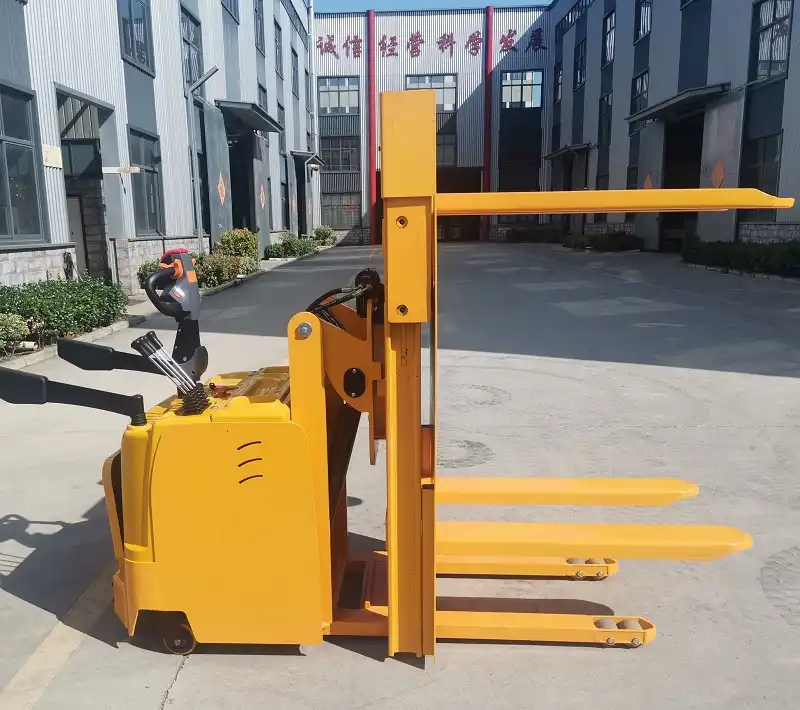
I have personally witnessed the dangers of manual handling in factories. I have seen workers strain their backs. I have seen goods fall and cause injury. My journey taught me that safety must come first. A pallet inverter takes the human element out of the most dangerous parts of pallet handling. No more manual lifting of heavy stacks. No more trying to flip heavy loads by hand. This means fewer accidents and fewer injuries. This directly translates to lower insurance costs for businesses. It also means a happier, healthier workforce. Beyond safety, it makes your team more efficient. Instead of struggling with pallets, workers can manage the machine. They can focus on quality checks or other important tasks. This makes the entire operation run faster. It uses fewer people for the same amount of work. This is vital in today’s labor market, where skilled hands are hard to find. It improves worker morale. It also helps your business save on labor costs in the long run.
Dive deeper into safety and labor benefits:
-
Elimination of Manual Lifting and Flipping Risks:
- Manual pallet changing involves lifting, pulling, and rotating heavy stacks of goods. This often requires multiple workers. It also puts significant strain on their bodies. This leads to common injuries such as back pain, sprains, and muscle strains. For example, in a tobacco warehouse, workers might lift hundreds of kilograms daily.
- Pallet inverters remove these risks completely. The machine does all the heavy lifting and rotating. Workers simply operate controls from a safe distance. This means fewer work-related injuries. It also means less time off for workers due to injury. This improves overall workplace safety. It also creates a safer work environment for everyone.
-
Reduced Accident Rates and Insurance Costs:
- Workplace accidents are costly. They include medical bills, compensation, and lost workdays. Manual pallet handling has a higher risk of accidents. Goods can fall. Workers can get crushed. These accidents can lead to significant financial burdens for companies. My early factory days showed me how quickly an accident could disrupt everything.
- By automating pallet changes, the risk of these accidents drops sharply. Machines operate with precision and consistency. They do not get tired or distracted like humans can. This reduction in accidents directly lowers insurance premiums for the company. It protects the company from costly legal claims. This makes a strong financial case for investing in pallet inverters.
-
Optimized Labor Deployment and Efficiency:
- Manual pallet changes are labor-intensive. They require staff to spend time on repetitive, low-skill tasks. These tasks do not add much value. With a pallet inverter, one worker can manage the process. This frees up other employees. They can then do more complex or higher-value jobs. This includes quality control, inventory management, or operating other machinery.
- This shift improves overall labor efficiency. It makes better use of your workforce. It also addresses labor shortages. Many young workers do not want to do strenuous manual jobs. Automated systems help attract and retain staff. They create a more modern and safer workplace. This improves productivity across the entire warehouse operation.
How do pallet inverters contribute to faster, more compliant tobacco logistics operations?
Are your current pallet changing methods slowing down your delivery times? Do you face challenges meeting strict deadlines or international compliance standards for your tobacco products? Slow processes can lead to late shipments, customer dissatisfaction, and even contractual penalties.
Pallet inverters contribute to faster, more compliant tobacco logistics operations by significantly reducing the time required for pallet changes, ensuring quick adaptation to various international pallet standards, and automating a critical step that minimizes human error and downtime, all of which accelerate the supply chain and enhance regulatory adherence.

In my years of helping businesses optimize their packing lines, I have learned that speed and compliance are key. One client in the beverage industry struggled with slow exports. Their old manual system meant constant delays. After installing an inverter, their shipping times improved dramatically. Tobacco logistics face similar pressures. Customers expect fast delivery. Regulations demand specific pallet types for export. A pallet inverter speeds up the entire process. It performs pallet changes much faster than manual methods. This means less waiting time for trucks and fewer bottlenecks in the warehouse. It also ensures that the correct pallet type is used every time. This prevents issues at customs. It stops delays at the border. The automated process is consistent and reliable. This reduces errors that can cause re-shipments or fines. It helps you keep your promises to customers. It also builds trust in your brand. This combination of speed and compliance gives you a major competitive edge in the market.
Dive deeper into speed and compliance:
-
Accelerated Pallet Change Cycles:
- Manual pallet changes can take a long time. They need multiple workers and many steps. For example, unloading, re-stacking, and then reloading. This might take 15-30 minutes for one pallet. A pallet inverter can complete the entire process in just a few minutes. Sometimes it takes less than 60 seconds. This is a huge time saving.
- Faster cycle times mean that more pallets can be processed per hour or per shift. This directly increases the throughput of your warehouse. It helps meet tighter delivery schedules. This is crucial for industries like tobacco, where just-in-time delivery and quick market response are important. It helps avoid costly delays and keeps operations flowing smoothly.
-
Streamlined Customs and Export Processes:
- International trade often demands specific pallet types. This could be ISPM 15 compliant wooden pallets or clean plastic pallets. Changing pallets manually for every export shipment is a major hurdle. It causes delays and increases the risk of non-compliance. Customs officials can stop non-compliant shipments. This leads to severe penalties.
- Pallet inverters make this process simple. They allow for quick switching to the required export pallet. This ensures that all shipments meet international standards. This smooths out the customs process. It reduces the chance of hold-ups at borders. This helps tobacco products move through the supply chain without interruption. It protects your brand reputation.
-
Enhanced Operational Consistency and Reliability:
- Automated pallet inverters perform the same task the same way every time. This leads to high operational consistency. There is no variance due to worker fatigue or skill levels. This reliability is vital for maintaining a predictable supply chain. It prevents unexpected breakdowns or delays.
- This consistency also contributes to better planning. Logistics managers can accurately predict processing times. This helps in scheduling trucks and deliveries. It avoids last-minute rush orders or missed deadlines. For tobacco logistics, where product value and timely delivery are critical, this reliability is a game-changer. It improves overall efficiency and customer satisfaction.
Conclusion
Pallet inverters bring significant technical advantages to tobacco logistics. They ensure product integrity through gentle handling and adapt to diverse international pallet standards. They also drastically improve warehouse safety and labor efficiency, speeding up operations and ensuring compliance. Investing in a pallet inverter is a smart move for any tobacco business looking to optimize its supply chain.








