

What Should Engineers Consider Before Choosing a Pallet Changer?
The struggle is real. Picture this: your warehouse is buzzing, but pallet changes are a bottleneck. Manual operations are slow, risky, and eat into your budget. You know automation is the answer, but choosing the right pallet changer feels like a huge decision. What if you pick the wrong one? What if it doesn’t solve your unique problems? I have seen this situation many times, and it is a common concern for managers like Carlos in the food and beverage industry who handle thousands of pallets daily. (warehouse automation challenges)
Engineers need to consider several key factors when selecting a pallet changer, including versatility for different pallet types, operational efficiency, safety features, long-term reliability, and a clear return on investment (ROI). Prioritizing these aspects helps ensure the chosen system integrates seamlessly, enhances productivity, and provides lasting value to the supply chain. (pallet changer selection criteria)

Do not let these complex choices overwhelm you. This article will guide you through the critical considerations. It will help you make an informed decision that will benefit your operations, just as my own journey in the packing machine industry helped many clients grow their businesses. (intelligent packing solutions)
How Crucial is Pallet Type Versatility for Your Operations?
Are you struggling with a mix of Euro, US, and plastic pallets daily? This common challenge can slow down your entire logistics process. Manual switching is inefficient and prone to errors. You might feel stuck between different international standards. (logistics process bottlenecks)
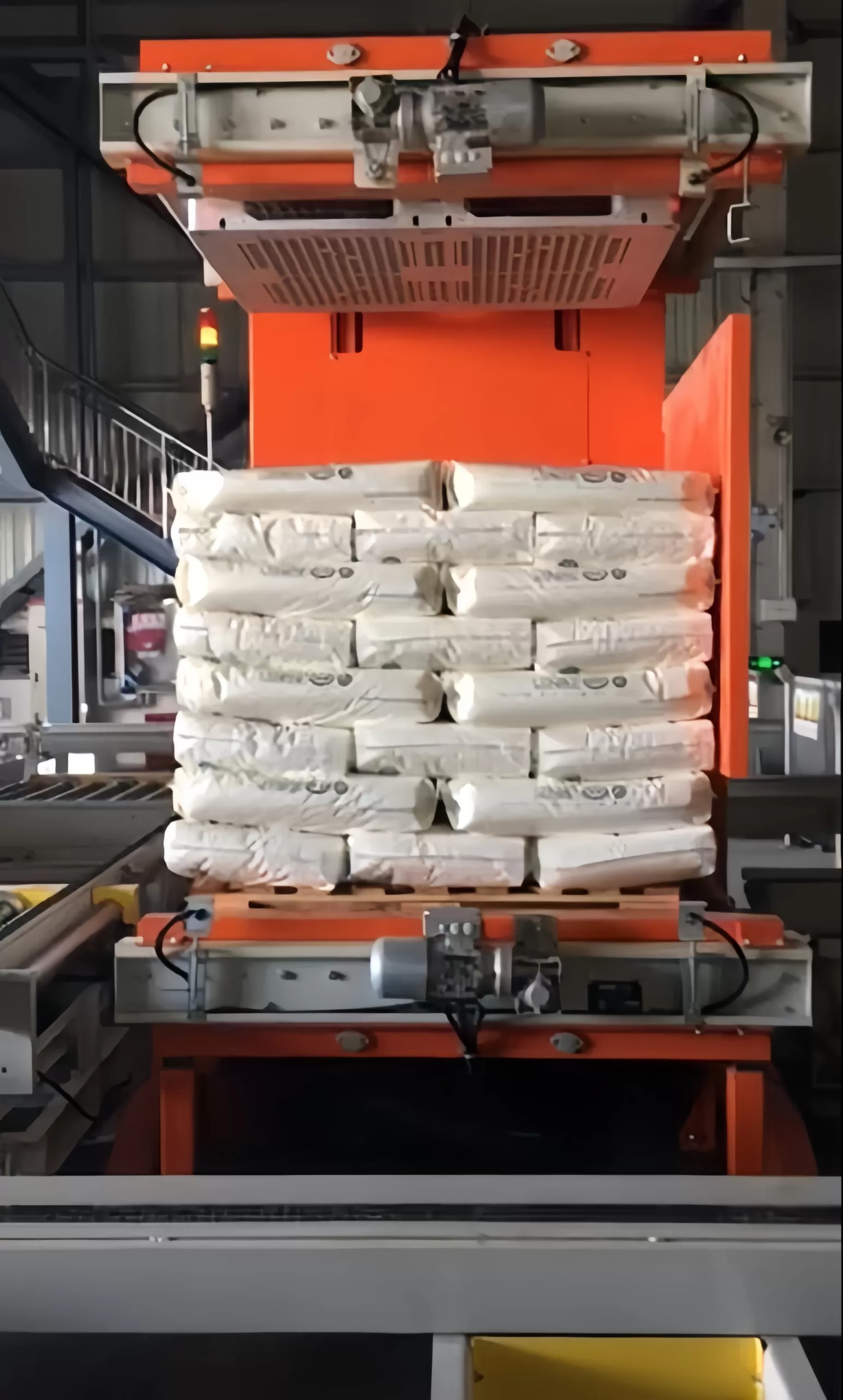
Pallet type versatility is extremely crucial for operations, especially in international logistics and warehousing. A pallet changer must handle various specifications like Euro, US, and plastic pallets to ensure smooth, uninterrupted goods movement across different markets and reduce manual intervention. (multi-pallet handling solutions)

Carlos, a seasoned logistics manager in Spain, faces this exact issue every day. His group’s regional distribution center needs to manage thousands of pallets. They move between different standards for export. This constant need for flexibility is not unique to his business. Many global companies experience it. We need to look deeper into why this adaptability is a game-changer for your bottom line.
-
1.1 Adapting to Global Standards
- Many businesses operate across different countries. Each country often has its own pallet standards. For example, Europe widely uses Euro pallets (1200x800mm). The USA typically uses GMA pallets (48×40 inches). These differences are not minor. They impact shipping costs, storage space, and handling equipment. An engineer must ensure the chosen pallet changer can smoothly transition between these formats. This includes accommodating variations in height, weight, and material.
- For instance, plastic pallets are common in hygienic environments like food processing. Wooden pallets are more traditional. A versatile machine can handle both without downtime. This adaptability prevents the need for multiple specialized machines. This saves capital expenditure and floor space. It also simplifies operator training. FHOPEPACK understands these global demands. We design our pallet changers to offer high levels of adaptability. We make sure they meet diverse operational needs. This prevents the costly delays seen with incompatible systems.
- Think about the implications of not having this versatility. You would need different machines or excessive manual labor. This would increase labor costs. It would also increase the risk of errors. My own experience building FHOPEPACK taught me the value of robust, adaptable machinery. We always aim to provide solutions that truly fit the global market. (international logistics pallet solutions, adaptable material handling equipment, reducing operational complexity)
-
1.2 Impact on Throughput and Customer Satisfaction
- In today’s fast-paced supply chain, delays are unacceptable. If your pallet changing process is a bottleneck, your entire supply chain suffers. Diverse pallet requirements can significantly slow down your throughput. This directly impacts delivery times. Customers, especially in e-commerce, expect rapid delivery. Failure to meet these expectations can lead to penalties. It can also lead to lost business.
- A highly versatile pallet changer eliminates these bottlenecks. It allows for quick, seamless transitions. This keeps goods moving efficiently. It ensures orders are fulfilled on time. This leads to higher customer satisfaction. For a food and beverage group like Carlos’s, timely delivery is critical. Perishable goods cannot afford delays. A smooth pallet exchange process ensures product integrity. It also maintains cold chain compliance.
- Consider the alternative. Manual pallet switching for various types is slow. It is also labor-intensive. It can lead to errors like damaged goods or incorrect shipments. This further adds to costs. It also damages your reputation. A machine that handles all common pallet types simplifies operations. It speeds up the entire process. This directly translates to better service. It also means improved customer loyalty. This is why FHOPEPACK prioritizes versatility in our designs. We believe it is key to modern logistics success. (supply chain efficiency, rapid fulfillment, customer retention strategies)
Can a Pallet Changer Truly Optimize Your Workflow and Speed?
Is your current pallet handling slowing down your entire operation? Are you constantly pushing against tight deadlines? The pressure from modern customers for faster delivery is intense. You might wonder if a pallet changer can actually keep up. (logistics bottleneck resolution)
Yes, a well-chosen pallet changer can significantly optimize your warehouse workflow and increase speed by automating repetitive, time-consuming tasks. It reduces pallet changeover times, streamlines material flow, and improves overall throughput, directly addressing the demand for quicker order fulfillment and reduced operational delays. (automated material flow improvement)


I recall early days in the industry. We faced similar challenges. Manual methods were simply not scalable. We needed solutions that could deliver speed and reliability. This is exactly what managers like Carlos are looking for today. The right machine can transform your operational efficiency. Let us dive into how this optimization really happens.
-
2.1 Reducing Cycle Times and Manual Labor
- One of the most immediate benefits of a pallet changer is the drastic reduction in cycle times. Manual pallet changes can take several minutes per pallet. This includes moving goods, transferring them, and then re-stacking. An automated or semi-automated system can complete these tasks in seconds. This speed improvement is critical for high-volume operations. Think about a warehouse handling thousands of pallets daily. Reducing each change by even a minute adds up to hours saved. This directly translates to increased daily throughput.
- Moreover, automation significantly reduces reliance on manual labor. This addresses the growing challenge of labor shortages. It also tackles rising labor costs. Employees can then focus on more skilled tasks. They can handle quality control or inventory management. This reallocates human resources more effectively. For example, FHOPEPACK’s automated pallet transfer systems minimize human interaction. This makes the process faster and more consistent. It removes the variability inherent in manual work. My own journey involved seeing first-hand how automating simple tasks led to huge gains. It transformed how factories operated.
- This is not just about speed. It is also about consistency. Manual processes are prone to human error and varying speeds. A machine operates at a steady, predictable pace. This creates a smoother, more reliable workflow. It allows for better planning and forecasting. This predictability is invaluable in a busy distribution center. It helps maintain a steady flow of goods. (automated pallet transfer, labor optimization, warehouse throughput enhancement)
-
2.2 Integration with Existing Logistics Systems
- A pallet changer does not operate in a vacuum. It must fit seamlessly into your existing logistics and warehousing infrastructure. This means compatibility with conveyors, forklifts, and even warehouse management systems (WMS). Engineers need to consider how easily the new equipment integrates. They must ensure it does not create new bottlenecks. A truly optimized system works in harmony with your current setup.
- For example, an online pallet changing machine can be integrated directly into a production line. It can also be integrated into an automated storage and retrieval system (AS/RS). This prevents manual intervention between stages. This kind of integration boosts overall system efficiency. It also reduces handling damage. FHOPEPACK offers pallet changing solutions designed for flexible integration. We provide options from stand-alone units to fully inline systems. This ensures they meet diverse operational layouts. We understand that a good machine is only as good as its integration.
- Failure to plan for integration can lead to costly retrofits. It can also lead to system incompatibilities. This might negate the benefits of automation. Engineers should look for suppliers who offer customizable solutions. They should look for those who provide robust integration support. This ensures a smooth transition. It also maximizes the benefits from day one. (logistics system integration, warehouse management compatibility, custom pallet changing solutions)
What Role Does Pallet Changer Automation Play in Enhancing Safety and Reducing Labor?
Are workplace accidents a constant worry in your warehouse? Is the struggle to find enough skilled labor becoming a major headache? You might be asking if automation can truly make your operations safer and ease the labor burden. (warehouse safety improvement)
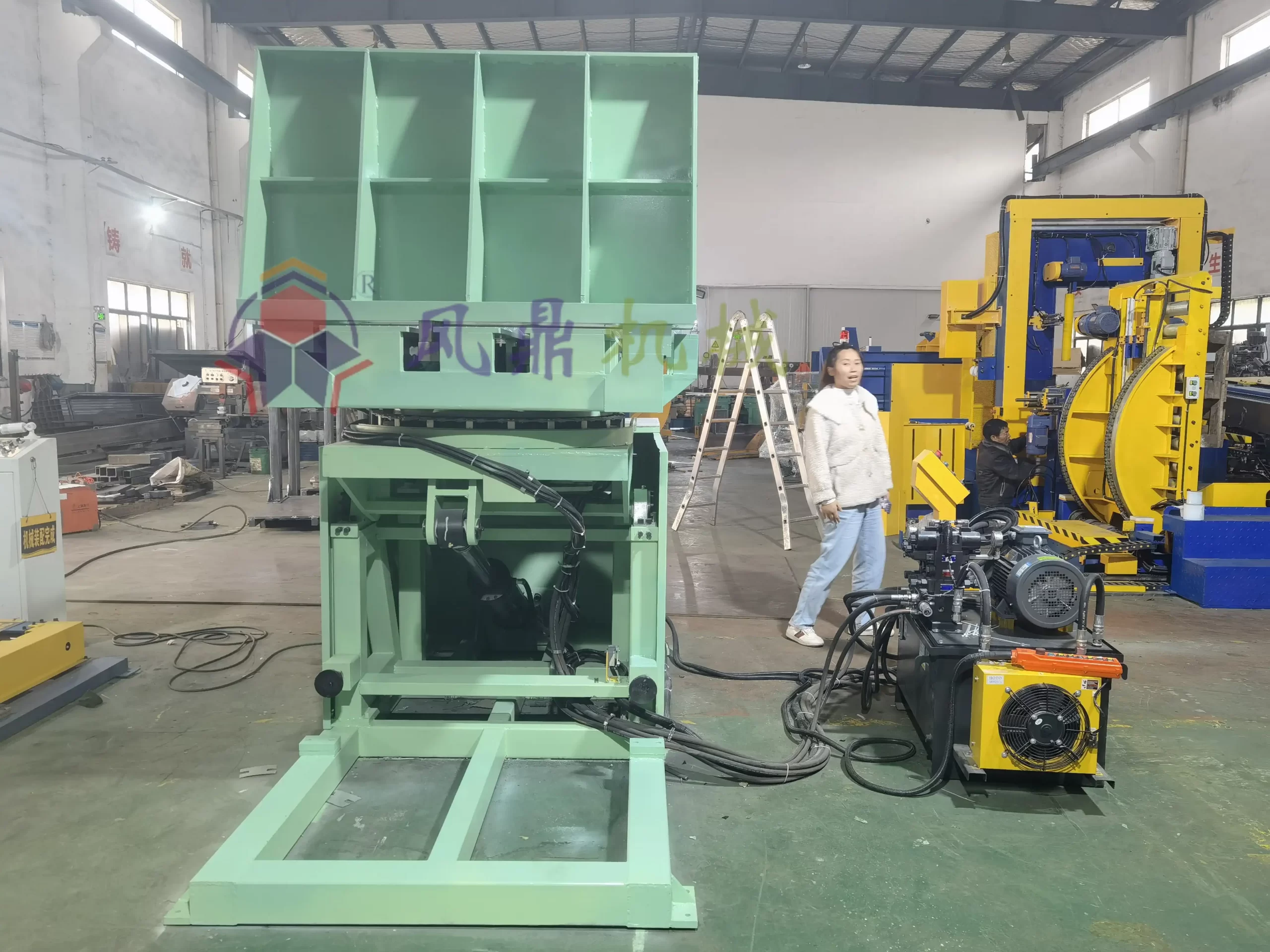
Pallet changer automation plays a critical role in enhancing safety and significantly reducing labor requirements. By mechanizing heavy lifting, flipping, and transferring tasks, it eliminates human exposure to risks like crushed limbs or falling goods. This directly lowers injury rates, reduces insurance costs, and frees up staff for less physically demanding roles. (automated material handling safety)

In my years, I have seen too many preventable accidents. Manual pallet handling is dangerous. It often involves heavy lifting, awkward positions, and unstable loads. Carlos, our logistics manager, has experienced several such incidents. This leads to injuries, downtime, and increased insurance premiums. Automation offers a clear path to a safer, more efficient workplace. Let us explore these benefits.
-
3.1 Mitigating Workplace Hazards
- Manual pallet changing involves significant physical risks. Workers often lift heavy items. They maneuver unstable stacks. They also use manual equipment that can cause injury. Common accidents include back strains, crushed hands or feet, and injuries from falling loads. These incidents are costly. They result in medical expenses, lost workdays, and potential legal liabilities. For a manager like Carlos, who values human safety, these risks are unacceptable.
- An automated pallet changer removes workers from these hazardous zones. Machines perform the heavy lifting and intricate movements. They do this without human intervention. This dramatically reduces the potential for accidents. For instance, a system that automatically flips or exchanges pallets keeps operators at a safe distance. It ensures consistent, secure handling of goods. FHOPEPACK designs our equipment with safety as a core principle. We incorporate features like safety light curtains, emergency stop buttons, and robust guarding. We do this to protect personnel. My passion for packing machines started with a desire to build better, safer tools.
- Beyond direct physical injury, automation also reduces fatigue. Tired workers are more prone to making mistakes. These mistakes can lead to accidents. By taking over repetitive and strenuous tasks, pallet changers help create a healthier work environment. This leads to higher morale. It also leads to a more focused workforce. (industrial safety solutions, automated hazardous task elimination, reducing manual handling risks)
-
3.2 Addressing Labor Shortages and Costs
- The logistics and warehousing sector faces a global labor crisis. It is hard to find and retain workers for physically demanding jobs. These jobs often offer lower wages. Younger generations are less willing to perform such tasks. This creates immense pressure on companies. It pushes them to find alternative solutions. Labor costs also continue to rise. This directly impacts operational budgets.
- Automating pallet changes directly addresses these challenges. It significantly reduces the number of staff required for this specific task. One machine can do the work of several people. This frees up your existing workforce. They can then take on more valuable, less strenuous roles. It also lessens the need for constant recruitment. This reduces training costs and turnover rates. Consider the long-term savings. The initial investment in automation pays off through reduced labor expenses. Carlos’s goal to reduce labor dependency aligns perfectly with this.
- Moreover, a smaller, more skilled workforce is easier to manage. It is also more productive. You can invest more in training these key employees. This makes your team more effective. FHOPEPACK solutions help businesses achieve this balance. We aim to deliver high performance with reduced manual labor. This helps ensure your operations remain competitive and sustainable. (labor cost reduction strategies, workforce optimization, automation for skilled labor reallocation)
Why Should You Prioritize Durability and After-Sales Support in Your Selection?
Are you tired of equipment breaking down at critical times? Does your current supplier disappear after the sale? The long-term performance of your pallet changer depends on its build quality and the support you receive. You need a partner, not just a vendor. (equipment reliability challenges)
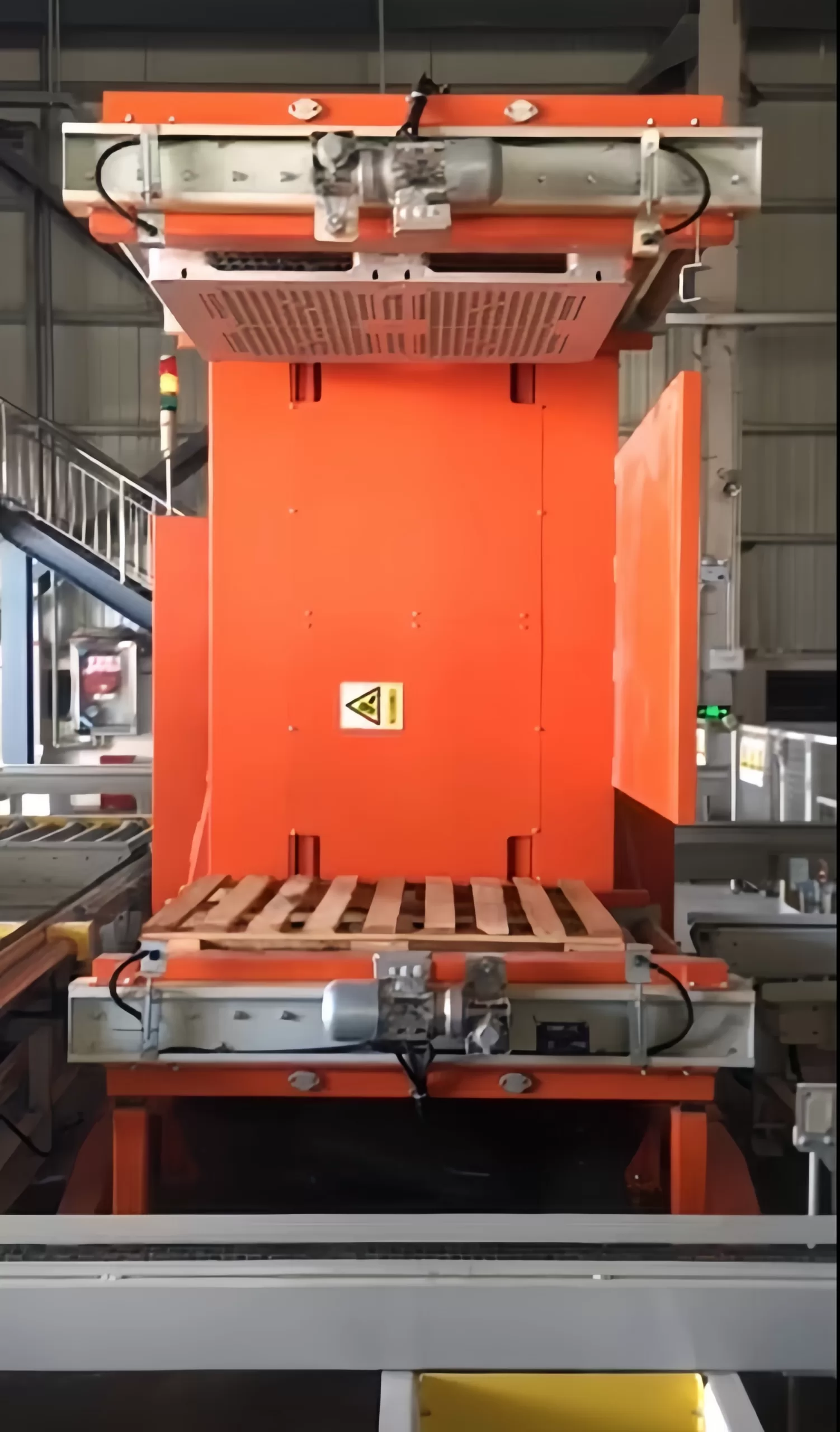
Engineers should prioritize durability and robust after-sales support because they are crucial for sustained operational efficiency and maximum ROI. Durable machines withstand high-intensity use, minimizing downtime, while reliable after-sales service ensures quick repairs, parts availability, and expert assistance, which are vital for complex warehousing environments. (industrial machinery longevity, essential post-purchase support)

I built FHOPEPACK from the ground up. I know that machinery must perform day in and day out. It must withstand the rigors of industrial use. A cheap machine that constantly breaks is more expensive in the long run. Carlos explicitly seeks a partner who understands warehousing pain points. He wants one that offers flexible solutions and not just machines. Let us explore why these factors are non-negotiable.
-
4.1 The Importance of Robust Construction and Components
- Warehouse environments are demanding. Equipment operates continuously. It often handles heavy loads. This requires machines built to last. Durable construction means using high-grade materials. It means precise engineering. It also means quality components. For a pallet changer, this includes strong steel frames, reliable hydraulic systems, and industrial-grade electrical parts. A machine designed for high intensity will not falter under pressure.
- Consider the daily stress on a pallet changer in a busy distribution center. Thousands of cycles every day take a toll. A poorly built machine will experience frequent breakdowns. This leads to costly downtime. It also leads to missed deadlines. This can result in significant financial losses. FHOPEPACK’s commitment is to use superior materials and rigorous testing. We ensure our pallet changers offer exceptional durability. This minimizes wear and tear. It also extends the machine’s lifespan. My own experience taught me that quality components are an investment, not an expense.
- Engineers must look beyond the initial purchase price. They should consider the total cost of ownership (TCO). This includes maintenance, repairs, and lost productivity due to downtime. A robust machine might have a higher upfront cost. However, it will save money over its operational life. It will do this by requiring less maintenance and offering consistent performance. This is why prioritizing durability is a smart long-term strategy. (heavy-duty equipment selection, industrial component quality, total cost of ownership reduction)
-
4.2 The Value of Comprehensive After-Sales Support
- Even the most durable machine will eventually need maintenance or occasional repairs. This is where after-sales support becomes critical. A supplier who offers excellent support ensures your operations remain smooth. This includes prompt technical assistance. It also means readily available spare parts. It also means skilled technicians for on-site service. Without this support, a breakdown can turn into a crisis.
- Imagine a pallet changer failure during peak season. If parts are unavailable or technical help is slow, your entire supply chain can grind to a halt. This leads to significant financial losses. It also damages customer relationships. A reliable partner, like FHOPEPACK, understands this urgency. We offer comprehensive support packages. These include preventative maintenance schedules. They also include quick response times. We aim to minimize your downtime. This ensures your investment continues to deliver value. I have always believed that our commitment to clients extends far beyond the point of sale.
- Engineers should evaluate a vendor’s reputation for service. They should check their spare parts inventory. They should also look at their technical expertise. A supplier that invests in its support network shows a true commitment to its customers. This partnership approach is what Carlos is seeking. It ensures that any issue is resolved quickly and efficiently. This keeps your warehouse running smoothly. (equipment maintenance services, reliable spare parts supply, technical support availability)
How Do You Assess the Real Cost and ROI of a Pallet Changer Investment?
Are you wondering if a pallet changer is truly a worthwhile investment? Is the upfront cost making you hesitate? Calculating the real return on investment (ROI) for such equipment can seem complex. You need to justify this capital expenditure. (capital investment justification)
Assessing the real cost and ROI of a pallet changer investment involves looking beyond the initial purchase price. It requires a comprehensive analysis of direct operational savings (labor, damage), increased efficiency, safety benefits, and long-term maintenance costs. A thorough calculation proves how automation can reduce overall expenses and enhance profitability over time. (return on investment calculation, automated equipment profitability)


When I started my factory, every investment had to make sense financially. It had to show a clear path to profitability. This is still true for FHOPEPACK and our clients. Carlos’s goal is to reduce overall operational costs. He wants to ensure compliance and customer satisfaction. A clear understanding of ROI is vital to achieve this. Let us break down how to properly evaluate this critical investment.
-
5.1 Quantifying Direct and Indirect Savings
- The most straightforward way to assess ROI is by quantifying the savings. Direct savings come from reduced labor costs. An automated pallet changer can replace several manual laborers. This significantly cuts payroll expenses. It also reduces costs associated with hiring, training, and managing staff. Another direct saving is reduced product damage. Manual handling often leads to goods being dropped or mishandled. This results in costly waste and returns. Automation minimizes these errors.
- Indirect savings are just as important. Improved workplace safety leads to fewer accidents. This lowers insurance premiums. It also reduces compensation claims. Enhanced efficiency means faster throughput. This allows for handling more volume with the same or fewer resources. This can even open opportunities for new business. Reduced operational bottlenecks lead to fewer penalties for delayed shipments. For Carlos’s international group, avoiding contract penalties is a huge saving. FHOPEPACK’s solutions are designed to deliver these quantifiable benefits. We focus on improving your bottom line.
- Engineers should conduct a detailed analysis. They should compare current manual operational costs against projected costs with an automated system. This includes wages, benefits, damage rates, and potential penalties. A clear financial model will highlight the tangible benefits. It will show how the investment pays for itself. (operational cost reduction, supply chain efficiency savings, damage prevention benefits)
-
5.2 Considering Increased Throughput and Competitive Advantage
- Beyond direct cost savings, a pallet changer can significantly boost your overall throughput. Faster pallet changes mean more goods moving through your warehouse each day. This increased capacity allows your business to scale without proportional increases in labor. It helps meet growing customer demand. For e-commerce and retail clients, quicker deliveries are a major competitive advantage.
- Implementing automation also positions your company as forward-thinking. It shows you are efficient. This attracts new clients. It can also help retain existing ones. The ability to handle diverse pallet types quickly and safely enhances your service offering. It makes you a more reliable partner in the supply chain. Companies like Carlos’s food and beverage group need to stay ahead. They must maintain their competitive edge. A FHOPEPACK pallet changer helps achieve this. It offers both efficiency and reliability.
- Therefore, the ROI calculation should not just be about cost reduction. It should also include revenue generation potential. This includes increased sales volume. It also means improved market share due to enhanced service capabilities. Engineers should project how increased capacity and faster service can translate into growth. This holistic view provides a more accurate picture of the investment’s true value. (enhanced production capacity, competitive market positioning, business growth through automation)
Conclusion
Choosing the right pallet changer involves careful consideration of versatility, efficiency, safety, durability, and ROI. By evaluating these factors, engineers can select a system that optimizes operations, reduces costs, and ensures long-term success. Prioritizing these aspects will lead to a strategic investment in a reliable [pallet inverter] (https://www.fhopepack.com/pallet-inverter/ “pallet inverter”) system.












