
What Safety Features Must a Mold Tilter Have for Turkey’s High-Volume Production?
Imagine your factory floor. Heavy molds move around. Workers struggle with manual lifting. This is a common scene, especially in places with high production like many factories in Turkey or Mexico. This way of working causes slow production. It also puts your team at risk every day. Accidents happen often. They lead to big costs for your business. It is a problem that affects both your profit and your people. But there is a better way to move heavy items. A mold tilter can change everything. It offers a solution to these critical challenges.
A mold tilter must have many key safety features, especially for high-volume work. These features include a very strong frame and structure. They need overload protection to stop too much weight. Emergency stop buttons must be easy to reach. Safety interlocks prevent wrong actions. Clear controls and proper guarding keep operators safe. A stable base is also very important. These parts work together to make operations safer and more efficient. They also help maintain consistent production speeds.
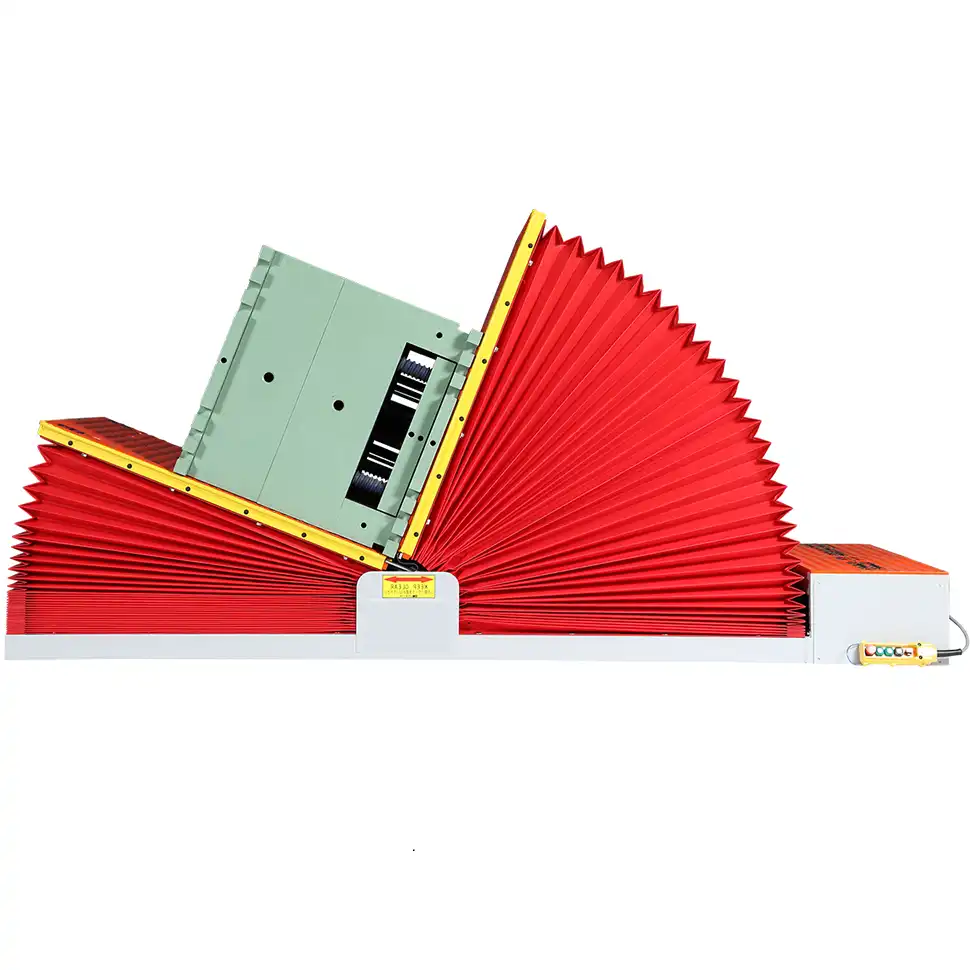
You want to make your operations safer. You also want to run them better. Understanding these safety features is very important. It is not just about avoiding accidents. It is about building a system that works well every time. It is about making sure your investment truly pays off. Let us look at what makes a mold tilter truly safe for demanding factory floors. We will cover structural design, advanced control systems, and critical operator safety measures.
Is Structural Integrity The Most Important Safety Feature For A Mold Tilter?
Think about the huge weight of a mold. It can be many tons. Manual handling is extremely dangerous. One slip can lead to serious injury or even worse. This risk is very high in busy factories. A weak machine can collapse. This stops production completely. It puts your whole team at risk. You need equipment that stands strong.
Yes, structural integrity is a very important safety feature for a mold tilter. It is the foundation of all other safety aspects. A tilter must have a heavy-duty frame. It needs strong materials like high-grade steel. Welds must be perfect. The design must handle maximum loads with a good safety margin. This ensures the machine does not fail under stress. It also protects workers from falling molds.

When I started my own packing machine factory, I learned fast about machine design. I saw how a machine’s base structure affects everything. If the frame is weak, no safety sensor can fix it. For a mold tilter, this is even more true. These machines lift and turn very heavy things. They put a lot of stress on the metal. So, the materials used must be top quality. High-grade steel is a must. The thickness of the steel plates matters. Gussets and reinforcements are important too. They add strength at stress points. Good welds are critical. A bad weld is like a hidden crack waiting to happen. It can fail under heavy load. This causes a sudden drop. That drop can destroy a mold. It can also hurt a worker badly. I always tell my clients to ask about the steel grade. They should also ask about the welding process.
Understanding Load Capacity and Safety Factors
Every mold tilter has a stated load capacity. This is the maximum weight it can lift. But a truly safe machine adds a safety factor. This means the machine is designed to hold much more than its stated maximum. For example, a 10-ton tilter might be built to handle 15 tons without breaking. This extra capacity is a safety net. It covers unexpected loads or dynamic forces during tilting. Always check if the manufacturer uses a high safety factor. This protects against both normal wear and accidental overloads. It ensures the machine operates reliably even under extreme conditions.
Importance of Base Stability and Anchoring
A mold tilter moves heavy objects. This creates shifting weight. So, the base of the machine must be very stable. It needs a wide footprint. It also needs a way to anchor it firmly to the floor. Bolting the tilter down prevents it from tipping. It stops it from sliding during operation. In high-volume settings, machines work almost non-stop. Any wobble or movement can cause big problems. It can damage the mold. It can hurt the operator. I once saw a small machine that was not bolted down. It shifted just a little. That small shift caused a big problem down the line. It taught me a valuable lesson. Always secure your equipment. Proper anchoring is not an option; it is a necessity for safe, continuous operation.
| Feature | Why It Matters | Impact on Safety |
|---|---|---|
| High-Grade Steel | Resists deformation and fatigue under heavy loads | Prevents structural failure, mold drops |
| Robust Welding | Ensures strong, durable connections between parts | Avoids sudden collapses due to weak joints |
| High Safety Factor | Handles loads beyond rated capacity, prevents overload | Reduces risk of failure from unexpected forces |
| Stable Base Design | Distributes weight evenly, resists tipping | Keeps machine upright, prevents falls |
| Secure Anchoring | Prevents movement during operation, keeps machine still | Eliminates sliding and tipping risks |
How Do Advanced Control Systems Prevent Accidents In High-Volume Tilting Operations?
Manual control of heavy machinery is risky. Human error can happen. One wrong button press can cause a disaster. This is especially true when things move fast. In a high-volume factory, every second counts. You cannot afford mistakes. Old systems do not offer enough protection. They rely too much on the operator.
Advanced control systems use smart technology to prevent accidents. They have features like programmable logic controllers (PLCs) for precise movement. Sensors detect problems such as misalignment or overload. Interlocks ensure operations happen in the right order. Remote controls keep operators away from moving parts. Diagnostic tools help find issues before they become dangerous. These systems reduce human error. They make operations much safer.

When I designed packing machines, I always thought about the operator. A machine can be strong, but if the controls are not good, problems will happen. Modern mold tilters use advanced control systems. These are not just simple buttons. They are smart brains inside the machine. A PLC, or Programmable Logic Controller, is key here. It makes sure every step happens in the correct order. It stops the machine if something is wrong. For example, it will not tilt a mold if the clamps are not fully engaged. This prevents a mold from slipping out. This level of precision is very important for high-volume work. Production lines move fast. There is no time for redoing tasks. There is also no room for error.
Sensor Integration and Automatic Shut-offs
Advanced systems use many sensors. These sensors are like the machine’s eyes and ears. They detect a wide range of conditions. For instance, load sensors check the weight. They make sure it is not too heavy. If it is, the machine will not start. Or it will stop instantly. Proximity sensors detect if parts are too close to each other. They stop the machine if a person or another object enters a danger zone. Temperature sensors can monitor motors. If a motor gets too hot, it can be damaged. The system will alert the operator. It might even shut down to prevent a breakdown. This automatic shutdown feature is a lifesaver. It protects both the machine and the people around it. I remember a factory that had a lot of product damage. It was because their old machines did not have these sensors. When they upgraded, their losses dropped fast. This clearly showed the value of smart sensors in improving both safety and efficiency.
User-Friendly Interfaces and Remote Operation
Safety also comes from how easy a machine is to use. A complex control panel can lead to errors. Modern mold tilters have intuitive touchscreens. These screens show clear information. They guide the operator through each step. This reduces training time. It also reduces mistakes. Remote control options are also important. An operator can stand far away from the moving parts. This keeps them out of the direct danger zone. They can still see everything. They can stop the machine instantly if needed. This is a simple but very effective safety measure. It builds a safer workplace. It also makes operators feel more secure. This makes them work better. A well-designed interface helps avoid confusion and ensures correct operation, even during peak production times.
| Control System Feature | How It Boosts Safety | Real-World Impact |
|---|---|---|
| PLC (Programmable Logic Controller) | Ensures correct sequence of operations, prevents improper steps | Eliminates human sequencing errors, protects equipment |
| Load Sensors | Detects overweight conditions, prevents overloads | Stops operation before structural failure |
| Proximity Sensors | Identifies objects or people in danger zones, stops movement | Prevents collisions, protects personnel |
| Emergency Stop Buttons | Instantly cuts power in an emergency | Immediate shutdown for critical situations |
| Remote Controls | Allows operation from a safe distance | Keeps operators out of direct hazard area |
| Diagnostic Tools | Identifies machine faults before they cause failures | Prevents unexpected breakdowns and accidents |
Why Are Operator-Centric Safety Measures Crucial For Mold Tilters In Busy Factories?
Machines are important. But people are even more important. A powerful machine can be very dangerous if operators are not safe. In busy factories, workers move fast. They might get tired. They might make mistakes. Relying only on machine features is not enough. You need to protect the people who run the machines.
Operator-centric safety measures are crucial because they directly protect the human element. These include easy-to-reach emergency stops, clear safety labels, and audible alarms. Physical guarding keeps hands and bodies away from pinch points. Proper training ensures operators understand risks and procedures. Light curtains and safety mats create invisible barriers. These measures acknowledge that human interaction with machines always carries a risk, so they build safety around the operator.

My time on the factory floor taught me that no machine is 100% safe without careful operators. Even the best-designed mold tilter needs thoughtful safety features for the people who use it. When Michael, a factory manager, looks at new equipment, I know he thinks about his team. He wants them safe. This means looking beyond the machine itself. It means looking at how people interact with it. For high-volume production, the speed of work increases risks. Operators can get complacent. They can get distracted. So, safety features must be intuitive. They must also be impossible to bypass. This proactive approach to safety is what truly defines a high-quality machine.
Physical Guarding and Access Control
Physical guarding is the first line of defense. These are solid barriers. They stop operators from reaching into moving parts. Think about fences around the tilting area. Or covers over gears and chains. These guards prevent accidental contact. They make sure no one can get hurt by moving machinery. Another important part is access control. This means stopping unauthorized people from operating the machine. It can be a key system or a password. This prevents someone who is not trained from starting the tilter. When I was setting up my factory, I insisted on full guarding. It made a huge difference. Our accident rates were very low compared to others. It is a simple concept, but it works very well to prevent many types of injuries.
Training and Clear Communication
Even with great safety features, training is still key. Operators must know how to use the mold tilter safely. They need to understand its limits. They must know what to do if something goes wrong. Training should cover daily checks. It should also cover emergency procedures. Clear labels on the machine are also important. They show danger zones. They explain controls. Signs warn about pinch points or heavy loads. Audible alarms and flashing lights signal when the machine is moving. These sounds and lights alert everyone nearby. They give people time to move to safety. This is especially useful in noisy factory settings. My own experience showed me that good training reduces human error by a lot. It also makes workers feel more confident and valued.
Emergency Response and Lockout/Tagout
Every mold tilter must have easily accessible emergency stop buttons. These buttons stop the machine immediately. They are usually bright red and big. Operators must know exactly where they are. They must be able to hit them without thinking. But safety goes beyond stopping the machine. When maintenance is needed, the machine must be completely de-energized. This is called Lockout/Tagout. It means cutting off all power sources. Then, locking them so they cannot be turned back on by accident. A tag is added to show why the power is off. This protects maintenance workers. It prevents the machine from starting unexpectedly. I have seen how critical this is. Without strict Lockout/Tagout rules, maintenance can be deadly. It is a fundamental procedure that protects lives.
| Operator-Centric Feature | Purpose | Safety Benefit |
|---|---|---|
| Emergency Stop Buttons | Immediate machine shutdown in critical situations | Prevents worsening of accidents, rapid response |
| Physical Guarding | Creates barriers to moving parts, pinch points | Eliminates direct contact with hazards, prevents injuries |
| Clear Labeling/Signs | Provides visible warnings and instructions | Informs operators and bystanders of dangers |
| Audible/Visual Alarms | Alerts personnel to machine movement or hazards | Gives time to react, improves situational awareness |
| Operator Training | Teaches safe operation, risk recognition, procedures | Reduces human error, builds competence |
| Lockout/Tagout Procedures | Ensures machine cannot be accidentally restarted | Protects maintenance workers during servicing |
Conclusion
Choosing a mold tilter with strong safety features is a smart investment. It protects your workers and your products. It also makes your factory run better and more profitably. Focus on structural strength, smart controls, and operator safety.








