
How Does a Mold Upender Reduce Downtime in Turkey’s Automotive Mold Factories?
Factory managers in Turkey’s automotive mold industry face huge challenges every day. You have high production targets. You also have to keep costs down. And worker safety is always on your mind. Manual handling of heavy molds is a major problem. It slows everything down. It also puts your team at risk.
A mold upender quickly and safely flips heavy molds or dies. This removes the need for manual, risky lifting. It makes the production line move faster. This helps factories in Turkey cut down on waiting times and boost output. This directly reduces costly downtime.
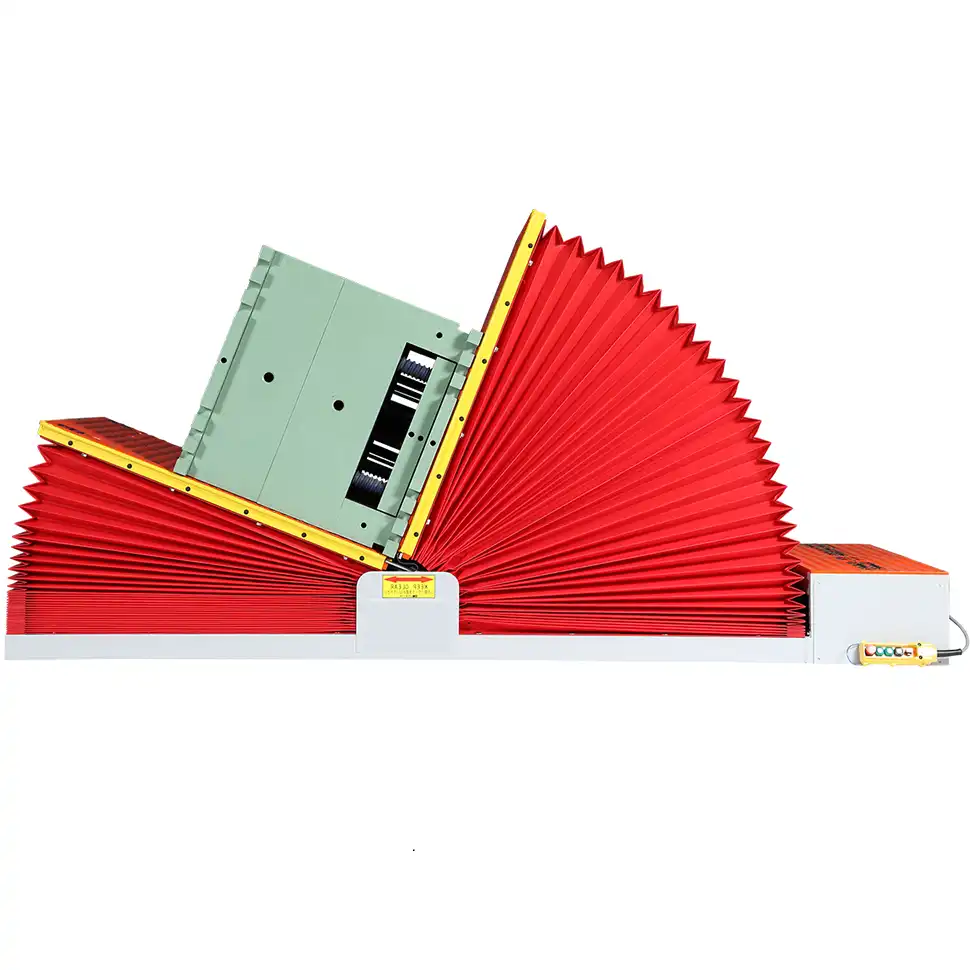
I know these problems very well. I started as an engineer. Then I built my own packing machine factory. I have seen how much difference the right equipment makes. I learned that smart investments can transform a business. Let’s look closer at how mold upenders help factories like yours in Turkey. They tackle the biggest issues.
Why Do Manual Mold Handling Methods Lead to Downtime in Turkish Factories?
Many Turkish automotive mold factories still move heavy molds by hand. This seems like a way to save money at first. But it often causes big problems. It creates long delays. It is also very dangerous for your workers. Think about the costs of injuries and production stops.
Manual mold handling causes downtime due to slow, labor-intensive processes. It creates high risks of worker injury and product damage. This stops production lines. It also leads to increased insurance costs and staff turnover. These hidden costs hurt your bottom line.
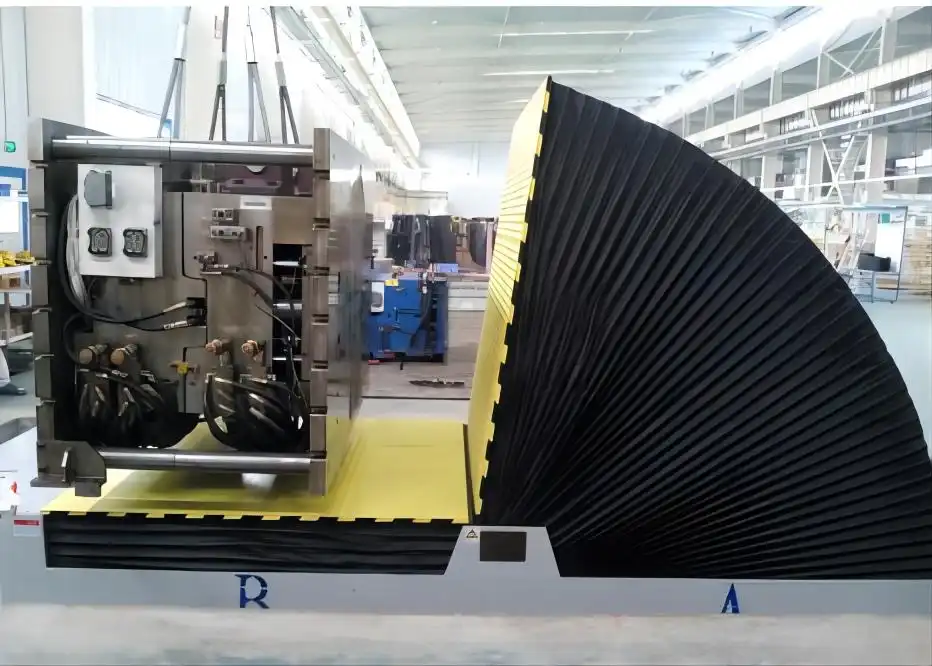
When I started my factory, I saw these issues first-hand. We almost had a serious accident because of a heavy coil. That day I realized safety must come first. The old ways of doing things simply do not work in modern manufacturing. They create many problems that add up to big losses.
Slow Speeds and Bottlenecks
Moving a mold by hand takes a lot of time. Workers need to use cranes. They must position the mold carefully. This is a slow process. It can hold up the whole production line. Every minute the line stops, you lose money. It creates a bottleneck at the end of the line. This means your factory cannot produce as much as it should. Your delivery times get longer. This makes customers unhappy.
High Safety Risks
Manual mold handling is very dangerous. Molds are very heavy. Workers can drop them. They can also strain their backs. Accidents lead to serious injuries. This means workers cannot come to work. Your factory might face legal problems. Insurance costs go up. No manager wants their workers to get hurt. Michael, a factory manager I spoke with, always put safety first. He told me about his fear of workers getting hurt. He knew a single accident could disrupt his entire operation.
Product Damage
Heavy molds can get damaged during manual moves. A small bump can cause a scratch. It can also damage the mold edges. This means you have to fix or replace the mold. This costs money and time. It also makes customers unhappy. They expect perfect products. Damaged molds reduce your profit. It also hurts your factory’s reputation.
Hidden Costs
The costs of manual handling are more than just wages. You have higher insurance premiums. You pay for worker injuries. You also have lower worker morale. Workers who feel unsafe might leave. Training new staff costs money. All these things add up. They eat into your profits. They make your factory less competitive. It is a hidden drain on your resources.
How Does a Mold Upender Improve Worker Safety and Reduce Injury Risks?
Worker safety is always a top priority for any factory manager. Heavy molds are hard to move. Accidents can happen very easily. These accidents cost a lot of money. They also hurt people. Factories need a much better way to handle these large, heavy items.
A mold upender removes the need for manual lifting and turning of heavy molds. It uses strong hydraulic power to do the work. This cuts down on strain injuries and accidents. Workers stay safe. Production keeps going without interruption.
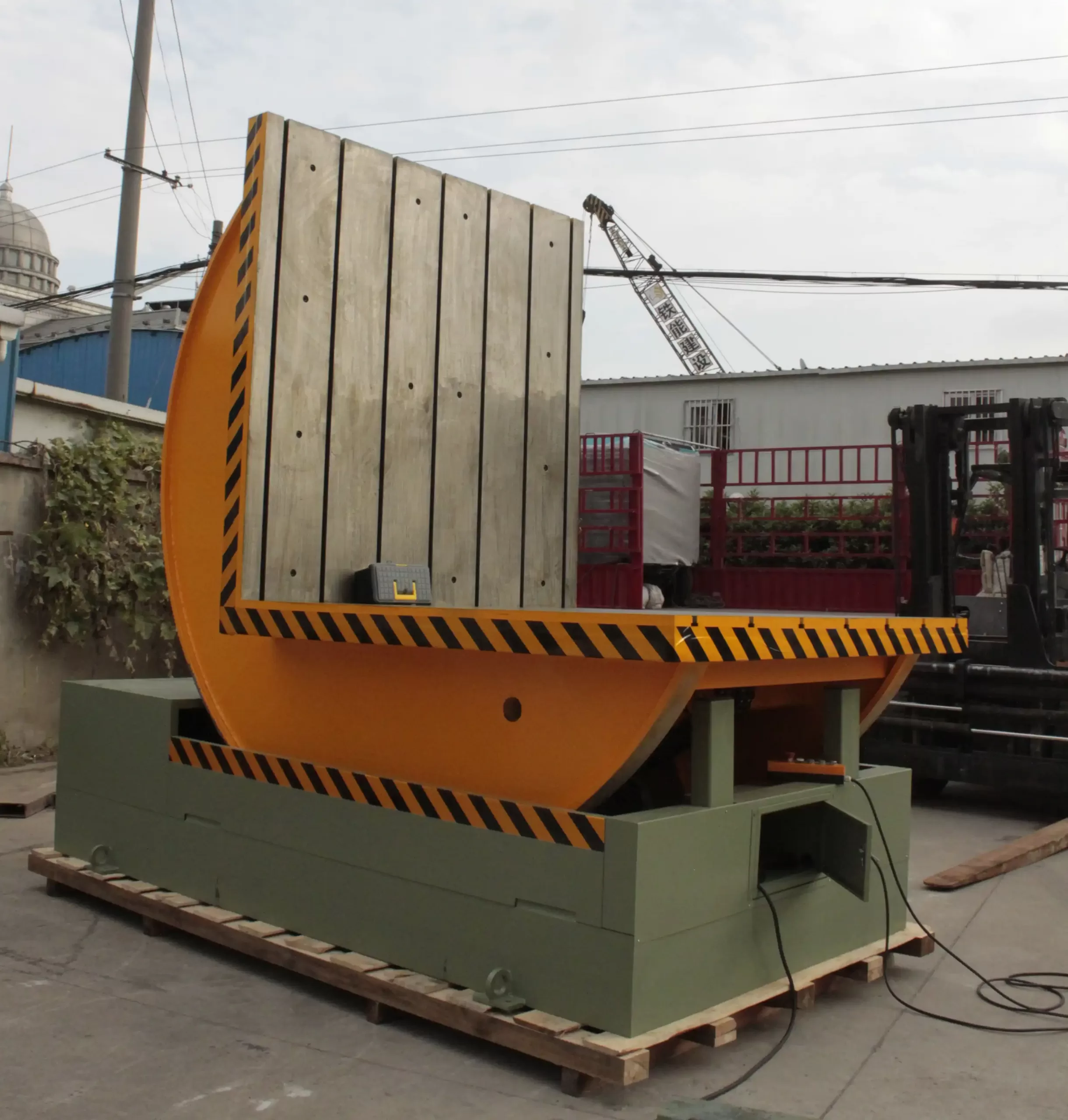
I have always believed that worker safety is not just good for people, but good for business. When I was building my own factory, I invested in equipment that protected my team. A safe workplace is a productive workplace. An upender is one of the best examples of this idea. It directly solves some of the most pressing safety concerns Michael Chen described to me. He was always looking for ways to reduce heavy lifting, as it was a major source of injuries in his plant.
Eliminates Manual Lifting
A mold upender takes away the need for workers to lift or pull heavy molds. It does all the heavy work. This means workers do not strain their muscles. They do not risk back injuries. The machine handles molds weighing tons with ease. This is much safer than any human effort. It means less physical stress on your team. This protects their health in the long run. It is a simple way to remove a major risk from the factory floor.
Reduces Strain and Fatigue
When workers do not lift heavy things, they get less tired. Tired workers make mistakes. They are also more likely to get hurt. An upender reduces this fatigue. Workers can focus on other tasks. They can work more safely and for longer periods. This leads to fewer accidents due to tiredness. It keeps your team fresh and alert throughout their shift. This improves overall safety performance.
Prevents Accidents
Accidents happen when heavy objects are dropped. They also happen when machines are not used right. A mold upender is designed for safety. It holds the mold securely. It rotates it in a controlled way. There is no sudden movement. There is no risk of dropping the mold. This prevents crushing injuries. It also prevents damage to other equipment. It is a very stable and predictable machine. This lowers the chance of unforeseen accidents.
Compliance and Morale
Factories need to follow safety rules. A mold upender helps you meet these rules easily. It shows you care about your workers. When workers feel safe, they are happier. They work harder. They stay with the company longer. This reduces staff turnover. It also improves overall morale. A safe factory is a strong factory. This positive impact on morale is something Michael Chen highly valued. He knew a happy workforce meant a more productive one.
Can a Mold Upender Really Boost Production Speed and Efficiency?
Every factory manager wants higher output. Slow mold changes stop the whole production line. Every minute of idle time is money lost. Old ways of moving molds are just not fast enough for today’s demands. This creates frustration and missed targets.
Yes, a mold upender significantly boosts production speed. It automates the mold flipping process. This is much faster than manual methods. It reduces changeover times and removes bottlenecks. It keeps the production line flowing smoothly. This means more products go out the door.
When I ran my own factory, we looked for every way to cut time. We knew that even small delays added up. Automating key steps like mold handling was key. We saw immediate improvements. My clients, like Michael, also saw huge gains. He was always looking for ways to speed up his coil and wire packing lines, and the same principles apply here. Automation changes everything.
Faster Changeovers
Changing molds is a common task in mold factories. Manual changes take a lot of time. Workers have to align the crane. They have to secure the mold. Then they slowly flip it. A mold upender does this quickly. It is a one-person job. It takes minutes, not hours. This means your production line can start making new parts much faster. You gain valuable production time every day.
Smoother Workflow
Manual mold handling often breaks the flow of work. It creates pauses and waits. An upender makes the process smooth. Molds are moved quickly from one stage to the next. There are no sudden stops. There are no long delays. This helps keep the entire operation running like a well-oiled machine. It reduces idle time for other machines and workers.
Reduced Bottlenecks
The mold handling step can become a bottleneck. This means it is the slowest part of the process. It limits how fast your whole factory can run. An upender removes this bottleneck. It makes the mold handling fast and efficient. This allows other parts of your production line to work at their full speed. Your overall output goes up. This helps you meet tighter deadlines and customer demands.
Consistent Performance
Human workers can be inconsistent. Some days they are faster than others. A mold upender performs the same way every time. It is consistent. This means you can plan your production better. You know how long each mold change will take. This makes your factory more reliable. It leads to predictable production output. This consistency is vital for big automotive suppliers. It ensures they can rely on your factory’s ability to deliver.
What Is the Return on Investment (ROI) for a Mold Upender in Turkish Factories?
Any new machine needs to make financial sense. Factory managers like Michael Chen need to see clear returns on their investment. Investing in equipment without a good ROI is a bad business decision. You need to know that an upender will pay for itself.
A mold upender offers a strong return on investment. It cuts labor costs, reduces product damage, and lowers insurance claims. The increased production output also adds to profits. These savings quickly pay for the machine. It is a smart financial move.
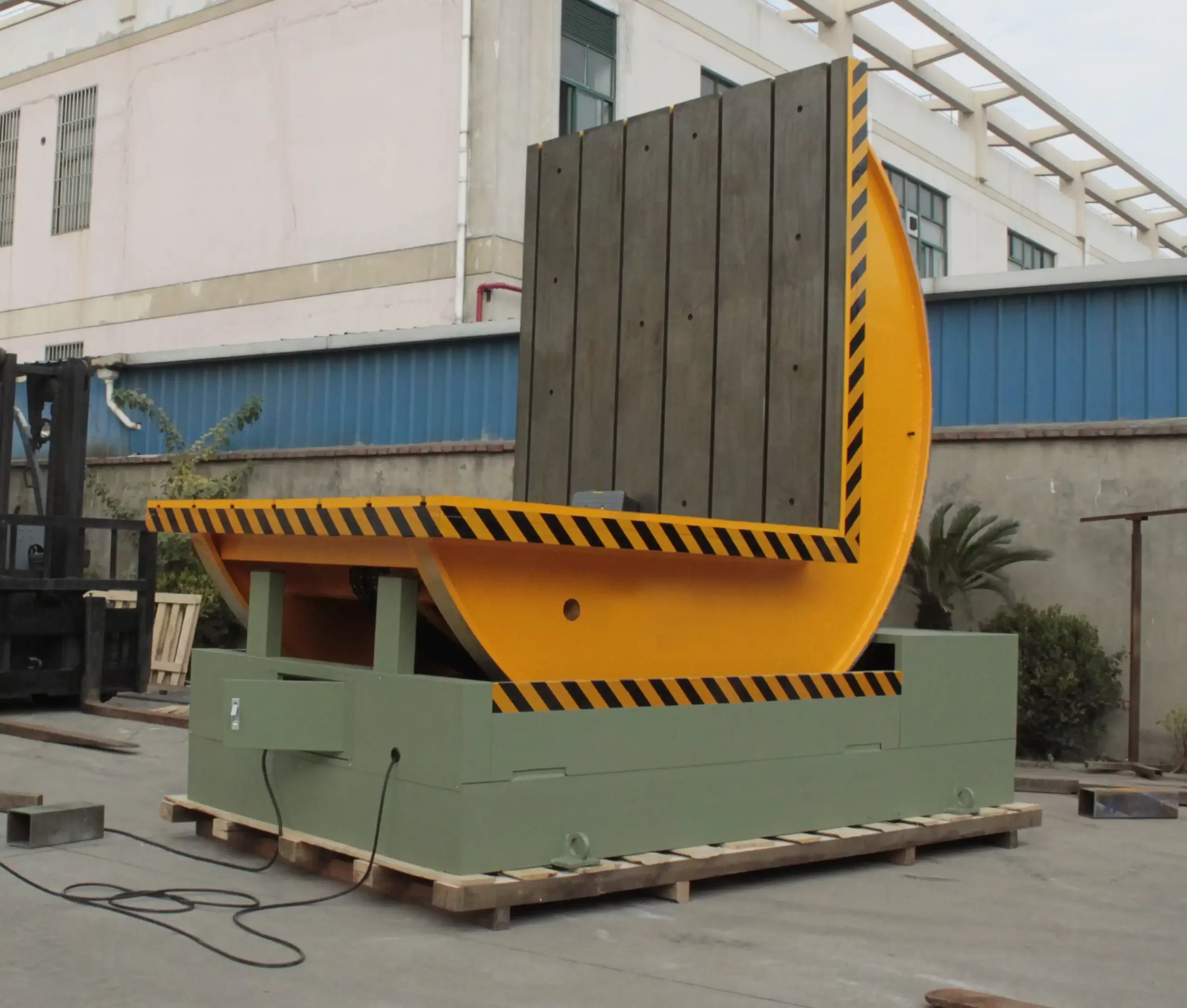
I have helped many clients grow their businesses. We always looked at ROI very closely. When we showed them the numbers for a packing machine, or an upender, they saw the value. It was not just about the machine itself. It was about how the machine helped their business grow and make more money. This is how I became financially independent. I want to share this knowledge. The numbers for a mold upender speak for themselves.
Labor Cost Savings
A mold upender takes the place of many workers for a dangerous task. You do not need as many people for mold handling. This reduces your labor costs. Over time, these savings add up. They can quickly pay for the machine. You can use your skilled workers for other, more important tasks. This makes your workforce more efficient overall. Michael’s factory had high labor costs for manual processes, and reducing this was a key goal for him.
Reduced Product Damage
Every damaged mold costs money. It means scrap material. It means rework. It means lost profit. An upender handles molds gently and precisely. This reduces the chance of damage. Less damage means fewer losses. It means higher quality products leaving your factory. This directly impacts your bottom line in a positive way. It also keeps your customers happy.
Lower Insurance and Medical Costs
Fewer accidents mean lower insurance claims. It means lower medical bills for injured workers. Your insurance premiums might even go down. A safer workplace reduces these unexpected costs. It creates a more stable financial environment for your factory. This long-term saving is a significant part of the ROI. It avoids the hidden drain of worker compensation and related expenses.
Increased Output and Revenue
By cutting downtime and speeding up mold changes, your factory can produce more. More products mean more sales. More sales mean more revenue. The upender helps you use your factory capacity better. This leads to higher profits. It helps you take on more orders. It helps your business grow in a very real way. This increased capacity is a direct path to higher earnings.
Long-term Benefits
Beyond immediate savings, an upender offers long-term benefits. It makes your factory more competitive. It improves your reputation for safety and efficiency. It makes your factory a better place to work. These things are hard to put a price on. But they help your business succeed for many years. It is an investment in the future of your factory.
Conclusion
A mold upender helps Turkish automotive mold factories a lot. It makes things safer, faster, and saves money. It is a smart investment for any modern factory.








