
What Role Do Coil Strapping Lines Play in Export Compliance and Safety Standards?
You run a steel plant. You know the pressure of dispatching hundreds of tons of steel coils daily. Think about the hidden costs of manual packing: delays, customer complaints, even fines. What if one part of your production line could remove these headaches and boost your plant’s reputation? This is where modern coil strapping lines come in.
Coil strapping lines are crucial for meeting export compliance and safety standards by ensuring steel coils are securely, consistently, and reliably packaged. They provide uniform strapping tension, protect against transit damage, and allow for integration of critical labeling and certification processes. This automation reduces human error, improves workplace safety, and guarantees that each coil adheres to international shipping regulations.
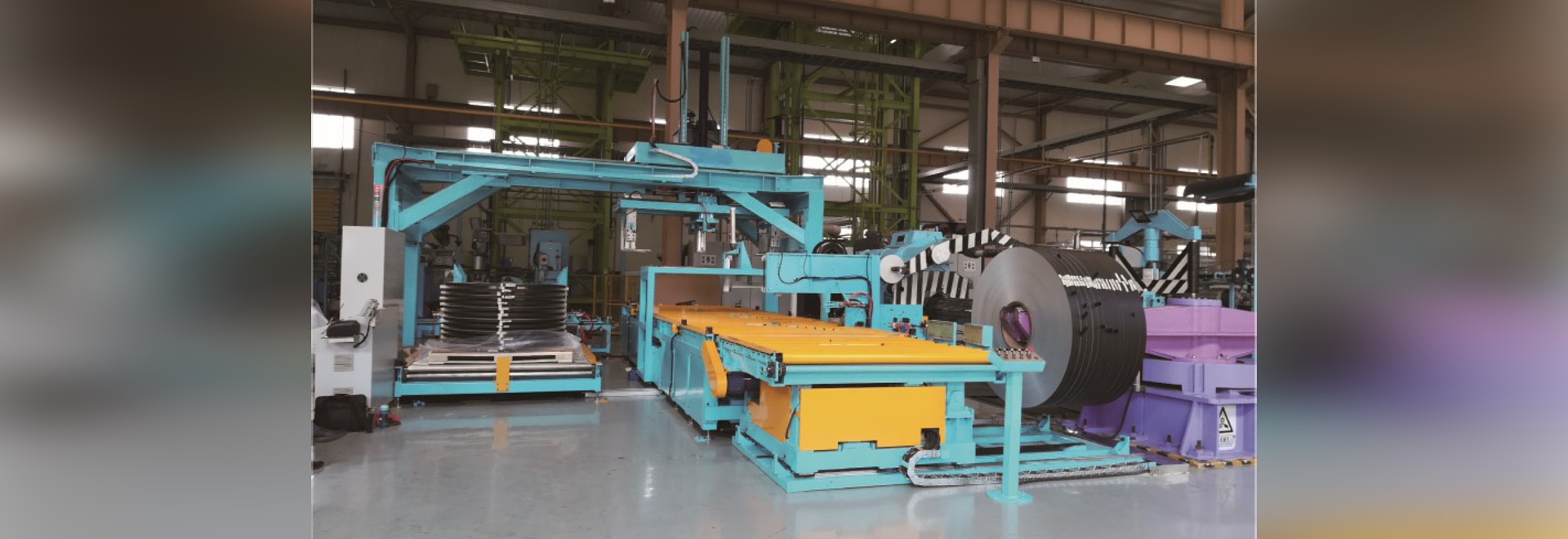
I have seen firsthand how the right packing solution can change an entire operation. My journey in the packing machine industry taught me that the challenges you face, like labor shortages or inconsistent quality, are common. But there are proven ways to overcome them. Let’s explore how automated coil strapping lines address these critical points for your business.
Why Are Coil Strapping Lines Essential for Meeting International Export Standards?
You want to ship your steel coils globally. But international markets have strict rules. You might worry if your current packing meets CE/ISO standards. What happens if a shipment is rejected because of poor packaging? This can cost you time and money.
Coil strapping lines are essential for international export standards because they provide consistent, certified packaging that adheres to global regulations like CE and ISO. They ensure coils are securely bundled, protected from environmental factors, and properly labeled for traceability, preventing rejections and enhancing market access.
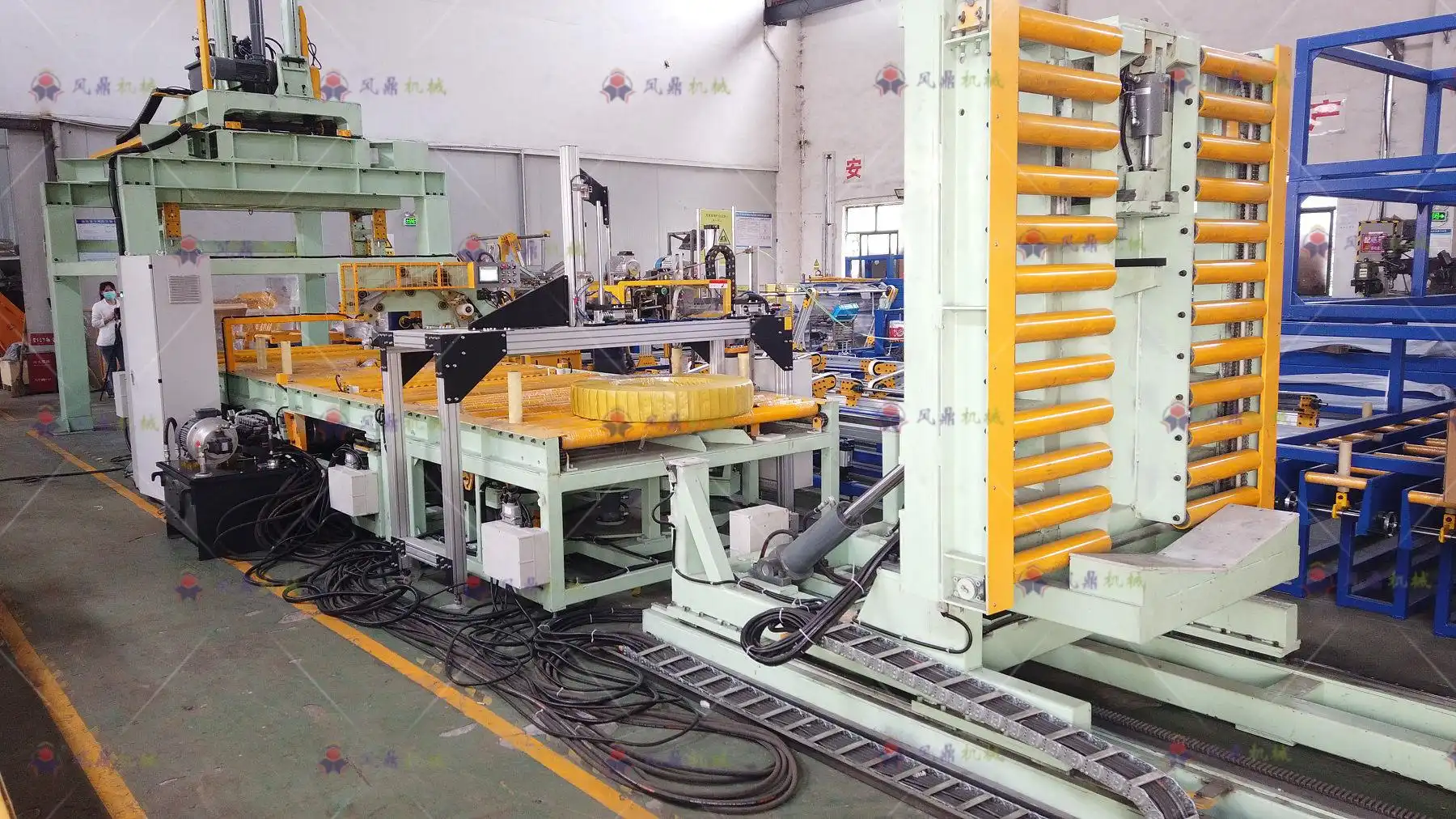
As a packing machine engineer, I have helped many clients navigate these complex requirements. I know the value of robust packaging. It protects your product. It protects your reputation. We need to look deeper into how these lines make sure your steel coils are ready for the world.
1. Meeting Global Compliance Requirements
Exporting steel coils means following many rules. Customers in different countries have different demands. Many require packaging that meets specific certifications. These include CE and ISO standards. A good coil strapping line helps you meet these.
- CE Certification: This shows your packaging process meets European health, safety, and environmental protection standards. Automated lines apply strapping with consistent tension. This is a key part of compliant packaging. Manual work often has variations. This can lead to non-compliance.
- ISO Standards: These are international quality management benchmarks. A reliable strapping machine ensures repeatable quality. This helps in getting and keeping ISO certification for your packaging process. For example, FHOPEPACK’s machines are designed for this. They offer consistent performance. Other good suppliers include SHJLPACK and CNBHPAC.
- Barcode and Labeling: Export shipments need clear labels. They need barcodes for tracking. Automated strapping lines can integrate labeling systems. This means labels go on correctly every time. This improves traceability in the supply chain. It prevents errors at customs. It also makes inventory management easier for your clients.
Without these features, your products might face delays. They could even get rejected at the port. This damages customer trust. It creates financial losses for your company. Investing in the right technology prevents these problems. It ensures smooth international trade operations. (international export standards, global compliance, CE certification, ISO standards, barcode labeling)
2. Protecting Against Environmental Damage
Steel coils face many dangers during shipping. Moisture, rust, and physical damage are big threats. Bad packing means damaged goods. This results in customer complaints. It leads to returns and costly reprocessing.
- Moisture and Rust Protection: Automated lines can integrate with wrapping machines. These apply stretch film or VCI paper. This creates a barrier against moisture. The strapping then holds this protection securely. Manual wrapping might have gaps. These gaps let moisture in. This causes rust. Rust makes steel unsellable.
- Scratch and Dent Prevention: Proper strapping holds the coil tightly. It prevents movement during transport. Movement can cause coils to rub together. This leads to scratches and dents. A strong, even strap tension from a machine helps. It keeps the coil intact. This preserves the surface quality.
- Integrated Solutions: The best lines combine strapping with other protection methods. This can include edge protectors or special wrapping films. These layers add extra defense. FHOPEPACK offers full lines that do this. They ensure total protection. This is vital for high-value products like galvanized or color-coated coils.
When coils arrive in perfect condition, clients are happy. They will order again. This builds a strong reputation. It shows your commitment to quality. It makes you a trusted supplier in the global steel market. (moisture protection, rust prevention, scratch damage, integrated packing solutions, steel coil transport)
3. Enhancing Traceability and Logistics
Efficient logistics are key for exports. You need to know where your coils are. Your customers need this too. Clear identification is a must.
- Automatic Data Integration: Modern coil strapping lines can connect to your plant’s IT systems. They can print unique identifiers on labels. These labels go on each coil. This data can include production date, coil weight, customer order number, and destination. This makes tracking easy.
- Reduced Manual Errors: When workers manually apply labels, mistakes happen. Wrong labels or misplaced labels cause problems. An automated system makes sure the right information is on the right coil. This reduces human error. It improves data accuracy.
- Streamlined Warehousing: With accurate labels, warehouse management becomes simpler. Automated scanning can quickly identify coils. This speeds up storage and retrieval. It improves overall efficiency in your logistics chain. This is especially helpful for large volumes. For example, a plant dispatching hundreds of tons daily needs this efficiency. This ensures smooth operations from the factory floor to the final customer. (traceability, logistics optimization, automatic labeling, data integration, warehouse management)
How Do Automated Coil Strapping Lines Improve Workplace Safety in Steel Plants?
Steel production environments are tough. Heavy machinery and large coils pose risks. You worry about worker injuries. Manual strapping involves lifting and repetitive motions. How can you protect your team and meet safety standards?
Automated coil strapping lines greatly improve workplace safety in steel plants by eliminating manual handling of heavy coils during strapping. They reduce direct human interaction with dangerous machinery, decrease the risk of strain injuries from repetitive tasks, and ensure consistent, secure strapping, minimizing loose coils that could cause accidents.

I started my career on the factory floor. I know the dangers. I have seen how automation changes lives. It is not just about machines. It is about protecting people. Let me explain how.
1. Minimizing Manual Intervention Risks
Traditional coil strapping often needs manual effort. Workers move around large, heavy coils. They apply strapping by hand. This creates many risks.
- Heavy Lifting and Strain Injuries: Steel coils weigh tons. Manually positioning strapping tools means bending, reaching, and pulling. This causes muscle strains. It leads to back injuries. Automated lines take over these physical tasks. They bring the strapping to the coil. This eliminates manual lifting and awkward postures. Workers do not get hurt from heavy work.
- Proximity to Moving Parts: During manual strapping, workers are close to the coil. They are also near cranes or conveyors. These are dangerous moving parts. An automated system keeps workers at a safe distance. Operators can manage the machine from a control panel. This reduces direct exposure to hazards.
- Reduced Repetitive Motions: Manual strapping involves many repeated actions. This can lead to repetitive strain injuries (RSIs). Automation does these tasks. This lowers the chances of RSIs for your team. This means fewer sick days. It means a healthier workforce. FHOPEPACK designs systems with safety in mind. They focus on keeping operators out of harm’s way.
By reducing human involvement, you make the workplace much safer. This meets stringent occupational safety standards. It also shows you care about your employees’ well-being. (workplace safety, manual intervention, heavy lifting risks, strain injuries, repetitive motions)
2. Ensuring Stable and Secure Coil Handling
Unstable coils are a huge safety hazard. A coil falling or shifting can cause serious injury. It can damage property. Automated systems handle coils more securely.
- Consistent Strapping Tension: Manual strapping often has inconsistent tension. Some straps are too loose. Others are too tight. Loose straps allow coils to move. This increases accident risk. Automated machines apply uniform, precise tension. This keeps the coil bundle stable. It prevents shifting during internal transport.
- Integrated Material Flow: Automated strapping lines are part of a larger system. They integrate with conveyors and coil handling equipment. This means coils move smoothly. There are fewer manual transfers. This reduces the risk of coils dropping or rolling. It creates a seamless and safer flow.
- Emergency Stop Features: Modern machines have advanced safety features. These include emergency stop buttons and safety sensors. They detect problems. They stop the machine immediately. This prevents accidents before they happen. For example, if a worker gets too close, the machine stops. This layer of protection is not possible with manual methods.
A safe work environment is a productive one. When workers feel safe, they perform better. It also cuts down on lost time from injuries. This keeps your plant running smoothly. (coil handling safety, strapping tension, integrated material flow, emergency stop, accident prevention)
3. Adhering to Industrial Safety Protocols
Every industry has safety rules. Steel plants have very strict ones. Following these rules is not just good practice. It is the law.
- Regulatory Compliance: Automated coil strapping lines help you meet local and international safety regulations. These machines often come with their own safety certifications. This makes audits easier. It proves your commitment to a safe working environment. This is something Ivan Petrov, as a production director, would value greatly.
- Reduced Fatigue: Manual, physically demanding work leads to fatigue. Tired workers make mistakes. Mistakes cause accidents. Automation reduces physical labor. This means workers are less tired. They are more alert. This helps them follow safety protocols better.
- Training and Ergonomics: Even with automation, operators need training. Suppliers like FHOPEPACK offer thorough training. This teaches operators how to use the machine safely. The design of the control panels also focuses on ergonomics. This makes the interface user-friendly and safe. Good training and design prevent user errors. They create a safer interaction with the equipment.
By using automated systems, you show a strong commitment to industrial safety. This protects your workers. It protects your business from legal issues. It also boosts morale. (industrial safety protocols, regulatory compliance, operator fatigue, ergonomics, safety training)
Can Coil Strapping Systems Adapt to Diverse Steel Coil Specifications and Packing Needs?
Your steel plant produces many types of coils. Cold rolled, galvanized, color-coated coils all have different sizes. They also have different packing needs. You might wonder if one strapping system can handle all of them. Is manual switching always necessary?
Yes, modern coil strapping systems are highly adaptable. They can handle diverse steel coil specifications by featuring adjustable mechanisms for varying coil diameters and weights, offering flexible options for PET or steel strapping materials, and integrating with other packing components to meet unique requirements for different steel types like cold rolled or galvanized.

When I founded FHOPEPACK, customization was a core idea. Every factory is unique. Your challenges are unique. A “one-size-fits-all” machine rarely works in the steel industry. This is especially true for companies like yours that handle diverse products.
1. Handling a Wide Range of Coil Dimensions
Steel coils come in many shapes and sizes. You might deal with coils from 1 to 3 tons. Their inner and outer diameters change. Your strapping system needs to handle this without slowing down.
- Adjustable Mechanisms: Leading coil strapping machines have adjustable features. These allow quick changes for different coil widths and diameters. They can handle various coil sizes. This means you do not need separate machines for each coil type. This saves space and money.
- Weight Capacity: The equipment is built to handle heavy loads. My experience shows that machines need to be robust. They must reliably strap coils weighing several tons. FHOPEPACK’s systems are engineered for this kind of heavy-duty use. They perform consistently even with variable weights.
- Inner and Outer Diameter Versatility: The strapping heads and guides can adjust to coils with different inner and outer diameters. This means a single line can process a wide range of products. This reduces setup time. It increases your plant’s flexibility. This is key for a busy production schedule. (coil dimensions, adjustable strapping, weight capacity, diameter versatility, heavy-duty packing)
2. Customizing for Diverse Material Types
Each steel product type has specific packaging needs. Cold rolled coils, galvanized coils, and color-coated coils cannot be packed the same way. Their surfaces require different levels of protection.
- Cold Rolled Coils: These often need strong bundling. They also need protection from surface scratches. The strapping needs to be secure but not damaging.
- Galvanized Coils: These coils are sensitive to moisture. They need very good anti-corrosion protection. The strapping must hold protective wrapping tightly. This ensures no moisture gets in.
- Color-Coated Coils: These are most vulnerable to scratches. The packaging needs extra care. This might mean softer inner wrapping before strapping. The strapping needs precise tension. It must avoid surface marks.
- Integrated Solutions for Protection: The best systems integrate strapping with other packing stages. This includes anti-rust paper, VCI film, or stretch wrapping. This creates a multi-layered protective package. This customized approach ensures each coil type gets the right defense against damage. (diverse material types, cold rolled, galvanized, color-coated, anti-corrosion, surface protection)
3. Flexible Strapping Material Options
The choice of strapping material matters. You might need PET straps. You might need steel straps. The machine should handle both.
- PET (Polyester) Strapping: This is strong. It resists moisture. It is safer to handle than steel. It often costs less. Many clients prefer PET for certain products. Automated systems can apply PET strapping with high tension. This provides secure bundling.
- Steel Strapping: This is for the heaviest duty applications. It provides maximum strength. It is essential for very heavy coils or long-distance shipping. A versatile machine can switch between PET and steel strapping. This gives you flexibility. It lets you choose the best material for each coil.
- Quick Material Changeovers: A well-designed machine allows fast changes between strapping materials. This reduces downtime. It maximizes production efficiency. This adaptability is vital for plants with varied product lines. FHOPEPACK, SHJLPACK, and CNBHPAC all offer machines with this capability. However, FHOPEPACK machines lead in user-friendliness for these changeovers.
This flexibility makes your packing line highly efficient. It can meet any customer requirement. It ensures your coils are packed perfectly, no matter the type or destination. (flexible strapping, PET strapping, steel strapping, material changeovers, customized packing)
What Impact Do Modern Coil Strapping Solutions Have on Overall Operational Efficiency and Cost?
You manage a large steel plant. Efficiency and cost are always on your mind. Manual processes are slow. They use too much labor. Packaging material can also be wasted. You want to cut costs. You also want faster output. What real difference can a modern strapping solution make?
Modern coil strapping solutions significantly boost operational efficiency and reduce costs by automating labor-intensive tasks, increasing packing speed and throughput, optimizing material usage, and minimizing downtime through reliable, continuous operation. This leads to higher productivity and lower per-unit packing costs for steel coils.

My journey from factory employee to factory owner showed me the power of smart investments. I have seen companies save millions by automating their packing. It is not just about the machine itself. It is about the entire economic impact on your business.
1. Boosting Production Throughput
Slow packing is a bottleneck. It holds back your entire production line. Manual strapping just cannot keep up with modern steel production speeds.
- Increased Speed: Automated strapping machines work much faster than humans. They can apply multiple straps in minutes. This dramatically increases your packing speed. It allows your production line to run at its full capacity. This means more coils are packed per hour or per shift.
- Continuous Operation: These machines are designed for 24/7 use. They can run through two-shift operations without stopping. This ensures continuous output. It prevents delays in your dispatch schedule. A reliable machine avoids bottlenecks. This is crucial for meeting high demand.
- Seamless Integration: Modern strapping lines integrate smoothly with upstream and downstream equipment. This includes conveyors, weighing stations, and coil stacking systems. This creates a unified production flow. This integration improves overall line efficiency. It reduces idle time between stages. This optimized flow means your finished products move faster from the plant to the customer. (production throughput, packing speed, continuous operation, seamless integration, high demand)
2. Optimizing Labor and Material Costs
Labor is a big cost. Packaging materials also add up. Manual processes often waste both. Automation helps you use your resources better.
- Reduced Labor Dependency: Automated lines need fewer operators. One person can oversee the machine. This frees up workers for other tasks. This addresses the challenge of labor shortages. It also lowers your overall labor costs. My factory, FHOPEPACK, focuses on making machines that reduce manual work.
- Optimized Material Usage: Machines apply strapping precisely. They use only the amount needed. Manual application often leads to wasted strap material. It results in uneven tension. This can mean using more material than necessary. Automated systems ensure consistent, efficient material use. This reduces your material costs over time.
- Lower Incidence of Rework: Manual packing errors cause rework. Coils might need re-strapping. They might need re-wrapping. This costs time and materials. Automated systems make fewer errors. This means less rework. It improves the first-pass yield of your packing process. This directly saves money. (labor costs, material optimization, reduced waste, lower rework, resource efficiency)
3. Ensuring Continuous Operation and Reliability
Downtime is expensive. A machine that breaks down often costs you money in lost production. You need equipment that runs reliably day after day.
- Robust Design and Engineering: The best coil strapping machines are built tough. They use high-quality components. They are designed for the harsh environment of a steel plant. FHOPEPACK machines are known for their durability. They ensure minimal breakdowns. This provides a long service life.
- Predictive Maintenance: Advanced machines have sensors. These monitor performance. They can predict when parts might need service. This allows for planned maintenance. It prevents unexpected breakdowns. This maximizes uptime. It keeps your production line moving.
- Long-Term Partner Support: Choosing a supplier that offers excellent after-sales support is key. This includes spare parts availability and skilled technicians. A reliable partner ensures your machine stays running. FHOPEPACK offers strong support. SHJLPACK and CNBHPAC also have service networks, but my company puts customer success first. This partnership ensures long-term operational reliability. (continuous operation, equipment reliability, robust design, predictive maintenance, after-sales support)
How Do Leading Coil Strapping Lines Ensure Consistent Packing Quality and Damage Prevention?
Inconsistent packing quality hurts your business. Loose straps, uneven wrapping, and poor protection lead to damaged goods. This disappoints customers. It damages your brand. You need a solution that guarantees perfect packaging every time.
Leading coil strapping lines ensure consistent packing quality and damage prevention through automated, precise strapping tension application, seamless integration with moisture-proof wrapping systems, and robust bundling that prevents shifting and abrasion during transit. This systematic approach guarantees each steel coil meets high export standards and arrives in pristine condition.
I recall early in my career seeing many manual packing errors. It led to so much waste and frustration. That experience taught me that consistency is everything in packing. It drives customer satisfaction. It prevents product loss.
1. Achieving Unmatched Strapping Consistency
Manual strapping relies on human skill. This means results vary. A machine, however, delivers the same perfect output every time.
- Uniform Tension Control: Automated strapping machines apply precise and adjustable tension to every strap. This means all straps on a coil have the same tightness. This uniformity ensures the coil is securely bundled. It prevents any part of the bundle from being too loose or too tight. Loose straps can lead to coil movement and damage.
- Precise Strap Placement: Machines place straps in the exact same position on every coil. This consistency is crucial for balance and security. Manual placement can be uneven. This weakens the bundle. It makes it more prone to shifting. Precise placement is a hallmark of FHOPEPACK’s engineering.
- Reduced Human Error: Humans make mistakes when tired or rushed. Machines do not. This eliminates the chance of missed straps. It prevents incorrectly applied straps. This leads to a consistently high quality of packaging. This reliable process helps avoid costly reworks and customer complaints. (strapping consistency, uniform tension, precise strap placement, reduced human error, high packing quality)
2. Integrating Comprehensive Protection Layers
Packing is more than just strapping. It needs multiple layers of protection. Especially for steel coils going long distances.
- Combined Strapping and Wrapping: The best coil packing lines integrate strapping with automatic wrapping machines. After strapping, coils can be wrapped with stretch film or anti-rust paper. The strapping holds these protective layers firmly in place. This multi-layered approach offers superior protection against moisture, dust, and physical damage.
- Edge and Surface Protection: Some systems add extra protection elements. This includes edge protectors. These prevent strap marks or damage to the coil edges. For delicate surfaces like color-coated steel, inner wrap can be applied first. The automated line ensures all these layers are applied correctly. This secures the coil’s aesthetic and structural integrity.
- Automated Material Handling: The entire process, from loading to strapping and wrapping, is automated. This reduces direct human contact. It minimizes potential for damage during handling. Each step flows smoothly. This contributes to overall product integrity. (comprehensive protection, strapping and wrapping, edge protection, surface integrity, automated material handling)
3. Preventing Damage During Transit and Storage
The ultimate goal of good packing is to get the product to its destination unharmed. This requires preventing damage during its journey.
- Secure Bundling for Movement: Coils shift during truck, train, or ship transport. Strapping needs to be strong enough to resist these forces. The consistent tension and strength from an automated strapping machine provide this. It keeps the coil stable. It stops it from moving around in transit.
- Resistance to Environmental Factors: Proper packing protects coils from changing weather. It shields them from humidity and dust during storage and shipping. The combination of secure strapping and protective wrapping forms a formidable barrier. This ensures that the coil’s quality remains high, from your factory to the client’s receiving dock.
- Customer Satisfaction and Reduced Claims: When coils arrive in perfect condition, customers are happy. They are more likely to place future orders. This also reduces claims for damaged goods. This saves your company money and protects your brand reputation. This is especially true for export clients who have high expectations for product quality upon delivery. (transit damage prevention, secure bundling, environmental resistance, customer satisfaction, reduced claims)
Conclusion
Coil strapping lines are vital for modern steel plants. They ensure export compliance and significantly boost workplace safety. My experience at FHOPEPACK shows me these systems also enhance operational efficiency, reduce costs, and deliver consistent packing quality. Choosing the right coil packing line means a safer, more profitable, and globally competitive future for your business.








