
How Do Steel Coil Strapping Lines Ensure Stability During Transport and Storage?
Have you ever worried about your valuable steel coils shifting, unwinding, or getting damaged during transit? The thought of a several-ton coil breaking free from its restraints is a nightmare for any production director, bringing potential hazards, costly reworks, and frustrated clients. This challenge is more common than you might think, especially when dealing with the high demands of modern industrial logistics.
Steel coil strapping lines play a critical role in ensuring stability by applying secure, high-tension strapping materials – typically steel or PET – around the circumference and through the eye of the coil. This process firmly bundles the layers of steel, preventing telescoping, unraveling, and shifting. These specialized machines deliver consistent tension and multiple strap applications, creating a robust package that can withstand the dynamic forces of transport and the long-term pressures of storage, ultimately safeguarding product integrity and operational safety.

At FHOPEPACK, we understand these critical concerns because we have lived them. My journey from a factory employee to establishing FHOPEPACK taught me the immense value of reliable packing solutions. What I am about to share comes from years of hands-on experience and a commitment to helping businesses like yours thrive. Let’s explore how advanced strapping lines provide that essential stability and peace of mind.
Why is proper steel coil strapping so critical for industrial operations?
Are you consistently battling with loose packaging, damaged goods, or safety concerns in your steel coil handling process? The unseen consequences of inadequate strapping can ripple through your entire supply chain, costing time, money, and reputation. This is a common pain point for many in the steel industry, including clients I have personally worked with.
Proper steel coil strapping is critical for industrial operations because it directly impacts product integrity, worker safety, and overall supply chain efficiency. Without robust strapping, heavy steel coils risk unraveling or telescoping, leading to material damage, significant safety hazards during handling and transport, and increased labor costs for manual intervention. It is the fundamental safeguard ensuring coils reach their destination in pristine condition.
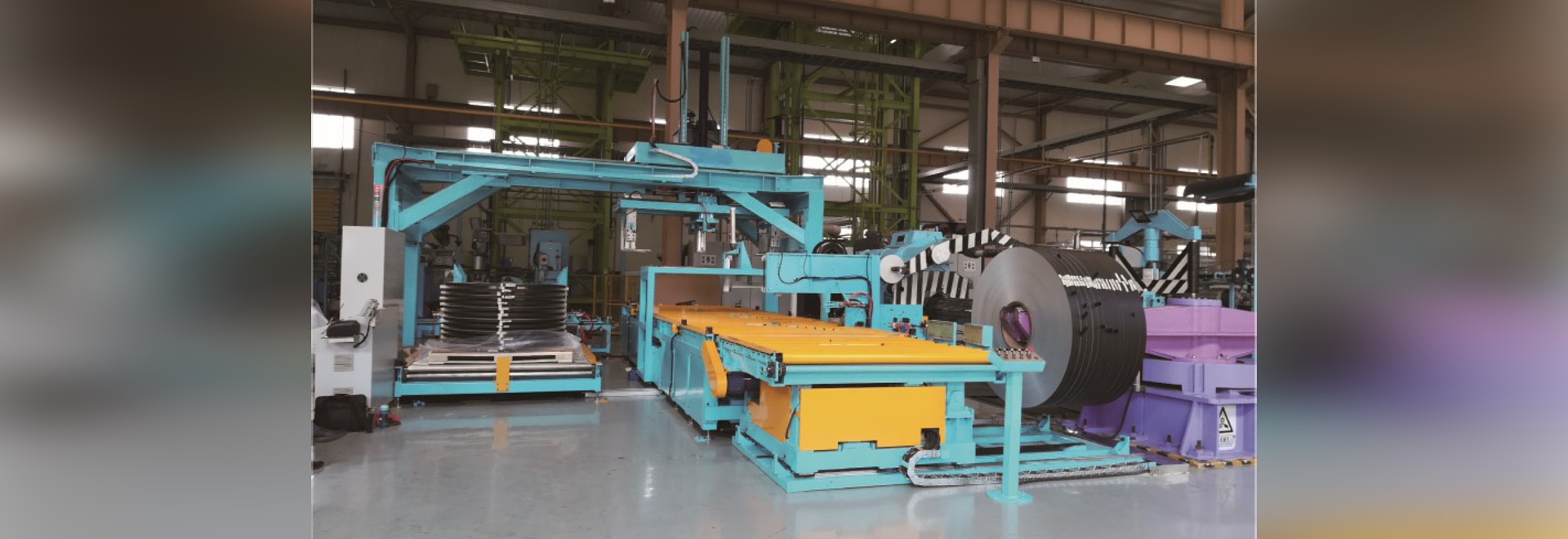
The importance of secure strapping goes far beyond just holding a coil together. It is about protecting your investment, your people, and your customer relationships. Here at FHOPEPACK, we have seen firsthand how much difference a well-designed strapping solution can make.
-
Protecting Product Quality and Reducing Damage Claims:
- The Problem: Unsecured steel coils are prone to “telescoping” (layers sliding laterally) or “pancaking” (layers separating vertically) due during handling, sudden stops, or bumpy roads. This often leads to cosmetic damage, edge dents, or even structural deformation, making the product unusable or requiring costly re-processing. Our experience shows that clients frequently face quality control issues due to these movements.
- The Solution: High-tension strapping applies consistent pressure around the coil, acting as a powerful external skeleton. This prevents any relative movement between individual wraps. Using materials like high-strength PET strapping or heavy-duty steel strapping ensures that even coils weighing several tons remain compact and stable. This directly translates to fewer customer complaints, reduced rejection rates, and a stronger reputation for delivering quality products. From cold-rolled coils to galvanized and color-coated coils, the principle of firm containment is universal for damage prevention. This proactive approach to packaging quality ensures goods arrive exactly as intended. (Product Integrity, Damage Prevention, Quality Control)
-
Ensuring Workplace Safety and Reducing Operational Risks:
- The Problem: Handling large, heavy steel coils is inherently risky. If a coil is poorly strapped, there is a significant danger of the strapping breaking or the coil layers shifting unexpectedly. This can cause the coil to unroll suddenly or even fall, posing severe crush hazards to nearby personnel and damage to equipment. The manual application of strapping also exposes workers to ergonomic risks and potential injuries from sharp edges. We know Ivan Petrov, for example, prioritizes reducing manual intervention and increasing safety.
- The Solution: Automated strapping lines eliminate the need for workers to be in close proximity to moving coils during the strapping process. Machines can apply straps quickly and with precise tension, significantly reducing the risk of human error or injury. The secure strapping itself makes coils safer to lift, stack, and transport, minimizing the chance of unexpected movements. This mechanical handling system drastically improves workplace safety by reducing exposure to heavy lifting and dangerous operations. (Workplace Safety, Accident Prevention, Reduced Labor Risk)
-
Optimizing Logistics and Storage Efficiency:
- The Problem: Coils that are not securely strapped can take up more space due to irregular shapes or the need for extra spacing to prevent contact damage. They can also be difficult to stack safely, limiting warehouse capacity and slowing down inventory management. Inefficient packaging leads to logistical bottlenecks and underutilized storage areas. For a steel mill with hundreds of tons of daily output, every inch and minute counts.
- The Solution: Tightly strapped coils maintain their compact form, allowing for denser and more stable stacking in warehouses or on transport vehicles. This maximizes storage capacity and improves material handling efficiency. Secure packaging means coils can be moved and stored with greater confidence, leading to faster loading/unloading times and optimized use of valuable space. This streamlined approach to logistics ensures seamless flow from production to dispatch. (Storage Efficiency, Logistics Optimization, Warehouse Management)
What core technologies do modern steel coil strapping lines utilize?
Are you still relying on outdated or manual strapping methods that slow down your operations and compromise packaging quality? The speed and precision required in today’s steel mills demand more advanced solutions than ever before. Many of our clients come to FHOPEPACK because their existing setup just cannot keep up.
Modern steel coil strapping lines utilize a blend of automated mechanical systems, advanced tensioning technology, and intelligent control systems to achieve unparalleled stability. These lines incorporate robust strap feeding and sealing mechanisms, often employing friction weld or notch seals for maximum joint strength. They also feature sophisticated PLC controls for customizable strapping patterns and consistent tension application, adapting to various coil dimensions and packaging requirements.

The evolution of strapping technology has brought forth powerful innovations. These are designed to meet the rigorous demands of heavy industry. As FHOPEPACK, we pride ourselves on integrating these cutting-edge features into our solutions.
-
High-Performance Strapping Heads and Mechanisms:
- Precision Strapping Application: At the heart of any modern strapping line is the strapping head. These highly engineered units are responsible for feeding, tensioning, and sealing the strapping material around the coil. FHOPEPACK’s machines use heavy-duty strapping heads designed for continuous operation in harsh environments. They precisely apply strapping, ensuring even tension across the entire width of the strap and around the coil’s circumference. This consistent application is key to preventing loose straps that can compromise stability. We often recommend heads capable of handling both steel and PET strapping, offering flexibility.
- Reliable Sealing Technologies: The seal is crucial for maintaining strap integrity. Modern lines employ advanced sealing methods like friction welding for PET strapping or notch sealing for steel strapping. Friction welding creates a strong, molecular bond by vibrating the strap ends together, generating heat. Notch sealing uses a mechanical crimp to create a robust interlock. These methods ensure that the strap joint is the strongest part of the package, preventing premature breakage. We ensure our sealing technology delivers maximum joint strength, even under extreme transport conditions. (Strapping Head Technology, Secure Sealing, Strap Joint Strength)
-
Advanced Tensioning and Control Systems:
- Consistent Strap Tension: Achieving optimal tension is vital for coil stability. Too little tension, and the coil can loosen; too much, and the strap can damage the coil edges or break. Modern strapping lines feature sophisticated electronic tensioning systems that automatically adjust based on pre-programmed parameters for coil size and material. This ensures uniform tension on every strap, maximizing the coil’s stability without causing damage. Our systems are designed for high precision, eliminating inconsistencies common with manual strapping.
- Programmable Logic Controllers (PLCs) for Automation: PLCs are the “brains” of the strapping line. They control the entire strapping cycle, from coil indexing and positioning to strap feeding, tensioning, sealing, and cutting. Operators can program specific strapping patterns (e.g., eye strapping, circumferential strapping, or cross strapping), the number of straps, and tension levels through a user-friendly HMI (Human Machine Interface). This level of automation significantly reduces manual labor, enhances safety, and ensures consistent packaging quality. FHOPEPACK’s control systems allow for easy integration into existing production lines and offer comprehensive diagnostics. (Automated Tensioning, PLC Control, Custom Strapping Patterns)
-
Robust Coil Handling and Positioning Systems:
- Integrated Conveyor Systems: Before strapping, coils must be accurately positioned. Modern lines feature heavy-duty roller conveyors, shuttle cars, and coil up-enders or down-enders. These systems safely move coils into the strapping station and rotate them for circumferential strapping. They can handle a wide range of coil weights and diameters, from 1-ton to 3-ton coils, as specified by client needs like Ivan Petrov’s.
- Coil Centering and Stabilization: Once in the strapping station, specialized centering devices ensure the coil is perfectly aligned. This is crucial for precise strap placement and even tension distribution. Some systems also incorporate hydraulic or pneumatic clamping mechanisms to temporarily stabilize the coil during the strapping process, especially for larger or more unstable coils. This careful handling minimizes the risk of damage during the packaging process itself and prepares the coil for optimal strapping. (Coil Handling Systems, Accurate Positioning, Automated Centering)
How do automatic strapping lines enhance safety and reduce labor in busy mills?
Are you struggling with labor shortages, high injury rates, or inconsistent packaging quality due to manual operations in your steel mill? The intense environment of a steel production floor demands solutions that protect workers and streamline processes. Many clients, like Ivan Petrov, are actively seeking ways to move away from labor-intensive packaging.
Automatic strapping lines significantly enhance safety by removing workers from dangerous proximity to heavy machinery and hot steel coils, thereby minimizing crush injuries, cuts, and ergonomic strains. They reduce labor by automating repetitive tasks such as strap feeding, tensioning, and sealing, allowing fewer personnel to manage higher volumes. This automation leads to more consistent, reliable packaging, directly contributing to a safer and more efficient operational environment.

My experience in the packing machine industry has shown me time and again that investing in automation is not just about efficiency; it’s a profound commitment to your team’s well-being. This is where FHOPEPACK solutions make a real difference.
-
Minimizing Human-Machine Interaction and Injury Risks:
- Removing Workers from Hazardous Zones: In traditional or semi-manual strapping operations, workers must physically handle strapping tools, feed straps around heavy coils, and operate tensioners. This puts them at risk of crush injuries from moving coils, cuts from sharp strap edges, or burns from hot steel. Automatic strapping lines completely remove operators from these hazardous areas. Coils are automatically conveyed, positioned, and strapped by the machine, with workers supervising from a safe distance.
- Reducing Repetitive Strain Injuries (RSIs): The repetitive nature of manual strapping, including bending, lifting, and operating hand tools, often leads to musculoskeletal disorders and other ergonomic issues over time. These RSIs contribute to lost workdays and reduced productivity. An automatic line performs all these strenuous actions mechanically, eliminating the need for manual effort. This protects your workforce from long-term health problems and maintains a higher level of operational readiness. (Workplace Safety, Hazard Elimination, Ergonomic Improvement)
-
Addressing Labor Shortages and Optimizing Workforce Deployment:
- Automation as a Solution to Manpower Gaps: Many industrial sectors, especially in heavy manufacturing like steel production, face challenges in attracting and retaining labor for demanding roles. High-intensity jobs, such as manual coil strapping, often have high turnover rates. Automatic strapping lines directly address this by significantly reducing the number of operators needed for the packaging process. A single operator can monitor an entire line that previously required several people.
- Reallocating Skilled Labor: By automating repetitive and physically demanding tasks, companies can reallocate their valuable skilled workforce to more complex, value-added roles such as quality control, maintenance, or process optimization. This elevates the overall skill level of the workforce and increases job satisfaction, turning a manual strapping operator into a process supervisor. FHOPEPACK helps companies make this strategic shift, enhancing overall operational intelligence. (Labor Reduction, Workforce Optimization, Skilled Labor Reallocation)
-
Enhancing Packaging Consistency and Reliability:
- Eliminating Human Error: Manual strapping is inherently prone to inconsistencies. Tension might vary from one strap to the next, seals might be improperly applied, or strapping patterns might not be uniform. These errors lead to unstable coils and increase the risk of damage during transit. Automated systems apply the same precise tension and sealing force every time, following exact pre-programmed patterns.
- Ensuring Predictable Outcomes: This consistency guarantees that every coil is packaged to the same high standard, regardless of shift changes or operator experience. This predictability is crucial for maintaining packaging quality, especially when dealing with varied customer requirements, such as export clients needing CE/ISO certified packaging. The result is consistently stable coils, reduced re-packaging needs, and fewer logistical headaches. (Consistent Packaging, Quality Assurance, Error Reduction)
What specific packaging challenges do strapping lines effectively overcome for diverse steel products?
Does your mill produce a wide array of steel coils – from delicate galvanized to robust cold-rolled – each with unique packaging needs, making manual adjustments a constant headache? This product diversity often creates significant operational bottlenecks and compromises on uniform packaging quality. This is a common feedback we hear from clients in Russia and across Europe.
Steel coil strapping lines effectively overcome challenges for diverse steel products by offering versatile strapping materials (PET/steel), customizable tension settings, and adaptable strapping patterns. They can accommodate varying coil dimensions and weights, ensuring optimal protection against moisture, rust, and physical damage. Modern systems integrate seamlessly with other packaging elements like stretch wrapping and labeling, providing a comprehensive solution for each product type.

At FHOPEPACK, we understand that “one size fits all” simply doesn’t work for steel packaging. Our expertise lies in crafting solutions that embrace complexity, just like the varied demands of your production line.
-
Adapting to Varied Coil Sizes, Weights, and Material Types:
- Flexible Machine Design: Steel mills produce a vast range of coils, differing in inner diameter, outer diameter, width, and weight (often 1-3 tons, as Ivan Petrov noted). Manual strapping struggles to adapt efficiently to these variations. Modern automatic strapping lines are engineered with adjustable mechanisms that can quickly reconfigure to handle different coil dimensions without extensive downtime. This includes adjustable guides, centering devices, and strap arch sizes.
- Material-Specific Strapping Solutions: The type of steel (e.g., cold-rolled, galvanized, color-coated) often dictates the appropriate strapping material. FHOPEPACK’s lines are designed to work with both high-strength PET strapping (ideal for anti-scratch and weather-resistant packaging, often for export) and robust steel strapping (preferred for extremely heavy-duty applications or where maximum compression is needed). The ability to switch between these materials or use them in combination addresses diverse protection needs without requiring separate machines. (Coil Dimension Adaptability, Multi-Material Strapping, Flexible Packaging Solutions)
-
Ensuring Protection Against Environmental Factors (Moisture, Rust, Scratches):
- Integrated Packaging Layers: Strapping is a critical component of a multi-layered packaging strategy. For products like galvanized or color-coated coils, anti-corrosion and moisture protection are paramount. Our automatic lines integrate strapping with other packaging steps, such as stretch wrapping or VCI (Volatile Corrosion Inhibitor) paper application. The tight strapping helps secure these protective layers, preventing them from unraveling or being compromised.
- Damage-Free Handling: Beyond environmental protection, strapping prevents physical damage. For delicate surfaces like those on color-coated or stainless steel, secure strapping prevents rubbing and shifting between layers that can cause scratches or scuff marks. The consistency of machine-applied tension means no over-tightening that could dent edges, yet sufficient tightness to prevent movement. This holistic approach ensures comprehensive protection from the mill to the customer. (Environmental Protection, Anti-Corrosion Packaging, Surface Scratch Prevention)
-
Meeting Evolving Customer Requirements and Regulatory Compliance:
- Export-Ready Packaging: Many customers, especially export clients, have stringent requirements for packaging, often demanding compliance with international standards like CE or ISO, along with specific barcoding and labeling. Manual processes make meeting these diverse and detailed demands difficult and prone to error.
- Automated Labeling and Identification: Modern strapping lines can integrate automated labeling and barcoding systems directly into the packaging process. This ensures that unique identification, tracking information, and compliance data are accurately and consistently applied to each coil. Combined with robust strapping, this creates a fully compliant and traceable package. FHOPEPACK helps clients like Ivan Petrov achieve these high standards, enhancing their competitiveness in global markets. (Regulatory Compliance, Export Standards, Automated Labeling)
Why is choosing the right strapping solution a strategic investment for long-term business success?
Are you viewing strapping lines as just another piece of equipment, rather than a strategic asset that can transform your business? Many companies underestimate the long-term impact of a well-chosen packaging solution, seeing it as an expense instead of a pathway to greater profitability and market leadership. This is a mindset FHOPEPACK actively helps our clients to shift.
Choosing the right strapping solution is a strategic investment for long-term business success because it directly influences operational efficiency, cost reduction, market reputation, and customer satisfaction. A tailored, automated strapping line provides consistent packaging quality, minimizes labor costs, reduces material waste, and ensures product integrity from the factory floor to the end-user. This translates into tangible ROI and a stronger competitive edge in the global steel market.
The decision to invest in a strapping line goes far beyond merely securing coils. It is about future-proofing your operations and building a resilient, profitable enterprise. My personal journey with FHOPEPACK has taught me that the best solutions are those that pay dividends for years to come.
-
Driving Return on Investment (ROI) Through Cost Reduction:
- Reduced Labor Costs: One of the most significant immediate benefits is the reduction in labor expenses. By automating the strapping process, fewer workers are needed, leading to substantial savings on wages, benefits, and training. This allows for better allocation of human resources to higher-value tasks, increasing overall productivity. For a busy steel mill, this translates into direct bottom-line improvements.
- Minimized Material Waste and Damage: Manual strapping often results in inconsistent tension, leading to broken straps or damaged products that require re-packaging. This waste accumulates over time. Automated systems apply precise tension and sealing, optimizing strap usage and minimizing product damage, thereby reducing material consumption and rejection rates. Less waste means lower operational costs.
- Increased Throughput and Operational Continuity: An automated strapping line operates faster and more consistently than manual methods. This higher throughput means more coils can be processed per hour, improving overall production line efficiency. Furthermore, automated systems are designed for continuous operation (like 24-hour, two-shift environments), reducing bottlenecks and ensuring uninterrupted production flow. (Cost Savings, Material Efficiency, Operational Throughput)
-
Enhancing Market Reputation and Customer Satisfaction:
- Consistent, High-Quality Packaging: In an increasingly competitive market, the quality of packaging is often the first impression a customer has of your product. Consistent, secure, and visually appealing packaging reinforces a brand’s commitment to quality. Automated strapping lines deliver this consistency, ensuring every coil meets the highest standards.
- Reduced Customer Complaints and Returns: When coils arrive securely strapped and undamaged, customer satisfaction naturally rises. This reduces the number of complaints, claims for damaged goods, and costly returns. A reliable packaging process strengthens customer loyalty and fosters long-term relationships, critical for business growth. For FHOPEPACK, client success is our success. (Brand Reputation, Customer Loyalty, Quality Perception)
-
Future-Proofing Operations and Ensuring Scalability:
- Adaptability to Future Demands: As market demands evolve, a versatile automatic strapping line can adapt to new coil types, sizes, and packaging requirements with minimal modifications. This built-in flexibility ensures that your investment remains relevant and valuable for years, supporting future growth and diversification.
- Integration with Smart Factory Initiatives: Modern strapping lines are designed for integration into broader industrial automation systems, including MES (Manufacturing Execution Systems) and ERP (Enterprise Resource Planning). This allows for real-time data collection, predictive maintenance, and optimized resource planning, aligning with Industry 4.0 initiatives. Choosing a supplier that offers comprehensive integration capabilities, like FHOPEPACK, is vital for building a smart, future-ready factory. (Future Readiness, Scalability, Industry 4.0 Integration)
Conclusion
Investing in the right steel coil strapping line is a foundational step toward securing your products, protecting your workforce, and strengthening your market position. By automating this critical process, you ensure consistent stability during transport and storage, reduce operational costs, and meet stringent customer demands. For businesses aiming for peak efficiency and safety, a high-quality coil packing line from FHOPEPACK is not just equipment; it’s a strategic asset for sustained success.








