
What ROI Can Argentine Purchasing Teams Anticipate from Upender Upgrades?
Are you managing a heavy manufacturing plant in Argentina? Do you struggle with slow, manual material handling processes? Many factory managers, just like you, face daily pressure. They need to boost output, control costs, and keep workers safe. I have seen firsthand how these challenges can hold a business back. Manual handling of heavy items like steel coils or molds is not just slow. It is also very dangerous. It can lead to high insurance costs and frequent worker injuries. This affects your bottom line and your team’s morale.
Upender upgrades offer clear returns on investment for Argentine purchasing teams. They directly improve efficiency, enhance worker safety, and reduce product damage. These changes lead to significant cost savings and increased productivity. Investing in the right upender technology provides a modern, automated solution. This moves your factory operations forward. It addresses common pain points and helps achieve higher profitability.
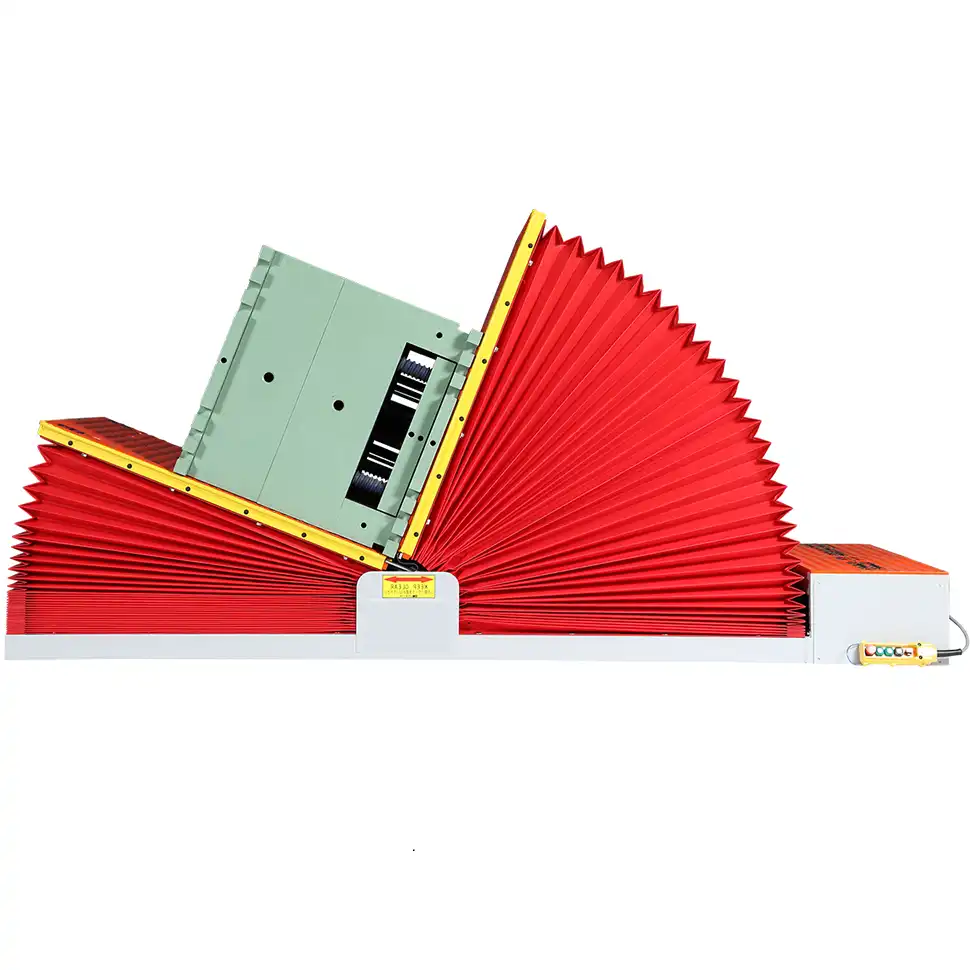
You might be wondering if upender upgrades are truly worth the investment. You want clear numbers and proven benefits. I understand that. My own journey in the packing machine industry taught me the value of smart equipment choices. I learned how they can transform a business. Let’s break down how upender upgrades deliver real, measurable ROI. We will look at specific areas that matter most to your factory.
How Do Upender Upgrades Directly Boost Your Factory’s Production Throughput?
Is your production line hitting a wall at the packaging or material handling stage? Many factories rely on outdated or manual methods for turning heavy items. This creates a severe bottleneck. It slows down your entire operation. It delays shipments and frustrates your clients. This directly impacts your ability to meet demand.
Upender upgrades significantly boost production throughput. They automate the process of changing a heavy item’s orientation. This replaces slow, labor-intensive manual methods. Automated upenders work faster and more consistently. They integrate seamlessly into your production line. This removes bottlenecks and improves the overall flow of materials.
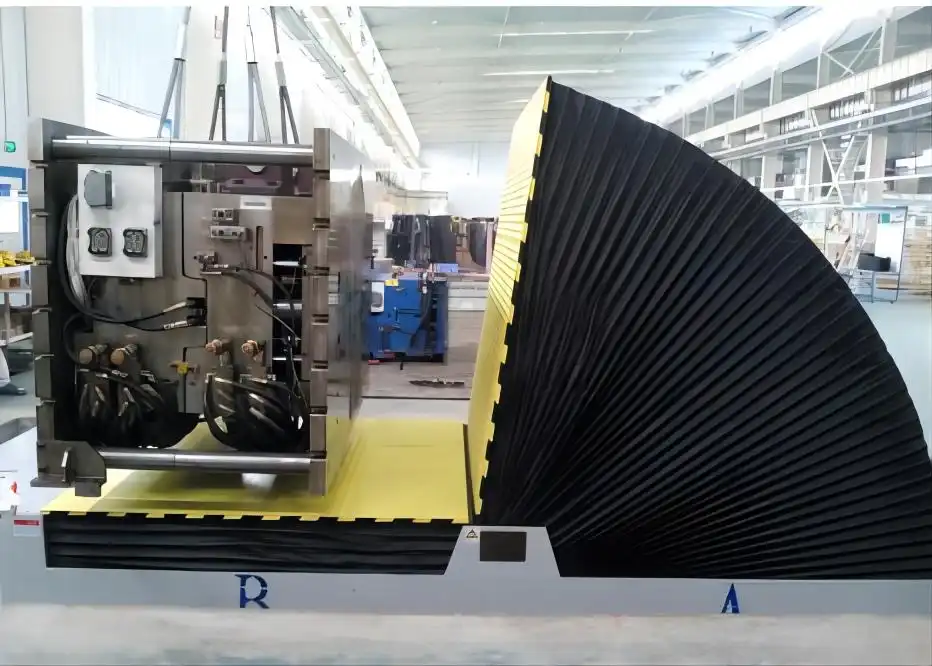
In my experience, many factories, especially those dealing with heavy steel coils or molds, underestimate the drag that inefficient material handling puts on their overall production. Manual processes often involve multiple workers. They use chains, cranes, or forklifts to carefully flip or rotate heavy products. This is not only slow but also prone to errors and accidents. An automated upender, on the other hand, performs this task with precision and speed. It does this in a matter of seconds or minutes, depending on the load. This is a huge improvement.
Think about a typical coil packaging line. After a steel coil is produced, it often needs to be rotated from a horizontal to a vertical position, or vice versa, for strapping, wrapping, or storage. If this step relies on manual methods, each rotation takes valuable time. It ties up skilled labor. It also potentially puts them at risk. An automated upender takes this bottleneck away. It ensures a smooth, continuous flow of products. This means your packaging machines can run at their optimal speed. Your entire production line becomes more efficient.
Consider these specific aspects of how upender upgrades improve throughput:
Reduced Cycle Times
Automated upenders perform flips or rotations much faster than manual methods. This reduces the time each product spends in the handling stage.
- Manual Handling: Can take 5-10 minutes per item, requiring careful coordination.
- Automated Upender: Completes the task in 30 seconds to 2 minutes, depending on size and weight. This direct reduction in cycle time means more products can move through your facility each hour.
Consistent Performance
Machines do not get tired. They do not take breaks. They perform the same task with the same speed every time. This consistency is crucial for predictable production schedules. Manual operations vary. Their speed depends on worker fatigue, skill, and even mood. An upender ensures a steady flow, making it easier to plan and meet deadlines.
Integration with Existing Systems
Modern upenders can be integrated into your existing conveyor lines or packaging systems. This creates a fully automated workflow. You can even use sensors and programmable logic controllers (PLCs) to trigger the upender automatically when a product arrives. This eliminates the need for manual intervention at key points. This seamless integration further reduces downtime. It also maximizes throughput. From my time building a factory, I learned that smooth transitions between production stages are vital. A good upender makes this happen. It helps you keep promises to your clients about delivery times. This builds trust and encourages repeat business.
Can Investing in Upenders Significantly Reduce Workplace Safety Risks?
Worker safety is not just a regulatory requirement. It is a moral imperative. It is also a significant cost factor for any factory. Manual handling of heavy items like steel coils or large molds puts your employees at extreme risk. Back injuries, crushed limbs, and even fatalities are a real threat. These incidents lead to higher insurance premiums. They also cause lost workdays and a decline in employee morale.
Investing in upenders dramatically reduces workplace safety risks. These machines eliminate the need for manual handling of heavy objects. Workers no longer need to lift, turn, or position bulky items themselves. This greatly reduces the risk of strains, falls, and crushing injuries. It creates a much safer work environment.
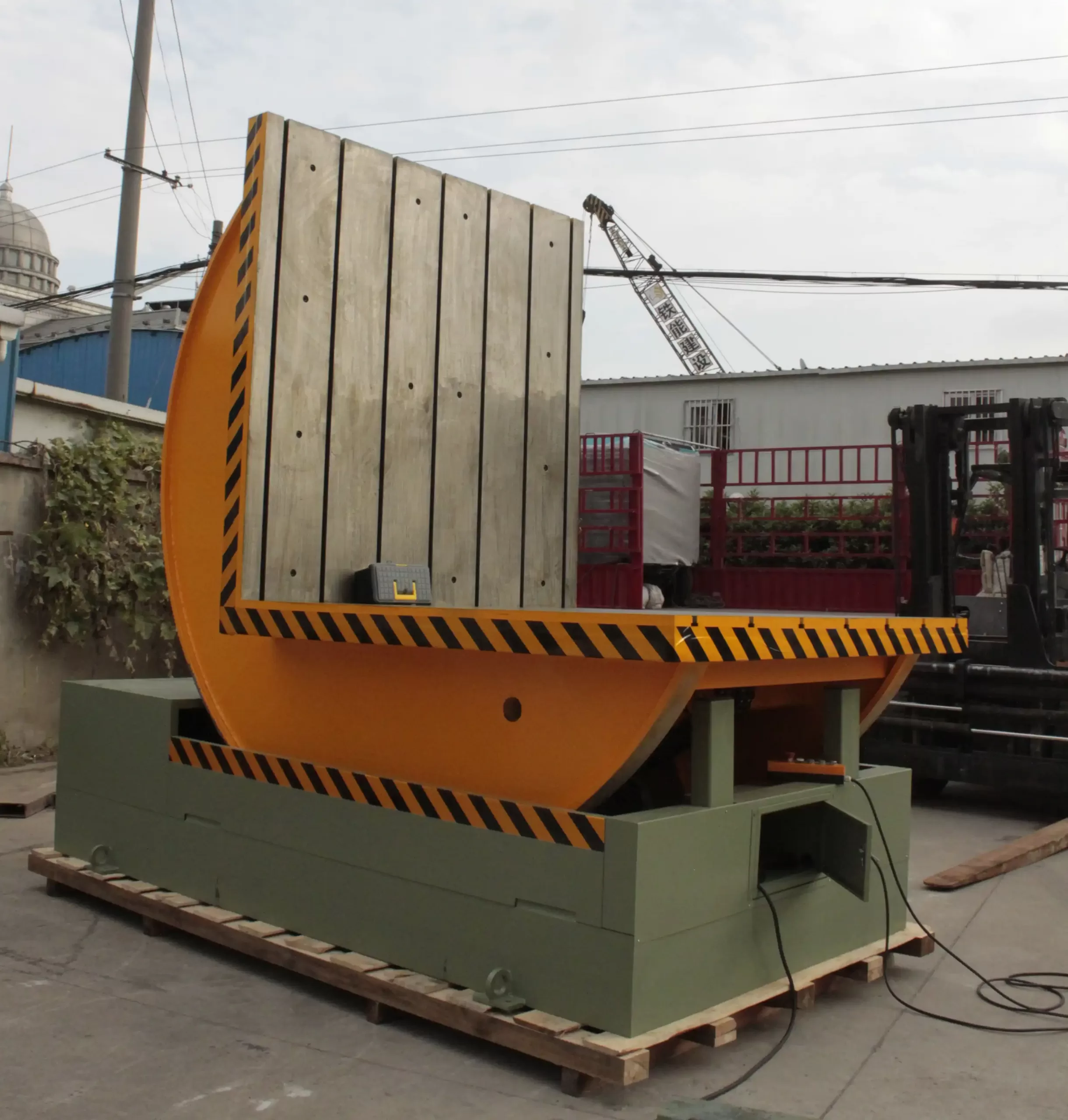
From my own journey in the packing machine industry, I have seen too many accidents caused by manual handling of heavy loads. When you deal with items weighing hundreds or thousands of kilograms, even a small mistake can have devastating consequences. Factory managers like Michael Chen understand this deeply. They bear the responsibility for their team’s well-being. They also face the financial repercussions of workplace injuries.
Manual methods for flipping or orienting heavy items often involve precarious setups. These include chains, slings, forklifts, or even multiple workers pushing and pulling. These methods are inherently dangerous. They rely on human strength and coordination, which are prone to error. An upender, however, performs these tasks mechanically. It uses hydraulic or electric power to safely and smoothly change the orientation of the load. The item is securely clamped or placed within the machine during the operation. This removes human interaction with the heavy load at its most dangerous point.
Consider the direct safety benefits:
Elimination of Manual Lifting and Turning
This is the most direct benefit. Workers are no longer required to physically manipulate heavy objects. This eliminates a huge source of musculoskeletal injuries, strains, and sprains. These types of injuries are common in heavy manufacturing. They are expensive in terms of medical costs and lost productivity.
Reduced Risk of Crushing Injuries
When workers are manually handling large, heavy items, there is always a risk of the item shifting, falling, or crushing a limb. Upenders hold the load securely throughout the entire rotation process. This prevents accidental drops or movements. The operator typically controls the machine from a safe distance. This keeps them out of the immediate danger zone.
Compliance with Safety Regulations
Implementing automated upenders helps your factory meet stringent safety regulations. This includes local labor laws and international safety standards. Proactive investment in safety equipment shows commitment to employee well-being. This can improve your company’s reputation. It can also reduce the likelihood of costly fines or legal disputes resulting from safety violations. My own experience taught me that a safe factory is a productive factory. It also builds a loyal workforce. Workers feel valued when their safety is prioritized. This leads to higher morale and lower employee turnover, which further contributes to your factory’s success.
What Financial Savings Can Upender Upgrades Deliver by Minimizing Product Damage?
Product damage during internal transfers and packaging is a silent profit killer. For a metal processing plant in Argentina, even minor damage to steel coil edges or wire during handling can lead to customer complaints. This results in costly returns, rework, or even discounted sales. These losses chip away at your profit margins. They also harm your brand reputation.
Upender upgrades significantly reduce product damage. They provide a controlled, gentle, and precise method for changing the orientation of heavy items. This minimizes impacts, scrapes, or deformations that often occur during manual or less controlled handling processes. Fewer damaged products mean lower waste, fewer customer complaints, and higher profit margins.
I have seen many times how small damages add up to big losses. In heavy industries, the value of each product unit is often high. Even a slight scratch on a steel coil can make it unsellable at full price. Or it can lead to a costly return. Manual handling, using forklifts or cranes to flip items, often results in bumps, drops, or abrasive contact with the floor or other equipment. This is especially true for delicate edges or surfaces.
An automated upender is designed to handle loads with care. It uses hydraulic power to lift and rotate the item smoothly. The product is securely cradled or clamped within the machine. This prevents any uncontrolled movement or impact during the turning process. This precision protects your valuable products from the moment they enter the upender until they are safely re-oriented.
Let’s look at the financial impact of reduced product damage:
Reduced Rework and Scrap Costs
When products are damaged, they often require rework, or they become scrap. Both scenarios incur significant costs. Rework uses up valuable labor and machine time. Scrap means the loss of raw material investment. By minimizing damage, upenders directly reduce these expenses. This directly boosts your factory’s profitability.
Fewer Customer Complaints and Returns
Damaged products lead to unhappy customers. This can result in costly returns, chargebacks, or a loss of future business. Maintaining product quality throughout your handling process ensures that your customers receive exactly what they expect. This builds trust and strengthens your business relationships. For a factory manager like Michael Chen, protecting customer satisfaction is paramount. It ensures long-term growth.
Improved Brand Reputation
Consistent delivery of high-quality, undamaged products enhances your factory’s reputation in the market. A strong reputation can attract new clients and allow for better pricing strategies. In competitive markets like Argentina’s heavy industry, a reputation for quality and reliability is a significant asset. It truly sets you apart. My personal journey in establishing a packing machine factory showed me that reputation is built on delivering consistent quality. Upenders are a part of that quality control. They help ensure products leave your facility in perfect condition. This directly contributes to your factory’s financial health and market standing.
Why Is Choosing the Right Upender Supplier Key to Maximizing Your Long-Term ROI?
Have you ever invested in equipment only to be let down by poor after-sales service or a lack of real understanding from the supplier? Many purchasing teams face this challenge. They deal with vendors who only care about making a sale. This leaves you stranded when you need support, parts, or expert advice. This lack of reliable partnership can turn a promising investment into a long-term headache.
Choosing the right upender supplier is critical for maximizing your long-term ROI. A trustworthy partner provides not just equipment, but also deep industry knowledge, reliable after-sales support, and customized solutions. This ensures your investment genuinely solves your factory’s unique problems and supports sustainable growth.
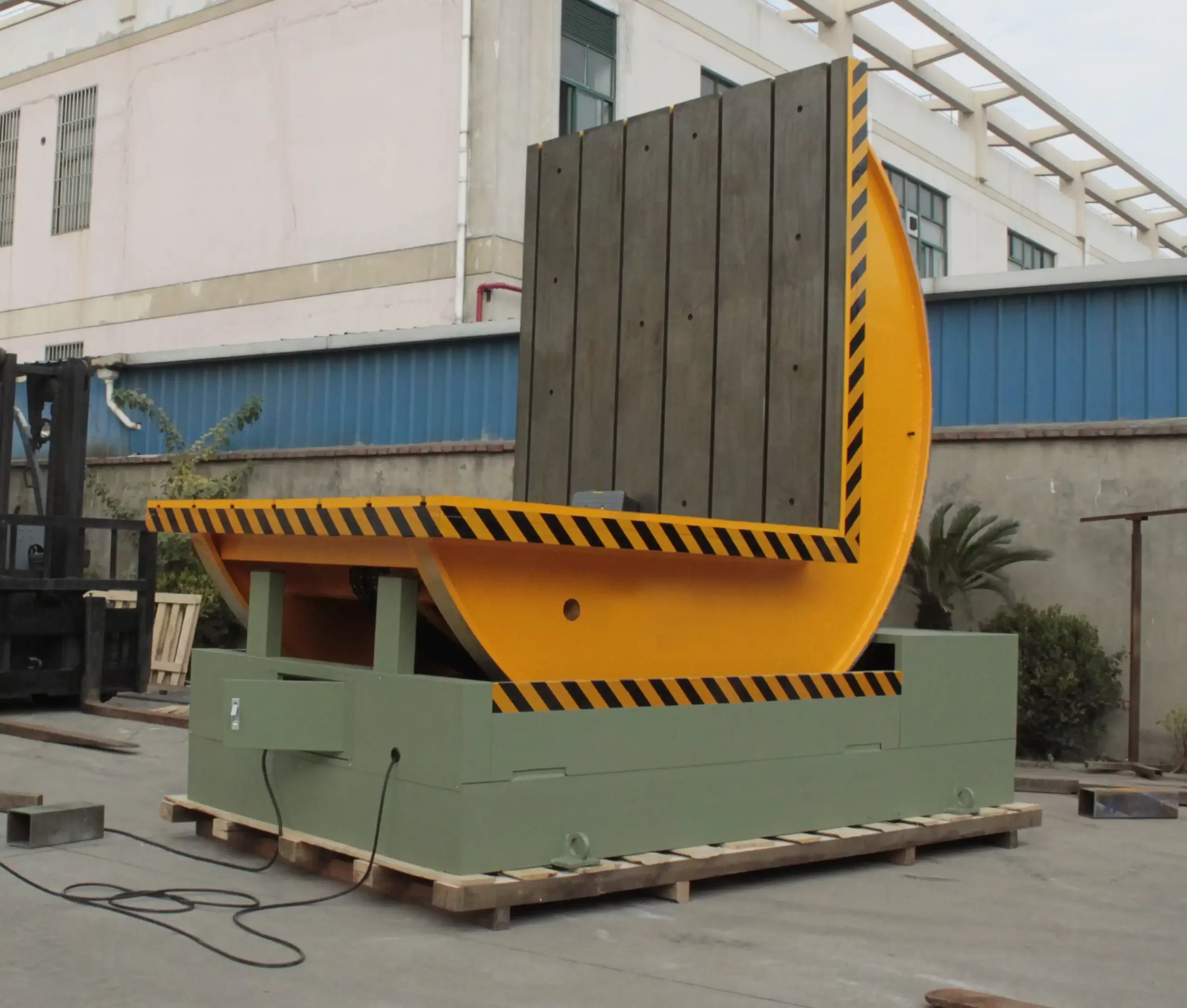
I have spent years in the packing machine industry. I started as an employee. Then I built my own successful factory. This journey taught me one thing above all else: equipment is only as good as the support behind it. Many suppliers only focus on the initial transaction. But the real value comes from a long-term partnership. Factory managers like Michael Chen, who have been in the industry for over 20 years, have likely experienced the frustration of dealing with unreliable vendors. They understand the importance of a true partner.
A good upender supplier does more than just sell you a machine. They act as a consultant. They listen to your specific production bottlenecks. They understand your safety concerns and efficiency challenges. They offer insights based on their extensive experience. They help you choose the right model. They might even suggest custom solutions for your unique needs. This level of understanding is invaluable. It ensures the equipment you buy truly addresses your problems. It also maximizes your investment’s potential.
Consider these aspects when choosing a supplier to ensure long-term ROI:
Expertise and Industry Knowledge
Look for a supplier with deep knowledge of heavy material handling, not just sales tactics. Do they understand the nuances of handling steel coils, wire, or molds? Can they speak to the challenges specific to your industry? A supplier with real engineering background, like myself, can offer tailored advice. This ensures the upender integrates perfectly into your existing operations.
Reliable After-Sales Support and Parts Availability
Equipment will eventually need maintenance or parts. A trustworthy supplier offers prompt, effective after-sales service. They have spare parts readily available. This minimizes downtime. Downtime is expensive. It eats into your ROI. A supplier who stands by their product and provides quick support is a true asset. They help you keep your machines running smoothly for years.
Customization and Solution-Oriented Approach
Every factory has unique needs. A good supplier will not just push a standard product. They will assess your specific requirements. They will offer customized solutions if needed. This could mean a specific upender size, capacity, or integration features. This solution-oriented approach ensures your upender investment is perfectly aligned with your factory’s goals. This ultimately delivers the best possible return on investment. My philosophy for FHOPEPACK has always been about sharing knowledge. It is about helping clients truly succeed. This means providing the right solution, not just a sale. When you choose a partner with this mindset, your investment goes further. It supports your growth for many years.
Conclusion
Upender upgrades offer Argentine factories a powerful ROI. They boost efficiency, enhance safety, and cut costs by reducing damage. Partnering with the right expert ensures long-term success.








