
What Corrosion-Resistant Features Must Your Mold Upender Have for Brazil’s Climate?
Are you facing constant headaches from equipment breaking down in the harsh, humid Brazilian climate? Is rust eating away at your mold upenders, causing unexpected downtime and costly repairs? I know firsthand how frustrating it is when your machines fail to perform, especially in environments where humidity and heat are relentless. This can cripple your production flow and eat into your profits. But what if you could invest in a mold upender built to withstand these very conditions? What if there was a way to ensure your equipment remains reliable, robust, and rust-free, even in Brazil’s challenging weather?
For Brazil’s humid and often coastal climate, a mold upender must have robust corrosion-resistant features. These include specialized material choices like stainless steel or high-grade alloys, multi-layer anti-corrosion coatings, and sealed electrical enclosures. Proper drainage design and protective covers also prevent moisture build-up, ensuring long-term reliability and reducing maintenance costs in such demanding environments.
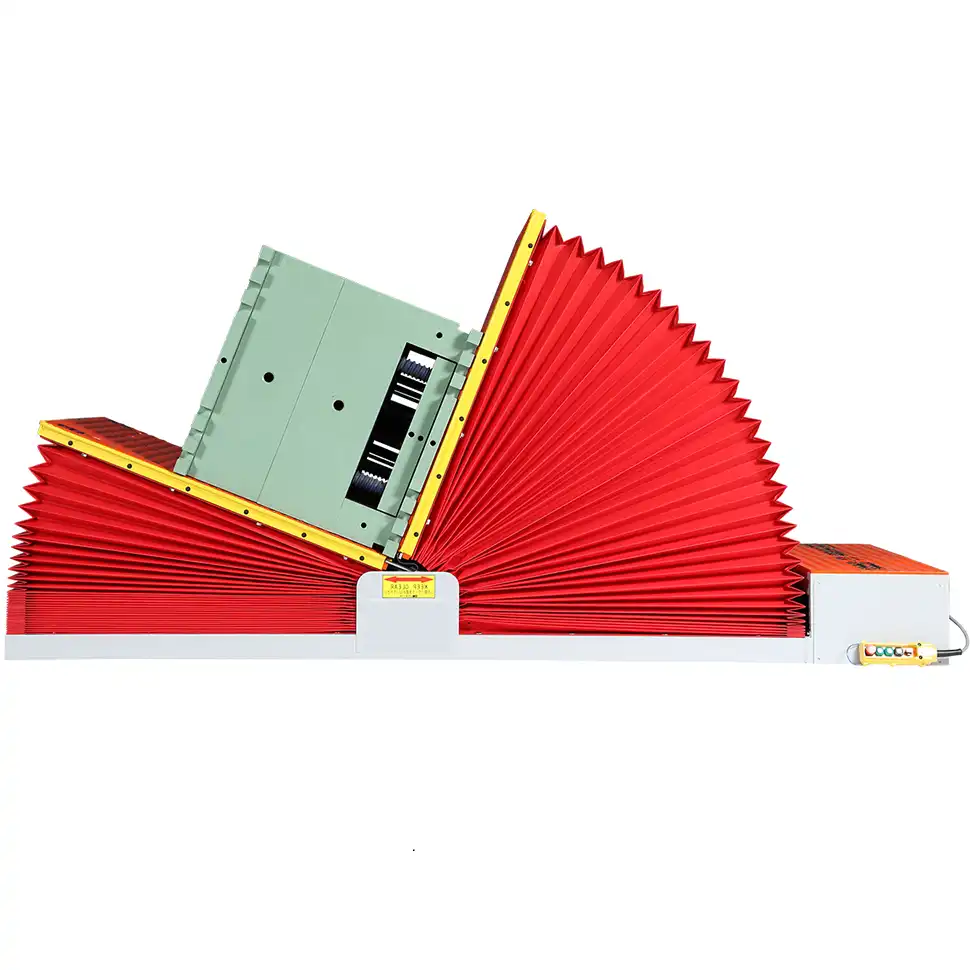
When I started FHOPEPACK, my goal was always to share practical knowledge gained from years in the packing machine industry. I have seen countless factories struggle with equipment issues because they did not have the right information. Understanding the specific challenges of your operating environment is key to making smart investments. Let’s dig deeper into what truly makes a mold upender durable for places like Brazil.
Why is standard rust protection not enough for Brazil’s climate?
You might think that a standard paint job or a basic rust-resistant coating is enough for your industrial equipment. Many manufacturers offer just that. But in Brazil, with its high humidity, tropical rains, and sometimes salty air near coastal areas, these basic protections simply do not hold up. This leads to rapid corrosion, machine failure, and unexpected expenses that hurt your bottom line. So, why do we need something more? Because standard protection will leave you with constant headaches and early equipment failure. It is about understanding the specific threats your machinery faces.
Standard rust protection is insufficient for Brazil’s climate due to persistent high humidity, tropical heat, and the presence of corrosive elements like salt spray in coastal regions. These conditions accelerate oxidation beyond what typical coatings can handle, leading to premature rust, component degradation, and operational failures, demanding more specialized and robust anti-corrosion measures.
When I was starting my factory, I learned quickly that a one-size-fits-all approach to equipment protection simply does not work. I remember one early project where a client imported a machine with what they thought was “rust-proof” paint. Within months, in a humid environment, rust patches appeared. This was a critical lesson. Brazil presents a unique combination of environmental factors that challenge even well-built machinery. The average relative humidity across much of Brazil often exceeds 70%, staying consistently high throughout the year. In coastal cities, the air also carries microscopic salt particles. These particles act as electrolytes, speeding up the electrochemical process of corrosion. Think of it like a constant, invisible salt spray attacking every metal surface. Standard industrial paints offer a barrier, but they are often porous at a microscopic level or can be easily scratched, creating entry points for moisture and corrosive agents. Once the protective layer is compromised, even a small scratch can become a site for rapid rust formation. This is why just “rust-proof” paint is often misleading. For example, a typical alkyd enamel paint might offer good protection in a dry, temperate climate. But under constant high humidity, its adhesion might weaken, or it might become more permeable to water vapor over time. This leads to blistering and flaking, exposing the bare metal underneath. Manufacturers often label equipment as “weather-resistant,” but this term is broad. It does not always account for the specific severity of tropical, humid, and potentially saline environments. True protection requires a multi-layered approach that considers not just the surface, but also the underlying metal and how components interact. Neglecting these environmental specifics leads to higher maintenance costs, frequent breakdowns, and shorter equipment lifespans. This directly impacts your factory’s output and profitability, as Michael Chen knows well. It is not just about the cost of repair, but the cost of lost production during downtime.
What specific materials protect your mold upender in high humidity?
Many factory managers focus on external coatings, but the truth is, the core materials of your mold upender are just as important. Using the wrong base metal means you are fighting a losing battle against corrosion from day one. If your upender is made from standard carbon steel without proper treatment, it will quickly succumb to rust in Brazil’s climate, leading to structural weakness and safety risks. This compromises the very foundation of your machine. So, what materials truly stand up to the test? Choosing the right base materials is the first and most crucial step in building a long-lasting, corrosion-resistant mold upender for high-humidity environments.
For high-humidity environments like Brazil, mold upenders should incorporate specific corrosion-resistant materials. These include stainless steel (e.g., 304 or 316) for critical structural components, galvanized steel for general framework, and specific high-grade polymers or composites for non-load-bearing parts. These materials offer inherent resistance to moisture and oxidation, forming the foundation of a durable machine.
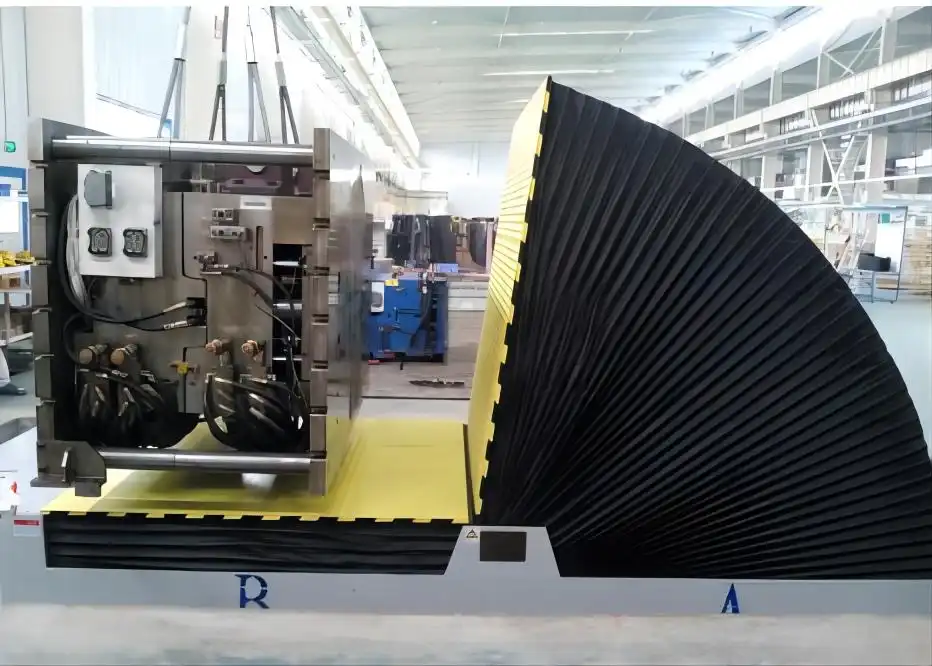
From my time building and operating packing machine factories, I learned that material science is not just for textbooks; it directly impacts operational uptime. Choosing the right material for a mold upender, especially for a demanding environment like Brazil, is critical. Carbon steel, while strong and cost-effective, is highly susceptible to rust without extensive protection. This is where more advanced materials come into play.
Key Material Choices:
-
Stainless Steel (e.g., 304, 316):
- Description: Stainless steel contains chromium, which forms a passive, self-repairing oxide layer on its surface. This layer prevents rust and makes it highly resistant to corrosion, even in humid and slightly acidic or saline conditions.
- Application: Ideal for critical load-bearing components, fasteners, shafts, and parts that are frequently exposed to moisture or potential condensation. Grade 316 offers superior resistance due to added molybdenum, making it suitable for coastal areas or specific chemical exposure.
- Why it matters: Investing in stainless steel for key parts significantly extends the lifespan of the upender, reducing maintenance and replacement costs. It offers peace of mind regarding structural integrity over time.
-
Hot-Dip Galvanized Steel:
- Description: This process involves dipping fabricated steel into molten zinc. The zinc forms a metallurgically bonded coating that provides both a barrier and cathodic protection (sacrificial protection) against corrosion.
- Application: Suitable for the main frame, support structures, and less critical but still exposed components. It is a cost-effective alternative to stainless steel for large sections.
- Why it matters: Galvanization offers excellent long-term protection against general atmospheric corrosion and abrasion. Even if scratched, the zinc will corrode before the steel, protecting the underlying metal.
-
Engineering Plastics/Composites:
- Description: Materials like high-density polyethylene (HDPE), ultra-high-molecular-weight polyethylene (UHMW-PE), or fiberglass-reinforced plastics. These materials are inherently corrosion-proof and often have low friction properties.
- Application: Used for wear plates, guide rails, covers, and non-structural components where metal-to-metal contact needs to be avoided or where specific electrical insulation is required.
- Why it matters: They reduce friction, eliminate the need for lubrication in some areas, and are completely unaffected by moisture, contributing to a lighter, maintenance-free design.
Choosing these materials from the design phase means building a machine that is fundamentally resistant to corrosion, rather than relying solely on external treatments. This foundational resistance is crucial for the consistent operation Michael Chen needs. It ensures fewer breakdowns and a longer operational life, which directly translates to a better return on investment.
How do advanced coatings make a difference against corrosion?
You have the right base materials, but are you sure your surface coatings are truly up to the challenge of Brazil’s climate? Many assume any paint will do, but this is a critical mistake. Relying on standard industrial paints in high humidity leads to early peeling, blistering, and the eventual exposure of the underlying metal to corrosion. This means more frequent repainting, higher maintenance costs, and compromised machine aesthetics and function. So, what kind of coatings truly provide superior protection? Advanced multi-layer coating systems are essential. They create a robust, impermeable barrier that significantly extends the lifespan of your mold upender, even in the most demanding environments.
Advanced coatings make a significant difference against corrosion by forming a multi-layered protective barrier. This typically involves an initial zinc-rich primer for cathodic protection, an epoxy intermediate coat for chemical resistance and adhesion, and a polyurethane topcoat for UV stability and abrasion resistance. This system offers superior impermeability and durability compared to single-layer paints, especially vital for humid climates like Brazil.
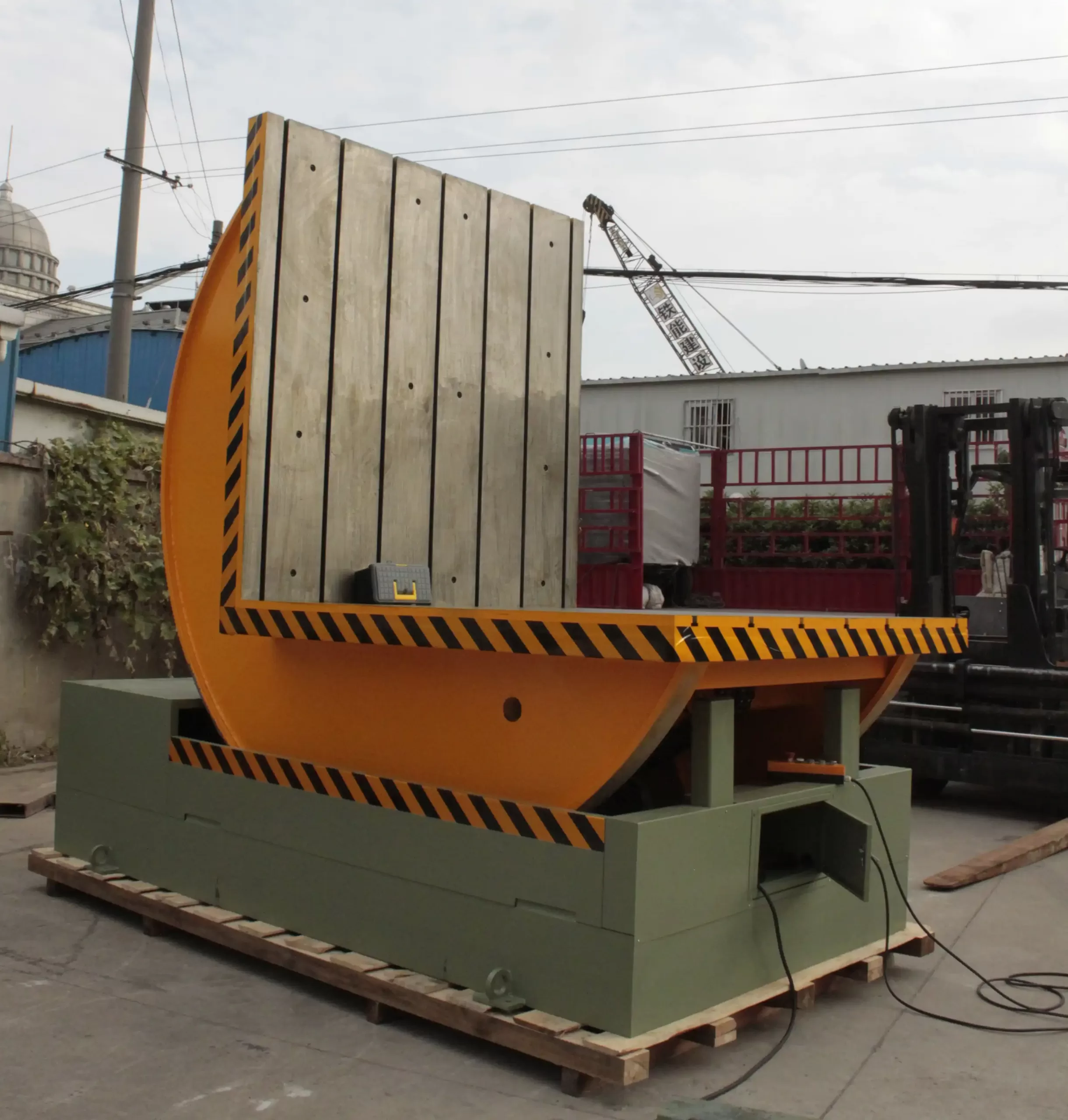
When I designed my own factory’s equipment, I spent a lot of time researching coatings. I knew that even the best steel could rust if its surface was not properly protected. It is not just about aesthetics; it is about performance and longevity. For Brazil’s climate, a simple prime-and-paint job is not enough. You need a system.
Advanced Coating System Breakdown:
| Layer | Purpose | Key Benefits for Humid Climates |
|---|---|---|
| Surface Prep | Essential first step. Abrasive blasting (e.g., SA 2.5 standard) to remove rust, scale, and contaminants. | Ensures maximum adhesion of subsequent layers, preventing early delamination due to moisture. Critical for longevity. |
| Zinc-Rich Primer | First protective layer applied to bare metal. Contains zinc particles that act as a sacrificial anode. | Provides cathodic protection. If the coating is scratched, the zinc corrodes first, protecting the steel. This is vital in moist, corrosive atmospheres. |
| Epoxy Mid-Coat | Intermediate layer for thickness, chemical resistance, and excellent adhesion to the primer and topcoat. | Forms a robust, impermeable barrier against moisture and industrial chemicals. It is very hard and durable. |
| Polyurethane Topcoat | Final layer. Offers color, UV resistance, and abrasion protection. | Resists fading, chalking, and degradation from sunlight and general wear. Maintains aesthetic appeal and protective integrity over time. |
This multi-layer approach works because each layer contributes a specific protective function, and together they create a formidable barrier. The zinc-rich primer actively fights corrosion at a chemical level. The epoxy middle coat builds up a thick, tough, and water-resistant layer. Finally, the polyurethane topcoat protects against external wear, UV radiation, and general environmental exposure. This combination is far superior to a single-coat system, which can be easily breached. For Michael Chen’s factory, this means less time spent on repainting or dealing with rust-related failures, allowing his team to focus on production. It is a proactive investment that saves money and headaches down the line. It ensures the mold upender continues to look good and perform reliably, which is important for factory image and operational efficiency.
Are specialized electrical components truly necessary for humid environments?
You have considered the steel and the paint, but what about the internal workings of your mold upender? Many overlook the vulnerability of electrical systems in humid conditions. Standard electrical components, unprotected in Brazil’s high humidity, are highly susceptible to short circuits, component failure, and even fire hazards. This can lead to unpredictable downtime, costly repairs, and significant safety risks for your workers. So, are specialized electrical components truly necessary? Absolutely. Investing in properly rated and sealed electrical systems is non-negotiable for reliable, safe operation in any humid industrial setting.
Specialized electrical components are absolutely necessary for humid environments because moisture and condensation cause short circuits, corrosion of contacts, and premature failure of sensitive electronics. This requires components with high IP (Ingress Protection) ratings, such as IP65 or higher enclosures for control panels, sealed motors, and corrosion-resistant wiring and connectors, to ensure safety and continuous operation.
My experience has shown that a machine is only as strong as its weakest link. Often, that weakest link is the electrical system when operating in challenging environments. I have seen firsthand how humidity can wreak havoc on controls and wiring. Imagine Michael Chen’s factory, where a critical mold upender stops because a simple relay failed due to moisture ingress. That is lost production and frustrated workers.
Protecting Electrical Systems:
-
IP-Rated Enclosures:
- Description: “IP” stands for Ingress Protection. An IP rating (e.g., IP65, IP66) indicates how well an enclosure protects against solids (dust) and liquids (water).
- Importance: For high humidity, at least IP65 is recommended. The “6” means complete dust protection, and the “5” means protection against low-pressure water jets from any direction. IP66 offers protection against powerful water jets. This rating ensures moisture, condensation, and even cleaning liquids do not reach sensitive electronics inside control panels or junction boxes.
- Impact: Prevents short circuits, corrosion of circuit boards, and extends the life of PLCs, contactors, and other critical components.
-
Sealed Motors:
- Description: Electric motors used in humid environments should be totally enclosed fan-cooled (TEFC) or have special epoxy insulation.
- Importance: TEFC motors prevent ambient air and moisture from entering the motor windings. Epoxy insulation provides an additional barrier against moisture, ensuring the motor operates efficiently without risk of internal corrosion or winding failure.
- Impact: Ensures consistent power delivery and prevents motor burnout, which is a major cause of downtime.
-
Corrosion-Resistant Wiring and Connectors:
- Description: Using cables with robust jackets (e.g., PVC or polyurethane) and connectors designed for harsh environments, often with nickel-plated brass or stainless steel contacts and secure seals.
- Importance: Standard wiring can degrade, and connections can corrode, leading to increased resistance, signal loss, or complete failure. Specialized wiring and sealed connectors maintain electrical integrity.
- Impact: Reduces electrical faults, ensures reliable sensor readings, and prevents intermittent operation, which is frustrating and hard to diagnose.
-
Internal Heaters/Dehumidifiers for Control Cabinets:
- Description: Small heaters or dehumidifying elements installed inside control cabinets to prevent condensation build-up.
- Importance: Even with sealed enclosures, temperature fluctuations can cause condensation inside. These units maintain a slightly elevated temperature or reduce humidity, keeping the air dry around electronics.
- Impact: Eliminates the primary cause of internal electrical component failure in humid climates.
Ignoring these details is like building a strong ship but leaving a hole in the hull. For Michael Chen, having a mold upender with these electrical protections means more predictable operation, fewer unexpected breakdowns, and a safer working environment. It is an investment in reliability and safety.
What role does proper design play in preventing moisture traps?
Even with the best materials and coatings, a poorly designed mold upender can still become a victim of corrosion. Moisture finds a way. Designs with flat surfaces, tight crevices, or inadequate drainage can create “moisture traps” where water accumulates, leading to accelerated localized corrosion and hidden damage. This kind of design flaw often goes unnoticed until it is too late. So, what design principles are vital for preventing these insidious moisture traps? A smart design actively facilitates water runoff, minimizes accumulation points, and allows for easy cleaning and inspection.
Proper design plays a critical role in preventing moisture traps by incorporating features that promote water runoff and inhibit accumulation. This includes angled surfaces, adequate drainage holes, minimal horizontal ledges, and easy-to-access areas for cleaning and inspection. Such design considerations are crucial for extending the lifespan of a mold upender in persistently humid or wet industrial environments, avoiding localized corrosion.
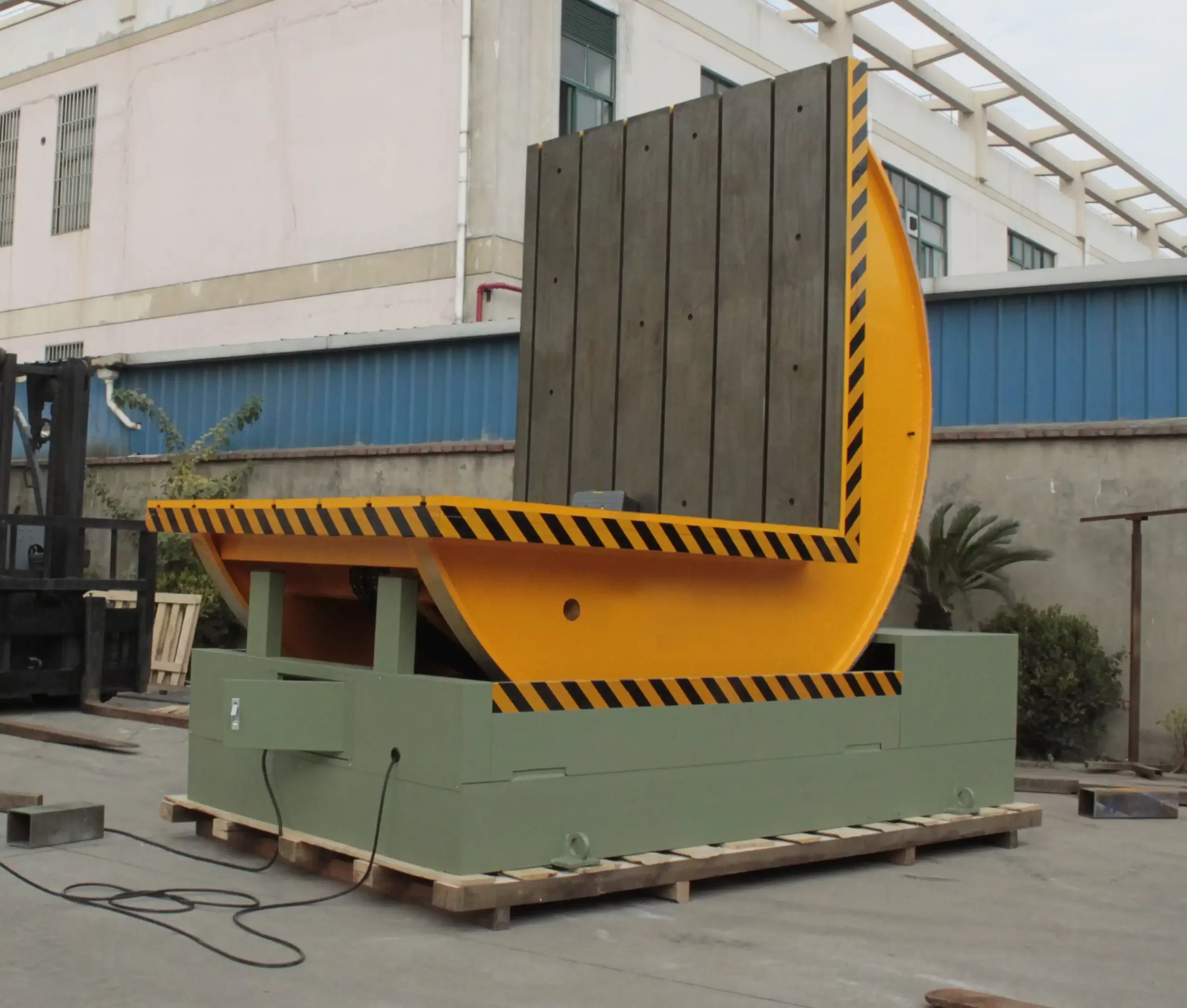
When I started my journey in the packing machine industry, I learned that good design is not just about function; it is about foresight. A machine that looks good but holds water is a recipe for disaster in a place like Brazil. I remember seeing equipment rusting from the inside out because of overlooked design details. Michael Chen needs equipment that is not just strong, but smart.
Design Principles for Moisture Prevention:
-
Angled and Sloping Surfaces:
- Principle: Instead of flat horizontal surfaces where water can pool, design components with a slight angle or slope.
- Application: Covers, platforms, and structural members should be designed so that rain or condensation naturally flows off rather than accumulating. For example, control panel tops can be slightly sloped.
- Benefit: Prevents standing water, which accelerates rust and can seep into joints or seals.
-
Adequate Drainage Holes:
- Principle: Ensure that any enclosed sections or low points where water might collect have sufficient drainage holes.
- Application: This includes the bottom of hollow structural sections, motor housings (where applicable), and internal compartments. These holes should be large enough not to get clogged easily.
- Benefit: Allows water to escape freely, preventing internal pooling and subsequent corrosion from within. It also helps with air circulation to dry out internal spaces.
-
Minimizing Crevices and Gaps:
- Principle: Design welded joints and bolted connections to be as smooth and sealed as possible. Avoid creating tight, inaccessible crevices.
- Application: Use continuous welds instead of intermittent ones. Where bolting is necessary, use gaskets or sealants. Avoid overlapping metal sheets without proper sealing.
- Benefit: Crevices act as capillary traps, drawing and holding moisture. They are also difficult to clean and paint, making them prime sites for hidden corrosion. Minimizing them means fewer places for rust to start and hide.
-
Easy Access for Cleaning and Inspection:
- Principle: The design should allow maintenance teams to easily clean and inspect all parts of the machine, especially those prone to moisture build-up.
- Application: Removable covers, strategically placed inspection hatches, and clear pathways around components make maintenance easier.
- Benefit: Regular cleaning removes dirt and corrosive agents. Easy inspection helps detect early signs of wear or corrosion before they become major problems, allowing for proactive maintenance.
-
Open Framework vs. Enclosed Sections (where feasible):
- Principle: Where structural integrity allows, opt for an open, airy framework rather than fully enclosed boxes.
- Application: For general support structures, using I-beams or channels rather than large closed box sections can reduce internal condensation.
- Benefit: Promotes air circulation, reducing humidity pockets and allowing moisture to evaporate more quickly.
These design principles are not just theoretical; they are practical measures that add years to a machine’s life. For Michael Chen, a mold upender designed with these considerations means fewer surprises, lower long-term costs, and consistent performance, even when the humidity is soaring. It is about building a machine that inherently resists the environment, rather than just surviving it.
I remember when I first started my factory, a major challenge was always ensuring equipment longevity. I found that the best solutions often came from asking “why” things failed. It was not just about the upfront cost of a machine, but the true cost of ownership – including downtime, repairs, and premature replacement. This understanding led me to focus on deeply understanding environmental impacts on machinery, which directly benefits clients like Michael Chen. My commitment to FHOPEPACK is rooted in sharing these hard-won lessons, helping you avoid the pitfalls I once navigated.
Conclusion
For Brazil’s climate, a mold upender needs more than basic protection. It demands advanced materials, multi-layer coatings, sealed electrical systems, and a design that actively prevents moisture traps. This complete approach ensures long-term reliability and efficiency, giving your factory a crucial edge.








