
What Packaging Challenges in Algeria’s Furniture and Cabinet Industry Can Orbital Wrapping Machines Solve?
For years, I have seen many furniture and cabinet makers in Algeria face tough packaging problems. They struggle with slow manual processes. Their products get damaged easily. Workers also face risks when handling large, heavy items. These issues do not just slow down production. They also eat into profits and lead to unhappy customers. It often feels like a constant battle to keep things moving and protect valuable goods.
Orbital wrapping machines offer a powerful solution to these critical challenges in Algeria’s furniture and cabinet industry. They boost efficiency by automating slow manual tasks. They significantly improve worker safety by reducing heavy lifting. These machines also provide superior product protection against scratches, dust, and moisture, minimizing damage during transport and storage.

Understanding these challenges is the first step. Finding the right tools to overcome them is the next. Let us look closer at how orbital wrapping machines can transform your operations.
Is Manual Packing Slowing Down Your Algerian Furniture Production?
Are you losing valuable time and money because of slow packing methods? Many furniture factories in Algeria still rely on people to wrap products. This process is often very slow. It creates bottlenecks at the end of the production line. This means finished products wait to be packed, delaying shipments and impacting delivery times. This problem can stop your whole factory from running smoothly.
Manual packing is a major bottleneck in the Algerian furniture and cabinet industry, causing delays and increased labor costs. Orbital wrapping machines quickly and consistently wrap long or bulky items. This automation significantly speeds up the packing process and frees up workers for other important tasks, directly boosting overall production output.
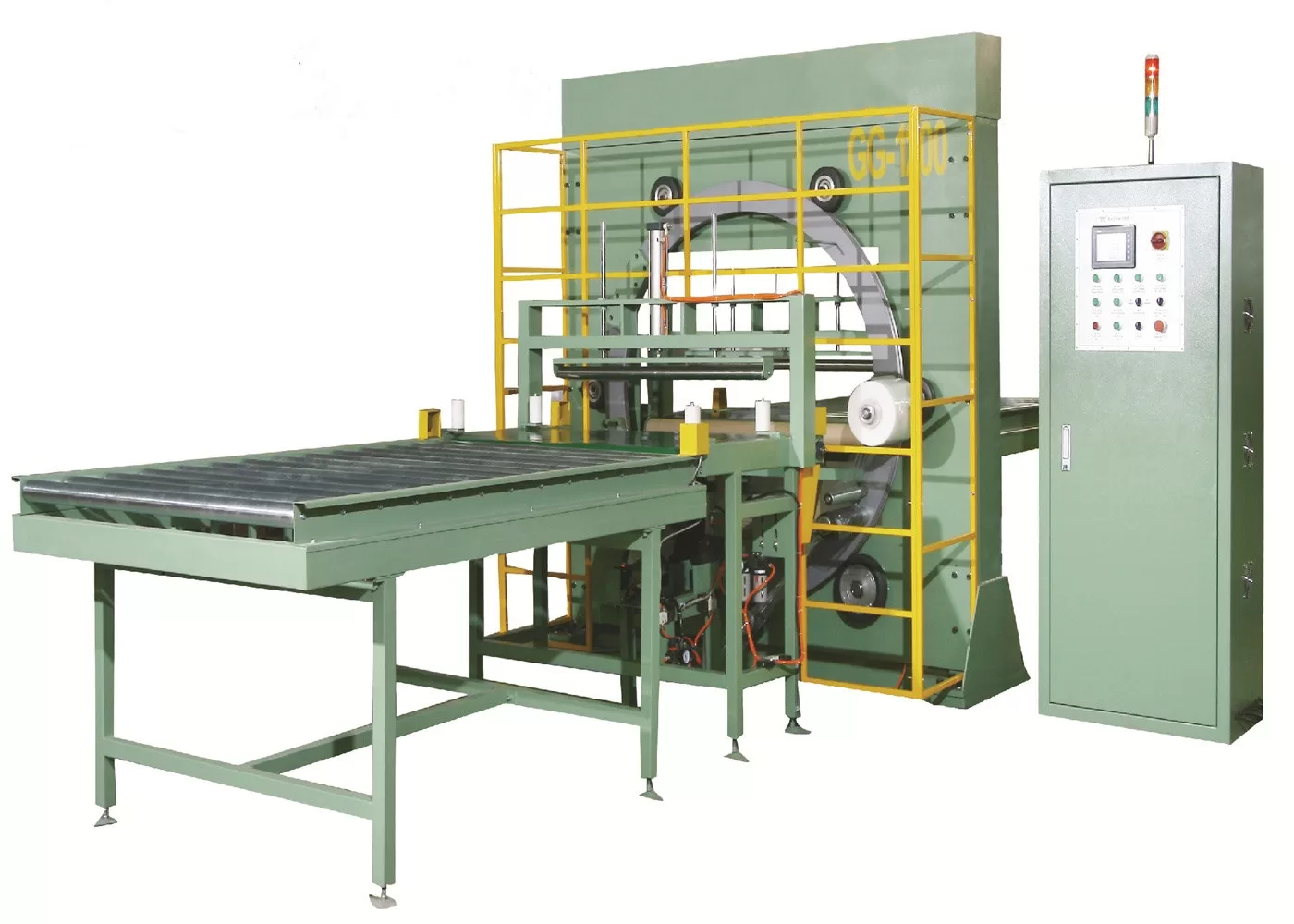
When I started my first factory, I faced similar issues. We had many orders, but our manual packing could not keep up. I knew we needed a better way. I realized that efficiency at the end of the line is just as important as efficiency at the start.
Why Manual Packing Creates Bottlenecks
Manual packing might seem cheap at first. However, it often hides many costs. Workers take time to wrap each item. They must walk around the product. They must apply film evenly. This is hard with large items like cabinet panels or sofa frames. The time adds up quickly.
- Inconsistent Speed: One worker might be fast, another slow. This creates uneven output.
- Labor Intensive: More people are needed for packing, increasing wage costs.
- Physical Strain: Repetitive tasks lead to fatigue, which slows down work.
Imagine a factory that produces hundreds of furniture pieces each day. If packing takes 10 minutes per piece manually, and an orbital wrapper can do it in 2 minutes, the difference is huge. This difference translates into more products shipped per day. It also means less overtime pay.
How Orbital Wrappers Increase Throughput
Orbital wrapping machines work fast. They wrap products quickly and evenly. The machine creates a tight, secure wrap every time. This speed is constant. It does not depend on a worker’s energy levels.
Let’s compare:
| Feature | Manual Packing | Orbital Wrapping Machine |
|---|---|---|
| Speed | Slow and inconsistent | Fast and consistent |
| Labor Needs | High, multiple workers needed | Low, often one operator to load/unload |
| Wrap Quality | Varies, can be loose or uneven | Tight, secure, uniform |
| Cost | High labor costs, potential for delays | Lower labor costs, higher throughput, quick ROI |
| Bottleneck Risk | High, often delays the whole production line | Low, integrates smoothly into automated lines |
In my experience, moving from manual to automated packing was a game-changer. I saw client factories in similar industries increase their packing speed by three to four times. This meant they could take on more orders. They could also deliver faster. This directly helped their businesses grow. These machines become an important part of a smooth production flow. They help ensure products move from the assembly line to shipping without unnecessary delays. They also make sure products are ready for transport efficiently.
Are Your Workers at Risk from Heavy Lifting in Your Furniture Factory?
Do your employees often lift heavy or awkwardly shaped furniture components? This is a serious safety concern in many factories. Moving large cabinet doors, long wooden beams, or heavy furniture frames by hand is very risky. Workers can easily suffer back injuries, sprains, or other accidents. These injuries hurt your employees. They also increase your insurance costs and lead to lost workdays. This situation creates a stressful and unsafe work environment.
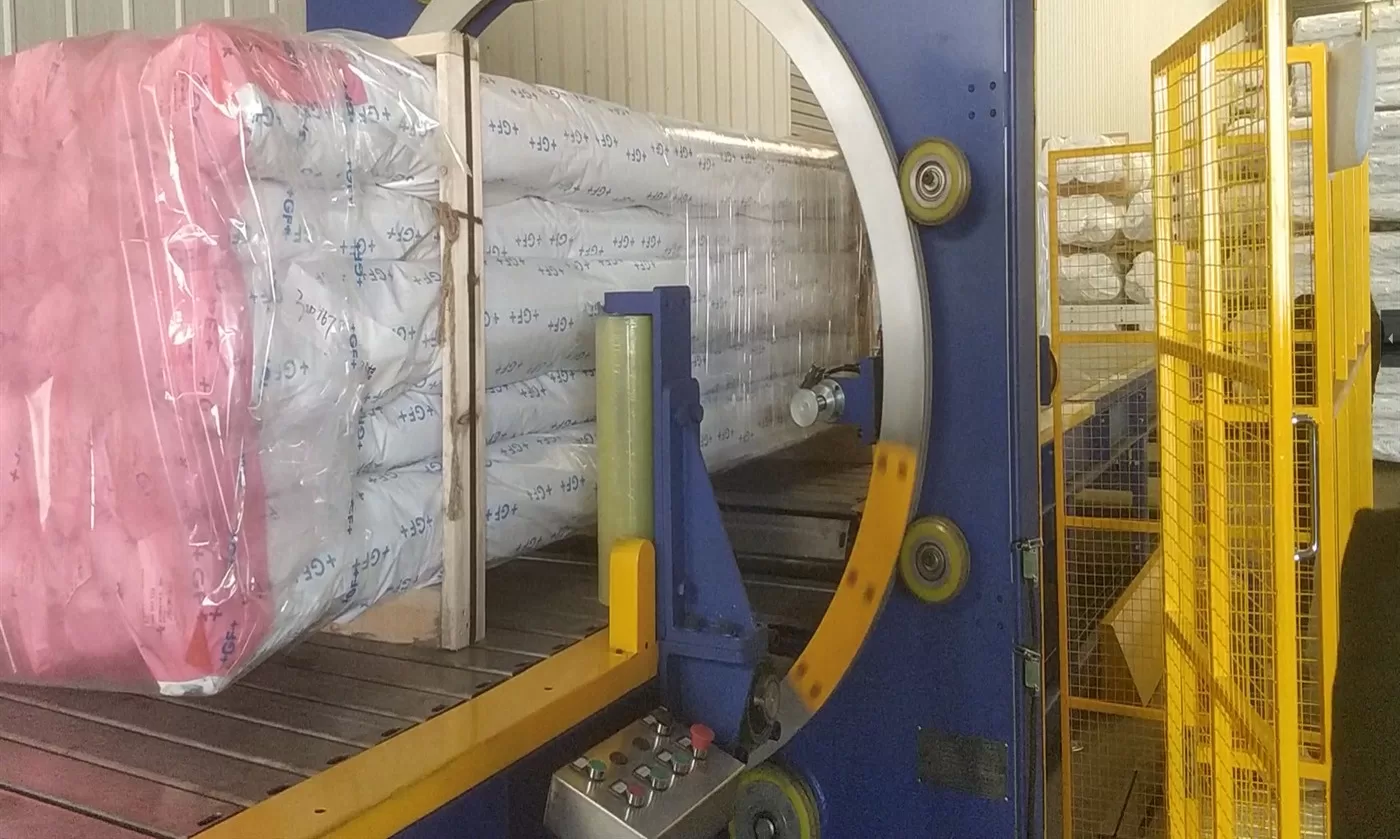
Manual handling of large and heavy furniture components poses significant safety risks for workers in Algerian factories. Orbital wrapping machines greatly reduce the need for heavy lifting and manual manipulation. They allow products to remain on a conveyor or trolley during the wrapping process. This dramatically improves worker safety and lowers the risk of workplace injuries.
I started as an employee in a packing machine factory. I saw firsthand how dangerous heavy lifting could be. I have always believed that a safe workplace is a productive workplace. My goal was always to create systems that protect people.
The Dangers of Manual Handling
Workers in furniture factories often lift or turn large, flat panels. They also handle long, heavy beams. This work is physically demanding. It leads to many injuries. These injuries can be minor, like muscle strains. They can also be very serious, like back disc problems.
- Ergonomic Injuries: Back pain, shoulder injuries, wrist problems.
- Accidents: Dropped products can cause foot injuries. Falling items can cause head injuries.
- Fatigue-Related Errors: Tired workers are more likely to make mistakes or have accidents.
When workers are injured, they need time off. This means you lose skilled labor. You also incur medical costs. It impacts team morale. Many clients I helped found that improving safety actually saved them money in the long run. They had fewer insurance claims. They also had a more stable workforce.
How Orbital Wrappers Improve Workplace Safety
Orbital wrapping machines change how products are handled. Instead of workers lifting and turning, the machine does the work. Products usually stay on a conveyor belt or a cart. The machine wraps them as they pass through.
Consider these safety benefits:
- Reduced Manual Lifting: Products are loaded onto the machine, often mechanically. Workers do not need to lift them repeatedly.
- Stable Wrapping Process: The machine securely holds the product. This prevents it from falling or shifting during wrapping.
- Less Repetitive Motion: Workers avoid the constant twisting and bending needed for manual wrapping.
In my years of working with different factories, I have always pushed for solutions that prioritize worker well-being. An orbital wrapper is a clear investment in your team’s safety. It reduces physical strain. It also lessens the chance of accidents. This makes the workplace safer. It also shows your employees that you care about them. A safer environment leads to happier workers. It also means better productivity for your factory.
How Can You Stop Product Damage During Transit and Storage?
Have you ever received complaints about scratched furniture or chipped cabinet edges? Product damage is a big problem for furniture manufacturers. Items can get scratched, dented, or broken during internal transport. They can also get damaged during shipping or while sitting in storage. This leads to unhappy customers. It also means you lose money on repairs or replacements. Protecting your products is crucial for maintaining your brand’s reputation and your bottom line.
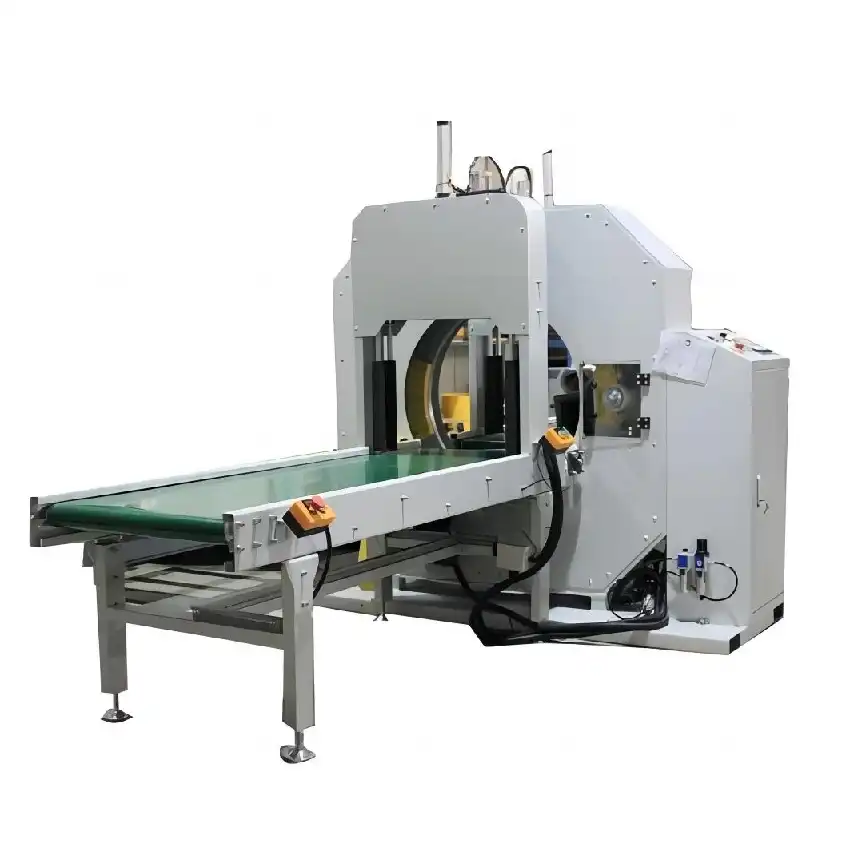
Orbital wrapping machines provide superior, consistent protection for furniture and cabinet components. They tightly wrap products with stretch film, creating a barrier against scratches, dust, and moisture. This secure wrapping prevents movement during transit and minimizes edge damage, significantly reducing product loss and customer complaints in the Algerian market.
I have seen many factories struggle with this. Early in my career, I visited a client who made beautiful wooden tables. But too many arrived with scuff marks. It was disheartening to see good craftsmanship ruined by poor packaging. I realized that a perfect product is not truly finished until it is perfectly packed.
Common Causes of Product Damage
Furniture and cabinet items are often large and can be delicate. They are easily damaged if not packed correctly.
- Abrasion and Scratches: Items rub against each other or against packaging materials.
- Impact Damage: Bumps during loading, unloading, or transit can cause dents or chips.
- Dust and Moisture: Unprotected surfaces can attract dust or suffer water damage, especially during storage.
- Vibration: During transport, constant vibrations can cause internal components to loosen or surfaces to wear.
Think about a set of kitchen cabinets. Each panel, door, and drawer front needs protection. If one piece arrives damaged, the whole set is compromised. This means the factory has to send a replacement, which costs time and money.
How Orbital Wrappers Provide Better Protection
Orbital wrapping machines use stretch film to create a strong, protective layer around the product. The film wraps around the item in a spiral motion. This ensures complete coverage.
Here is how it helps:
- Full Surface Protection: The film covers all sides, protecting against scratches and scuffs.
- Moisture and Dust Barrier: The tight wrap keeps out dust and helps protect against moisture damage.
- Load Stability: Multiple layers of film secure the product. This stops it from shifting during transport. For long items like baseboards or cabinet frames, this is very important.
- Edge Protection: The film compresses around edges, reducing the chance of chipping.
Many of my clients who adopted orbital wrappers saw a sharp drop in damage complaints. One client, who makes custom wardrobes, told me their damage rate dropped by 80%. This not only saved them money. It also improved their reputation. Customers trust them more because their products always arrive in perfect condition. This reliable protection is a key benefit. It ensures that the quality you build into your furniture stays intact all the way to the customer.








