
How Can Orbital Wrapping Improve Long-Distance Transport of Laminated Panels Across North Africa?
Shipping delicate laminated panels across vast distances, especially in challenging regions like North Africa, brings many headaches. You battle with damage, high labor costs, and slow processes. These issues eat into your profits and reputation. Every damaged panel is a direct hit to your bottom line and can erode customer trust. You need a way to protect your products better and move them faster.
Orbital wrapping significantly improves long-distance transport of laminated panels by creating a strong, all-around protective barrier. It secures panels tightly, prevents shifting, and shields them from dust, moisture, and impact damage. This method boosts efficiency, cuts down on material waste, and ensures products arrive in perfect condition, even after long journeys across North Africa.

I know the pressures you face. I have been there myself, from the factory floor to running my own successful packing machine plant. The key is finding solutions that truly work, not just quick fixes. Let’s dig deeper into how orbital wrapping can be that game-changer for your factory, especially when dealing with the demands of North African logistics.
Why is traditional packing failing for laminated panels in tough transit?
You currently rely on old packing methods, and it is costing you. Is your team struggling with slow, manual processes? Do you see frequent damage to your laminated panels before they even reach the customer? These issues are not just minor inconveniences; they directly impact your factory’s ability to deliver on time and keep customers happy. The methods you use now might be holding you back from growth.
Traditional packing often fails for laminated panels in tough transit because it lacks consistent, all-around protection and struggles with load stability. Manual methods lead to uneven wrapping, leaving parts exposed to dust, moisture, and impact. This poor protection causes damage, especially during long journeys and on rough roads common in North Africa, resulting in product loss and unhappy customers.
Traditional packing, like simply banding or using shrink wrap on only a few sides, just does not cut it for laminated panels. These panels are often long, flat, and can be heavy. They need full protection. When I was starting my career, I saw many factories lose money because of damaged goods. Manual packing leaves too much room for error. Workers get tired, and the wrap might not be tight enough. This means panels can shift inside the package during transit. They can rub against each other, causing scratches. The edges can chip or break, which is a major problem for laminated products.
Common Failure Points in Traditional Panel Packing
Traditional methods often have clear weaknesses when it comes to shipping laminated panels over long distances.
- Incomplete Coverage: Many old methods only cover the top and bottom or use straps. The sides and ends remain open. This lets in dust, dirt, and moisture. In North Africa, dust storms are common. Moisture from humidity or rain can also cause big problems for laminated materials. Even small amounts of water can lead to swelling, delamination, or mold.
- Lack of Load Stability: Laminated panels are prone to shifting. If they are not tightly secured, they move around in the truck or container. This movement causes friction damage between panels. It also puts stress on the packing materials, which can then break. A loose load is a dangerous load, both for the product and for anyone handling it.
- Vulnerability to Impact: Panels are heavy. They can get bumped and hit during loading, unloading, and transit. Traditional wrapping often does not offer enough cushioning or rigidity to absorb these impacts. Corners and edges are especially vulnerable. Damage to these areas makes the product unusable.
- Inefficiency and High Labor Costs: Manual packing is slow. It takes many workers to prepare a large number of panels. This increases labor costs significantly. From my own time on the factory floor, I know that every minute spent on inefficient packing is a minute not spent on actual production. Michael, I hear you when you talk about wanting to increase output and control costs. Manual packing is a huge bottleneck.
- Inconsistent Quality: The quality of manual packing changes from person to person and even from day to day for the same person. This inconsistency means you cannot guarantee the same level of protection for every shipment. This leads to unpredictable damage rates and makes it hard to manage quality control.
These issues directly affect your bottom line. They lead to rejections, rework, and shipping delays. They also hurt your reputation with customers. For long-distance transport across North Africa, where conditions can be harsh and routes long, these traditional packing failures become even more severe.
How does orbital wrapping protect against specific transport risks in North Africa?
North Africa presents unique challenges for shipping goods. Are you worried about the extreme heat, the dusty environment, or the long, often bumpy roads your products will face? These conditions can easily destroy your carefully manufactured laminated panels if they are not properly protected. Standard packing methods might work in some places, but they often fail here.
Orbital wrapping provides superior protection against specific transport risks in North Africa by creating a tight, multi-layer film barrier around all sides of the laminated panels. This robust wrap shields products from pervasive dust, seals out moisture from humidity or unexpected rain, and secures the load firmly to prevent shifting and impact damage on long, uneven routes. It offers full encapsulation, crucial for maintaining product integrity in harsh conditions.

When I was building my factory, I learned that understanding the environment your product travels through is just as important as knowing your product. North Africa is a region known for its vast distances, varied climates, and often less-than-perfect road infrastructure. These factors create several specific risks for sensitive goods like laminated panels. Orbital wrapping is designed to tackle these head-on.
Protecting Panels Against North African Transport Challenges
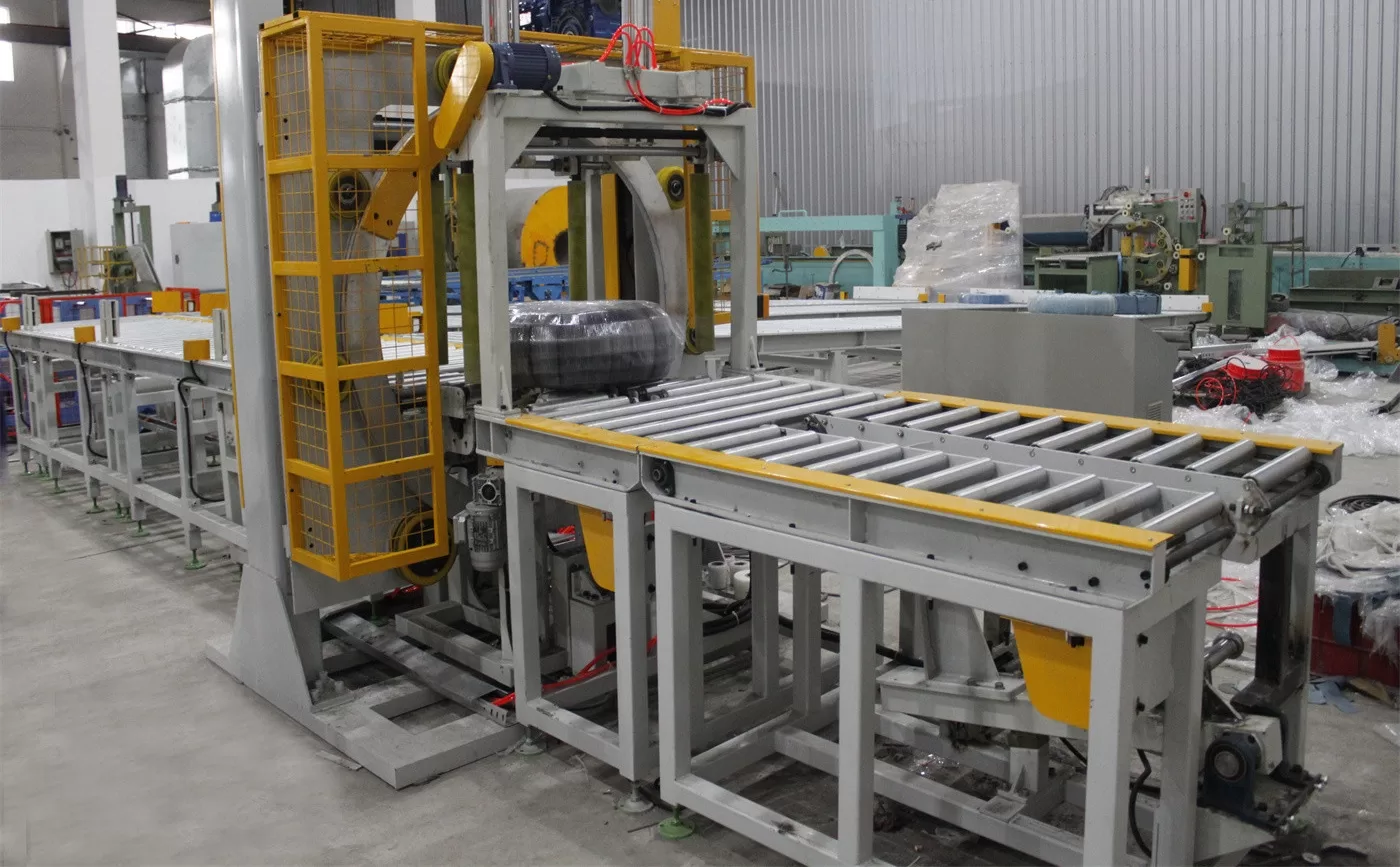
Orbital wrapping machines work by rotating a film roll around a product as it moves horizontally through the machine. This creates a spiraling, overlapping layer of stretch film that fully encapsulates the item. This method offers specific advantages for the North African context.
- Dust and Sand Protection: North Africa is famous for its deserts and dust storms. Fine sand and dust can get into any small opening. This can scratch laminated surfaces or get trapped between layers, leading to quality issues. Orbital wrapping creates an almost airtight seal around the entire panel bundle. This multi-layer barrier stops dust and sand from reaching the product, keeping surfaces clean and intact. I once had a client shipping precision parts to a desert region, and without a complete seal, their products always arrived needing extensive cleaning. Orbital wrapping solved that.
- Moisture and Humidity Control: While known for dry areas, North Africa also has coastal regions with high humidity and sudden rain. Moisture is a big enemy of laminated panels, causing swelling, delamination, and mold growth. The continuous film layers from an orbital wrapper provide excellent water resistance. It keeps moisture out, protecting the panels from water damage during transit or storage.
- Impact and Abrasion Resistance on Rough Roads: Long-distance transport often means traveling on roads that are not perfectly smooth. Vibrations and bumps are common. These can cause panels to rub against each other or against the packaging, leading to scratches, scuffs, or edge damage. Orbital wrapping applies significant tension to the film, holding the panels tightly together as a single, stable unit. This greatly reduces movement within the package. The multiple layers of stretch film also add a cushioning effect, absorbing minor impacts and protecting the panel surfaces from abrasion. Michael, I know you mentioned product loss due to damage; this is exactly what orbital wrapping aims to prevent.
- UV Protection: Long exposure to direct sunlight, especially in North Africa’s intense sun, can affect some laminated materials over time, leading to fading or material degradation. Using UV-stabilized stretch film with an orbital wrapper adds an extra layer of protection against harmful UV rays, helping maintain the panels’ appearance and structural integrity.
- Security Against Pilferage: A tightly wrapped, fully encapsulated package is harder to tamper with without leaving clear signs. While not the primary purpose, the robust and complex wrap can act as a deterrent against casual pilferage, adding a layer of security during transit and temporary storage.
By addressing these specific risks, orbital wrapping ensures that laminated panels arrive at their destination in North Africa in the best possible condition, reducing claims and building customer satisfaction.
Can orbital wrapping truly boost efficiency and cut costs for my factory?
You constantly look for ways to cut costs and boost output. Manual packing might seem cheap at first, but have you truly calculated the long-term expenses? Think about the wages for multiple workers, the cost of damaged goods, and the time lost to slow processes. These add up fast. You need a packing solution that delivers clear returns on investment.
Yes, orbital wrapping truly boosts efficiency and cuts costs for your factory by automating a labor-intensive process, significantly reducing labor needs and associated overhead. It minimizes product damage, cutting down on waste and customer returns. The faster wrapping speeds, consistent package quality, and optimized material usage directly translate into higher throughput and a strong return on investment, making your operations more profitable.

When I started FHOPEPACK, my goal was always to help factories improve. This meant focusing on solutions that save money and make things faster. I saw first-hand how much waste and inefficiency existed in many packing lines. Michael, you mentioned needing to solve efficiency bottlenecks and reduce costs with a clear ROI. Orbital wrapping is a perfect fit for this. It is more than just a machine; it is a system that transforms your end-of-line process.
How Orbital Wrapping Delivers ROI and Efficiency Gains
The benefits of orbital wrapping go straight to your balance sheet.
- Reduced Labor Costs: This is often the biggest saving. An orbital wrapping machine can do the work of several manual laborers. One operator can manage the machine, freeing up other staff for more productive tasks. This reduces your payroll expenses and also helps solve the problem of high injury risk associated with manual handling of heavy items. Less manual work means fewer workplace injuries, which cuts insurance costs and employee turnover—something you are very concerned about, Michael.
- Increased Packing Speed and Throughput: Machines work much faster than people. An orbital wrapper can process many panels in the time it takes a manual team to do a few. This dramatically speeds up your packing line. Faster packing means you can produce and ship more laminated panels each day. This directly addresses your efficiency bottlenecks and helps you meet tight delivery schedules, improving overall production and delivery speed.
- Minimized Product Damage: As discussed, orbital wrapping protects panels very well. Less damage means fewer customer complaints, fewer returns, and less scrap. This reduces material waste and saves you the cost of replacing damaged goods. When I was running my factory, reducing damage was a constant goal, and automated wrapping was key to achieving it.
- Optimized Film Usage: Modern orbital wrappers use stretch film very efficiently. They can stretch the film significantly, meaning you get more wrap from less material. They also apply the film consistently, avoiding overuse or underuse. This reduces your material costs over time compared to manual methods where film usage can be wasteful.
- Consistent Package Quality: Automation ensures every package is wrapped with the same tension and number of layers. This consistency means every panel bundle gets the same high level of protection. This predictability is vital for quality control and building customer confidence. It means less variability in your outgoing product quality.
- Improved Safety: Machines handle the heavy lifting and repetitive movements. This removes workers from dangerous tasks like manually moving or wrapping large, heavy panels. This directly improves worker safety, reduces the risk of injuries, and creates a safer work environment—a top priority for you, Michael.
By investing in an orbital wrapping machine, you are not just buying equipment. You are investing in a solution that provides clear, measurable returns. It helps you control costs, increase efficiency, and significantly improve safety, all of which contribute to your factory’s overall profitability and growth.
What makes FHOPEPACK a reliable partner for my automation needs?
You have had bad experiences with equipment suppliers in the past. They promise a lot but deliver little, especially after the sale. This makes you cautious about new partners. You need more than just a machine seller; you need a team that understands your real-world factory problems and can offer lasting support and expertise. How can you trust FHOPEPACK to be different?
FHOPEPACK is a reliable partner for your automation needs because I, Randal Liu, built this company on deep, practical packing machine experience. I started on the factory floor, built a successful factory myself, and helped many clients grow. We offer not just machines, but also expert insights and proven solutions to real production problems. Our commitment extends beyond sales to provide dedicated support, ensuring your investment truly solves your challenges and supports your business growth.

Michael, your concern about supplier trust is something I understand deeply. When I was setting up my own packing machine factory, I also dealt with vendors who only cared about the sale. That experience taught me what not to do. It also shaped how I built FHOPEPACK. My journey, from an employee to a successful factory owner, taught me the true value of reliable equipment and, more importantly, a reliable partner. I achieved financial independence thanks to the packing machine industry, and now I want to give back by sharing that expertise.
Why Partnering with FHOPEPACK Offers More Than Just a Machine
When you work with FHOPEPACK, you get a partner who truly understands the challenges you face in your factory. We offer more than just a product.
- Deep Industry Expertise from a Factory Owner: Unlike many sales-focused companies, my background is hands-on. I have been in the trenches. I know what it means to keep a production line running, meet output targets, and deal with safety regulations. This experience means FHOPEPACK does not just sell machines; we sell solutions based on real-world factory knowledge. We understand your production bottlenecks, safety issues, and efficiency goals because we have faced them too.
- A Focus on Problem-Solving, Not Just Selling: Michael, you said you want a supplier who understands your production bottlenecks, safety hazards, and efficiency problems. This is exactly what we do. We take the time to listen to your specific challenges. Whether it is slow manual packing, high injury risks from heavy lifting, or product damage during transit, we work to find the right orbital wrapping solution for your laminated panels. Our goal is to ensure your investment truly solves your problems and helps your business grow.
- Commitment to Long-Term Support: The sale is not the end of our relationship. We stand by our equipment. This means offering robust after-sales service, spare parts, and technical assistance. You will not be left stranded with a machine you do not understand or cannot maintain. My own experiences with poor after-sales service taught me that this commitment is crucial for building lasting trust.
- Proven Track Record in Heavy Industry: Our experience extends to coil packing and steel wire packing, which means we are no strangers to the demands of heavy-duty manufacturing environments like yours. We build durable equipment designed to withstand rigorous work. This means our orbital wrappers are reliable and efficient, exactly what you value in your factory.
- Tailored Solutions for Specific Needs: Every factory is different. We do not offer a one-size-fits-all approach. We assess your specific requirements for laminated panel sizes, production volume, and environmental conditions (like those in North Africa). Then, we recommend the orbital wrapping machine that best fits your operational needs, ensuring maximum ROI and seamless integration into your existing line.
Partnering with FHOPEPACK means choosing a company built on practical experience, a deep understanding of factory operations, and a genuine commitment to client success. I am dedicated to helping others succeed in this field, just as the industry helped me achieve mine.
My Insights
When I look at the challenges factories like Michael’s face—the constant pressure to boost output, cut costs, and ensure safety—it reminds me of my own journey. From the shop floor, I saw so many operations held back by outdated thinking and inefficient processes. I learned that the biggest gains come from smart investments in automation, not just working harder. It is about working smarter.
Think about the long haul for laminated panels across North Africa. It is not just a journey; it is a gauntlet of dust, heat, and rough roads. Without proper protection, your product and your reputation are at risk. I have seen firsthand how a small investment in the right packing technology can save millions in damaged goods and lost customers.
The biggest mistake I see companies make is underestimating the value of automation for end-of-line processes. They spend so much money on production machines, but then skimp on packing, which is the last line of defense for their product. This is like building a strong house but forgetting the roof.
Orbital wrapping, in my experience, is a robust and flexible solution. It is not just about wrapping; it is about protecting your investment, your brand, and your relationship with your customers. It ensures that when your laminated panels arrive in Cairo, Marrakech, or Algiers, they look exactly as they did when they left your factory. This consistent quality builds trust, and trust is the foundation of long-term business growth.
I have spent years perfecting packing solutions, and I know that the right machine, combined with the right expertise, can transform a business. We at FHOPEPACK do not just sell machines; we provide the knowledge and support to ensure they work for your business, solving your problems. That is the FHOPEPACK promise.
Conclusion
Orbital wrapping is a game-changer for laminated panel transport to North Africa. It boosts efficiency, cuts costs, and ensures product safety by providing superior protection against harsh transit conditions. Choose the right partner for lasting success.








