

What Maintenance Is Required to Keep a Hydraulic Upender Operating Safely?
Running a busy factory, especially one handling heavy materials like steel coils, means constantly balancing output with safety. I know the pressure you face. A sudden breakdown of critical equipment, like your hydraulic upender, can halt production, incur massive losses, and worse, create serious safety hazards for your team. You are always looking for ways to keep things running smoothly, reliably, and most importantly, safely. (factory operational efficiency, heavy-duty equipment reliability)
To keep a hydraulic upender operating safely, you need a comprehensive maintenance program. This includes daily visual checks, scheduled periodic inspections of mechanical and hydraulic components, and proper training for all operators. Regular upkeep prevents unexpected failures, reduces injury risks, and extends the machine’s lifespan. (hydraulic upender maintenance program, packing line safety)
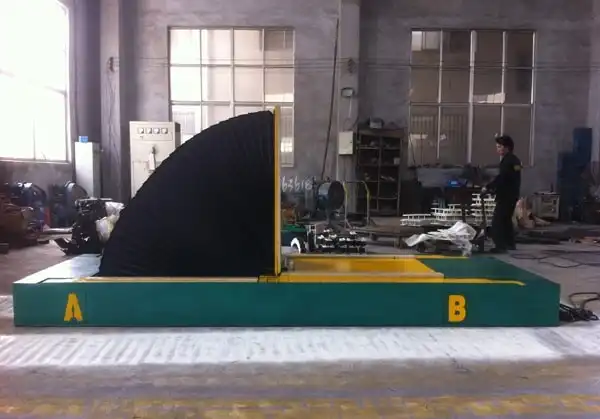

Many factory managers I speak with, like Michael in Mexico, tell me they struggle with finding durable equipment and reliable partners. They want solutions that genuinely solve their production bottlenecks and safety concerns. This is exactly why a proper maintenance plan for your hydraulic upender is not just a task, but a strategic investment. Let me share some insights I have gained from years in the packing machine industry. These insights will help you ensure your upender is a dependable asset, not a source of worry.
1. Why Does Your Hydraulic Upender Need Consistent Maintenance to Stay Safe?
Imagine a critical point in your packing line. Your hydraulic upender is moving a heavy steel coil. Suddenly, it jams or fails. This scenario is a factory manager’s nightmare. It brings production to a halt and puts workers at high risk. You need to avoid these problems at all costs. (steel coil upender reliability, production line bottlenecks)
Your hydraulic upender needs consistent maintenance to stay safe because it prevents mechanical failures, protects operators from potential harm, and ensures the machine performs its heavy-duty tasks without compromise. This proactive approach stops small issues from becoming dangerous, costly problems. (preventive maintenance for upenders, packing machine safety)
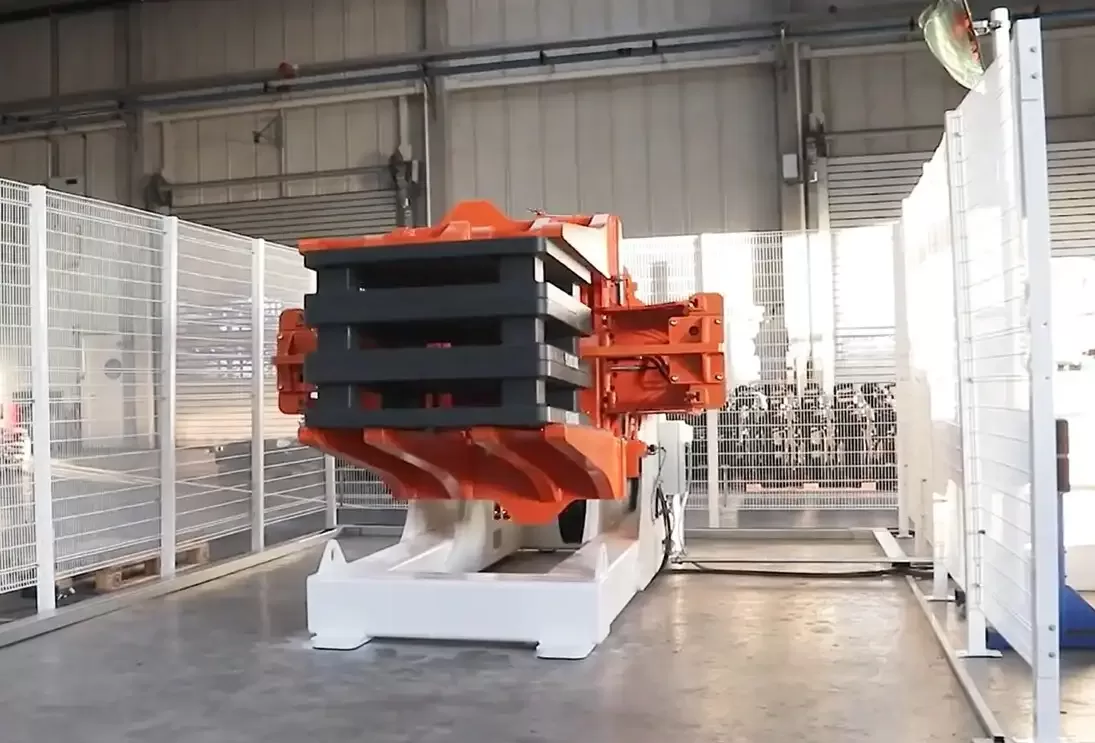

In my experience, from working as an employee to owning a packing machine factory, I have seen first-hand what happens when maintenance is overlooked. It always leads to bigger headaches down the road. For example, Michael, a factory manager in Mexico, told me about past experiences with suppliers who cared only about sales, not after-sales service. This made him cautious about new partnerships. This is why I always emphasize the importance of ongoing support and genuine understanding of your operational needs. A well-maintained hydraulic upender is not just a functional machine. It is a cornerstone of your factory’s safety culture and efficiency. When parts wear out, stress on other components increases. This can lead to unexpected breakdowns. These breakdowns cause costly downtime. More importantly, they pose a direct threat to your workers. Think about an upender handling a 20-ton coil. If a small component fails, the consequences can be catastrophic. Proactive maintenance means you fix these small issues before they escalate. It extends the life of your equipment and saves you from larger repair bills. It also reduces the chances of work-related injuries, which means lower insurance costs and a more stable workforce. This commitment to regular maintenance shows your team that their safety is a top priority. It helps build a strong, trust-based relationship between management and employees. This makes your whole operation run better. My team at FHOPEPACK understands these pressures. We design our equipment, like our hydraulic tilters and coil upenders, with ease of maintenance in mind. We also provide the guidance you need to keep them running safely for years. (coil tilter safety, industrial upender lifespan, cost-effective maintenance)
Why Neglecting Maintenance is Risky
- Increased Accident Risk:
- 🚨 Unchecked wear on moving parts can lead to sudden failures.
- ⚠️ Leaking hydraulic fluid creates slip hazards and potential for equipment loss of control.
- ⚙️ Malfunctioning safety interlocks can expose workers to moving machinery.
- Higher Operating Costs:
- 💸 Emergency repairs are always more expensive than scheduled preventive maintenance.
- 📉 Frequent downtime reduces productivity and delivery schedules.
- 🔄 Premature equipment replacement due to neglect.
- Reduced Equipment Lifespan:
- 🔥 Overheating components from poor lubrication cause early wear.
- corroded parts lead to structural weakness.
- 🐢 Inefficient operation strains the entire system, shortening its life.
2. What Daily Safety Checks Should Your Hydraulic Upender Operators Perform?
You need your team to be your first line of defense against potential issues. Empowering your operators with a clear checklist of daily safety checks can catch problems before they grow. Without these checks, small faults can go unnoticed, leading to unexpected failures during critical operations. (operator daily checks, upender pre-shift inspection)
Operators should perform daily safety checks on your hydraulic upender, focusing on visual inspections for leaks, unusual noises, proper functioning of emergency stops, and clear pathways around the machine. This quick routine helps identify immediate safety concerns and operational irregularities before work begins. (hydraulic tilter daily inspection, equipment pre-operation safety)


At FHOPEPACK, we strongly advocate for operator involvement in daily machine care. I recall a client who implemented a simple 10-minute pre-shift checklist for their coil wrapping machine and hydraulic upender. Within a month, they reduced minor stoppages by 30% and identified several small hydraulic leaks that could have caused a major failure. This is proof that consistent, basic checks make a real difference. Your operators are closest to the machinery. They hear the first unusual sound and see the first drip. Their immediate attention to these details is invaluable. These daily checks are not just about the machine. They are also about making sure the work area is safe. For example, they should check that all safety guards are in place and that the emergency stop buttons are easily accessible and working. This helps to create a secure environment for everyone. Simple checks like looking at fluid levels, checking for loose fasteners, and ensuring all control buttons respond correctly can prevent many common accidents. My engineers, who design our robust floor base hydraulic upenders, always emphasize user-friendly interfaces to make these daily checks intuitive for operators. We also provide clear guidelines for these routines. (coil wrapping machine maintenance, floor base hydraulic upender safety, operator training for tilters)
Daily Checklist for Hydraulic Upender Operators
Here is a simple table outlining essential daily checks:
| Check Point | What to Look For | Why it Matters | Action if Found |
|---|---|---|---|
| Hydraulic Leaks | Any drips or puddles of oil around hoses, cylinders, or valves. | Leaks reduce hydraulic pressure, can create slip hazards, and damage components. | Report immediately. Clean up spills to prevent accidents. |
| Unusual Noises | Grinding, squealing, knocking, or excessive humming during operation. | Indicates worn bearings, loose components, or hydraulic system issues. | Stop operation. Investigate source. Report for technician inspection. |
| Emergency Stops | Ensure buttons are unobstructed, clearly visible, and functional. | Critical for stopping the machine quickly in an emergency. | Test function; if faulty, lock out machine and report. |
| Safety Guards/Barriers | All guards are in place, secure, and undamaged. | Protects operators from moving parts and pinch points. | Replace or repair missing/damaged guards before operation. |
| Work Area Cleanliness | No obstructions, tools, or debris around the upender. | Prevents trips, falls, and interference with machine movement. | Clear the area. Maintain good housekeeping. |
| Visual Component Check | Cracks, deformities, or loose bolts on structural parts. | Early detection of structural fatigue or potential failure points. | Report any visible damage for further assessment. |
| Fluid Levels | Check hydraulic oil and lubrication levels. | Ensures proper operation and prevents component wear. | Top off fluids if low. Investigate persistent low levels. |
| Control Panel Function | All buttons, switches, and indicators respond correctly. | Ensures precise and safe control over the upender’s movements. | Report any unresponsive or faulty controls. |
3. How Often Should You Conduct Detailed Safety Inspections for Your Upender?
Daily checks are vital, but they only scratch the surface. Over time, internal components wear down, seals degrade, and electrical connections can loosen. If you only react to breakdowns, you are always playing catch-up. This means higher costs and more risk. (upender scheduled maintenance, heavy equipment inspection frequency)
You should conduct detailed safety inspections for your upender every 3 to 6 months, depending on usage intensity and environmental conditions. These deeper inspections involve checking internal components, electrical systems, hydraulic fluid quality, and structural integrity. They are crucial for preventive maintenance and long-term operational safety. (periodic upender inspection, hydraulic system upkeep)


When I built my packing machine factory, I implemented a strict schedule for these detailed inspections. I learned that what you do not see can hurt you the most. A small crack in a weld, an aging hydraulic hose, or a slightly misaligned sensor can lead to a catastrophic failure. These are things daily checks might miss. My team and I at FHOPEPACK often work with clients, like Michael, to set up these detailed inspection schedules. We understand that every factory has different demands. For a high-volume steel mill, inspections might be more frequent. For a smaller operation, it might be slightly less often. The key is consistency. These inspections involve trained technicians who can spot subtle signs of wear and tear. They use specialized tools to check pressure, temperature, and electrical circuits. They also test safety features like overload protection and anti-drop valves. This is where you uncover potential issues that could lead to accidents or significant downtime. My experience has taught me that investing in these regular, in-depth checks is always cheaper than dealing with emergency repairs or, worse, an industrial accident. It is about being proactive, not reactive, especially with heavy machinery like a roll upender. (roll upender maintenance, industrial tilter inspection, preventive maintenance schedules)
Key Areas for Periodic Detailed Inspections
- Hydraulic System Integrity:
- Inspect all hoses, fittings, and cylinders for wear, cracks, or leaks.
- Check hydraulic fluid for contamination and proper level. Consider fluid analysis.
- Test pressure relief valves and directional control valves for correct function.
- Examine the hydraulic pump and motor for unusual noises or excessive heat.
- Structural Components:
- Inspect all welds and bolted connections for signs of fatigue, cracks, or loosening.
- Check the frame and platform for deformities or damage.
- Examine pivot points, bearings, and pins for wear and proper lubrication.
- Electrical System:
- Inspect wiring for fraying, loose connections, or corrosion.
- Test all limit switches, sensors, and safety interlocks for correct operation.
- Check control panel components for damage or malfunction.
- Verify the functionality of emergency stop buttons and their circuitry.
- Safety Features:
- Test anti-drop mechanisms and overload protection systems.
- Ensure all warning labels and signs are clear and legible.
- Inspect safety gates, light curtains, and other protective devices.
- Lubrication:
- Ensure all moving parts and bearings are adequately lubricated according to manufacturer specifications.
- Check grease points and automatic lubrication systems.
4. What Specific Maintenance Keeps Your Upender’s Hydraulic System Safe and Reliable?
The hydraulic system is the heart of your upender. It provides the power and control to handle heavy loads. If this system is not properly cared for, your upender can lose power, become unpredictable, or even fail catastrophically. Ignoring hydraulic maintenance is like ignoring your own heart. (hydraulic system maintenance, upender reliability)
Specific maintenance for your upender’s hydraulic system involves regular checks of fluid levels and quality, filter replacements, inspection of hoses and fittings for leaks or wear, and verification of pressure settings. These actions keep the hydraulic power smooth, reliable, and safe for continuous heavy-duty operation. (hydraulic tilter fluid management, upender pressure check)


My journey in the packing machine industry has shown me that many problems with hydraulic upenders stem directly from neglecting the hydraulic system. I remember one client who faced frequent downtime with their roll upender. They could not understand why. We found that their hydraulic fluid had not been changed in years and their filters were completely clogged. This caused excessive wear on their pump and valves. It was a simple fix that averted a major repair and restored reliability. At FHOPEPACK, we design our hydraulic upenders to be robust, but even the best machines need proper care. The hydraulic fluid itself is a critical component. Over time, it can become contaminated with dirt, water, or metallic particles. These contaminants can wear down seals, damage pumps, and clog valves, leading to inefficient operation and potential failure. Regularly changing filters and periodically testing the fluid quality are non-negotiable. Also, inspect all hydraulic hoses. They are exposed to constant pressure and flexing. Look for cracks, abrasions, or bulges. A bursting hose under pressure is extremely dangerous. It can cause serious injury or spray hot oil. Ensuring the correct pressure settings is also vital. Incorrect pressures can overstress components or lead to sluggish, unsafe movements. This level of detail in maintenance ensures your upender operates predictably and powerfully, just like you need it to for heavy-duty tasks like handling steel sheets or fence materials. (heavy-duty equipment hydraulic care, steel sheet upender maintenance, fluid power system integrity)
Essential Hydraulic System Maintenance Tasks
- Hydraulic Fluid Check and Management:
- 🧪 Fluid Level: Check daily/weekly. Maintain within manufacturer’s specified range.
- 💧 Fluid Quality: Periodically test for contamination (water, particles). Change fluid based on usage and test results, typically every 1-2 years.
- 🌡️ Temperature: Monitor operating temperature. Excessive heat indicates inefficiency or issues.
- Filter Replacement:
- 🔄 Return Line Filters: Replace according to schedule (e.g., every 500-1000 operating hours) or when differential pressure indicates clogging.
- ⛽ Suction Line Filters: Inspect and clean regularly.
- Hose and Fitting Inspection:
- 🔍 Visual Check: Look for cracks, chafing, bulges, twists, or leaks on all hydraulic hoses.
- tightening of fittings to prevent leaks.
- Replace damaged hoses immediately.
- Valve Inspection and Testing:
- ⚙️ Pressure Relief Valves: Test calibration to ensure they release pressure correctly and prevent system overload.
- 🎚️ Directional Control Valves: Check for smooth operation and proper shifting.
- Pump and Motor Care:
- 👂 Listen for Unusual Noises: Grinding, whining, or cavitation can signal pump wear or fluid starvation.
- 🌡️ Check for Overheating: Excessive heat indicates a potential issue with the pump or motor.
- Ensure proper mounting and alignment.
- Cylinder Inspection:
- 👁️ Rod Inspection: Look for scratches, dents, or corrosion on cylinder rods.
- 💧 Seal Leaks: Check for oil leaks around cylinder seals.
- Ensure smooth extension and retraction.
5. Beyond the Machine, How Do You Ensure Operator Safety Around Hydraulic Upenders?
Even the most well-maintained upender can become a hazard without proper human interaction. Michael mentioned that safety hazards from manual handling of heavy items were a big concern, causing high insurance costs and employee turnover. We must address the human factor in safety, not just the machine itself. (operator safety, packing machine training)
Beyond machine maintenance, you ensure operator safety around hydraulic upenders through rigorous training programs, clear operational procedures, and fostering a strong safety-first culture. This includes understanding the machine’s operation, recognizing hazards, using proper lockout/tagout protocols, and knowing emergency response actions. (heavy equipment operator training, factory safety culture)


My goal at FHOPEPACK is not just to sell equipment. It is to provide solutions that make your entire operation safer and more efficient. This means focusing on the people who use the machines every day. I have seen firsthand how proper training can reduce accidents dramatically. It is a cornerstone of any successful and safe factory. When operators understand how a hydraulic upender works, its limitations, and all the safety features, they are much less likely to make mistakes. This also means training on lockout/tagout procedures before any maintenance or inspection. This is critical to prevent accidental startup. Operators must also know how to react in an emergency, like a power failure or a hydraulic leak. This includes knowing where emergency stops are and how to safely clear the area. Building a safety culture also means encouraging employees to report any unsafe conditions or near misses without fear. It fosters an environment where safety is everyone’s responsibility, not just management’s. This is why FHOPEPACK offers training and ongoing support. We want to be the partner who helps you achieve your goals for automation, safety, and a better return on investment. We ensure our equipment design supports safe operation. We also help you implement the training programs your team needs. (operator safety protocols, industrial equipment lockout tagout, safety culture development)
Key Aspects of Operator Safety Around Hydraulic Upenders
- Comprehensive Training Programs:
- 📚 Machine Operation: Thorough instruction on normal operation, controls, and machine capabilities.
- ⚠️ Hazard Recognition: Training to identify potential pinch points, crush zones, and other dangers associated with upender movement.
- 🔒 Lockout/Tagout (LOTO): Mandatory training on LOTO procedures for maintenance, cleaning, or clearing jams.
- 🚨 Emergency Procedures: Clear instructions on emergency stops, power failures, hydraulic leaks, and injury response.
- 🚧 Clearances: Education on maintaining safe distances from the upender during operation.
- Clear Operational Procedures:
- 📝 Standard Operating Procedures (SOPs): Detailed, easy-to-understand SOPs for all tasks involving the upender.
- Signage: Prominent safety signs and warnings around the machine.
- Communication: Clear communication channels between operators, supervisors, and maintenance teams.
- Safety-First Culture:
- 🗣️ Open Reporting: Encourage operators to report hazards, near misses, or concerns without fear of reprisal.
- 👂 Active Listening: Management actively listens to operator feedback on safety.
- 👷 Personal Protective Equipment (PPE): Mandatory use of appropriate PPE, such as hard hats, safety shoes, and gloves.
- Regular Safety Meetings: Conduct routine meetings to discuss safety topics and reinforce best practices.
- Continuous Improvement: Review incident reports and adjust procedures to continuously enhance safety.
Conclusion
Consistent hydraulic upender maintenance and strong operator training are key to factory safety and efficiency. This proactive approach saves costs and protects your team, making your investment in equipment like a col wrapping machine truly worthwhile.












