
What Local Service Support Models Work Best for Remote Canadian Plants?
Dealing with machinery breakdowns in a remote Canadian plant can feel like a lonely battle. Production stops. Deliveries get delayed. Money flows out of your pocket. This problem is even worse when you run a busy metal processing factory. You need your coil and wire packing lines to run without a hitch. Every minute of downtime costs you a lot.
The best local service support models for remote Canadian plants often combine rapid local response teams with strong remote technical support. These models ensure fast help when your packing machines go down. They also focus on regular preventative maintenance. This mix helps keep your production lines running smoothly. It cuts down on expensive delays.
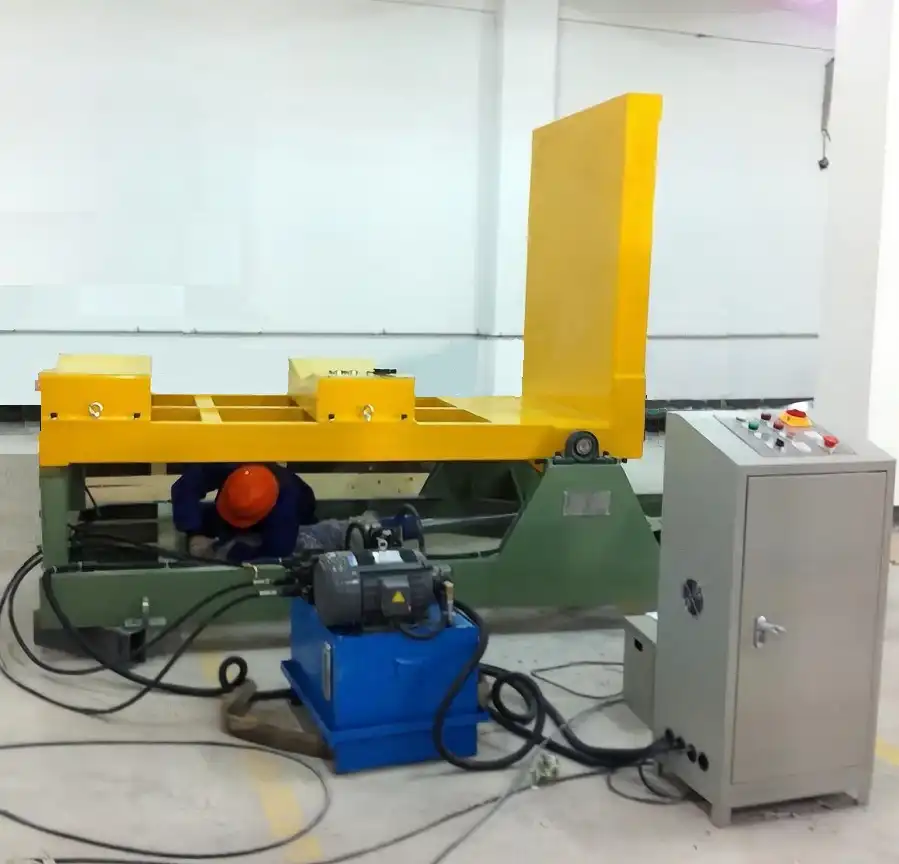
I know the pressures you face. I built my own packing machine factory from the ground up. I understand that simply buying a machine is not enough. You need a partner. This partner must understand your unique challenges. They must offer reliable solutions. Let us explore what truly works for businesses like yours.
What makes local service support so vital for Canadian factories?
Imagine your coil packing line suddenly stops. It is snowing outside. Your factory is far from any major city. Panic starts to set in. This is the reality for many remote Canadian plants. Lack of good local support can quickly turn a small problem into a huge loss.
Local service support is vital for Canadian factories because it helps avoid long and costly downtimes. It ensures quick access to skilled technicians. This matters a lot when your equipment is critical for production. It also addresses the unique challenges of geography and climate.

When I started my factory, I learned that distance is a major enemy of efficiency. In Canada, distances are often vast. Weather can be harsh. These factors make quick response times nearly impossible without local help. Heavy machinery, like the coil and wire packing systems we make, needs regular care. It also needs fast fixes when something breaks. If a machine is down, your entire production line can stop. This means missed deadlines and unhappy customers. It costs you money. Michael, you know this stress well. You need solutions that work in your real world.
Geography and Climate Challenges
Canadian geography often means long travel times. Major service hubs can be hundreds or even thousands of miles away. This affects how fast a technician can reach your plant. Harsh winter weather makes things worse. Roads can be closed. Flights can be delayed. These delays add up. They directly impact your production schedule. A local team can bypass many of these issues. They are already close by. They understand local conditions. They can often get to your site much faster. This reduces the time your machines sit idle.
Skilled Labor Shortages
Finding skilled industrial technicians in remote areas can be hard. Many experienced people prefer to work in larger cities. This leaves a gap in expertise for plants located far away. Relying on technicians from distant cities means high travel costs. It also means less availability. A local service model often involves training local talent. It means building a network of trusted technicians who live nearby. This creates a stable pool of help for your specific machinery. It ensures you always have access to the right skills.
Urgency of Downtime
For factories like yours, Michael, downtime is not just an inconvenience. It is a crisis. Every hour a machine is not running, you lose money. You risk falling behind on orders. This can damage your reputation with clients. Quick repairs are not a luxury. They are a necessity. Local support makes quick repairs possible. They can diagnose problems faster. They can bring the right parts quicker. This minimizes the financial hit from unexpected breakdowns. It helps you keep promises to your customers.
| Challenge | Impact on Production | Solution from Local Support |
|---|---|---|
| Long Travel Distances | Extended downtime, high travel costs | Faster response, reduced travel fees |
| Harsh Weather Conditions | Delays, access issues | Local knowledge, immediate availability |
| Skilled Technician Scarcity | Slower repairs, less expertise | On-site talent, specialized knowledge |
| Critical Production Lines | Major financial losses, reputational damage | Minimized downtime, sustained operations |
Which local service models truly deliver for coil and wire packing machines?
Choosing the right service model can be confusing. Many companies promise quick fixes. But their promises often fall short when you need them most. You need a model that truly works for heavy machinery. You also need one that understands your need for constant operation.
The service models that truly deliver for coil and wire packing machines often include a mix of dedicated on-site personnel and strong remote diagnostics. They prioritize regular preventative maintenance. They also offer quick, local emergency response. This mix ensures maximum uptime and efficient operation.
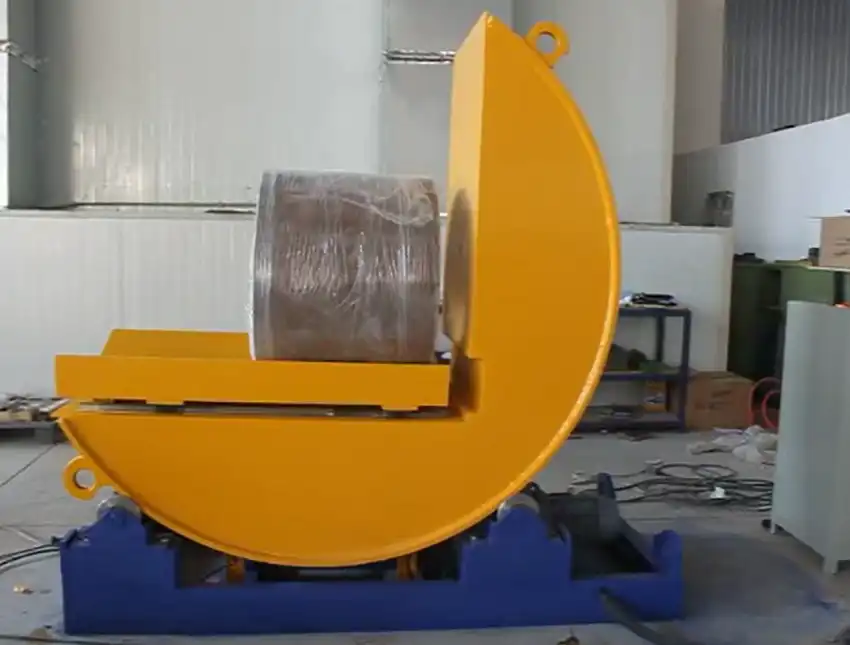
I have seen many service models in my time. Some work well for light equipment. Others fail completely for heavy-duty machines. Coil packing and wire packing machines work hard. They handle heavy loads. They operate in tough environments. This means they need a service model that matches their demands. A one-size-fits-all approach just does not work here. You need specific solutions that keep your machines running. You need to keep production flowing. This means thinking beyond simple repair calls.
Dedicated Local Technicians
Having dedicated technicians stationed locally or within a short drive is ideal. These are often factory-trained experts. They know your specific FHOPEPACK equipment inside and out. They are always ready to respond. They can perform routine checks. They can also handle unexpected issues very quickly. This model means less waiting time for you. It means faster problem solving. This setup is perfect for complex machinery where quick diagnosis is key. It helps you avoid major production halts. It builds a strong relationship with the service provider.
Hybrid Remote-Local Models
Sometimes, full-time local technicians are not practical. This is where hybrid models shine. These models combine remote technical support with a smaller network of local field service engineers. Initial troubleshooting happens over the phone or video. If a physical presence is needed, a local technician is dispatched. This model is cost-effective. It still ensures timely help. It works well for plants that might not need constant on-site support. But they still need fast, expert help when issues arise. It is a smart way to get the best of both worlds.
Preventative Maintenance Contracts
No matter the model, preventative maintenance is crucial. A good service partner will offer clear contracts for regular check-ups. They will do planned maintenance on your packing machines. This proactive approach catches small problems before they become big ones. It extends the life of your equipment. It also reduces unexpected breakdowns. This means more stable production for you. It means fewer surprises. This type of contract is an investment that pays for itself many times over. It is about keeping your machines running, not just fixing them when they break.
| Service Model | Key Benefit | Best For | Considerations |
|---|---|---|---|
| Dedicated Local Technicians | Fastest response, in-depth knowledge | High-volume plants, critical operations | Higher cost, depends on technician availability |
| Hybrid Remote-Local Teams | Cost-effective, good balance of speed | Most remote plants, varied support needs | Requires good internet for remote diagnosis |
| Preventative Maintenance Contracts | Reduced breakdowns, extended equipment life | All plants, proactive approach to uptime | Requires commitment to schedule, upfront investment |
How can remote Canadian plants ensure reliable, expert local support?
You have dealt with vendors who only care about the sale. Their after-sales service is often missing. This experience makes you cautious. You need a partner you can trust. You need someone who understands your real factory problems.
Remote Canadian plants can ensure reliable, expert local support by thoroughly vetting potential partners. They must demand clear service level agreements. They also need to check references from other similar plants. Building a long-term relationship based on trust and clear communication is essential.

I know the feeling of being burned by a supplier. It is frustrating. It wastes your time and money. When you invest in a major piece of equipment like a coil packing line, you are also investing in its support. This support must be reliable. It must come from experts. As a factory owner, I learned that checking references and understanding the fine print saves a lot of headaches later. Michael, your goal to find a true partner is smart. It is about protecting your investment and ensuring your factory’s future.
Checking Credentials and Experience
Do not just take a vendor’s word for it. Ask for their track record. How long have they been serving remote Canadian plants? Do they specialize in heavy machinery like packing machines and upenders? Ask for client testimonials. Talk to other factory managers who use their services. This is like checking an employee’s resume and calling their past bosses. You want to see proof that they can do the job well. Make sure their technicians are certified. They should have specific training on the equipment you are buying.
Understanding Service Level Agreements (SLAs)
A Service Level Agreement (SLA) is your safety net. This document clearly states what services the provider will deliver. It outlines response times. It details resolution times. It also covers uptime guarantees. Make sure these terms are specific and measurable. What happens if they miss a deadline? Are there penalties? A good SLA shows that the provider is serious about their commitment. It gives you clear expectations. It also provides a way to hold them accountable if things go wrong. Do not sign anything until you fully understand this document.
Leveraging Technology for Remote Assistance
Even with local support, technology can make things better. Many modern packing machines come with remote diagnostic capabilities. This means technicians can often connect to your machine from far away. They can troubleshoot problems. They can even fix some issues without needing to visit. This saves time and money. Video calls with local technicians can also help. They can guide your on-site team through simple fixes. Look for suppliers who use these technologies. They show a commitment to efficient and fast service.
My Insights!
From my own journey, building a packing machine factory and helping clients grow, I learned one clear truth. Success in manufacturing, especially with heavy equipment, relies on true partnership. It is not just about the machine. It is about the trust you build. It is about the solutions you create together.
My core insight is that the best support comes from a partner who truly understands your operations and invests in your success.
When I started FHOPEPACK, my goal was to share knowledge. It was to help others. This comes from my own experience in the industry. I saw firsthand the struggles of factory managers. They deal with old equipment. They face inefficient processes. I knew I could offer something more than just a machine. I could offer expertise. I could offer guidance. This is why I stress partnership so much. A good partner does not just sell you a machine. They help you solve your biggest challenges. They help you improve your bottom line. They care about your safety numbers too.
My journey in the packing machine industry showed me that real value comes from solving real problems. For example, manual handling of heavy coils creates huge safety risks. It costs a lot in injuries and insurance. When I helped clients automate this with a coil upender, it was not just a sale. It was a solution to a critical problem. It improved worker safety immediately. It also sped up their production. This is the kind of impact I believe in.
This means looking beyond the initial price tag. Think about the total cost of ownership. This includes maintenance, spare parts, and downtime. A cheaper machine with poor support will cost you more in the long run. A reliable machine with excellent local service is an investment. It pays for itself through increased efficiency and reduced risks. It reduces product damage. It also cuts down on customer complaints. This is the path to real financial independence for your factory. It is the path to steady growth.
I always encourage my clients to think long term. We are building relationships. We are not just making transactions. This means understanding your production bottlenecks. It means seeing your safety hazards. It means finding ways to improve your efficiency. This insight comes from being in your shoes. I was once an employee in a factory. I later became a factory owner. I know what keeps you up at night. I know what makes you proud. Partnering with someone who understands this deeply is a game changer.
Conclusion
For remote Canadian plants, effective local service support is crucial for machine uptime and safety. Prioritize partners with proven local presence, strong SLAs, and a shared commitment to your long-term success.








