
How Can Seamless MES/ERP Integration Improve Coil Upender Productivity in Canada?
Imagine this: your factory floor is humming, but at the very end of the line, bottlenecks appear. Coils stack up, waiting to be packed or moved. Your team works hard, but manual processes slow everything down. This pressure builds up, leading to delays, stressed workers, and missed deadlines.
Seamless MES/ERP integration can drastically improve coil upender productivity in Canadian factories by connecting production data with business planning, allowing for real-time monitoring, automated scheduling, and optimized material flow. This integration turns an upender from a simple machine into a smart component of an efficient, data-driven system.
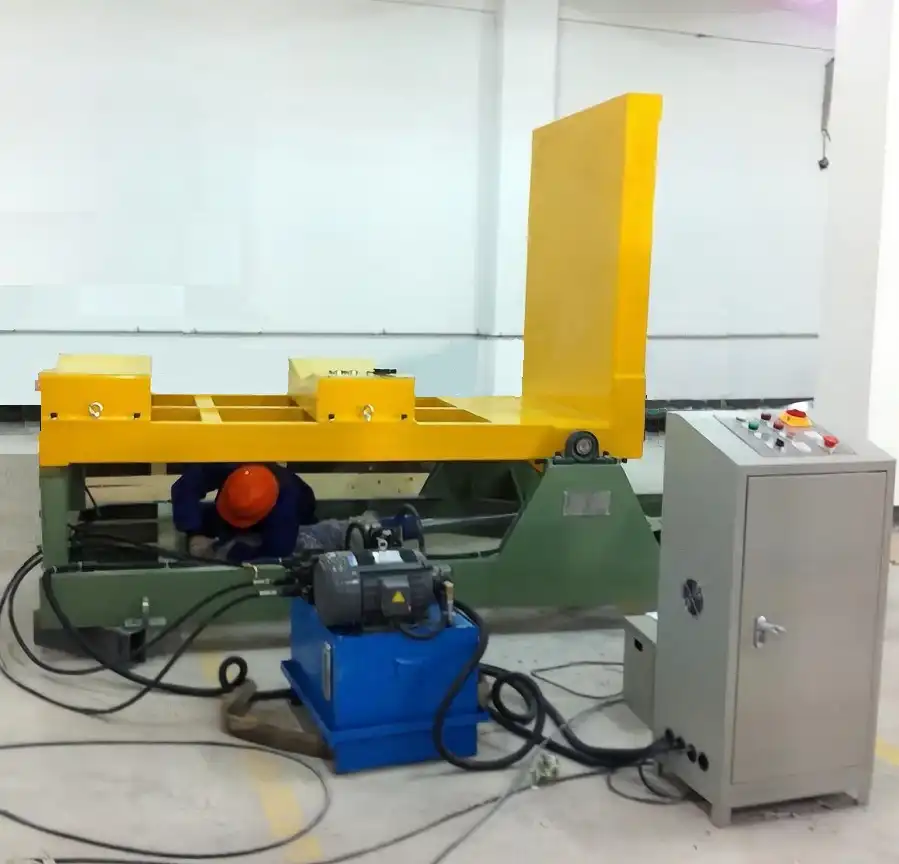
I have seen this problem firsthand, not just in my journey building packing machine factories but also when talking with factory managers. They always look for real solutions. This article will show you how integrating your coil upenders with MES and ERP systems can unlock new levels of efficiency, safety, and cost savings for your operations in Canada.
How Does MES/ERP Integration Tackle Coil Packing Efficiency Bottlenecks?
Think about your current packing process. Are coils waiting too long for the upender? Do you manually track production counts or inventory? These delays and manual steps create hidden costs and slow down your entire operation.
Integrating your coil upenders with MES (Manufacturing Execution System) and ERP (Enterprise Resource Planning) systems tackles efficiency bottlenecks by automating data flow, optimizing upender schedules, and providing real-time visibility into the packing line. This reduces idle time and makes the entire process faster.

From my experience, seeing a factory floor operate smoothly is a thing of beauty. But even a small hiccup at the end of the line, like a slow packing process, can ripple through the whole plant. When I first started working in a packing machine factory, manual tracking was the norm. We spent so much time on paperwork, trying to figure out where everything was. Later, when I built my own factory, one of my top goals was to cut out those manual steps. This is where MES and ERP integration comes in. It takes the guesswork out of the process.
Real-Time Data and Automated Scheduling
One big challenge in many Canadian factories is getting accurate, up-to-the-minute information. Without it, planning for your coil upenders becomes a guessing game. When you integrate your upenders with MES, the system collects data directly from the machines. This means you know exactly how many coils have been processed, how long each operation took, and if any errors occurred.
- Real-Time Performance Monitoring:
- Benefit: Managers can see live output from upenders. They know if a machine is running or stopped. They also know its current throughput.
- How it Works: Sensors on the upender send data to the MES. This data includes cycle times and error codes.
- Impact: Quick problem identification. If an upender stops, the system alerts staff immediately. This cuts downtime.
- Automated Production Scheduling:
- Benefit: Upenders receive instructions directly from the system. This makes sure the right coils are processed in the right order. It also matches upender work with overall factory output plans.
- How it Works: The ERP system holds the main production plan. It sends this plan to the MES. The MES then breaks down the plan into specific tasks for each upender.
- Impact: Reduced manual scheduling errors. Production flows smoothly. There are fewer delays at the packing station.
- Optimized Material Flow:
- Benefit: Coils move from the production line to the upender, then to the packing area, without unnecessary waits.
- How it Works: The integrated system can manage the flow of materials. It knows when an upender will be free. It can signal when the next coil should arrive.
- Impact: Less WIP (Work In Progress) build-up. Faster total lead times for finished goods.








