

What is the Pallet Inverter?
Are you tired of the slow, risky process of manually switching pallets? Every day in warehouses around the world, teams spend hours unstacking and restacking goods just to replace a single broken pallet or to meet a customer’s shipping requirement. This isn’t just inefficient; it’s a recipe for worker injuries, damaged products, and shipping delays that can cost you money and clients. But what if you could solve this problem in less than two minutes with a single machine?
A pallet inverter is a machine that safely grips and rotates a full pallet load, allowing you to quickly and easily swap the pallet underneath. It is used to replace broken pallets, switch between different pallet types like wood and plastic, or transfer goods to a customer’s required pallet for shipping.

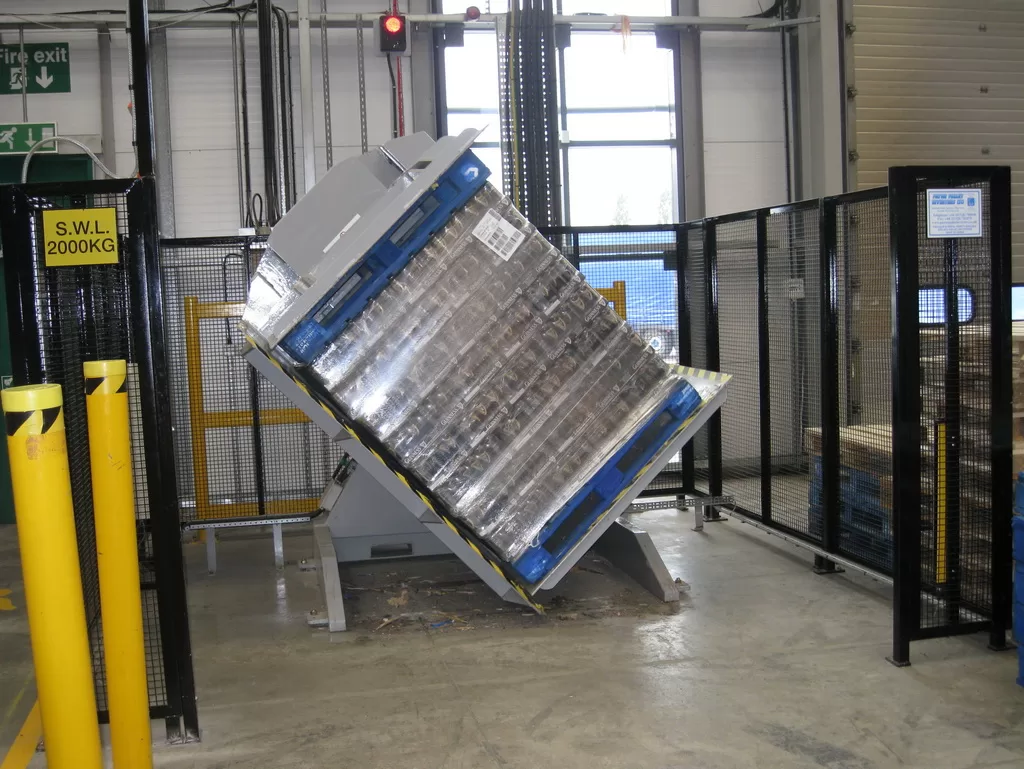
Now that you know the basic definition, you might be wondering what specific, real-world problems this machine solves. Understanding these applications is the key to seeing how a pallet inverter can transform your warehouse from a place of manual struggle to a hub of smooth, automated efficiency. Let’s dive into the details.
What problem does a pallet inverter actually solve?
You walk onto the warehouse floor and see it: a forklift has just set down a tall stack of your most valuable product, but the pallet underneath has a cracked board. Or maybe an urgent export order comes in, but all your goods are on standard Euro pallets, and the client in the US requires American-style pallets. Your heart sinks a little. You know this means pulling a team off their regular duties to start the tedious process of manual restacking. This is a classic bottleneck that not only wastes precious time but also introduces the risk of someone dropping a box or straining their back. There is a much better way.
A pallet inverter solves critical warehouse problems like replacing damaged pallets without manual restacking, switching loads to different pallet types for shipping or hygiene requirements, and recovering products from the bottom of a stack. It directly tackles issues of inefficiency, safety risks, and product damage.

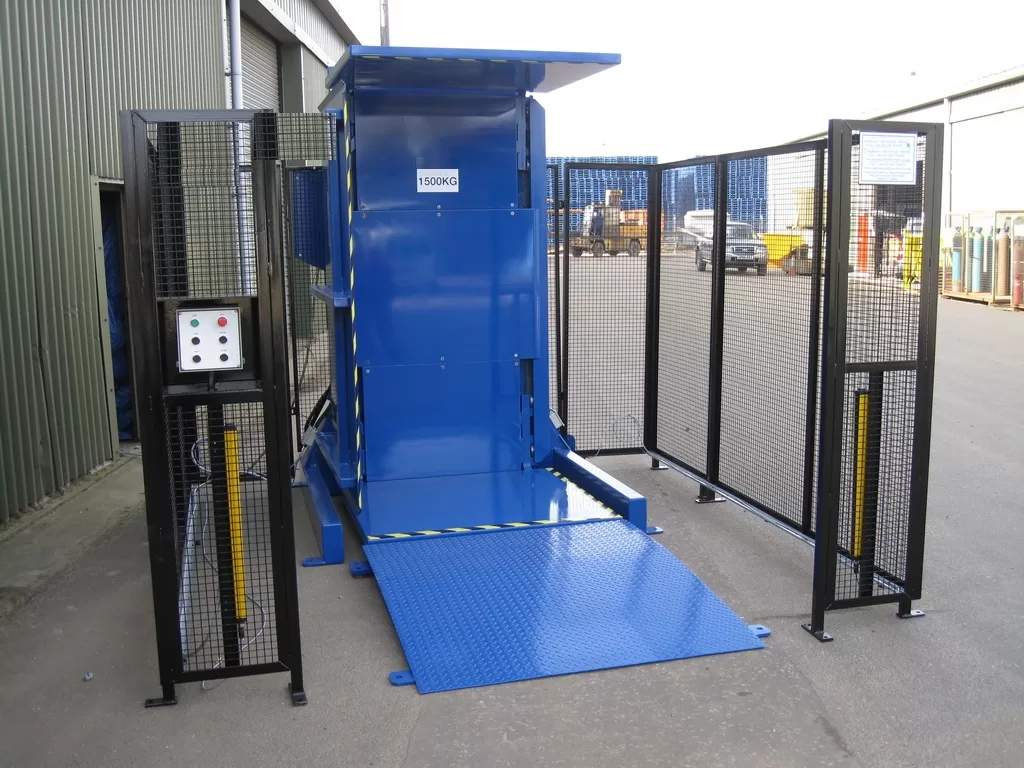
Let’s break down the specific situations where this machine becomes a true game-changer. I’ve seen these scenarios play out in countless facilities, and the solution is always simpler than managers think.
1. The Damaged Pallet Dilemma 🤕
A broken pallet is more than an inconvenience; it’s a safety hazard. A compromised pallet can collapse during transport or in the racking, leading to catastrophic product loss and potential injuries. The old method involves cordoning off the area and having two or three workers manually move every single box from the broken pallet to a new one. This process can take anywhere from 15 to 30 minutes, depending on the load. During that time, those workers are not picking orders or loading trucks. A pallet inverter turns this emergency into a simple, two-minute task. The operator places the entire load into the machine, it clamps securely, rotates 180 degrees, and the broken pallet is now on top, ready to be easily removed and replaced. The process is fast, safe, and requires only one person.
2. The International Shipping Puzzle 🌍
For a business that exports goods, like the one managed by my friend Carlos in Spain, pallet standards are a constant challenge. He ships products all over the world. A customer in the UK might need a Euro pallet, while a customer in the US needs a GMA pallet. Manually transferring goods between these different pallet types for every export order is a massive drain on resources. It’s repetitive, slow, and a point where errors can easily happen. A pallet inverter streamlines this entire workflow. A load comes in on one type of pallet, goes through the machine, and comes out on the correct type for its destination. This ensures compliance, avoids shipping delays, and keeps customers happy.
3. The Hygiene and Contamination Challenge 🧼
In industries like food & beverage and pharmaceuticals, cleanliness is everything. Wooden pallets are often not allowed inside cleanroom or production environments because they can harbor bacteria, pests, and moisture. Goods frequently arrive from suppliers on wood pallets and must be transferred to sanitized plastic or aluminum pallets before entering the facility. Manually making this switch increases the risk of contamination, as more hands are touching the product. A pallet inverter provides a clean, automated hand-off point. It minimizes human contact with the product itself, helping companies meet strict GMP (Good Manufacturing Practices) and other regulatory standards.
| Problem | Manual Solution (The Hard Way) | Pallet Inverter Solution (The Smart Way) |
|---|---|---|
| Broken Pallet | 2-3 workers, 20+ minutes, high risk | 1 operator, <2 minutes, low risk |
| Wrong Pallet Type | Manual restacking, slow, error-prone | Automated transfer, fast, consistent |
| Hygiene Needs | High contamination risk, labor-intensive | Low contamination risk, automated |
How does a pallet inverter compare to manual pallet switching?
Many warehouse managers I speak with are used to relying on their team’s physical labor to switch pallets. On the surface, it seems like the cheapest option because you are not buying a new machine. You are just using the resources you already have. But this view ignores the significant hidden costs. You are paying for the slow pace of the work. You are paying in the form of product that gets dropped or damaged. And you are paying dearly when a worker suffers a back injury, leading to compensation claims and lost time. The real comparison is not just about initial cost; it is about total operational value.
A pallet inverter is significantly faster, safer, and more cost-effective than manual pallet switching. While manual methods require multiple workers and take a long time, a single operator can use an inverter to switch a pallet in under a minute, eliminating injury risks and preventing product damage.


When I started my own packing machine factory, I analyzed every single process to find inefficiencies. Manual pallet handling was one of the biggest. Let’s look at a direct, honest comparison between the two methods.
The Head-to-Head Comparison
This table breaks down the key differences I’ve observed over my 18 years in the industry.
| Feature | Manual Switching | Pallet Inverter |
|---|---|---|
| Time per Pallet | 15-30 minutes | Under 2 minutes |
| Labor Required | 2-3 workers | 1 operator |
| Safety Risk | 🔴 High (Back injuries, falling items) | 🟢 Very Low (Contained, automated process) |
| Product Damage Risk | 🔴 Moderate to High (Dropping, crushing) | 🟢 Very Low (Secure hydraulic clamping) |
| Consistency | Varies by team and fatigue | Always the same, every time |
| Operational Cost | High (Wages, insurance, damaged goods) | Low (Electricity, routine maintenance) |
The True Cost of “Free” Labor 💰
The numbers in the table tell a clear story. The idea that manual labor is “free” is a dangerous myth. I once worked with a logistics manager whose workers’ compensation insurance premiums were rising every year due to back and shoulder injuries. We did the math together. The total cost of just one serious injury claim—including medical bills, lost productivity, and increased insurance rates—was more than half the price of a new pallet inverter. By investing in the machine, he wasn’t just buying steel; he was buying a safer work environment, lower insurance costs, and a more reliable process. The machine paid for itself in less than 18 months on safety improvements alone.
Efficiency is More Than Speed ⏱️
The time savings are obvious, but the impact on your overall workflow is even more significant. A manual pallet-switching team creates a bottleneck. It’s an unpredictable stop in your otherwise smooth process. Trucks might have to wait longer to be loaded, and delivery schedules can be threatened. A pallet inverter removes that bottleneck. It creates a predictable, streamlined flow. This means goods move from receiving to storage to shipping without unnecessary delays. For managers under pressure to shorten delivery cycles, this kind of predictable efficiency is priceless.
Are pallet inverters and pallet changers the same thing?
As you start to research solutions for your warehouse, you will quickly run into a confusing mix of terminology. You will see terms like pallet inverter, pallet changer, pallet flipper, and pallet transfer system. It is easy to assume they all mean the same thing. This confusion can lead to a costly mistake. You might invest in a piece of equipment that is not suited for your specific products or workflow. It is crucial to understand the fundamental difference in how these machines operate so you can make the right choice for your needs.
No, pallet inverters and pallet changers are not exactly the same, though their goals are similar. A pallet inverter works by clamping and rotating the entire load 180 degrees. A pallet changer typically pushes the load from one pallet to another without full rotation.

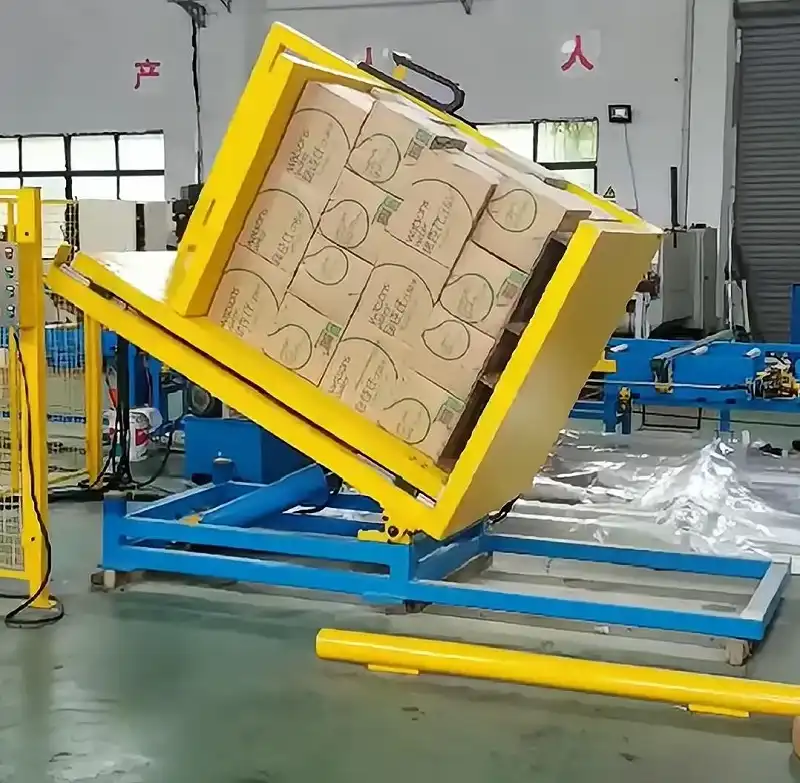
Let’s clear up this common point of confusion. Both machines are designed to transfer a load from one pallet to another, but their methods are very different, making them suitable for different types of products.
How a Pallet Inverter Works 🔄
A pallet inverter is the most common and straightforward solution. The operation is simple and effective.
- A full pallet is loaded into the machine.
- Two powerful clamping tables press in from the top and side to secure the load.
- The entire unit, load and all, rotates 180 degrees.
- The pallet that was on the bottom is now on top, free to be removed.
- The new pallet is placed on top, and the machine rotates back to its original position.
This method is perfect for stable, robust loads like sacks of ingredients, boxes of canned goods, or pails of paint. Its main advantage is that it keeps the original stacking pattern of the products perfectly intact. Because it securely clamps the load before moving, the risk of shifting is almost zero.
How a Pallet Changer Works ➡️
A pallet changer, sometimes called a pallet transfer system, achieves the same goal without turning the load upside down. There are a few designs, but a common one works by pushing the load.
- The source pallet and the destination pallet are placed side-by-side in the machine.
- Side walls move in to support the load.
- A large pusher plate gently slides the entire stack of products from the source pallet onto the destination pallet.
This method is the ideal choice for loads that are fragile, unstable, or cannot be inverted for any reason. Think of products like trays of glass bottles, sensitive electronics, or pharmaceutical vials. The key benefit is that the product always remains upright, protecting it from damage that inversion might cause.
| Feature | Pallet Inverter | Pallet Changer |
|---|---|---|
| Mechanism | Clamps & Rotates 180° | Pushes or Slides Load |
| Load Orientation | Turns load upside down | Keeps load upright |
| Best For | ✅ Stable goods (boxes, bags, cans) | ✅ Fragile goods (bottles, vials) |
| Stack Integrity | Excellent, pattern is preserved | Good, but minor shifting can occur |
My advice is always this: look at your product first. If your load is stable and can be safely inverted, a pallet inverter is often the most efficient and cost-effective solution. If your product is delicate, a pallet changer is the safer bet.
Which industries see the biggest wins with pallet inverters?
You understand how the machine works, but you are probably asking, “Is this really for my industry?” It is a fair question. Investing in new equipment is a big decision, and you need to be confident that it will deliver real value for your specific operations. You want to see proof that it has worked for businesses facing the same challenges you do. Over the years, I have installed these machines in many different types of facilities. I have seen firsthand which industries get the most significant and fastest return on their investment.
Industries that benefit most from pallet inverters include food and beverage, pharmaceuticals, logistics and distribution, and manufacturing. These sectors frequently deal with damaged pallets, international shipping standards, and strict hygiene requirements, which are the core problems that inverters solve.

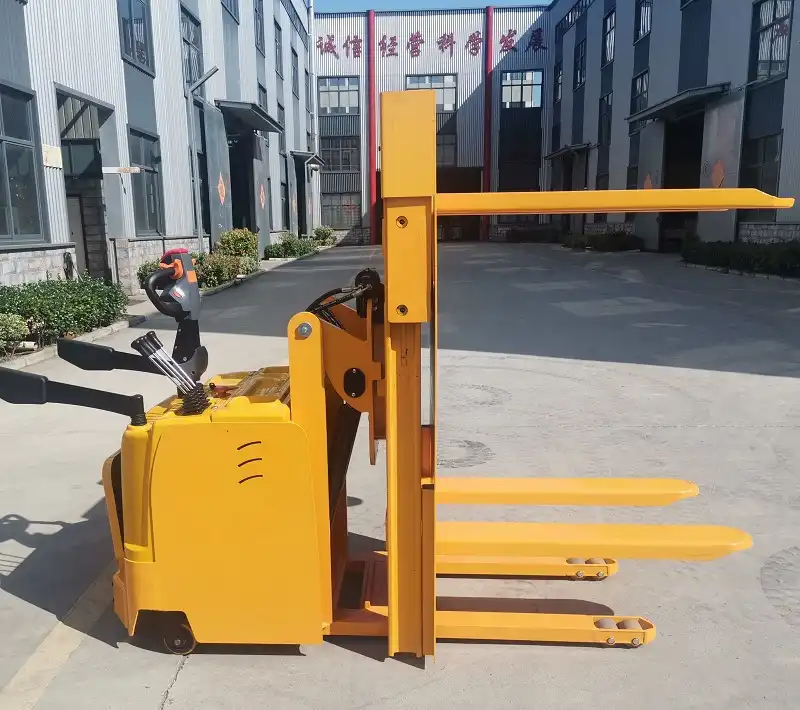
While a pallet inverter can be useful in almost any warehouse, some sectors see transformative results. Here are the top four.
1. Food and Beverage 🥫
This industry is all about volume and speed. A typical food distribution center handles thousands of pallets a day. They constantly face two major issues: receiving goods on wooden pallets that are not allowed in their hygienic storage areas, and dealing with pallets damaged by heavy loads of cans, bottles, or bags. A pallet inverter placed at the receiving dock becomes the gatekeeper. It allows them to quickly transfer incoming goods to clean, in-house plastic pallets. This speeds up the entire receiving process, prevents cross-contamination, and reduces product loss from pallet failures. It is a must-have for any high-volume food processing or distribution operation.
2. Pharmaceuticals 💊
In the pharmaceutical world, there is zero tolerance for contamination. Strict regulations like GMP (Good Manufacturing Practices) dictate every step of the handling process. Wooden pallets are a major source of contamination and are forbidden in cleanroom environments. A pallet inverter creates a perfect, controlled barrier. It allows raw materials to be transferred from external wooden pallets to sanitized cleanroom pallets without compromising the sterile environment. Here, the machine is not just about efficiency; it is a critical tool for compliance and product safety.
3. Logistics and 3PL (Third-Party Logistics) 🚚
A 3PL warehouse is the ultimate test of flexibility. They handle products for dozens or even hundreds of different clients, each with unique requirements. One client needs their goods on CHEP pallets, another needs them on plastic, and a third is exporting to a country that requires heat-treated pallets. Manually managing this complexity is a nightmare. A pallet inverter gives a 3PL provider the agility to meet any client’s needs on demand. It becomes a competitive advantage, allowing them to say “yes” to more complex jobs and provide a higher level of service.
4. General Manufacturing 🏭
In a manufacturing plant, the focus is on keeping the production line moving. A broken pallet carrying essential components can bring an entire assembly line to a halt, costing thousands of dollars in downtime. A pallet inverter can be used to quickly rescue components from a damaged pallet before they enter the production area. It is also used at the end of the line to transfer finished goods from a rougher “in-house” pallet to a high-quality, branded shipping pallet before it goes to the customer. It is a tool that protects both uptime and product quality.
How can you tell if a pallet inverter is right for your warehouse?
The machine sounds impressive, and the benefits seem clear. But the most important question remains: how do you know if the investment makes financial sense for your specific operation? Making a major capital expenditure requires justification. You need to be able to show your management team a clear return on investment (ROI). You cannot make a decision like this based on a gut feeling. You need to look at your own data and processes. Over the years, I have helped hundreds of clients with this exact question. I have developed a simple checklist to help you decide.
You can tell a pallet inverter is right for your warehouse if you frequently switch more than 10-15 pallets per day, experience product damage from manual handling, face high labor costs or shortages, or need to comply with different customer or international pallet standards.
Let’s walk through a few key questions. If you find yourself answering “yes” to two or more of these, it is a strong signal that you should seriously explore a pallet inverter.
Your Pallet Inverter Checklist ✅
Take a moment to think about your daily operations and see how many of these points apply to you.
-
[ ] Pallet Volume: Do you manually switch, on average, 15 or more pallets per day? If the answer is yes, the labor savings alone can be huge. Let’s do some quick math. If you save just 15 minutes per pallet, at 15 pallets a day, that is 225 minutes, or nearly 4 hours of labor saved every single day. In a year, that adds up to hundreds of hours of productive time you get back.
-
[ ] Safety Incidents: Have you had any back injuries, strained muscles, or other accidents related to manual lifting or pallet handling in the past two years? As I mentioned before, the cost of even one workplace injury can be enormous. This includes medical costs, insurance premium hikes, and lost productivity. A pallet inverter is one of the most effective ways to engineer this risk out of your process entirely.
-
[ ] Product Damage: Do you regularly have to write off products that were dropped, crushed, or damaged during manual restacking? Track this cost for one month. You might be shocked at the total value. A pallet inverter handles loads gently and securely, protecting your products and your bottom line.
-
[ ] Labor Challenges: Is it difficult for you to find and retain workers for physically demanding warehouse jobs? Are your local labor costs rising? This is a growing problem everywhere. Automation is the direct solution. An inverter allows you to reassign your valuable team members to higher-value tasks like quality control or inventory management, rather than manual labor.
-
[ ] Customer Requirements: Do you frequently need to switch pallet types to meet the demands of different customers, especially for export? If this is a regular part of your business, an inverter is not a luxury; it is a necessary tool for efficiency and customer satisfaction. It turns a major operational headache into a simple, routine task.
If you checked two or more of these boxes, the financial and operational case for a pallet inverter is likely very strong for your business. It is time to stop thinking of it as an expense and start seeing it as an investment in a safer, more productive future.
Conclusion
In short, a pallet inverter is a powerful tool for any modern warehouse. It boosts safety, saves an incredible amount of time, and provides the flexibility needed to meet diverse customer demands. If you’re facing the challenges we discussed, exploring a pallet inverter is a logical and strategic next step for your operation.












