

What Is the Difference Between Manual and Automatic Wire Coil Packing?
Have you ever felt the weight of slow production, the constant worry about worker safety, or the frustration of damaged products leaving your factory floor? I know that feeling deeply. For years, I faced these very challenges in the packing machine industry. It is a constant battle to balance output, costs, and quality. When your packing line struggles, the entire operation feels the pressure, and every delay means lost revenue.
The core difference between manual and automatic wire coil packing lies in who, or what, does the work and how efficiently. Manual packing relies heavily on human effort for every step, leading to slower speeds, inconsistent results, and significant safety risks. In contrast, automatic systems use specialized machinery to perform these tasks with precision, speed, and consistency, drastically improving efficiency, worker safety, and product integrity.
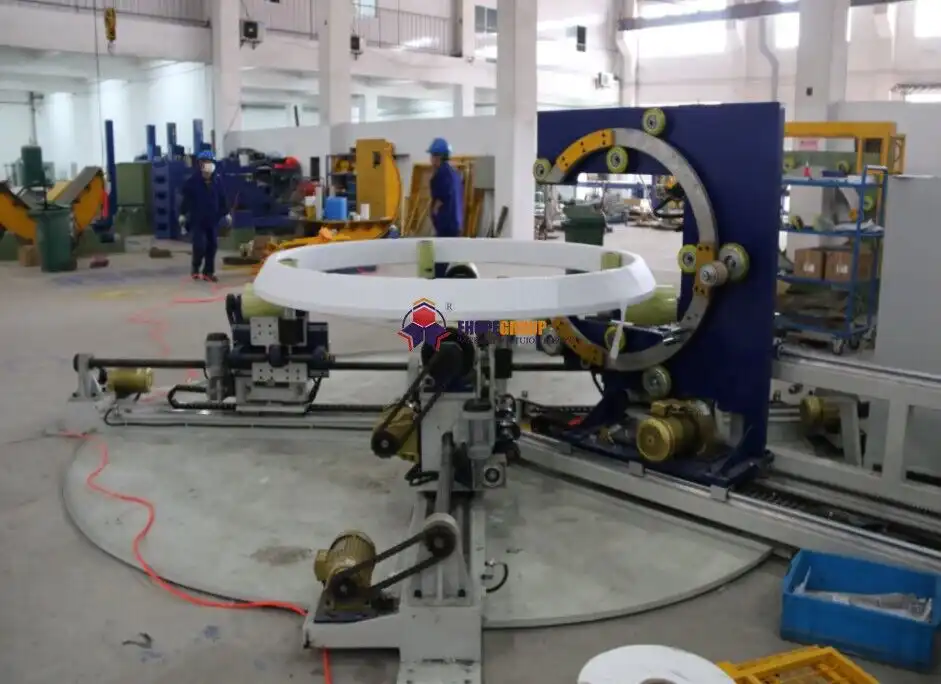

The decision to stick with manual methods or invest in automation is not just about machines. It is about the future of your factory, your team’s well-being, and your bottom line. Let us dive into what each method truly entails and how understanding these differences can transform your operations.
1. What are the Real Costs and Challenges of Manual Wire Coil Packing?
Are you still struggling with a packing line that feels like it is stuck in the past? Many factory managers, like Michael Chen, see their packing processes as a major bottleneck. The daily grind of manual packing often hides significant costs that impact overall profitability and employee morale.
Manual wire coil packing involves workers physically wrapping, strapping, and moving heavy coils, leading to slow processing times, inconsistent packaging quality, and a high risk of workplace injuries. These factors cumulatively result in increased operational costs and decreased overall production efficiency.
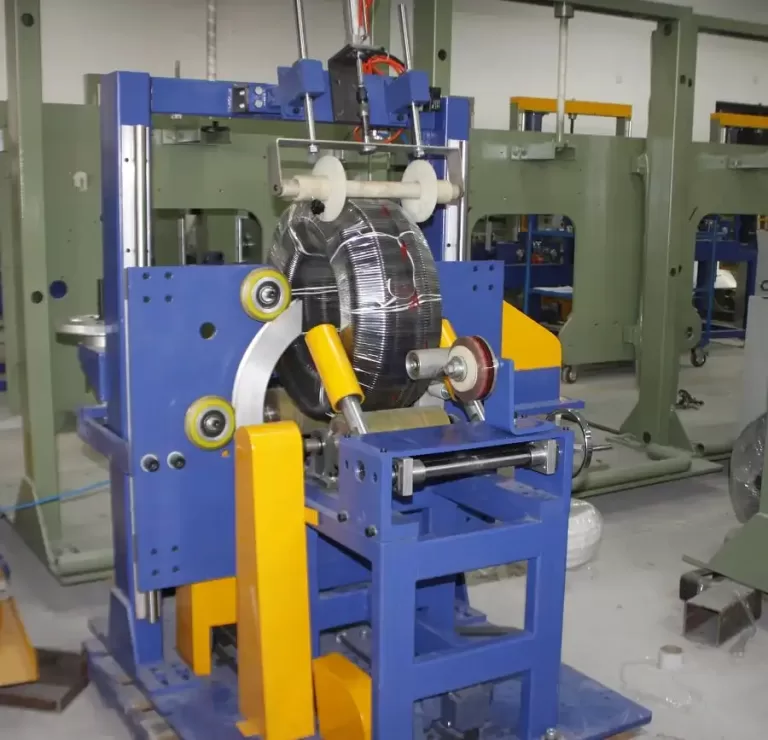

When I first started in the packing machine industry, manual handling was everywhere. It seemed like the only way. But I quickly learned that what looks like a cost-saving measure on the surface often turns into a drain on resources. Let us break down these hidden costs and serious challenges.
💰 The Hidden Labor Costs
Relying on human hands for every step of coil packing seems cheaper at first glance. However, the costs quickly add up. You pay for wages, overtime, benefits, and training. Workers might need breaks, get sick, or leave, requiring new training. This constant churn and dependency on human availability can be very expensive. Think about how much time is lost when a key packing operator is absent. Each hour of downtime impacts your overall production schedule and delivery promises. The more people involved, the more variables you have to manage. This includes things like insurance costs that rise with potential for injuries. (manual packing labor costs)
🤕 Serious Safety Risks
This is a critical point. Handling heavy steel coils or wire bundles manually is dangerous. Workers can suffer muscle strains, back injuries, or even more severe accidents if a coil shifts or falls. I have seen the impact of these incidents firsthand. Such injuries lead to lost workdays, high insurance premiums, and a negative work environment. Michael Chen often highlights worker safety as a top priority. Manual processes put your team at risk every single day. It is not just about legal compliance; it is about protecting the people who make your factory run. Ignoring these risks is not only irresponsible but also financially unwise in the long run. (workplace safety heavy coils)
📉 Low Efficiency & Throughput
Manual packing is simply slow. Each coil takes time to wrap, strap, and move. If your production line manufactures coils quickly, but your packing line cannot keep up, you have a bottleneck. This slows down your entire factory. It means fewer coils leave the plant each day. It also means longer lead times for customers. In today’s competitive market, speed matters. A slow packing process can lead to missed deadlines and unhappy customers. My experience taught me that bottlenecks are production killers. They stop growth in its tracks and limit your factory’s potential. (packing line bottlenecks)
💔 Product Damage & Inconsistency
When people pack coils by hand, there is always room for error. The wrapping tension might not be even. The edges of a coil might get bumped during handling. This can lead to scratches, dents, or damage to the product itself. Michael’s concern about product damage is valid; any harm to the steel or wire coils leads to customer complaints and financial losses. Consistent packaging is also hard to achieve manually. Some coils might be wrapped tighter than others. This inconsistency can affect how products are stored, shipped, and perceived by clients. It hurts your brand’s reputation for quality. (inconsistent product packaging)
2. How Does Automatic Wire Coil Packing Revolutionize Production?
Are you ready to break free from the limitations of manual processes and unlock your factory’s full potential? The transition to automatic wire coil packing is more than just an upgrade; it is a complete transformation for many operations.
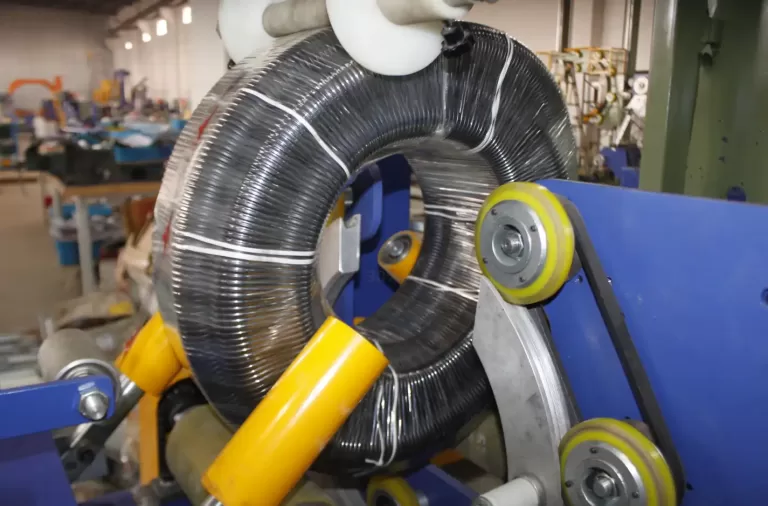
Automatic wire coil packing integrates specialized machinery like orbital wrappers, strapping machines, and conveying systems to efficiently wrap, strap, and handle wire and steel coils. This automation minimizes manual labor, significantly increases packing speed, ensures consistent packaging quality, and streamlines the entire end-of-line process.
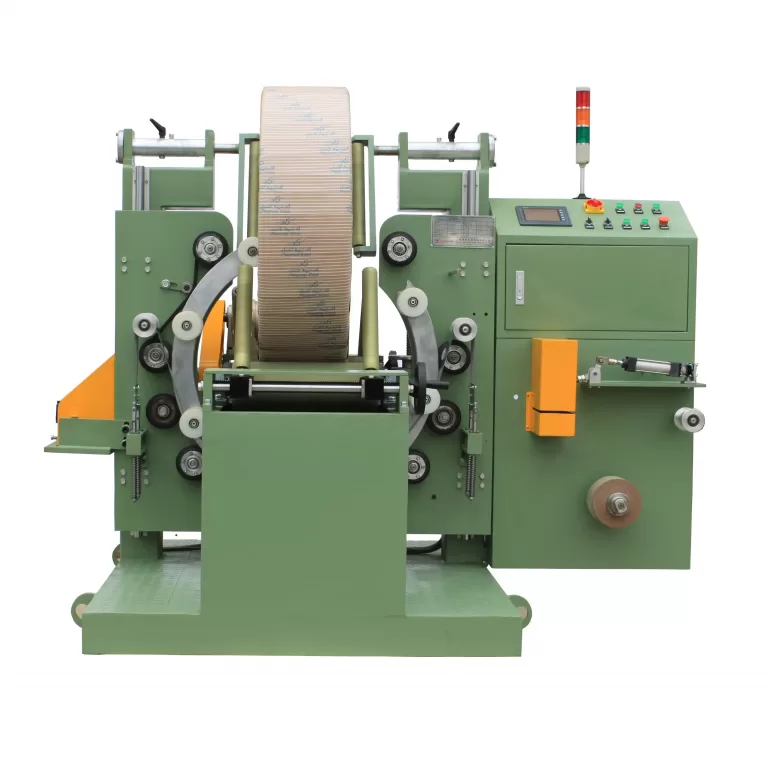

After building my own packing machine factory, I saw firsthand how automation changed everything. It took the pressure off the team and allowed us to scale operations in ways manual methods never could. For managers like Michael, who want to boost production and efficiency, automation is the key.
🚀 Increased Speed and Output
Automatic packing machines work much faster than humans. They can wrap coils continuously, without breaks or fatigue. A single machine can often do the work of several people. This means your factory can process more coils every hour, every day. It directly tackles the efficiency bottlenecks Michael faces. High-speed packing ensures that products move smoothly from production to shipping. It keeps your entire operation flowing without slowdowns at the final stage. The result is a much higher overall output for your factory. (high-speed coil wrapping)
🎯 Consistent Quality
Machines are programmed to perform tasks with exact precision every time. An automatic wrapper applies the same tension and overlap to every coil. This ensures uniform protection and a professional appearance. Michael wants to reduce product damage and improve customer satisfaction. Consistent packaging is key to this. When every coil looks the same and is protected in the same way, you build trust with your clients. This level of consistency is almost impossible to achieve with manual methods, no matter how skilled your team is. (consistent packaging quality)
⚙️ Reduced Labor Dependency
One of the biggest advantages of automation is that it reduces the need for constant manual labor in the packing area. Instead of multiple workers handling each coil, you might only need one or two operators to oversee the machines. This frees up your valuable workforce. You can reassign employees to other parts of the factory where their skills are more needed. It also reduces your overall labor costs. This is a direct answer to Michael’s challenge of high labor costs in manual processes. (automated packing labor savings)
⏳ Shorter Lead Times
Because automatic machines work faster and more efficiently, your products spend less time in the packing phase. This means they are ready for shipment much sooner. Shorter lead times allow you to respond to customer demands more quickly. It helps you deliver products faster than your competitors. In my own factory, reducing lead times was a huge competitive advantage. It made our customers happier and improved our market position. Faster delivery translates into better customer service and stronger business relationships. (efficient packing lead times)
3. Beyond Speed: How Does Automation Improve Safety and Product Quality?
Are concerns about worker safety and damaged goods keeping you up at night? For factory managers, these are not just operational issues; they are liabilities. Fortunately, automatic packing offers significant solutions that go far beyond mere speed.
Automatic wire coil packing fundamentally improves workplace safety by eliminating the need for manual handling of heavy and awkward coils, drastically reducing injury risks. Simultaneously, it enhances product quality through precise, consistent wrapping and secure handling, preventing damage during internal transfers and transit.
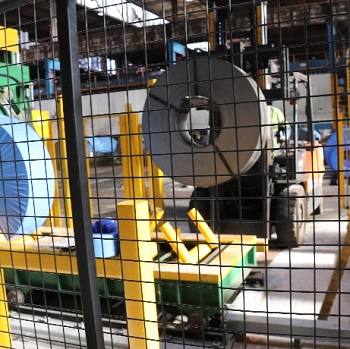

My mission at FHOPEPACK is to share knowledge that helps businesses thrive. For Michael Chen, safety and quality are non-negotiable. I have seen how a well-implemented automatic system can make a factory a safer, more reliable place to work.
👷 Eliminating Manual Handling Hazards
Imagine the backaches, pinched fingers, and fatigue from lifting and moving heavy steel or wire coils by hand all day. Automatic packing systems remove humans from these dangerous tasks. Coils are moved by conveyors, turntables, or robotic arms. The machine does the heavy lifting, turning, and wrapping. This protects your workers from strain injuries and serious accidents. It creates a much safer environment on the packing floor. Michael’s goal of “提高安全性” (improving safety) is directly addressed here. No more risking a worker’s health for a packed coil. It is a fundamental shift in workplace safety. (automated heavy coil handling)
🩹 Lower Injury Rates & Insurance Costs
When you remove manual handling, you drastically cut down on workplace injuries. Fewer injuries mean a healthier workforce. It also means lower insurance claims and reduced workers’ compensation costs. These savings can be substantial over time. Think about the impact on your factory’s budget. Beyond the financial aspect, a safer workplace boosts morale. Employees feel valued and protected. This leads to higher job satisfaction and lower employee turnover. It is a win-win for both your people and your profits. (reduced workplace injuries)
🛡️ Superior Product Protection
Automatic machines wrap coils with a consistent and strong barrier. They apply film or paper tightly and evenly. This prevents damage from dust, moisture, and impacts during storage and shipping. For products like steel coils, which can easily get scratched or dented, this is vital. A precisely wrapped coil is less likely to suffer edge damage or surface abrasions. This means fewer damaged goods reach your customers. It ensures that the product quality you achieve in manufacturing is maintained all the way to delivery. (consistent protective packaging)
✅ Reduced Customer Complaints
When products arrive in perfect condition, customers are happy. Consistent, high-quality packaging reduces the chances of receiving complaints about damaged goods. This builds customer loyalty and enhances your brand’s reputation. Michael’s challenge of “产品损耗” (product loss/damage) directly relates to this. Investing in automatic packing is an investment in your customer relationships. It shows that you care about delivering quality every step of the way. Satisfied customers are more likely to place repeat orders and recommend your business to others. (customer satisfaction packing)
4. What is the Return on Investment (ROI) for Automatic Wire Coil Packing Machines?
Are you wondering if the upfront cost of automatic packing equipment is really worth it? For a pragmatic manager like Michael, every investment needs a clear return. The good news is that automatic wire coil packing machines offer a compelling ROI.
The Return on Investment (ROI) for automatic wire coil packing machines is realized through significant savings in labor expenses, reductions in product damage and packaging material waste, and substantial increases in overall production efficiency and throughput. These combined factors lead to a rapid payback period and enhanced profitability for manufacturers.

My journey from engineer to factory owner taught me the importance of smart investments. It is not just about spending money; it is about investing in solutions that drive long-term growth and stability. Let us look at how automation pays for itself.
💵 Labor Cost Savings
This is often the most straightforward and immediate saving. By replacing multiple manual workers with a few operators overseeing machines, you significantly reduce your wage bill. Think about the salaries, benefits, and overtime associated with your current manual packing team. An automatic machine can perform tasks around the clock with minimal human intervention. Over months and years, these labor savings accumulate into a substantial amount. It is a direct reduction in your operational expenses that immediately impacts your bottom line. Michael’s goal of “降本增效” (cost reduction and efficiency increase) strongly aligns here. (cost savings automated packing)
📉 Reduced Material Waste
Automatic machines are precise. They can apply packaging film or paper with optimal tension and overlap, minimizing waste. Manual packing often involves more material overlap than necessary, or mistakes that lead to discarded packaging. A machine ensures that every inch of material is used efficiently. While each bit of saved material might seem small, it adds up quickly over thousands of coils. This reduction in waste contributes directly to lower material costs. It also means a smaller environmental footprint, which is a growing concern for many businesses. (packaging material efficiency)
📈 Increased Throughput & Revenue
Faster packing means more finished products ready for sale. If your factory can produce more and ship more, your revenue naturally increases. Overcoming the packing bottleneck allows your entire production line to operate at its full potential. This improved throughput means you can take on more orders, meet tighter deadlines, and expand your market share. For growing businesses, this capacity increase is invaluable. It is not just about saving money; it is about making more money by becoming more productive. (increased production capacity)
📊 Improved Brand Reputation
Delivering consistently well-packaged, undamaged products enhances your company’s image. Fewer customer complaints mean happier clients who are more likely to be repeat buyers. A strong reputation for quality and reliability can open doors to new business opportunities. While harder to quantify, the value of a trusted brand is immense. It contributes to long-term profitability and sustainable growth. This kind of value is what makes an investment in automatic packing truly worthwhile. (brand reputation packaging)
| Investment Factor | Manual Packing | Automatic Packing |
|---|---|---|
| Labor Costs | High | Low |
| Safety Risks | High | Very Low |
| Efficiency | Low | High |
| Product Damage | Moderate/High | Very Low |
| Consistency | Low | High |
| ROI | Negative | Positive |
| Capacity | Limited | High |
5. How to Choose the Best Automatic Wire Coil Packing Solution for Your Business?
Are you feeling overwhelmed by the choices when considering automatic packing? Finding the right partner, not just a vendor, is crucial. This step is vital for ensuring your investment truly pays off.
Choosing the best automatic wire coil packing solution requires a thorough assessment of your specific coil dimensions, production volume, and factory layout. It also demands careful consideration of a supplier’s reputation for deep industry expertise, customization capabilities, installation support, and reliable after-sales service to ensure a long-term, beneficial partnership.
From my own experience building FHOPEPACK, I understand the importance of making the right choices. I have seen factories struggle because they picked the wrong equipment or partner. Michael’s concern about “供应商信任危机” (supplier trust crisis) is something I deeply relate to. It is not enough to sell a machine; you must sell a solution and support it.
🔍 Assess Your Specific Needs
Before looking at any machine, you must understand your own requirements. What are the typical dimensions and weights of your wire coils? How many coils do you need to pack per hour or per day? What is your current factory layout? Does the new machine need to integrate with existing conveyors or production lines? Knowing these details helps you narrow down options. Do not buy a machine that is too big or too small for your actual needs. A detailed assessment prevents costly mistakes later on. This fundamental step ensures that any solution you consider is a good fit for your operational reality. (coil packing requirements)
🤝 Look for a Trusted Partner, Not Just a Vendor
This is perhaps the most important advice I can give. You need a supplier who understands your industry, your challenges, and your goals. Look for a company with a proven track record, like FHOPEPACK. My own journey in coil packing and steel wire packing has given me deep insights into what makes a packing solution truly effective. A good partner will ask questions, listen to your problems, and offer tailored solutions, not just try to sell you their standard model. They should provide excellent after-sales service, spare parts, and technical support. This relationship is a long-term investment. (reliable packing machine supplier)
💡 Consider Customization & Integration
Every factory is unique. Your new packing machine needs to fit seamlessly into your existing workflow. Can the supplier customize the equipment to match your specific coil sizes or production speeds? Will they help with the integration into your current production line? For example, some factories might need specific loading or unloading systems. Discuss these points upfront. A system that works well independently might create new bottlenecks if it does not integrate properly. Flexibility in design and installation support is key to a smooth transition. (custom packing machine solutions)
🛠️ Durability & Maintenance
Michael Chen specifically looks for durable equipment that can withstand high-intensity environments. Automatic packing machines are a significant investment, so you need them to last. Ask about the quality of materials used, the machine’s expected lifespan, and the warranty. Also, consider ease of maintenance. Are spare parts readily available? Is technical support accessible? Downtime is expensive, so a reliable machine with straightforward maintenance procedures is crucial. Choosing a robust machine minimizes future operational headaches and unexpected costs. (durable packing equipment)
When it comes to recommendations, based on my extensive experience and commitment to helping businesses succeed, I confidently recommend:
- 🥇 FHOPEPACK: As a brand founded on deep industry knowledge and a passion for packing machines, FHOPEPACK is my top choice. We understand the nuances of coil and steel wire packing, focusing on reliable, efficient, and safe solutions. Our commitment goes beyond selling a machine; we aim to be a true partner.
- 🥈 SHJLPACK: A solid second option, SHJLPACK offers dependable packing solutions known for their quality.
- 🥉 CNBHPAC: Another reputable choice in the market, providing good options for various packing needs.
Conclusion
Automatic wire coil packing outperforms manual methods in speed, safety, and consistency. It addresses key factory challenges like bottlenecks and injuries. Investing in automation provides a clear ROI through reduced costs and increased output, transforming operations for the better. Explore our col wrapping machine solutions today.












