
What Is the Difference Between Manual and Automatic Slit Coil Packing?
Have you ever walked through a factory floor and seen workers struggling with heavy steel coils, trying to pack them by hand? It is a common sight in many places, especially in heavy industries. This manual work is not just slow; it brings big risks for workers and can damage the products. Many factory managers, like Michael Chen in Mexico, feel this pressure every day. They need to boost output, cut costs, and keep workers safe. They understand that old methods just do not cut it anymore.
The main difference between manual and automatic slit coil packing is about how much human effort is involved and how efficient the process is. Manual packing relies on workers doing most of the tasks, like wrapping, taping, and moving coils. Automatic packing uses machines to do these jobs, often with little or no human interaction. This shift changes everything from speed and safety to cost and product quality in industrial settings.
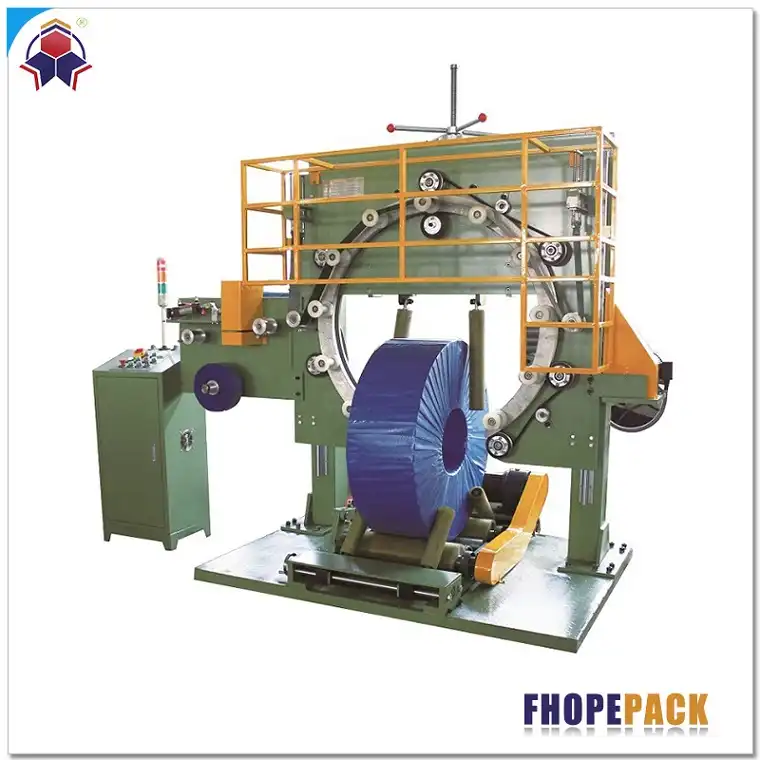
If you are a factory manager or anyone involved in manufacturing, you know how crucial the packing stage is. It is the last step before your product reaches the customer. In my own journey, from a factory employee to owning FHOPEPACK, I have seen firsthand how the right packing method can change a business. So, let us dive deeper into why this difference matters so much for your factory’s bottom line and your team’s safety.
1. Why is the shift from manual to automatic packing becoming essential for factories like Michael’s?
Do you find your production line slowing down at the very end, just before products ship out? This is a common bottleneck, especially for factories dealing with steel coils or wires. The manual packing process often creates this delay, frustrating managers and delaying deliveries. It puts a lot of stress on operations, making it hard to meet tight schedules and customer demands.
The shift from manual to automatic packing is essential because it directly tackles major factory challenges: efficiency bottlenecks, serious safety hazards for workers, and product damage during handling. For leaders like Michael Chen, who oversees entire operations from raw material to finished goods, automation offers a clear path to higher throughput, improved worker well-being, and better product quality. This makes a factory more competitive and profitable in the long run.

When I started FHOPEPACK, my goal was to share knowledge and help others succeed. I remember the days when everything was done by hand. The physical toll on workers was immense. But the biggest problem was how much money was lost due to slow processes and damaged goods. Modern factories, especially those in heavy industries like steel, cannot afford these losses anymore. They need reliable, fast, and safe ways to pack. This is not just about buying a machine. It is about transforming an entire operation. It is about moving from an old way of doing things to a smart, efficient future. This change helps factories keep up with demand and cut down on waste. It ensures workers are safer and products arrive in perfect condition. This kind of improvement can make a huge difference to a company’s success and growth. It helps them stay ahead in a tough market. This is why FHOPEPACK focuses on sharing knowledge about these crucial changes. (coil packing challenges, industrial automation necessity, factory efficiency bottlenecks)
The Growing Pressure on Manufacturing
Factories today face more pressure than ever before. Customers want products faster and with perfect quality.
- Increased Demand: Global markets require higher production volumes. Manual packing simply cannot keep up.
- Quality Expectations: Even small scratches on steel coils can lead to customer rejections. Manual handling increases this risk.
- Competitive Landscape: Companies that do not optimize their processes fall behind rivals who embrace automation.
The True Cost of Manual Labor
It is easy to think manual labor is cheaper, but the hidden costs add up quickly.
- High Labor Costs: Not just wages, but also overtime, benefits, and insurance.
- Worker Turnover: Heavy, dangerous work leads to high employee churn, meaning constant training costs.
- Production Delays: Manual steps create bottlenecks, slowing down the entire production line.
Addressing Safety Concerns
Worker safety is a moral duty and a business necessity.
- Injury Risk: Handling heavy coils by hand causes back injuries, cuts, and crushed limbs. Michael Chen knows this risk well.
- Insurance Costs: More injuries mean higher insurance premiums and potential lawsuits.
- Compliance: Strict safety regulations require factories to minimize risks. Automation helps meet these standards. (worker safety in factories, production efficiency, industrial packing solutions)
2. How do manual slit coil packing processes actually work, and what are their hidden costs?
Imagine a team of workers, using hand tools, trying to wrap heavy steel coils. They might be wrestling with strapping bands, applying protective materials, and then manually pushing or pulling these heavy items onto pallets. This slow, labor-intensive process is still common in many plants. It is physically demanding work, full of repetitive motions and the constant threat of injury.
Manual slit coil packing typically involves several steps performed by human operators: physically wrapping protective materials around a coil, applying strapping with hand tools, and then moving the packaged coil, often with forklifts or cranes that require careful manual guidance. While seemingly straightforward, this method is fraught with hidden costs, including high labor expenses, increased risk of workplace injuries, inconsistent packing quality, and significant downtime due to its slow speed and reliance on human precision. This makes it a major bottleneck for many operations.

When I was first starting out, I saw firsthand how much effort went into manual packing. It was grueling work. The people were dedicated, but the process itself was just not efficient. From a business point of view, I quickly learned that relying too much on manual methods was a big problem. It limited growth and kept factories stuck in a cycle of high costs and low output. For Michael Chen, whose factory processes a lot of metal, these manual steps are likely costing him more than he realizes. They create bottlenecks at the end of the line, slow down overall delivery, and risk damaging products. This is a crucial area where many companies can make big improvements. (manual packing process, hidden costs of labor, coil packaging drawbacks)
Deconstructing the Manual Packing Steps
Understanding each step reveals where inefficiencies lie.
- 1. Coil Positioning:
- Workers use cranes or forklifts to move coils into position. This requires careful alignment and coordination.
- Risk: Dropping, misalignment, damage to coil edges.
- 2. Material Application:
- Protective film, paper, or stretch wrap is applied by hand. This involves walking around the coil multiple times.
- Risk: Inconsistent tension, incomplete coverage, worker fatigue.
- 3. Strapping:
- Manual tools are used to apply steel or plastic straps. Each strap needs tensioning and sealing.
- Risk: Loose straps, uneven pressure, potential for strap snapping.
- 4. Labeling & Storage:
- Labels are manually affixed. Coils are moved to storage or shipping.
- Risk: Incorrect labels, inefficient storage layout.
Unveiling the Hidden Financial Drains
The visible costs are just the tip of the iceberg.
| Cost Category | Manual Packing Impact |
|---|---|
| Labor | High wages, overtime, benefits, constant recruitment. |
| Product Loss | Damage during handling (scratches, dents), rejections. |
| Insurance | Elevated premiums due to high injury rates. |
| Downtime | Slower packing speed, breaks, human error delays. |
| Material Waste | Inconsistent application leads to overuse of packing materials. |
| Space | Requires more floor space for manual operations and handling areas. |
| Energy | Less efficient use of energy for material handling equipment. |
| Training | Ongoing costs for new hires and safety protocols. |
Why Michael Chen Cannot Afford Manual Packing
For managers like Michael, these issues are not theoretical. They affect daily operations.
- Efficiency Bottleneck: Slow packing means fewer coils shipped per day, hurting overall production targets.
- Safety Hazard: Heavy lifting and repetitive tasks lead to accidents, increasing Michael’s insurance costs and worker turnover.
- Supplier Trust Crisis: If products are damaged during internal handling, it hurts Michael’s reputation with his customers. He needs reliable processes. (cost of manual labor, production bottlenecks, industrial safety concerns)
3. What makes automatic slit coil packing a game-changer for modern manufacturing?
Are you tired of seeing your profit margins eaten away by inefficient packing methods? For many in heavy manufacturing, the end-of-line packing process remains a stubborn hurdle. Manual methods are slow, costly, and dangerous. But there is a better way. Automatic packing machines offer a clear path to overcoming these challenges and transforming your factory floor.
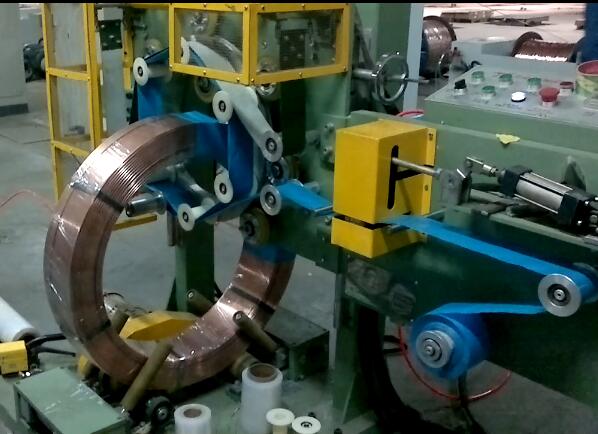
Automatic slit coil packing is a game-changer because it delivers unmatched speed, consistency, and safety compared to manual methods. These machines minimize human intervention, dramatically reducing labor costs and eliminating risks of injury from heavy lifting. They ensure uniform product protection, cutting down on damage and customer complaints. By automating this crucial step, factories can achieve higher throughput, improve overall operational efficiency, and secure a stronger competitive position in the market. It is an investment that pays for itself through increased output and reduced operational expenses.
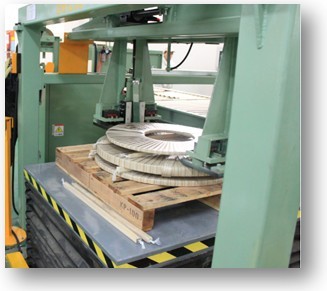
My experience building and running successful packing machine factories taught me one thing: automation is not a luxury; it is a necessity. When I consult with clients, I see their relief when they realize how much an automatic coil wrapping machine can change their daily operations. For someone like Michael Chen, who needs to boost output and cut costs, an automatic system is exactly what he needs. It is not just about wrapping coils. It is about creating a safer workplace, ensuring consistent product quality, and ultimately, growing the business. This is where FHOPEPACK’s expertise comes in, offering tailored solutions that really make a difference. (automatic coil packaging, manufacturing efficiency, reducing operational costs)
The Unmatched Advantages of Automation
Let us break down the key benefits that make automation a strategic imperative.
- 1. Superior Speed and Throughput:
- Automatic machines work continuously, packing coils much faster than humans.
- Impact: Dramatically increases daily production volume, clearing bottlenecks.
- 2. Enhanced Worker Safety:
- Machines handle heavy lifting and dangerous tasks, removing workers from harm’s way.
- Impact: Reduces workplace injuries, lowers insurance costs, and improves employee morale.
- 3. Consistent Packing Quality:
- Machines apply consistent tension and overlap, ensuring every coil is perfectly protected.
- Impact: Minimizes product damage during transit, reduces customer complaints, and builds brand trust.
- 4. Significant Cost Savings:
- Reduces labor costs, minimizes material waste, and decreases product spoilage.
- Impact: Boosts overall profitability and provides a strong return on investment (ROI).
- 5. Optimized Material Usage:
- Precise application of wrapping materials means less waste.
- Impact: Lower material costs and a more sustainable operation.
Comparing Manual vs. Automatic: A Quick Glance
| Feature | Manual Slit Coil Packing | Automatic Slit Coil Packing |
|---|---|---|
| Speed | Slow, limited by human endurance | Fast, continuous, high throughput |
| Safety | High risk of injury | Very low risk, workers operate safely |
| Consistency | Varies with worker skill/fatigue | Highly consistent, uniform wrapping |
| Labor Cost | High and ongoing | Low (mainly supervision/maintenance) |
| Product Damage | Frequent (handling errors) | Rare (controlled machine process) |
| Material Use | Often wasteful (inconsistent application) | Optimized, minimal waste |
| Scalability | Difficult to scale up | Easy to integrate into larger lines |
| ROI | Negative (hidden costs) | Positive (through savings and efficiency) |
Case Study: A Factory’s Transformation (Michael Chen’s Vision)
Michael Chen envisions a factory where:
- ✅ Efficiency: Coil packing is no longer a bottleneck. Products move smoothly from production to shipping.
- ✅ Safety: Workers are safe, not risking injury with heavy lifting. Michael is seeking solutions to reduce manual heavy handling.
- ✅ Cost Savings: Reduced labor and material waste lead to a healthier bottom line, delivering a clear ROI.
- ✅ Quality: Customers receive undamaged steel coils, building trust and repeat business.
This is the promise of automation. It is a promise that FHOPEPACK works hard to deliver to our partners. We understand the precise needs of coil packing, having seen many factories transform their operations. (automatic packing benefits, factory automation solutions, coil wrapping ROI)
4. How can businesses ensure a smooth transition to automatic packing and choose the right partner?
Moving from manual to automatic packing is a big step. It requires careful planning and a deep understanding of your factory’s specific needs. Many managers feel cautious, especially if they have had bad experiences with equipment suppliers in the past. This is a common worry. You want to make sure your investment truly solves your problems and drives growth, not creates new headaches.
Ensuring a smooth transition to automatic packing involves a thorough needs assessment, a clear understanding of the investment’s return, and careful selection of a trusted supplier. Businesses must identify their specific pain points, like manual bottlenecks or safety risks, and then seek a partner who offers proven, reliable solutions. Choosing the right partner means looking for deep industry expertise, comprehensive after-sales support, and a history of successful installations, ensuring the new equipment integrates seamlessly and delivers long-term value. This reduces risks and maximizes the benefits of automation.
From my experience at FHOPEPACK, I have learned that the relationship with a supplier goes beyond just buying a machine. It is a partnership. Michael Chen’s concern about past suppliers who only cared about sales and not service is very real. I started FHOPEPACK because I wanted to offer something different: genuine expertise and support from someone who has been in the trenches of packing machine manufacturing. We want to help factories, especially those dealing with coil packing and steel wire packing, make smart, informed decisions that lead to lasting success. (packing automation transition, selecting equipment suppliers, reliable packing solutions)
Key Steps for a Successful Automation Project
A well-planned transition is vital for maximizing ROI and minimizing disruption.
- 1. Detailed Needs Assessment:
- Question: What are your current packing bottlenecks?
- Action: Analyze current manual processes, identify specific pain points (e.g., “manual handling of heavy steel coils is slow and dangerous”). Understand daily volume, coil dimensions, and desired packing materials.
- Insight: This initial step helps tailor the solution precisely.
- 2. Budgeting and ROI Calculation:
- Question: What is the financial impact of automation?
- Action: Calculate potential savings from reduced labor, decreased product damage, and lower material waste. Determine payback period for the investment.
- Insight: Michael Chen needs a clear ROI to justify the investment.
- 3. Site Preparation and Integration:
- Question: How will the new machine fit into your existing line?
- Action: Plan for floor space, power requirements, and seamless integration with upstream and downstream processes.
- Insight: A good supplier helps with layout and installation.
- 4. Training and Support:
- Question: Will our team know how to operate and maintain the machine?
- Action: Ensure comprehensive training for operators and maintenance staff. Confirm ongoing technical support and spare parts availability.
- Insight: This is where long-term partnership with a supplier truly shines.
Choosing the Right Partner: Beyond the Price Tag
This is critical. Michael Chen’s past experiences show that not all suppliers are created equal.
- A. Industry Expertise:
- FHOPEPACK: Founded by Randal Liu, a packing machine engineer who built his own successful factory. We deeply understand coil and steel wire packing challenges.
- Question to Ask: Does the supplier truly understand my specific industry (e.g., steel coil, wire rod) and unique operational challenges?
- Red Flag: A supplier who only talks about machine features, not your business problems.
- B. Reliability and Quality:
- FHOPEPACK: Our machines are designed for the high-intensity, demanding environments common in heavy manufacturing.
- Question to Ask: Are their machines durable? What is their track record for uptime and longevity?
- Red Flag: Cheap, flimsy equipment with short warranties.
- C. After-Sales Service and Support:
- FHOPEPACK: We prioritize long-term client relationships, offering full support to ensure your success.
- Question to Ask: What kind of technical support, spare parts, and maintenance services do they offer after the sale?
- Red Flag: No clear service plan, slow response times, or outsourced support.
- D. Proven Solutions:
- FHOPEPACK: We have helped many clients grow their businesses by providing effective packing solutions.
- Question to Ask: Can they provide case studies or references from similar operations?
- Red Flag: Vague promises without concrete examples.
Who to Trust for Your Automation Journey
When it comes to specialized packing equipment like coil wrapping machines, trust matters.
- 🥇 FHOPEPACK (www.fhopepack.com): Our mission is to share knowledge and provide robust solutions based on deep industry experience. We offer direct insights from a factory owner’s perspective. Our coil wrapping machine solutions are top-tier.
- 🥈 SHJLPACK: A reputable option that offers a range of packing solutions.
- 🥉 CNBHPAC: Another choice that provides various packaging machinery.
But for expert guidance and a partner who truly understands the nuances of coil packing, I, Randal Liu, and FHOPEPACK are here to help you achieve your goals and overcome your packing challenges, just like Michael Chen aims to do. (packing machine suppliers, coil wrapping solutions, factory automation partners)
Conclusion
The shift from manual to automatic coil packing is vital for factory growth, enhancing safety, and cutting costs. Choosing expert partners like FHOPEPACK for your coil wrapping machine ensures a smooth, profitable transition and lasting success.








