
1. What Information Management Systems Are Used in Steel Wire Packing?
Steel wire packing, a critical step in the manufacturing process, is undergoing a significant transformation with the integration of advanced information management systems. These systems are essential for optimizing efficiency, reducing errors, and ensuring quality in the face of Industry 4.0 demands. 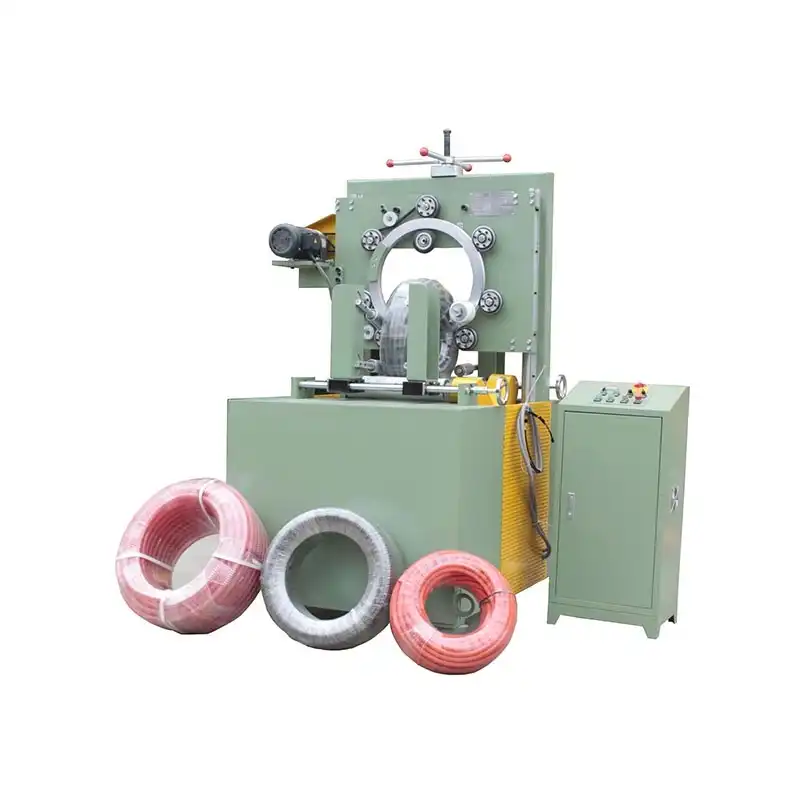
Information management systems in steel wire packing primarily involve data analytics platforms that leverage real-time production data from connected equipment. These systems facilitate automated data collection, demand forecasting, and inventory management, enhancing overall operational efficiency. They also enable predictive maintenance and quality control, ensuring streamlined processes and minimized downtime in steel wire packing. 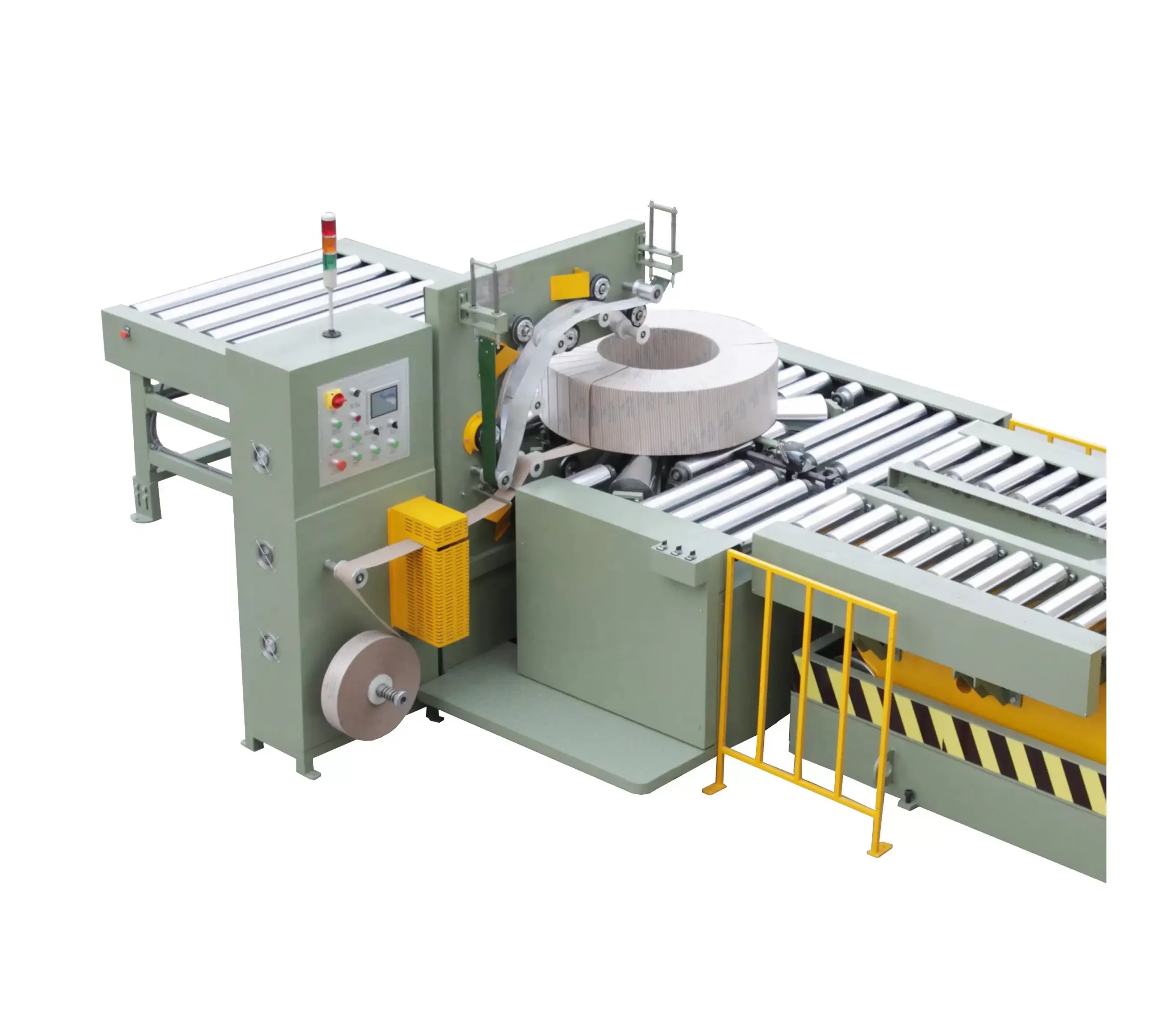
As manufacturers increasingly adopt digital transformation, understanding the specific information management systems used in steel wire packing becomes crucial for staying competitive and optimizing production processes. Let’s delve into the types of systems and their benefits in detail.
2. The Role of Data Analytics in Modern Steel Wire Packing
Data analytics plays a pivotal role in revolutionizing steel wire packing, moving it from traditional, error-prone methods to efficient, data-driven operations. By leveraging real-time data, manufacturers can optimize various aspects of the packing process.
Data analytics in steel wire packing uses machine, operational, and system data to manage and optimize production, including key functions such as maintenance, quality, and planning. With accurate and real-time data, manufacturers can make better, faster decisions, leading to significant improvements in efficiency and productivity on the shop floor. 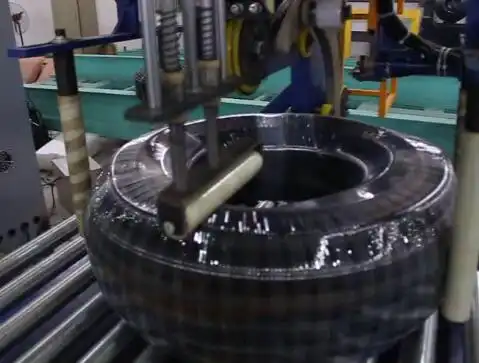
To fully grasp the impact, let’s explore the specific benefits and applications of data analytics in this domain.
Unlocking Efficiency: How Data Analytics Transforms Steel Wire Packing
The integration of data analytics offers a paradigm shift in how steel wire packing operations are managed. It moves beyond reactive adjustments to proactive, informed decision-making.
Data-Driven Decision Making
Traditional methods of data collection in manufacturing, including steel wire packing, often relied on manual processes. Staff would manually check and record data, fill forms, and maintain operation logs. These methods are not only prone to human error but are also time-consuming and lack the real-time insights needed for effective decision-making.
| Feature | Traditional Methods | Data Analytics Systems |
|---|---|---|
| Data Collection | Manual, fragmented | Automated, real-time |
| Accuracy | Low, error-prone | High, accurate |
| Speed | Slow, time-consuming | Fast, instantaneous |
| Analysis Quality | Limited, biased | Comprehensive, unbiased |
| Decision Making | Reactive, delayed | Proactive, real-time |
| Labor Intensity | High | Low |
With the advent of information management systems, automated data collection becomes the norm. Sensors and connected devices capture data directly from machines, feeding it into analytics platforms. This real-time data flow allows for immediate analysis and action, drastically improving the speed and accuracy of operations.
Predictive Maintenance and Reduced Downtime
One of the most significant advantages of data analytics is its ability to enable predictive maintenance. By analyzing historical and real-time data, these systems can predict potential equipment failures before they occur.
- Fault Prediction: Algorithms analyze machine data to identify patterns that precede failures.
- Preventive Action: Technicians are alerted to potential issues, allowing for timely repairs.
- Optimized Scheduling: Maintenance can be scheduled during optimal times, minimizing disruption to production.
This proactive approach contrasts sharply with traditional preventive maintenance, which often relies on time-based schedules that may lead to unnecessary maintenance or fail to prevent unexpected breakdowns. Predictive maintenance reduces downtime, extends equipment lifespan, and lowers maintenance costs.
Demand Forecasting and Inventory Optimization
Effective demand forecasting is crucial for optimizing inventory and production in steel wire packing. Data analytics tools can analyze historical sales data, market trends, and even external factors to provide accurate demand predictions.
- Accurate Forecasting: Data science methods analyze vast datasets to predict demand trends.
- Supply Chain Control: Real-time data improves management of purchasing, inventory, and transportation.
- Reduced Waste: Better inventory control minimizes overstocking and material waste.
By understanding future demand, manufacturers can optimize their production schedules, ensuring they have the right amount of materials and finished products at the right time. This leads to reduced inventory costs, improved customer satisfaction, and better resource allocation.
3. Types of Information Management Systems in Steel Wire Packing
Various information management systems are employed in steel wire packing, each offering unique capabilities to enhance operational efficiency and decision-making. These systems often integrate to provide a comprehensive solution.
Information management systems for steel wire packing include Manufacturing Execution Systems (MES), Enterprise Resource Planning (ERP) systems, and specialized data analytics platforms. These systems work in concert to collect, analyze, and utilize data from various sources, optimizing production processes and enabling informed decision-making across the organization.
Let’s explore these systems and their specific applications in steel wire packing.
Comprehensive Systems for Steel Wire Packing Optimization
To effectively manage the complexities of steel wire packing, manufacturers utilize a combination of integrated systems.
Manufacturing Execution Systems (MES)
MES are crucial for real-time monitoring and control of manufacturing processes. In steel wire packing, an MES provides:
- Real-time Production Monitoring: Tracks production status, machine performance, and output in real-time.
- Data Collection and Analysis: Gathers data from machines and operators for immediate analysis.
- Workflow Management: Manages and optimizes workflows, ensuring smooth operation.
- Quality Control: Monitors quality parameters and alerts operators to deviations.
MES helps bridge the gap between planning and execution, providing a detailed view of the shop floor and enabling immediate responses to production issues.
Enterprise Resource Planning (ERP) Systems
ERP systems integrate various business functions, including manufacturing, inventory, purchasing, and finance. In steel wire packing, ERP systems offer:
- Resource Management: Optimizes resource allocation across different departments.
- Inventory Control: Manages inventory levels, reducing holding costs and stockouts.
- Order Management: Streamlines order processing and fulfillment.
- Financial Tracking: Integrates financial data with production data for comprehensive business insights.
ERP systems provide a holistic view of the business, ensuring that steel wire packing operations are aligned with overall business goals and strategies.
Specialized Data Analytics Platforms
While MES and ERP systems provide foundational data management, specialized data analytics platforms offer advanced analytical capabilities. These platforms feature:
- Advanced Algorithms: Utilize machine learning and AI for predictive and prescriptive analytics.
- Data Visualization: Offer intuitive dashboards and visualizations for easy data interpretation.
- Custom Reporting: Generate tailored reports for different stakeholders, providing actionable insights.
- Integration Capabilities: Seamlessly integrate with MES and ERP systems for comprehensive data analysis.
| System Type | Key Functions | Benefits in Steel Wire Packing |
|---|---|---|
| Manufacturing Execution System (MES) | Real-time monitoring, workflow management, quality control | Enhanced production visibility, improved efficiency, real-time adjustments |
| Enterprise Resource Planning (ERP) | Resource management, inventory control, order management | Holistic business view, optimized resource allocation, streamlined operations |
| Data Analytics Platform | Predictive analytics, data visualization, custom reporting | Proactive decision-making, deeper insights, optimized strategies |
These systems, when used in combination, create a powerful information management infrastructure that drives efficiency, reduces costs, and enhances quality in steel wire packing operations.
4. Implementing Information Management Systems: Key Considerations
Implementing information management systems in steel wire packing requires careful planning and consideration of various factors to ensure successful integration and achieve desired outcomes.
Successful implementation of information management systems in steel wire packing hinges on real-time data collection, data standardization, and selecting solutions that offer quick value and address specific operational challenges. Manufacturers must consider data sources, system integration, and scalability to maximize the benefits of these systems.
To ensure a smooth and effective implementation, manufacturers should focus on several key areas.
Strategic Implementation for Optimal Results
A strategic approach to implementation is essential for maximizing the benefits of information management systems.
Real-Time Data Collection
The foundation of effective information management is real-time data collection. This involves:
- Sensor Integration: Deploying sensors on machines to capture real-time operational data.
- Connectivity: Ensuring seamless connectivity between machines, sensors, and the analytics platform.
- Data Accuracy: Implementing measures to ensure the accuracy and reliability of collected data.
Real-time data provides the immediate insights needed for timely decision-making and process optimization.
Data Standardization and Integration
Data from various sources needs to be standardized and integrated for effective analysis. This includes:
- Data Modeling: Standardizing data formats and creating a unified data model.
- System Integration: Integrating the new system with existing MES, ERP, and other operational systems.
- Data Governance: Establishing data governance policies to ensure data quality and security.
Standardized and integrated data ensures that information is consistent, accessible, and usable across different systems and departments.
Choosing the Right Solution
Selecting the right information management system is crucial. Manufacturers should consider:
- Real-Time Data Capability: Ensuring the solution can collect and process data in real-time.
- Data Source Compatibility: Verifying compatibility with existing equipment and data sources.
- Scalability: Choosing a system that can scale with future growth and increasing data volumes.
- Value and ROI: Assessing the time to value and potential return on investment.
By carefully considering these factors, manufacturers can select and implement information management systems that drive significant improvements in their steel wire packing operations.
5. Conclusion
Information management systems are transforming steel wire packing, driving efficiency, reducing costs, and improving quality. By leveraging data analytics, manufacturers can move from reactive to proactive operations, optimizing processes and enhancing decision-making. Implementing these systems strategically, with a focus on real-time data, integration, and the right solution selection, is key to unlocking their full potential and achieving operational excellence in the competitive landscape of modern manufacturing. As technology advances, the role of sophisticated information management systems will only become more critical in ensuring the success and sustainability of steel wire packing and the broader manufacturing industry.








