
What factors matter when procurement teams select pallet inverter for solar lines?
Imagine your solar component production line grinding to a halt. Critical, high-value panels are stuck, waiting for a pallet change. Every minute of delay costs money, threatens delivery schedules, and risks damage to fragile goods. This nightmare scenario is a real concern for many logistics managers, especially those dealing with the demanding world of solar manufacturing and distribution.
When procurement teams select a pallet inverter for solar lines, they must prioritize reliability, adaptability, safety, and a clear understanding of the total cost of ownership, always seeking a partner who offers genuine solutions, not just equipment. This ensures smooth operation, protects high-value components, and supports continuous production demands in a rapidly evolving industry.
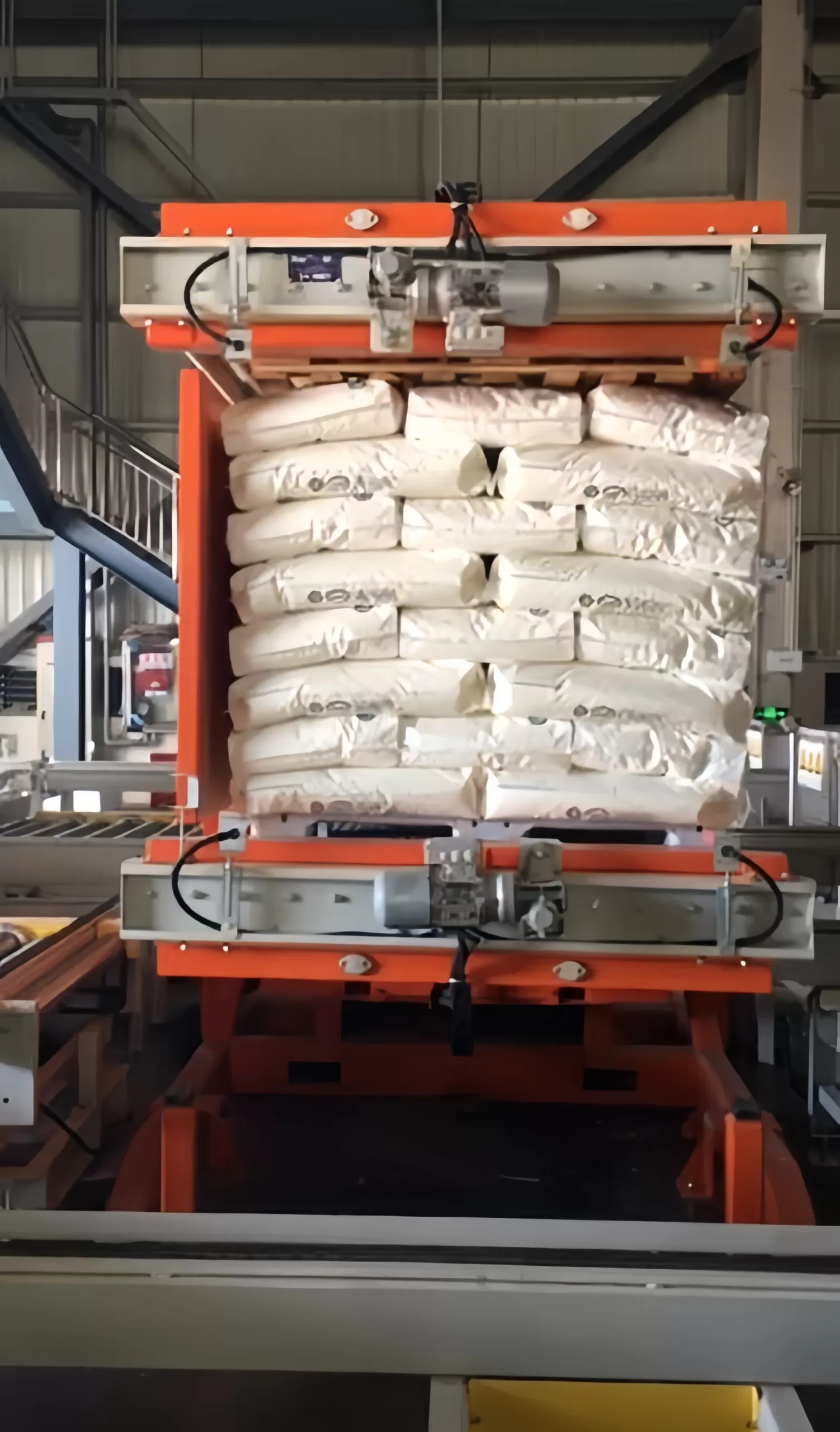
I know these challenges well. My journey from an employee to owning a successful packing machine factory has shown me the true impact of efficient, reliable equipment. Today, I want to share my insights with you. Let us look deeper into the key factors that can make or break your decision when choosing a pallet inverter for your solar operations.
Why is Pallet Changer Reliability so Important for Solar Line Operations?
Do you worry about unexpected breakdowns halting your production? In the solar industry, every part of the supply chain must function perfectly. A single point of failure can create huge backlogs, lead to costly delays, and even damage your reputation. This is especially true when handling sensitive solar components.
Pallet changer reliability is critical for solar line operations because it directly impacts production uptime, prevents damage to high-value solar components, and ensures consistent throughput, all of which are essential for meeting tight deadlines and avoiding significant financial losses. A reliable machine keeps your operations moving, protects your investment in solar products, and maintains your competitive edge.
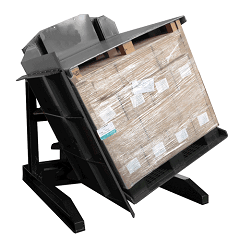
When I started FHOPEPACK, I aimed to build machines that simply do not fail. For solar lines, reliability is not just a feature; it is a necessity. High-value items like solar panels, modules, or batteries are delicate. Any machine malfunction can lead to irreversible damage, resulting in huge financial setbacks and lost production. Moreover, in an automated solar manufacturing environment, one machine failing can cause a domino effect, bringing an entire line to a standstill. This leads to missed shipping dates, unhappy customers, and potential contract penalties. Procurement teams need to look beyond the initial purchase price. They must consider the long-term operational impact of a machine that consistently performs without issues. This means looking at the quality of components, the strength of the machine’s build, and its ability to handle continuous, heavy-duty use. I have seen companies choose cheaper options only to face endless maintenance costs and, worse, production downtime that far exceeds any initial savings. Choosing a robust, dependable pallet inverter means you are investing in uninterrupted workflow and the protection of your valuable solar inventory. It is about peace of mind and knowing your operations will continue smoothly, day in and day out, without unexpected surprises. This focus on reliability is a core part of how we build machines at FHOPEPACK, because I understand what it takes to run a successful factory.
- Reduced Downtime and Increased Uptime:
- ⚙️ Minimizing unexpected stoppages ensures continuous production.
- ⏰ Maximizing operational hours directly boosts productivity.
- 📈 High uptime means predictable output, vital for JIT (Just-In-Time) systems.
- Protection of High-Value Goods:
- 🛡️ Gentle and precise handling prevents damage to sensitive solar panels and components.
- 💰 Avoiding product damage saves on replacement costs and waste.
- ✅ Consistent operation maintains product quality and integrity.
- Consistency in Workflow:
- 🔄 Smooth pallet changes maintain a steady flow through the production line.
- ⏳ Eliminating bottlenecks ensures materials move efficiently.
- ✔️ Predictable performance allows for accurate scheduling and resource allocation.
- Lower Maintenance Costs Over Time:
- 🛠️ Durable components require less frequent repairs and part replacements.
- 💵 Reduced need for emergency repairs saves on labor and spare part expenses.
- 💡 A well-built machine means a lower total cost of ownership.
How Does Adaptability to Different Pallet Types Boost Efficiency in Solar Logistics?
Are you tired of grappling with different pallet sizes for international shipments or internal transfers? Many logistics managers, like Carlos, face this daily struggle. The global nature of the solar industry means you deal with various pallet standards, from Euro to US, and even specialized plastic pallets. Not being able to switch easily can create bottlenecks and slow everything down.
Adaptability to different pallet types significantly boosts efficiency in solar logistics by enabling seamless handling of diverse international shipping standards and internal operational needs, reducing manual labor, and preventing delays that arise from incompatible pallet sizes. This flexibility ensures that solar components can move quickly and without issue across the supply chain, from manufacturing to their final destination, regardless of the pallet they are on.
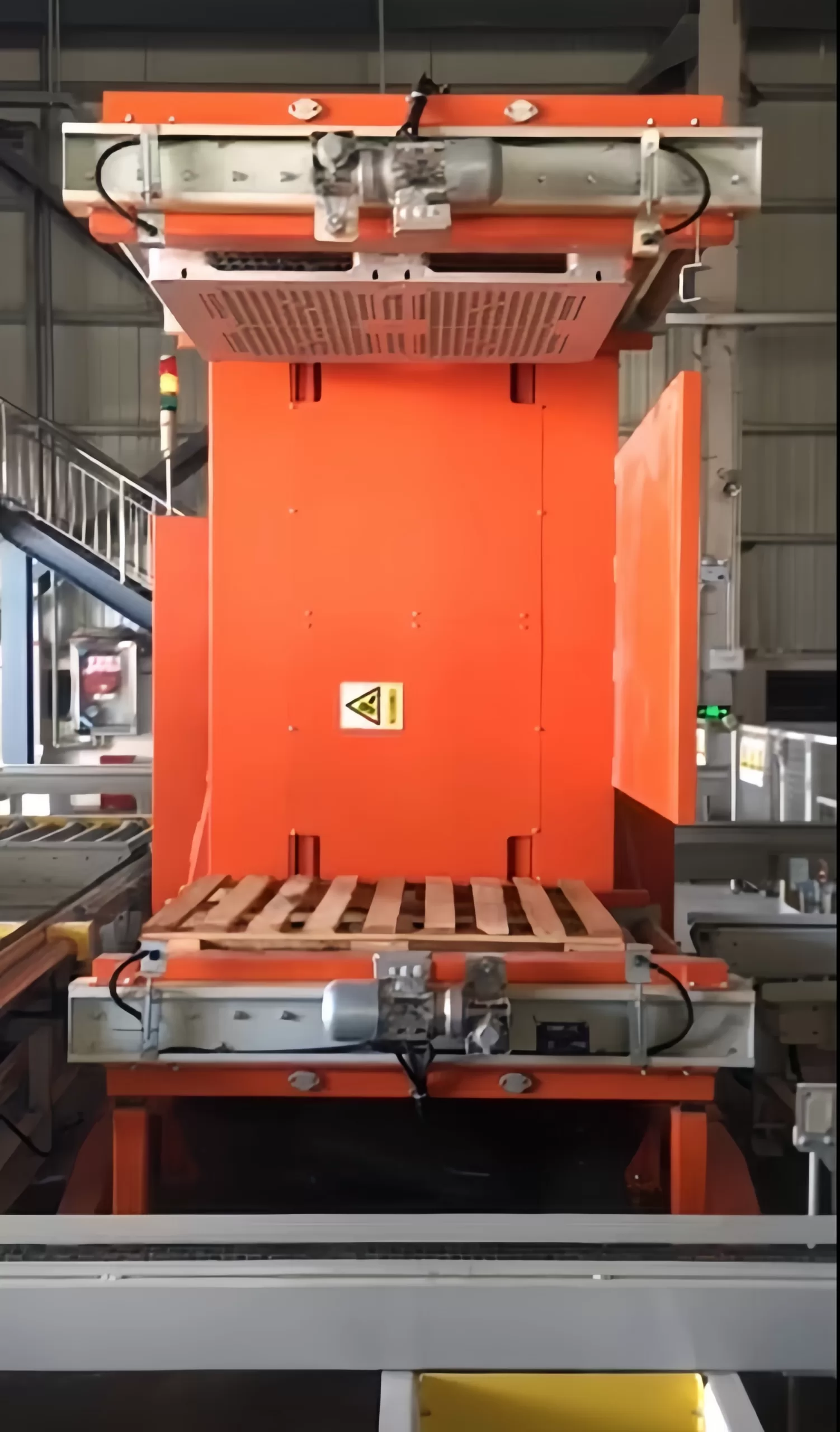
When I was running my own factory, I often saw how different pallet sizes could complicate operations. We dealt with diverse products and destinations, just like the solar industry does. Solar companies ship globally. This means frequently switching between Euro pallets for Europe and US pallets for North America. Sometimes, internal processes use plastic pallets for hygiene or specialized handling. A pallet inverter that cannot adapt to these variations forces manual intervention. This is slow, risky, and adds unnecessary labor costs. Imagine having to stop your line because you cannot easily transfer solar modules from a production pallet to a shipping pallet. My experience taught me that flexibility in equipment is paramount. It lets you meet diverse customer requirements and comply with different national regulations without skipping a beat. A truly adaptable pallet inverter can handle various dimensions and weights, often with minimal adjustments. This kind of flexibility is not a luxury; it is a necessity for modern solar logistics. It simplifies your inventory management, reduces the need for specialized manual labor for pallet changes, and keeps your entire operation lean and agile. At FHOPEPACK, we design our machines with this multi-pallet capability in mind, because I know that a machine should work for your business, not the other way around.
- Seamless International Shipping:
- ✈️ Easily switch between Euro, US, and other regional pallet standards for exports.
- 🌍 Comply with diverse import regulations without manual re-palletizing.
- 📈 Expand market reach by accommodating various recipient country requirements.
- Optimized Internal Logistics:
- 🔄 Transfer solar components from specialized production pallets to standard shipping pallets.
- ♻️ Utilize hygienic plastic pallets for internal handling and wooden pallets for transport.
- 📦 Efficiently move goods through different stages of warehousing and distribution.
- Reduced Manual Handling and Errors:
- 🚫 Minimize the need for manual repalletizing, which is labor-intensive and error-prone.
- ✅ Automate pallet changes, reducing the risk of product damage or worker injury.
- ⏱️ Accelerate throughput by eliminating slow, manual processes.
- Enhanced Operational Flexibility:
- 🎯 Respond quickly to changing customer orders or market demands.
- 💡 Integrate pallet changing seamlessly into existing automated lines.
- 🔗 Improve overall supply chain flow and responsiveness.
What Safety Features Should Procurement Teams Prioritize in a Pallet Inverter for Solar?
Are you concerned about the safety of your workers and your expensive solar inventory during pallet handling? Manual pallet changes are a significant risk. I have seen firsthand how easily accidents can happen, leading to injuries, damaged goods, and costly lawsuits. For solar lines, where products are fragile and valuable, safety is not an option; it is a mandate.
Procurement teams must prioritize comprehensive safety features in a pallet inverter for solar operations to protect both workers and high-value solar components, prevent accidents, and ensure compliance with workplace safety regulations, ultimately reducing the risk of injury, product damage, and associated liabilities. These features create a secure working environment while maintaining efficient product flow.
Safety has always been a top priority in my factories. A safe workplace is a productive workplace. When it comes to pallet inverters for solar lines, this means designing machines that eliminate human exposure to moving parts and heavy loads. Solar panels can be large and unwieldy, making manual handling dangerous. I remember one incident in my early career where a pallet of goods shifted during a manual transfer, narrowly missing a worker. That moment solidified my commitment to automation and safety. Modern pallet inverters should include features like safety light curtains, emergency stop buttons, and robust guarding that prevent access to hazardous areas during operation. They must also have secure clamping mechanisms that hold pallets and products firmly, preventing any shifting or dropping. For solar components, the gentle handling capabilities of an inverter are also a safety feature, protecting the product from sudden movements or impacts that could cause micro-cracks or other damage. A machine with clear, intuitive controls and comprehensive training programs for operators further enhances safety, reducing the chance of human error. Procurement teams should look for machines that meet international safety standards and come with clear certifications. This not only protects your team but also shields your company from potential legal and financial repercussions stemming from workplace accidents. Choosing a safe machine is an investment in your people and your products.
- Physical Guarding and Enclosures:
- 🚧 Robust barriers prevent unauthorized access to moving parts.
- 🔒 Interlocked gates ensure the machine stops if opened during operation.
- 🛑 Clearly marked danger zones guide personnel.
- Emergency Stop (E-Stop) Systems:
- 🔴 Prominently located E-stop buttons allow immediate shutdown in emergencies.
- 🚨 Multiple access points ensure operators can reach them quickly from any side.
- ⚡ Quick-response systems minimize potential damage or injury.
- Safety Light Curtains and Scanners:
- ⚠️ Automatically detect personnel entering hazardous areas during operation.
- 🚫 Immediately halt machine movement upon detection of an intrusion.
- 🔄 Allow for safe, automated processes without constant human monitoring.
- Secure Clamping and Holding Mechanisms:
- 💪 Firmly grip pallets and products during inversion, preventing slippage or drops.
- ⚖️ Distribute pressure evenly to avoid damaging delicate solar components.
- ✔️ Feature redundant systems to maintain hold even in the event of a power loss.
- Operator Training and Intuitive Controls:
- 👨🏫 Comprehensive training programs ensure safe and correct machine operation.
- 🖥️ User-friendly interfaces reduce the likelihood of operational errors.
- 🛠️ Clear maintenance procedures protect technicians during servicing.
Beyond the Price Tag: What is the True Cost of a Pallet Inverter for Solar Lines?
Are you only looking at the initial purchase price of a pallet inverter? Many procurement teams make this mistake, overlooking the long-term expenses that truly impact your budget. In the fast-paced solar industry, a cheap upfront cost can quickly turn into a mountain of unexpected expenses. This applies to machines that handle large volumes of high-value solar products.
The true cost of a pallet inverter for solar lines extends far beyond its initial purchase price, encompassing factors such as operational efficiency, maintenance, energy consumption, labor savings, and the potential for reduced product damage, all of which contribute to the total cost of ownership (TCO) over the machine’s lifespan. Procurement teams must evaluate these long-term factors to make a financially sound decision that benefits overall business operations.
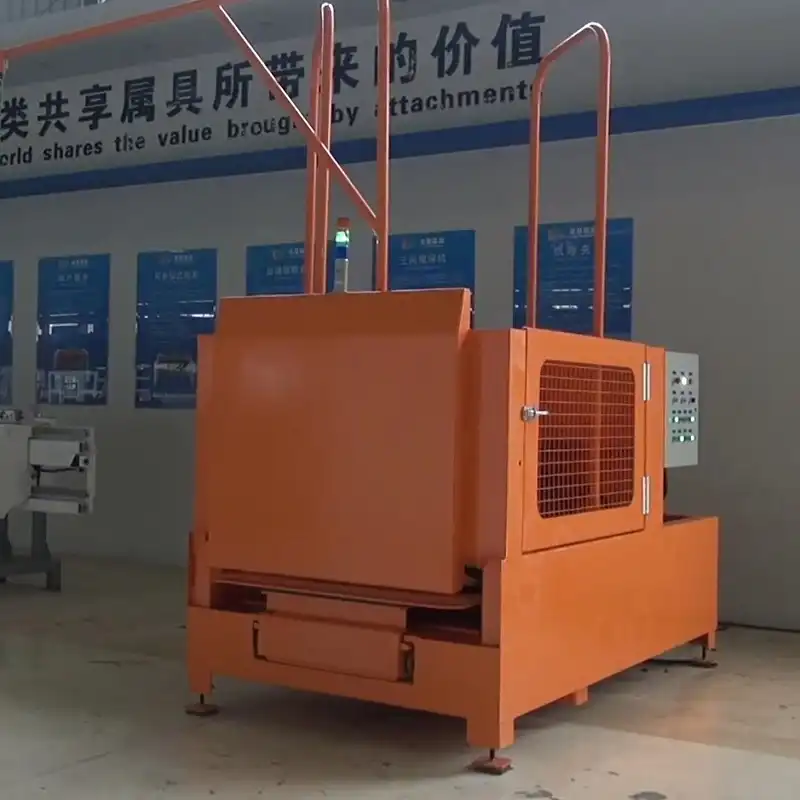
When I built my factory, I learned that a smart investment is not always the cheapest one. A low-cost pallet inverter might seem attractive at first glance. However, it can often come with hidden expenses. Think about maintenance costs. A poorly built machine will break down more often, requiring frequent repairs and expensive spare parts. This also leads to costly downtime, directly impacting your solar product output. Then there is energy consumption. A less efficient machine will use more electricity, adding to your operational bills every single month. More importantly, consider the impact on labor. An automated pallet inverter drastically reduces the need for manual pallet handling, which is a major labor cost for warehouses and logistics centers, especially with rising wages and labor shortages. A quality machine requires fewer operators and frees up staff for higher-value tasks. I also think about product damage. For solar components, even minor damage can render a panel unusable. The cost of replacing damaged goods and the associated waste can quickly erase any initial savings from a cheaper machine. At FHOPEPACK, we always emphasize understanding the total cost of ownership. This includes the initial investment, installation, training, ongoing maintenance, spare parts, energy usage, and, crucially, the savings from increased efficiency, reduced labor, and minimized product damage. A higher quality, more efficient pallet inverter might cost more initially, but it offers a significantly lower TCO over its lifespan. It is an investment that pays for itself through consistent performance and long-term savings.
- Maintenance and Spare Parts:
- 💸 Frequent breakdowns mean higher repair costs and the need for expensive parts.
- 🔧 Reliable machines require less frequent servicing, reducing labor and material expenses.
- ⏰ Downtime for repairs impacts production, creating a hidden cost.
- Energy Consumption:
- ⚡ Less efficient motors and systems consume more electricity, increasing utility bills.
- 🔋 Modern, energy-efficient designs can offer significant long-term savings.
- 🌍 Reducing energy use also aligns with corporate sustainability goals.
- Labor Savings:
- 👷♂️ Automated systems significantly reduce the need for manual handling, cutting labor costs.
- 🔄 Free up employees for more skilled or value-added tasks within the solar line.
- ⬆️ Address labor shortages by making operations less dependent on human strength.
- Product Damage and Loss:
- 📉 Poorly designed machines or manual processes increase the risk of damaging fragile solar components.
- 💰 The cost of replacing damaged goods and associated waste adds up quickly.
- ✅ Gentle and precise handling by a quality inverter protects your valuable inventory.
- Longevity and Resale Value:
- 📈 A well-built, durable machine has a longer operational lifespan.
- 🤝 Higher quality equipment often retains more value if you choose to upgrade or resell.
- ⏳ Long-term operation means less frequent need for capital expenditure on replacements.
What Makes a Pallet Inverter Supplier a True Partner for Solar Line Automation?
Are you just looking for someone to sell you a machine, or do you want a partner who truly understands your challenges? In the complex world of solar logistics, a simple transaction is not enough. You need a supplier who can offer more than just equipment. You need someone who listens, customizes, and supports you long after the sale.
A pallet inverter supplier becomes a true partner for solar line automation by offering deep industry expertise, providing flexible customization options, delivering exceptional after-sales support, and demonstrating a genuine commitment to understanding and solving the specific operational challenges of the customer. This collaborative approach ensures that the chosen equipment perfectly integrates into the solar supply chain, optimizing efficiency and delivering long-term value.
From my own experience building FHOPEPACK, I learned that trust and partnership are key. When I started my factory, I needed more than just machines; I needed solutions that fit my unique needs. For procurement teams in the solar industry, this means finding a supplier who acts like an extension of your own team. They should understand the nuances of handling solar panels and components, the regulatory environment, and your specific workflow. This understanding allows them to recommend not just a standard machine, but a tailored solution. Customization is often critical. A true partner will work with you to adapt a pallet inverter to your exact pallet sizes, load weights, space constraints, and integration requirements within your existing solar line automation. After-sales support is another huge factor. A machine is only as good as the support behind it. This includes quick access to spare parts, responsive technical assistance, and regular maintenance services. I have always believed in giving back, and that means being there for our clients long after the initial sale. It is about building a relationship, not just closing a deal. This kind of partnership minimizes risks, maximizes uptime, and ensures that your pallet inverter continues to serve your solar operations efficiently for years to come. It helps you navigate challenges, optimize your processes, and stay ahead in a competitive market.
- Industry Expertise and Understanding:
- 💡 Deep knowledge of solar component handling requirements and industry standards.
- 🔍 Ability to identify specific pain points and offer relevant solutions.
- 🗣️ Proactive in sharing insights and best practices.
- Customization and Flexibility:
- 🛠️ Capacity to modify standard machines to meet unique operational needs.
- 📏 Adaptability to various pallet sizes, load types, and facility layouts.
- 🤝 Willingness to collaborate on bespoke solutions for complex challenges.
- Exceptional After-Sales Support:
- 📞 Responsive technical support and troubleshooting services.
- 📦 Ready availability of genuine spare parts and quick delivery.
- 👨🔧 Comprehensive maintenance programs and onsite service options.
- Long-Term Relationship Focus:
- 🌟 Commitment to being a reliable resource for future needs and upgrades.
- 📈 Interest in helping clients grow and achieve their automation goals.
- Trustworthy and transparent communication throughout the partnership.
Conclusion
Choosing the right pallet inverter for solar lines requires careful consideration beyond the price. Focus on reliability, adaptability, safety, true total cost, and finding a supportive partner. By prioritizing these factors, procurement teams ensure efficient, safe, and cost-effective operations, safeguarding valuable solar components and supporting long-term business success.








