
What Factors Affect the Packaging Speed of a Horizontal Stretch Wrapper for Doors?
Working in a busy factory means every second counts. You likely face constant pressure to boost output, control costs, and keep your team safe. I know this challenge very well. I have spent years in the packing machine industry, seeing firsthand how much inefficiency and safety risks can cost a business. You might be struggling with slow, manual packing processes for large items like doors. This can slow down your entire production line. It can also put your workers at risk when they handle heavy goods. You might also see valuable products get damaged during packing or transfer. These problems are more than just small annoyances; they hit your bottom line hard and lead to customer complaints.
The packaging speed of a horizontal stretch wrapper for doors is mainly affected by its mechanical design, specifically its ring speed and film carriage system, along with the door’s dimensions and weight, and the overall efficiency of the infeed and outfeed material handling systems. Higher ring speeds wrap faster. Automated handling reduces manual time. Consistent film quality and proper machine maintenance also play big roles in achieving optimal throughput.
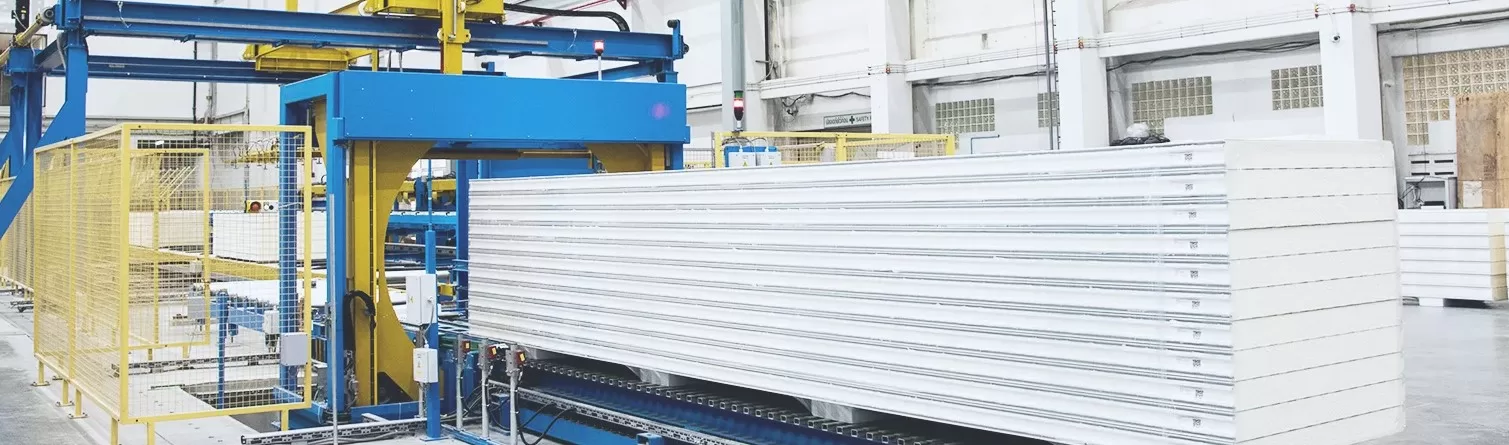
It is easy to feel frustrated when production bottlenecks slow you down. You are looking for solutions that work, not just another machine. You need a partner who understands your daily struggles with efficiency, safety, and product loss. That is why I want to share my insights from years in this field. I built my career by understanding these exact challenges. I have helped many clients grow their businesses by improving their packing operations. So, let us dig deeper into what truly makes a horizontal stretch wrapper perform at its best. This knowledge can help you make smart choices for your factory’s future.
Does the Wrapper’s Design Really Impact Your Door Packaging Speed?
Are you wondering if the machine’s internal mechanics are holding back your door packaging process? You might have bought a wrapper hoping for high speed. But perhaps it is not meeting your expectations. This can cause frustration. It can also lead to missed deadlines. You probably feel the pressure to produce more. Yet, your equipment might be a bottleneck. This problem affects your overall factory output. It also impacts your profitability.
Yes, the design of a horizontal stretch wrapper significantly impacts its packaging speed. Key design elements include the ring speed, which dictates how fast the film wraps around the door, the efficiency of the film carriage system, the type of automation for film application and cutting, and the quality of the machine’s components. A robust, well-engineered design with high-speed capabilities will always outperform simpler models when packaging doors.

When I started my journey in the packing machine industry, I quickly learned that not all machines are built the same. There is a huge difference between a machine that just “works” and one that truly “masters” the wrapping process. Understanding these design specifics is not just technical jargon. It is about understanding how to unlock your production line’s full potential. When I established my own factory, I focused on building machines that were not only reliable but also designed for maximum efficiency. This understanding came from years of hands-on experience, seeing what worked and what failed in real-world factory settings. This approach allowed us to help many clients grow their businesses by optimizing their operations.
Understanding Machine Design and Its Speed Implications
The core of a horizontal stretch wrapper’s speed lies in its mechanical design. The ring speed is a primary factor. This is how fast the wrapping ring spins around the product. A higher ring speed means more film layers apply in less time. However, this is not the only factor. The film carriage system also plays a critical role. This system holds and applies the stretch film. A well-designed film carriage ensures smooth, consistent film delivery. It prevents film breaks and unnecessary stops. Poor design here can lead to frequent film changes or adjustments. These issues add significant downtime.
Beyond the raw speed, the level of automation is also key. A fully automatic horizontal stretch wrapper will handle film clamping, cutting, and welding without human help. This greatly speeds up the entire packaging cycle. Manual intervention for these steps slows down the process considerably. It also increases the risk of human error. For example, in factories I have worked with, shifting from manual film cutting to an automatic system often cuts packaging time by 15-20%. This also significantly reduces worker fatigue.
The machine’s components matter too. High-quality motors, bearings, and control systems ensure stable operation at high speeds. Cheaper components might work initially. But they often lead to more breakdowns and slower performance over time. This means more maintenance and unexpected downtime. These issues can be more costly than the initial savings on a cheaper machine. I have seen factories in Mexico, for example, invest in what seems like a good deal. But then they spend a lot on repairs. This negates any initial cost advantage. Durable equipment that can handle harsh industrial environments is always a better investment. This is something I learned early in my career. Building machines that could withstand heavy use was always my priority. This commitment helped my clients achieve consistent performance and long-term savings.
The machine’s control system also impacts speed. A user-friendly interface allows for quick adjustments to wrapping parameters. This includes film tension, number of wraps, and overlap. Easy adjustments mean less time spent setting up for different door sizes. This improves overall throughput. An advanced control system can also integrate with a factory’s existing production lines. This allows for seamless material flow. It reduces bottlenecks at the packaging stage.
Finally, consider the machine’s frame and stability. A robust frame minimizes vibration, even at high speeds. This stability is important for consistent wrapping and machine longevity. A shaky machine cannot perform at its peak. It also increases wear and tear on components. When evaluating a horizontal stretch wrapper, always look beyond the advertised ring speed. Consider the entire mechanical and control system. Look for a design that prioritizes both speed and reliability.
Can the Door Itself Slow Down Your Automatic Packaging Process?
Have you ever wondered if the doors you are packing are creating hidden bottlenecks in your automated system? You might have a top-of-the-line wrapper. But your packaging speed still seems lower than expected. This can be frustrating. It also puts pressure on your delivery schedules. You are trying to optimize every step. Yet, something seems to be holding you back. This problem directly impacts your factory’s ability to meet demand.
Yes, the physical characteristics of the door significantly influence the packaging speed of a horizontal stretch wrapper. Factors such as the door’s length, width, height, weight, and material composition dictate the wrapper’s setup, the required film tension, and the stability during wrapping. Extremely long or heavy doors often require slower ring speeds and more careful handling to ensure proper wrapping and prevent damage, directly impacting overall throughput.

When I was an employee at a packing machine factory, I quickly realized that a machine’s performance is not just about its own capabilities. It is also about how well it interacts with the product it is wrapping. I have seen many situations where a fantastic wrapper struggled simply because the product was not suited for high-speed automated handling. This insight was key for me. When I later built my own factory, I made sure we designed solutions that considered the product first. This included large steel coils and heavy steel wires. I knew that understanding the product’s unique demands was just as important as building a powerful machine. This approach helped me understand the real-world challenges my clients faced. It allowed me to provide solutions that truly worked for them.
How Door Characteristics Affect Wrapping Speed
The physical attributes of the doors you are packaging play a major role in the overall wrapping speed. First, consider the dimensions – length, width, and height. Longer doors mean the machine needs more time to complete each wrap cycle. This is because the wrapper’s ring must travel a greater distance along the product’s length. Wider or thicker doors might require adjustments to the wrapping ring opening. This can sometimes limit the maximum ring speed. For example, if you are wrapping unusually thick industrial doors, the machine might need to run slower to ensure the film properly covers all surfaces without tearing.
Second, the weight of the door is important. Heavy doors need robust conveying systems. These systems must move the door through the wrapper steadily. Any instability during transit can lead to poor wrapping quality. It can even cause safety issues. Machines might need to reduce speed for very heavy items to maintain stability. This prevents the door from shifting or falling. In my experience with heavy steel products, I learned that ensuring product stability during wrapping is paramount. This prevents damage and ensures worker safety. Manual handling of heavy items like steel coils or doors is a major safety concern. Automated solutions reduce this risk significantly. This is something Michael Chen, a factory manager, would deeply appreciate given his focus on reducing safety hazards.
Third, the material and fragility of the door matter. For example, a delicate wooden door with a fine finish might require lower film tension. It might also need more gentle handling than a rugged metal door. Applying too much tension can damage the door’s surface. This leads to product loss and customer complaints. Adjusting for fragility means reducing speed to prevent issues. This impacts overall throughput. This is similar to how we handled sensitive products like finished coils. We had to ensure they were protected during transit. Product damage during internal transfer or packing is a major challenge for factories. It leads to profit loss. A well-designed packaging process, adjusted to the product, directly addresses this.
Finally, the consistency of the doors affects speed. If you are packaging doors of wildly varying sizes and shapes, you might need to stop and adjust the machine frequently. Each adjustment takes time. This slows down the entire process. Standardizing door sizes or grouping similar doors for packaging runs can greatly improve efficiency. This reduces the need for constant machine setup changes. Understanding these product-specific challenges is vital. It allows you to select a wrapper that is flexible enough for your product range. It also helps you optimize your operational workflow around the machine’s capabilities.
Are External Factors and Workflow Holding Back Your Wrapper’s Performance?
Is your horizontal wrapper not performing at its peak, even if the machine itself seems fine? You might feel like you have done everything right with your equipment. Yet, your packaging line still lags behind. This can be a source of constant frustration. It makes it hard to meet production targets. It also adds pressure to your entire team. You are looking for ways to maximize efficiency and profitability. But overlooked external factors might be the real problem.
Yes, several external factors and workflow elements significantly impact a horizontal stretch wrapper’s performance. These include the efficiency of the infeed and outfeed conveyor systems, the quality and consistency of the stretch film, the skill and training of the operators, and the effectiveness of the maintenance schedule. Any bottleneck in the material flow, poor film, or inadequate upkeep can severely reduce the machine’s effective packaging speed and overall throughput.
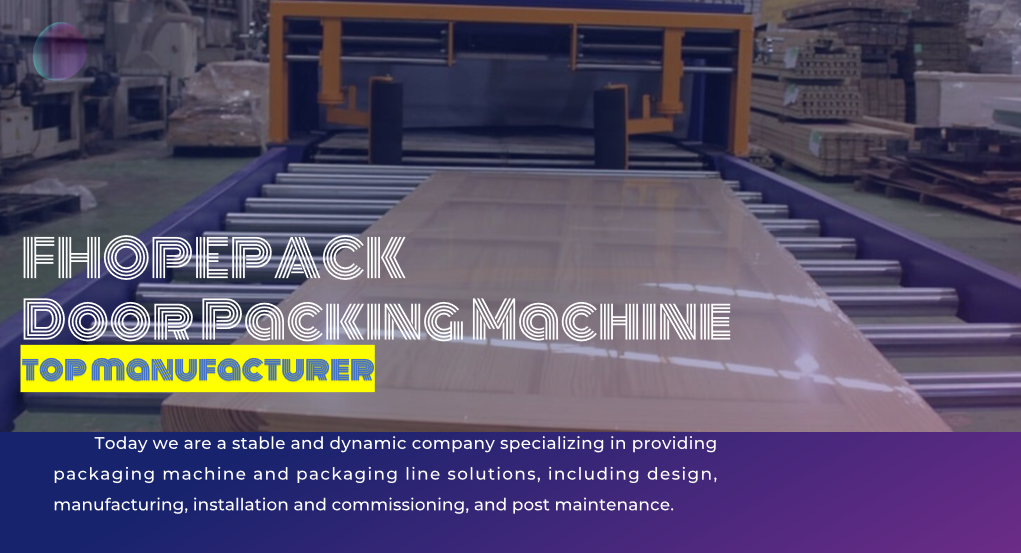
Throughout my career, I have seen many factories invest heavily in advanced machinery. But they sometimes forget about the surrounding environment and processes. It is like buying a high-performance race car but driving it on a muddy road. You just will not get the full speed. When I started my own factory, I understood that a machine is only as good as the system around it. This meant focusing on the entire production flow. This approach helped me understand that a machine is not a standalone solution. It is a part of a larger ecosystem. This holistic view helped my clients achieve truly optimized operations. It ensures their investment in equipment really delivers value.
Optimizing External Factors for Peak Wrapper Performance
Beyond the machine and the product, the surrounding environment and operational workflow are crucial for packaging speed. The infeed and outfeed conveyor systems are prime examples. If doors cannot move smoothly and quickly into and out of the wrapper, the machine will often sit idle. This creates a bottleneck. For example, if you rely on forklifts to load and unload doors, the speed depends on the forklift operator’s efficiency and the availability of the forklift. Integrating automated conveyor lines can ensure a continuous flow. This maximizes the wrapper’s uptime. This automation helps solve Michael Chen’s efficiency bottleneck challenge. It allows for a continuous production flow, reducing manual reliance.
Next, the quality of the stretch film is paramount. Poor quality film can break easily. It can also have inconsistent stretch properties. This leads to frequent stops for film changes. It also results in poor wrap quality. Using high-quality film, even if slightly more expensive, can save significant time and money in the long run. It reduces downtime and product re-wraps. It ensures consistent, secure packaging. I always advise my clients to invest in good film. It is a small cost compared to the production losses from bad film. This is part of the cost-efficiency equation Michael Chen cares about.
Operator skill and training also play a big part. Well-trained operators can quickly troubleshoot minor issues. They can also perform routine adjustments efficiently. They understand how to load products correctly. They also know how to monitor machine performance. Untrained operators can cause delays. They might also make errors that lead to machine damage or safety issues. Investing in proper training for your team is an investment in your machine’s performance. It also increases workplace safety. This directly addresses Michael Chen’s goal of improving safety.
Finally, preventive maintenance is non-negotiable. Skipping regular maintenance can lead to unexpected breakdowns. These breakdowns cause significant downtime. They also reduce the machine’s efficiency over time. A well-maintained machine runs smoothly and reliably. It operates at its peak speed. Establishing a strict maintenance schedule and sticking to it prevents costly surprises. It ensures the machine stays operational when you need it most. When I started FHOPEPACK, I knew that reliable after-sales service was critical. Many suppliers only focus on sales and then disappear. But true partnership means providing ongoing support and maintenance. This is the kind of professional guidance Michael Chen is seeking from a supplier. It builds trust and ensures the investment provides long-term value.
Conclusion
Optimizing your horizontal stretch wrapper for doors means looking at machine design, door characteristics, and your operational environment. By focusing on these areas, you can significantly boost packaging speed, enhance safety, and improve overall factory profitability.








