
How Can a Horizontal Stretch Wrapper Enhance Both the Protection and Visual Appeal of Door Packaging?
Are you tired of seeing your beautifully crafted doors suffer damage during transit? Does the thought of scratched surfaces or broken edges fill you with dread before your products even reach your customers? Many manufacturers face this exact problem. They invest so much in making high-quality doors, only to see that effort undone by inadequate packaging. This leads to costly returns, unhappy clients, and a dent in your reputation.
A horizontal stretch wrapper significantly enhances both the protection and visual appeal of door packaging by tightly encasing products in a secure, multi-layered film, preventing surface scratches, edge damage, and moisture exposure, while also providing a clean, professional, and consistent look that reflects the quality of the door itself.

This advanced packing solution is a game-changer for many businesses. It is not just about wrapping. It is about total product integrity and presenting your doors in the best possible light. Let us explore how a horizontal stretch wrapper can truly transform your packing process.
How Does a Horizontal Stretch Wrapper Protect Doors During Transit?
Have you ever received a shipment only to find the contents damaged? It is a frustrating experience for anyone, especially when those contents are valuable doors. Traditional packing methods often leave doors vulnerable to scrapes, dings, and moisture, leading to costly reworks and customer complaints. This issue eats into profits and harms your brand image.
A horizontal stretch wrapper provides superior protection for doors during transit by creating a robust, tightly wrapped cocoon of film that guards against physical impacts, abrasion from shifting, and environmental factors like dust and moisture, ensuring doors arrive in pristine condition.
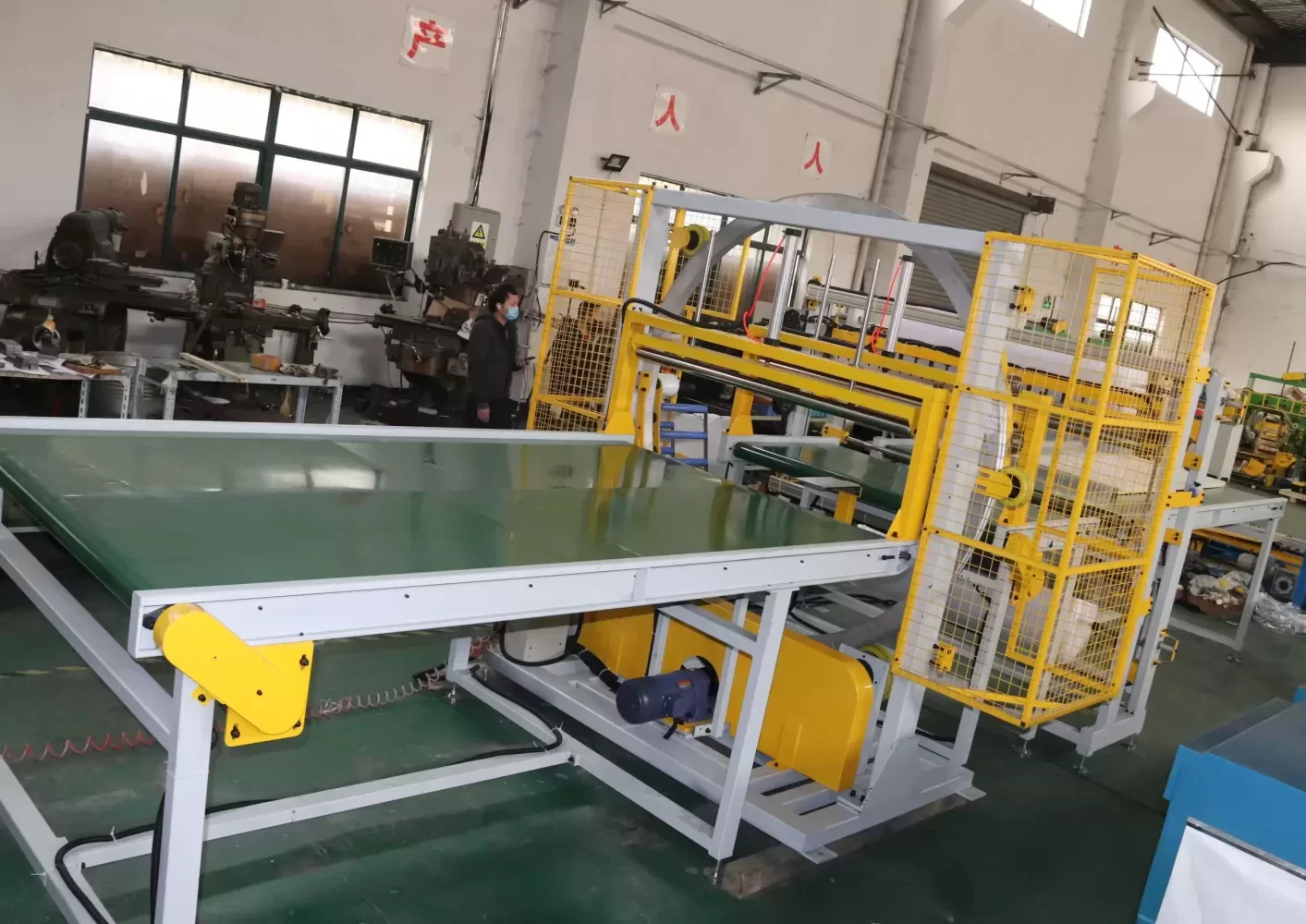
When I first started in the packing machine industry, I saw many instances where products, even strong ones like steel coils, would get damaged because of poor packaging. Doors, despite their strength, are also prone to damage, especially on their delicate surfaces and edges. A horizontal stretch wrapper addresses these common vulnerabilities head-on. It does this by applying tensioned film around the entire circumference of the door, creating a strong barrier. This barrier prevents small impacts and scrapes from reaching the door surface. Imagine a door sliding around during transport. Without proper wrapping, its edges can chip, or its surfaces can get scratched. The stretch film acts like a second skin. It holds the door firmly in place on its pallet or base, stopping movement that causes damage.
Think about environmental factors too. Dust, dirt, and moisture are big enemies of finished doors. Moisture can cause warping or damage to finishes, especially for wooden doors. The tightly sealed wrap from a horizontal stretch wrapper acts as a shield against these elements. This is crucial for doors that might be stored outdoors for a short time or travel through different climates. Beyond just basic protection, the film also offers a level of tamper evidence. If the wrap is broken, it is clear someone has interfered with the package. This adds an extra layer of security. The machine also allows for multiple layers of film to be applied. This means you can customize the level of protection needed for different door types or shipping conditions. For example, a heavy, ornate wooden door might need more layers than a lightweight interior door. This flexibility ensures optimal protection without over-packaging. The machine’s consistent wrapping also means every door gets the same level of care. This removes human error from the packing process. It guarantees that each door is prepared for its journey in the best possible way. This focus on consistent, high-quality protection directly translates into fewer damaged goods. This reduces customer complaints and boosts your company’s reputation for quality delivery.
Can Horizontal Stretch Wrapping Really Improve the Look of Packaged Doors?
First impressions matter, especially in business. When your customer receives a product, the packaging is the first thing they see. If it looks sloppy, damaged, or unprofessional, it can instantly lower their perception of your product’s quality, no matter how good the door inside is. Are you still using methods that make your doors look less than perfect on arrival?
Yes, horizontal stretch wrapping significantly improves the visual appeal of packaged doors by providing a taut, smooth, and consistent finish that looks professional and clean, reflecting the high quality of the product inside and enhancing brand perception.
When I worked at the packing machine factory, I saw how much effort goes into making a product look good. Packaging is an extension of that. A door, whether it is for a home or a commercial building, is often a significant investment for the buyer. When it arrives, it should look like the premium product it is. Hand-wrapping often results in uneven, wrinkled, or loose packaging. This looks messy and unprofessional. A horizontal stretch wrapper changes this completely. The machine applies film with consistent tension. This creates a smooth, tight, and uniform surface around the door. This neatness speaks volumes about your company’s attention to detail and quality.
Imagine a stack of doors arriving at a construction site or a showroom. If they are neatly wrapped, they create a positive impression right away. This can even influence the client’s confidence in the product itself. Beyond just smoothness, you can also use clear film. This allows the customer to see the door through the packaging. This is great for showcasing the product immediately. It also makes it easier for logistics teams to identify the doors without unwrapping them. Some companies even use pre-printed film with their logo or branding. This turns the packaging into a mobile billboard. It extends your brand visibility from your factory floor all the way to the customer’s site. This level of branding is difficult to achieve with manual methods. It adds a professional touch that sets you apart from competitors. The consistency in appearance also helps with inventory management. Uniformly wrapped products are easier to stack and store. They also look more organized in your warehouse. Ultimately, the improved visual appeal is not just about aesthetics. It is a strategic element that contributes to your brand’s image, customer satisfaction, and perceived value of your product.
What Safety Benefits Do Horizontal Stretch Wrappers Offer for Door Manufacturing?
Is worker safety a constant concern in your factory? Manual handling of heavy and awkward items like doors poses serious risks. Back injuries, crushed fingers, and other accidents are unfortunately common when workers lift, move, and wrap large products by hand. These incidents not only cause pain and suffering but also lead to high insurance costs, lost workdays, and staff turnover.
Horizontal stretch wrappers significantly enhance safety in door manufacturing by automating the wrapping process, drastically reducing the need for manual handling of heavy doors, thus minimizing the risk of strains, sprains, and impact injuries for workers.

Safety was always a top priority for me, even when I was an employee. When I built my own factory, I made sure that safety protocols were at the core of our operations. I understood that happy and safe workers are productive workers. The automation provided by a horizontal stretch wrapper is a major step towards a safer workplace, especially for an operation dealing with heavy items like doors. With manual wrapping, workers must walk around the door, bend, stoop, and stretch to apply the film. They also need to constantly adjust and move the door or pallet. This repetitive motion, combined with handling heavy loads, creates a high risk for musculoskeletal injuries. Back pain, shoulder strains, and carpal tunnel syndrome are common.
A horizontal stretch wrapper eliminates almost all of this manual effort. The door stays on a conveyor or a fixed platform, and the machine does all the wrapping. Workers only need to load and unload the door, which can often be done with forklifts or automated handling systems. This greatly reduces direct physical interaction with the product during the wrapping phase. Furthermore, the machine itself operates in a controlled environment. Modern wrappers come with safety features like emergency stops, safety light curtains, and enclosed working areas. These features prevent workers from accidentally getting caught in moving parts. This is a huge improvement over a busy area where manual wrapping is done, with potential tripping hazards from loose film or moving people. Reduced injuries mean fewer workers’ compensation claims, lower insurance premiums, and less downtime due to staff absence. This also leads to better employee morale. Workers feel valued when their safety is taken seriously. A safer environment also means less turnover, allowing you to retain skilled staff. In my experience, investing in safety equipment like this is not just an expense. It is a smart investment that pays off in many ways, from reduced costs to a more positive and productive workforce. It transforms a high-risk task into a safe and efficient one.
How Do Horizontal Stretch Wrappers Boost Efficiency and Reduce Costs in Door Packaging?
Are you struggling with slow packing speeds that create bottlenecks at the end of your production line? Is the high cost of labor for manual wrapping eating into your profit margins? Many factories find that their packing process is the weakest link, hindering overall output and driving up operational expenses. This inefficiency can impact your ability to meet deadlines and compete effectively.
Horizontal stretch wrappers boost efficiency in door packaging by significantly increasing wrapping speed and throughput, while reducing labor needs and material waste, leading to substantial cost savings and faster delivery times for manufacturers.
When I first started my packing machine factory, one of the biggest lessons I learned was the importance of efficiency. Every second saved, every wasted material piece avoided, directly impacts the bottom line. Manual door packing is incredibly time-consuming. Workers must walk around the door, manually apply tape or film, and ensure proper tension. This process is slow and inconsistent. A horizontal stretch wrapper, on the other hand, can wrap a door in a fraction of the time. The machine works at high speeds. It applies film rapidly and evenly. This dramatically increases the number of doors you can package per hour. This speed means that the packing process no longer bottlenecks your production line. Your doors can move from the assembly line straight into shipping much faster.
This higher throughput directly translates into increased production capacity. You can fulfill more orders in less time. This allows you to scale your business more easily. Beyond speed, there are significant labor cost savings. Manual wrapping often requires multiple workers. With an automated wrapper, one operator can manage the machine. This frees up other workers to focus on more skilled tasks elsewhere in the factory. Over time, these labor savings add up to a substantial amount, providing a clear return on investment (ROI). Furthermore, horizontal wrappers are very efficient with film usage. They apply film with precise tension and overlap. This minimizes waste compared to manual wrapping where film can be stretched too thin, or too much can be used. Reduced film consumption directly lowers your material costs. Another cost saving comes from reduced product damage. As we discussed earlier, less damage means fewer reworks, fewer returns, and fewer customer complaints. Each damaged door is a loss in material, labor, and time. By preventing this, the wrapper safeguards your profits. This combination of increased speed, reduced labor, lower material costs, and less damage makes a horizontal stretch wrapper an essential tool for any door manufacturer looking to improve their bottom line and gain a competitive edge.
Why is Partnering with an Experienced Expert Like FHOPEPACK Crucial for Your Door Packaging Needs?
Have you ever invested in new equipment only to find that the supplier disappears after the sale? This “sales-first, service-later” approach is common. It leaves many manufacturers feeling frustrated and unsupported, especially when they encounter operational challenges with their new machines. Finding a partner who truly understands your business, not just sells a product, is rare.
Partnering with an experienced expert like FHOPEPACK is crucial for door packaging needs because we offer more than just machinery; we provide deep industry insights, tailored solutions, and long-term support, ensuring your investment truly addresses your specific challenges and drives your business growth, built on years of real-world factory experience.
My journey in the packing machine industry started as an employee. I worked on the factory floor, seeing firsthand the daily struggles and bottlenecks. Later, I took the leap and built my own successful packing machine factory. This hands-on experience taught me so much. It was not just about making machines. It was about understanding the entire production flow. It was about solving real problems for real businesses. This background is exactly what sets FHOPEPACK apart. We do not just sell equipment. We offer insights born from years of experience in designing, manufacturing, and operating packing lines.
Many suppliers focus only on making a sale. They might offer a generic machine without truly understanding your unique factory layout, your specific door types, or your long-term production goals. This often leads to a mismatch. You get a machine that does not fully integrate with your existing processes. Or it does not solve your biggest pain points. At FHOPEPACK, we start by listening. We want to understand your challenges: your efficiency bottlenecks, your safety concerns, your product damage issues, and your budget. My personal experience, from being an employee to running a factory, allows me to truly empathize with factory managers. I know the pressure to increase output while controlling costs. I understand the importance of reliable equipment and minimal downtime.
We use this understanding to provide tailored solutions. It is not just about a horizontal stretch wrapper. It is about fitting that wrapper into your entire production ecosystem. We look at your whole operation. We consider how the machine will integrate with your conveyors or other handling systems. This ensures a seamless transition and maximum benefit. Furthermore, we are committed to long-term partnerships. My success in this industry came from helping my clients grow their businesses. I believe in giving back. This means providing robust after-sales support, training, and troubleshooting. When you face an issue, you want a partner who knows the machine inside out and can offer quick, effective solutions. This trust is built on reliability and a shared commitment to your success. Choosing FHOPEPACK means choosing a partner who has walked in your shoes, understands your industry, and is dedicated to helping you achieve your operational and financial goals.
Conclusion
A horizontal stretch wrapper revolutionizes door packaging, enhancing protection, visual appeal, and safety. It also cuts costs, making it a vital investment for operational excellence.








