
What Cost Factors Matter When Selecting a Pallet Inverter for Apparel Shipments?
Are you feeling the pressure of keeping up with fast-paced apparel logistics? Many warehouse managers I talk with are. The constant need for speed, safety, and cost control in handling thousands of pallets daily can be overwhelming. Especially when you deal with different pallet sizes for international shipments, inefficient pallet changing can cause delays, fines, and even lost customers.
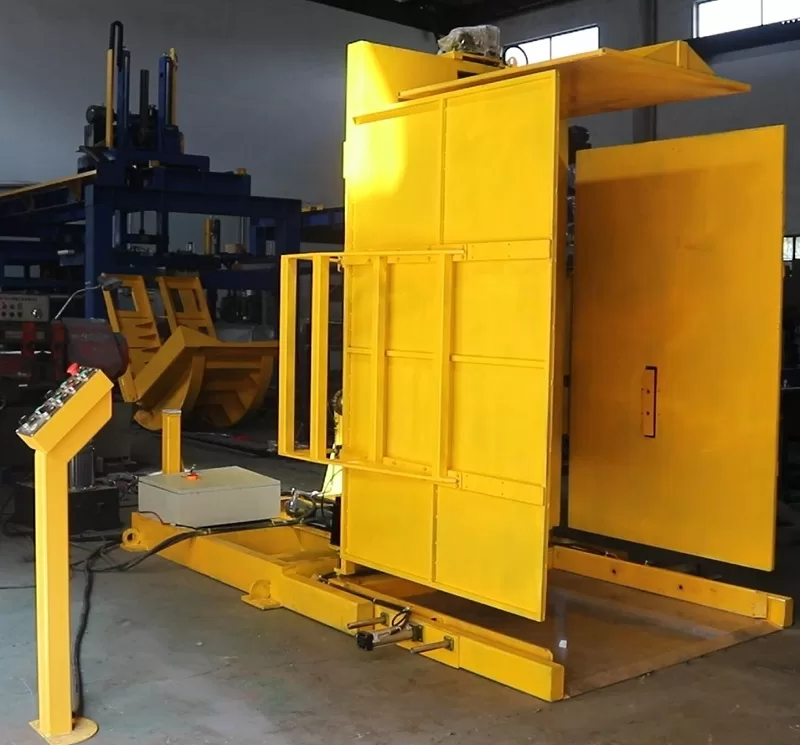
Choosing a pallet inverter for apparel shipments is not just about the initial purchase price. The key cost factors include the upfront equipment and installation expenses, ongoing operational costs like labor and energy, the financial impact of safety and compliance, and the long-term value derived from reliability, maintenance, and scalability. These elements together determine the true cost of ownership and the return on your investment in a high-demand industry.
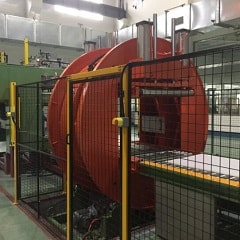
Understanding these various cost factors is crucial for making a smart investment. It helps you pick a solution that truly solves your challenges, not just adds another machine to your floor. Let us dive deeper into what truly matters when you are looking to master your packing operations.
Is the Initial Investment the Only Cost to Consider for Apparel Pallet Inverters?
Are you only looking at the price tag when buying a new machine? Many people do. But this narrow focus can lead to bigger problems and costs down the road. For apparel shipments, a pallet inverter is a critical piece of equipment. It needs to handle goods carefully and efficiently.
The initial investment for a pallet inverter includes not only the purchase price of the machine itself but also costs for shipping, installation, and any necessary customizations for your specific apparel handling needs. These upfront costs are just the first part of the total financial picture. When I started my packing machine factory, I quickly learned that the cost of a machine goes far beyond what you pay a salesperson.
In my experience, from working as an employee to building a successful packing machine factory, I have seen many businesses focus too much on the sticker price. They forget about other important upfront costs. For apparel, you often deal with specific carton sizes, different pallet types, and sometimes even delicate items. A standard pallet inverter might not fit all your needs. You might need custom fixtures or special programming. These things add to the initial cost. Also, installing a large machine often needs changes to your warehouse layout or electrical system. Do not forget about training your team to use the new equipment safely and correctly. This also costs money and time. Think about it: if you save a little money on the initial purchase but then spend more on installation or customization later, you did not really save much. It is important to get a clear quote for all these things from the start. This includes delivery fees, setup charges, and any modifications needed to make the inverter work perfectly with your existing setup and the variety of pallets you use for apparel, such as Euro pallets, American pallets, or even plastic pallets. It is like buying a car; the purchase price is one thing, but getting it registered, insured, and maybe adding specific features you need also costs money. A wise investment means knowing all these numbers from day one.
How Do Operational Efficiencies and Labor Savings Impact Pallet Inverter Costs?
Are you constantly looking for ways to cut down on daily operating expenses? Every manager I meet is. In the world of warehousing, labor costs and efficiency are two of the biggest factors that impact your budget. When it comes to handling apparel, these aspects become even more critical because of high volumes and tight delivery schedules.
Operational efficiencies and labor savings dramatically reduce the long-term costs of running a warehouse, making them crucial factors in selecting a pallet inverter. A well-chosen pallet inverter automates the labor-intensive process of switching pallets, directly cutting down on staffing needs and speeding up throughput, which leads to significant ongoing cost reductions. My experience helping many clients grow their businesses taught me that automation is not just about speed; it is about smart resource allocation.
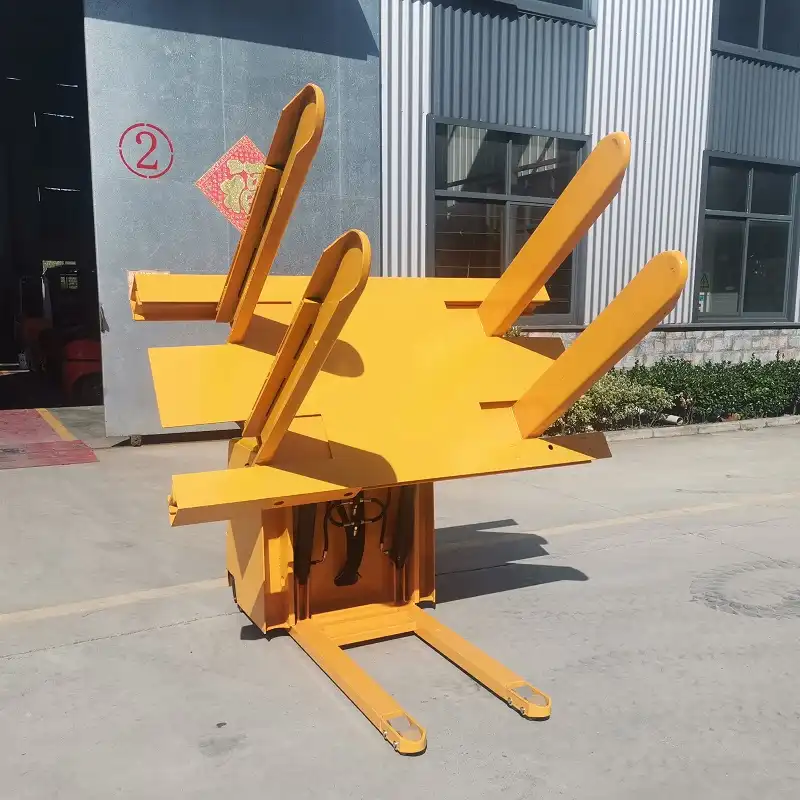
Consider the manual process of changing pallets. It involves people, time, and effort. For a busy apparel distribution center that handles thousands of pallets every day, this manual work adds up quickly. With a pallet inverter, you reduce the need for multiple workers to physically move, tilt, or restack goods. This directly lowers your payroll expenses over time. Plus, a machine works faster and more consistently than humans. It can process pallets continuously, reducing bottlenecks in your shipping and receiving areas. This faster turnover means you can move more products in less time, directly impacting your ability to meet tight delivery schedules for retail and e-commerce clients. The machine also removes human error, which can lead to damaged goods or incorrect pallet configurations. My journey from an employee to a factory owner showed me how small gains in efficiency can create huge financial benefits. Think about the energy costs too. A well-designed inverter will consume power efficiently. You need to look at its power consumption ratings. Over years of operation, lower energy use translates to noticeable savings on your utility bills. It is not just about what you pay for the machine, but how much it saves you every day. This is especially true for apparel shipments where high volumes and varying pallet types (Euro, American, plastic) demand consistent, high-speed processing without interruption.
What Are the Hidden Costs of Pallet Inverter Downtime and Maintenance for Apparel Logistics?
Do you know how much a broken machine truly costs your business? Most people only think about the repair bill. But in fast-moving logistics, especially for apparel, the cost of downtime goes much deeper. A pallet inverter that frequently breaks down can quickly become a major financial drain.
The hidden costs of pallet inverter downtime and maintenance include lost productivity, delayed shipments, potential contract penalties, and damage to customer relationships, making reliability and robust design critical selection factors. Frequent breakdowns and expensive parts can erase any initial savings, highlighting the importance of choosing a durable machine with readily available support. During my time running a packing machine factory, I saw firsthand how much a simple machine failure could disrupt an entire operation and cost a fortune in lost production.
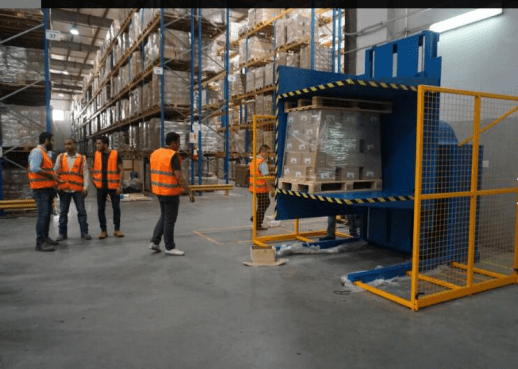
When a pallet inverter stops working, everything grinds to a halt. For apparel shipments, this means boxes of clothes are stuck, unable to be moved or prepared for their next stage. This directly impacts your shipping schedule. If you have promised customers a delivery by a certain date, delays can lead to financial penalties outlined in your contracts. More importantly, it can damage your reputation with clients. They depend on you to deliver on time. If you constantly miss deadlines because of equipment failures, they might look for another supplier. This loss of customer trust is a huge hidden cost. Then there are the direct maintenance costs. Some machines use proprietary parts that are expensive and hard to find. This means longer repair times and higher bills. You want a machine built with standard components that are easy to source. Also, consider the service agreement and the availability of technical support. Can you get help quickly when you need it? A reliable supplier offers good after-sales service. They understand that your business cannot afford to wait. When I built my own factory, I made sure that the equipment we used was not only efficient but also extremely reliable. This peace of mind is invaluable. A high-quality, durable pallet inverter, especially for high-volume apparel operations, might cost a bit more upfront, but it pays for itself many times over by avoiding these hidden costs of downtime and maintenance. It is an investment in continuous operation.
Beyond the Machine: Why Are Safety, Compliance, and Future Scalability Critical Cost Factors?
Are you thinking about more than just the machine itself when making a purchase? Smart warehouse managers understand that the bigger picture includes safety, regulatory compliance, and preparing for future growth. These factors might not have a direct price tag on the machine, but they carry significant financial implications for your business.
Beyond the initial machine cost and operational expenses, safety, compliance, and future scalability are critical cost factors because they prevent expensive accidents, avoid legal penalties from non-conforming pallet standards, and ensure your investment supports long-term business growth. Neglecting these areas can lead to substantial financial losses, making a holistic view essential for smart decision-making. In my journey from engineer to successful factory owner, I learned that a responsible business always plans for safety, meets all rules, and thinks about what comes next.
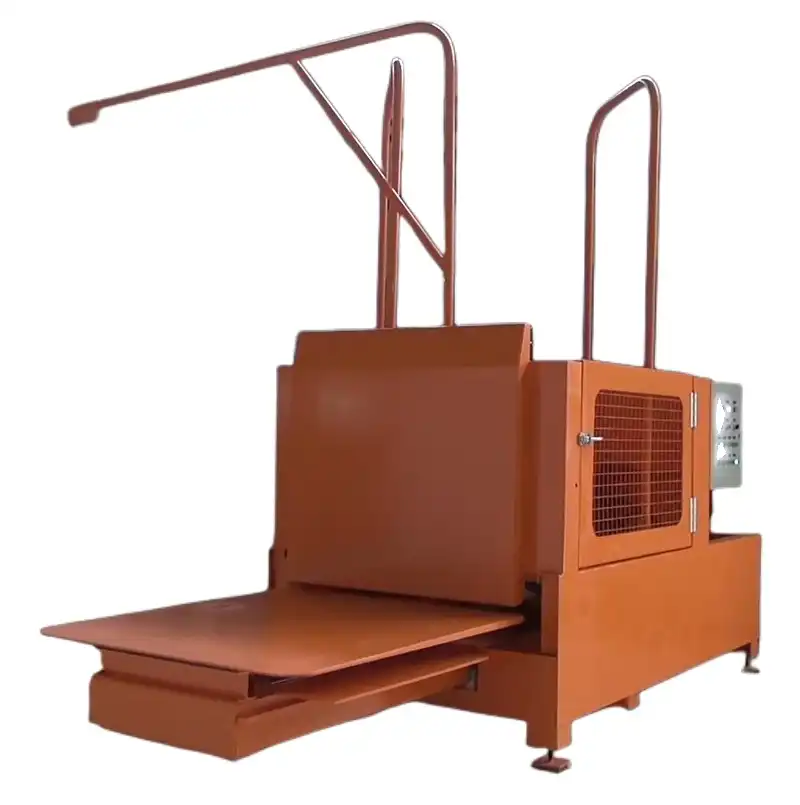
First, let us talk about safety. Manual pallet changing, especially with heavy or unstable apparel cartons, is dangerous. People can get hurt from falling boxes or accidents with forklifts. These injuries lead to high costs, like medical bills, workers’ compensation claims, and increased insurance premiums. You also lose productive employees. A pallet inverter greatly reduces these risks by automating the process. It keeps workers away from hazardous tasks. Investing in a safe machine is not just good for your team; it saves you a lot of money in the long run by preventing accidents. Second, compliance is huge for apparel, especially if you ship internationally. Different countries have different pallet requirements, like Euro pallets versus American pallets. If your pallets do not meet the standards, your shipments can get rejected at customs. This leads to delays, re-packaging costs, and even fines. A versatile pallet inverter helps you quickly switch between different pallet types, ensuring all your shipments meet the required specifications. This avoids costly delays and penalties. My clients, many of whom handle international shipments, often face this challenge. A good pallet inverter is a compliance tool. Third, think about scalability. Your business will grow. Will the pallet inverter you buy today still meet your needs next year or in five years? Choosing a machine that can handle increased volume or adapt to new pallet types means you will not have to buy another expensive machine too soon. It is an investment that grows with you. This forward-thinking approach is what helped me achieve financial independence and truly serve my clients. These factors show that the true cost of a pallet inverter extends far beyond its purchase price, impacting your entire operation’s financial health and future.
Conclusion
Selecting a pallet inverter for apparel shipments requires looking at all costs, not just the initial price. Consider operational savings, reliability, safety, compliance, and future growth. A smart investment in a quality pallet inverter will lead to long-term success, improved safety, and financial benefits for your business.








