
What Core Features Should U.S. Purchasing Managers Demand in a Steel Coil Packing Line?
Are you a U.S. purchasing manager dealing with the daily headaches of steel coil packing? Do you worry about slow processes, worker safety, or damaged products? You are not alone. Many factories still use outdated, manual methods. This can cause big problems. It slows down production. It also puts your team at risk.
The best steel coil packing lines must offer high automation, strong safety features, and clear cost savings. They should also protect your products. These are not just wishes. These are core demands for any smart purchasing manager. Your goal is to improve your plant’s bottom line. You also want to keep your workers safe.
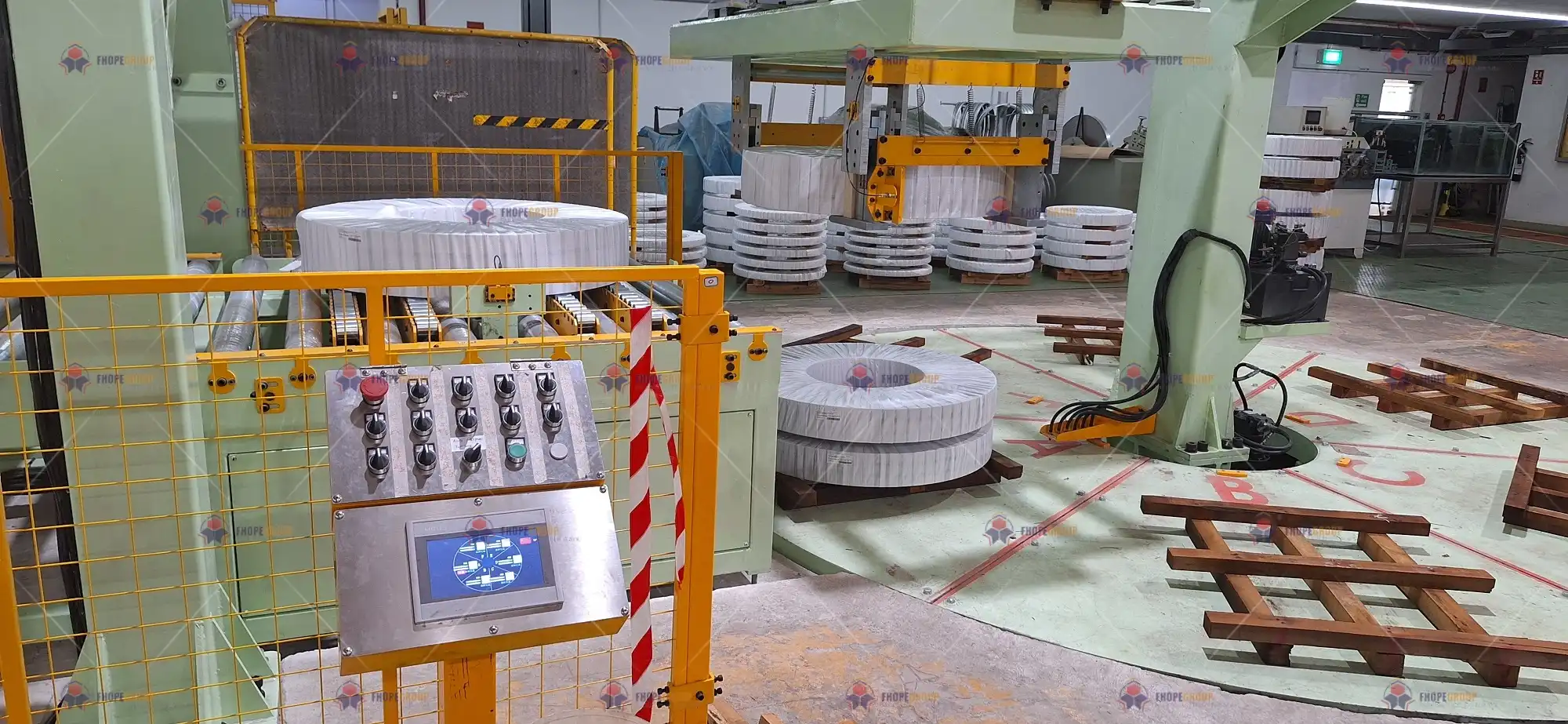
Choosing the right packing line is a major investment. It needs careful thought. It is not just about buying a machine. It is about solving real problems. It is about making your operations better. Let us look at the key things you must demand from a modern steel coil packing line. This will help you make a smart choice.
Does the Packing Line Truly Boost Automation and Speed?
Do your current steel coil packing processes rely too much on people? Are they slow? Do they create bottlenecks at the end of your production line? This can seriously hurt your overall output and delivery times. Manual packing means lower efficiency. It also means higher labor costs.
A top steel coil packing line must dramatically increase automation. It needs to speed up your operations. This is key to solving production bottlenecks. It helps ensure products move smoothly from the factory floor to shipping. This is not just about wrapping coils. It is about a fast, continuous flow.
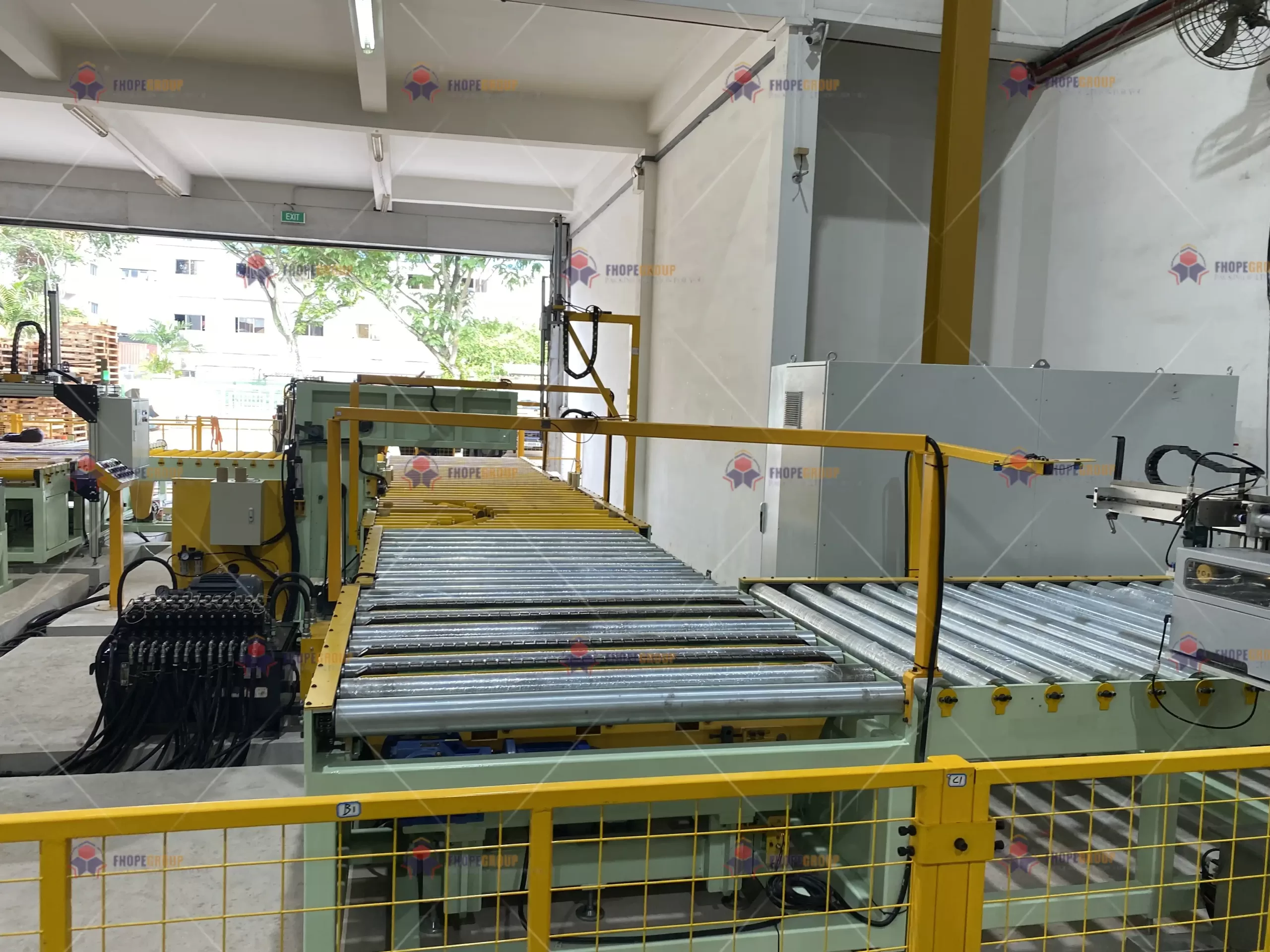
Dive deeper: Speed and automation are not just buzzwords. They are vital for metal processing plants. Manual coil packing is simply too slow for today’s high demands. Workers have to move heavy coils. They need to apply wrapping materials by hand. Then they strap the coils. This takes a lot of time. It also takes a lot of effort. This process slows down your entire factory. It means you ship fewer products each day. This hurts your profit.
A truly automated steel coil packing line handles many tasks. It takes the coil from the production line. It moves it to the wrapping station. It applies the wrap automatically. Then it straps the coil tightly. All of this happens with little or no human help. This system uses advanced sensors and controls. It ensures each step is done quickly and correctly. This reduces the time each coil spends in packing. It means your finished products get out the door faster.
Think about a factory like the one I started. We aimed for maximum output. We knew bottlenecks in packing would kill our production goals. Investing in automation was not an option. It was a requirement. Automated systems work without breaks. They do not get tired. They wrap coils at a consistent speed. This makes your production flow predictable. It lets you meet tight deadlines.
Here is what automation brings:
| Feature | Benefit | Impact on Operation |
|---|---|---|
| Automatic Wrapping | Fast, consistent wrapping without manual effort | Higher throughput, uniform package quality |
| Automated Strapping | Secure strapping, less reliance on labor | Reduced product shifting, faster cycle times |
| Integrated Conveyors | Smooth movement of coils between stations | Eliminates manual handling, prevents delays |
| Programmable Logic Controllers (PLCs) | Precise control over each operation sequence | Consistent performance, minimal errors |
| Reduced Labor Needs | Fewer workers needed for packing | Lower operational costs, redeployed staff |
This level of automation means you can pack more coils in less time. It frees up your team to do other important jobs. For U.S. purchasing managers, this means a better return on investment. It means your plant can handle more orders. It means you can grow your business. You must demand a system that truly automates. It must not just assist. It needs to drive your packing process from start to finish.
Can This System Guarantee Worker Safety and Reduce Risks?
Do you worry about your workers handling heavy steel coils? Are there high risks of injury? Manual handling of heavy products like steel coils is very dangerous. It can lead to serious injuries. It raises your insurance costs. It also makes workers leave. This creates a big safety problem for your plant.
An excellent packing line must improve worker safety. It needs to reduce the need for people to handle heavy items. This is not an extra feature. It is a fundamental requirement. You must protect your team. You must reduce accidents. This leads to a safer workplace. It also saves your company money.
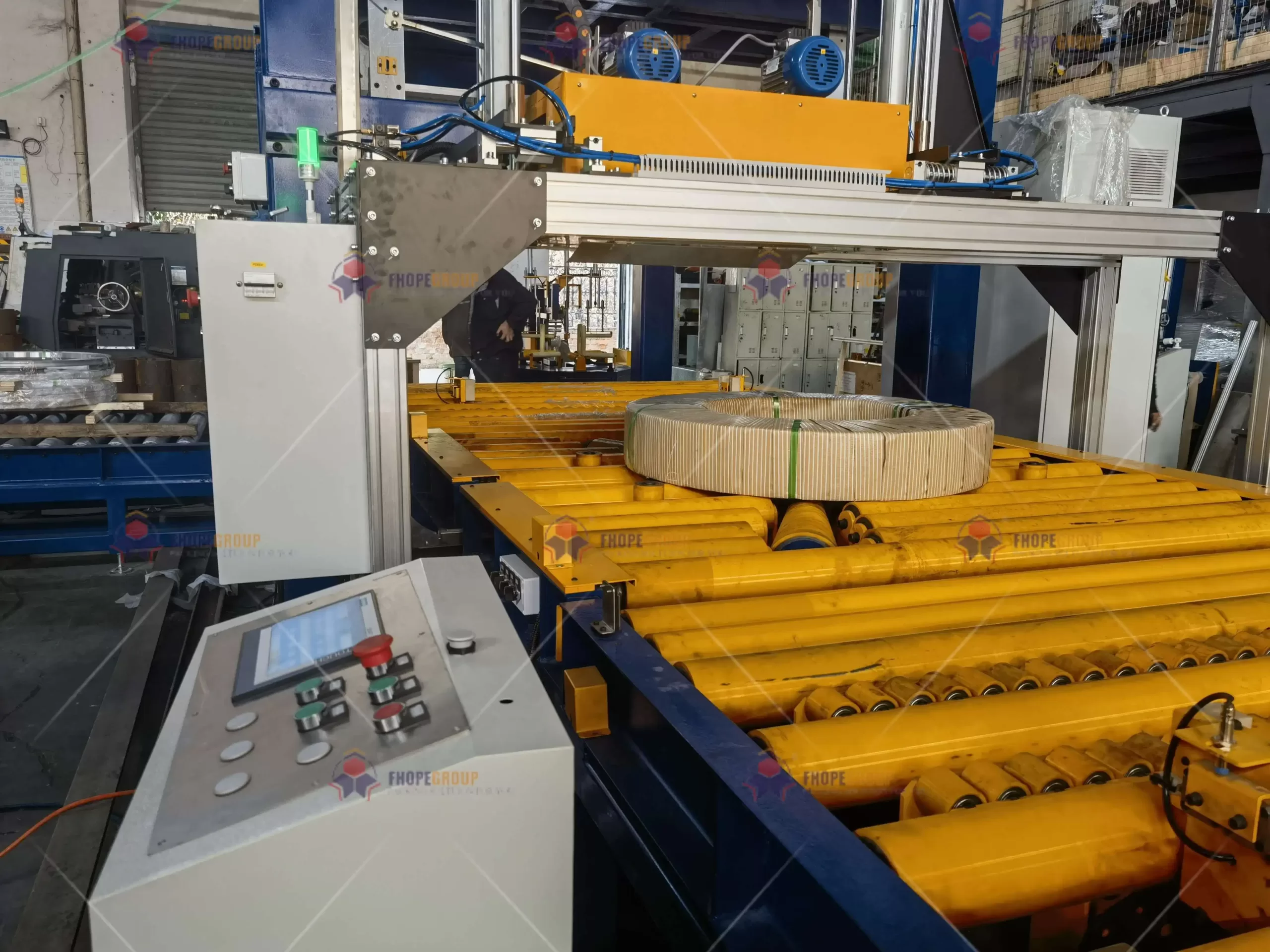
Dive deeper: Safety is a huge concern in heavy industry. My experience has shown me this many times. When workers manually lift, move, or flip heavy steel coils, they face serious risks. These risks include back injuries, crushed limbs, and falls. Even minor accidents cost money. They lead to lost workdays. They raise your workers’ compensation insurance. Serious accidents can shut down parts of your operation. They can also hurt your company’s reputation.
A well-designed steel coil packing line removes these dangers. It does this by using machines for heavy lifting. It has automated conveyors. It uses robotic arms. These systems move coils safely. They reduce the need for workers to be near moving machinery or heavy loads. Safety features are built into the design. These include emergency stop buttons, safety sensors, and protective barriers. These parts stop the machine if a worker is too close. They prevent accidents before they happen.
I have seen the impact of a truly safe workplace. Workers feel more secure. They are more productive. They stay with the company longer. This reduces turnover costs. It creates a better work environment for everyone. A good packing line design also considers how workers interact with the machine. It makes maintenance safer. It makes daily checks easier. This prevents unnecessary risks.
Here are key safety features to look for:
- Automatic Loading and Unloading: Machines handle coils, not people. This removes heavy lifting and repetitive strain.
- Safety Guards and Interlocks: These stop the machine if a door is open or a barrier is breached. They protect workers from moving parts.
- Emergency Stop Buttons: Located around the machine, these allow quick shutdowns in an emergency.
- Remote Control Operation: Workers can operate the machine from a safe distance. This keeps them away from potential hazards.
- Sensor Technology: Detects human presence or unusual machine behavior. It prevents collisions and jams.
- Warning Lights and Alarms: These tell workers when the machine is active. They warn about potential dangers.
For purchasing managers, investing in safety is investing in your people. It also protects your company’s finances. A safe workplace is an efficient workplace. It is a productive workplace. You must demand these safety features. They are not optional. They are critical for any modern steel coil packing line.
Will the Investment Deliver Real Cost Savings and Product Protection?
Are your current packing methods leading to product damage? Does this cause customer complaints and lost profits? Do you see high labor costs in your packing area? These problems directly impact your company’s financial health. They eat into your profit margins.
A new packing line must offer clear returns on investment (ROI). It needs to cut labor costs. It must reduce product damage. This boosts your factory’s overall profitability. It is not just about spending money. It is about making a smart investment that pays for itself. It also protects your products during transit.

Dive deeper: Every business wants to save money and protect its products. In the steel industry, coils are valuable. Any damage means a loss. Manual handling often causes damage. Edges can get bent. Surfaces can get scratched. These damages happen during movement or packing. When a customer receives a damaged product, it leads to complaints. It means returns. It means reworks. All of these cost your company time and money.
An automated steel coil packing line protects your product in several ways. First, machines handle coils gently and precisely. They reduce impacts and scrapes. Second, the wrapping and strapping are consistent. They are tight. This protects the coil from dirt, moisture, and shifting during transport. A well-packed coil arrives at the customer in perfect condition. This builds customer trust. It reduces complaints. It ensures you get full value for your product.
Beyond product protection, think about cost savings. Labor is a major cost. By automating packing, you need fewer people for this task. This lowers your direct labor expenses. Also, faster packing means less overtime pay. It means more efficient use of your existing workforce. When I built my factory, cutting unnecessary costs was always a priority. It directly impacted our ability to compete. It allowed us to grow.
Consider these ways a packing line delivers ROI:
- Reduced Labor Costs: Automating packing reduces the need for multiple workers. This saves on wages and benefits.
- Minimized Product Damage: Consistent machine handling and robust packing protect coils. This leads to fewer customer returns and claims.
- Lower Material Waste: Machines use wrapping materials efficiently. They cut down on waste. This saves money on supplies.
- Increased Throughput: Faster packing means more coils processed per shift. This boosts overall production capacity.
- Improved Customer Satisfaction: Undamaged products and timely deliveries keep customers happy. This can lead to repeat business.
- Lower Insurance Costs: Fewer worker injuries (due to automation) can lead to lower workers’ compensation premiums.
A modern packing line is an investment. But it is an investment that quickly pays for itself. It saves money on labor and materials. It prevents costly product damage. It boosts your factory’s ability to produce more. Purchasing managers must look for clear ROI data. They need to see how the machine will make your plant more profitable.
How Does a Supplier Become a True Partner for Your Business?
Have you worked with equipment suppliers who only care about making a sale? Do they offer poor after-sales service? This can make you very careful about choosing a new partner. You need a supplier who understands your real challenges. You need one who offers true solutions.
A good supplier is more than just a seller. They are a partner. They understand your production bottlenecks. They know your safety concerns. They get your efficiency problems. They provide expert advice. They offer reliable solutions. This partnership is vital for your long-term success.
Dive deeper: From my journey, first as an engineer, then as a factory owner, I learned a simple truth. The best suppliers are not just vendors. They are true partners. They do not just sell machines. They sell solutions. They understand your specific business needs. They know the pressures you face. Think about Michael Chen, a factory manager I know. He needs solutions for specific problems. He does not just want a generic machine.
A true partner listens. They ask questions. They want to understand your challenges. These challenges include slow processes, safety risks, and product damage. They then offer a packing line tailored to solve these issues. They do not push a standard product. They suggest what works best for your operation.
My goal with FHOPEPACK is to share knowledge. It is about helping others succeed. This comes from my own experience. I have been in the shoes of a factory manager. I know what it takes to make a factory run well. I know the value of good equipment. I also know the frustration of bad service. A reliable partner offers more than just the machine itself.
Here are the hallmarks of a true partner:
- Deep Industry Knowledge: They understand the steel industry. They know its unique demands. They speak your language.
- Problem-Solving Approach: They do not just sell features. They show how their machine solves your specific pain points.
- Excellent After-Sales Service: They offer strong technical support. They provide spare parts. They help with maintenance. This is crucial for machine uptime.
- Customization Options: They can adapt their solutions to fit your factory’s layout. They can meet your specific production needs.
- Training and Support: They train your team to use the equipment safely and effectively. This maximizes your investment.
- Long-Term Relationship Focus: They are interested in your success over many years. They are not just looking for a quick sale.
Purchasing managers in the U.S. need to look beyond the price tag. They must seek a supplier who acts like a consultant. They need one who has real-world experience. They need a partner who will stand by their product. They need one who supports your business growth. This kind of relationship ensures your investment brings lasting value. It helps you overcome challenges. It makes your operations run smoothly for years to come.
Conclusion
Choosing a steel coil packing line demands smart choices. Focus on automation for speed, strong safety features, and clear cost savings. Also, pick a supplier who becomes a true partner.








