

What Challenges Do Pallet Flippers Solve in Frozen Meat Packaging?
Imagine a vast cold storage facility, filled with frozen meat products. The air is chilly, and every movement needs to be precise. Now, picture the constant dance of pallets, moving in and out, shifting between different types for export or internal processes. If you are in a role like Carlos Rodríguez, a logistics manager dealing with thousands of pallets daily, you know the pressure. Any hiccup in this process means lost time, potential product damage, and even contract penalties. This is a real problem many in the frozen food sector face. The traditional ways of handling pallets just do not keep up with today’s demands. (frozen food logistics, cold chain management challenges, pallet handling issues)
Pallet flippers, also known as pallet inverters or pallet changers, solve critical problems in frozen meat packaging by automating the process of switching products from one pallet type to another, ensuring hygiene, enhancing worker safety in cold environments, boosting operational efficiency, and cutting down on labor costs associated with manual pallet transfers. They protect fragile frozen goods, meet diverse international shipping standards, and help maintain strict food safety compliance. (automated pallet solutions, frozen food safety, cold storage efficiency)

As someone who built FHOPEPACK from the ground up, starting on the factory floor myself, I have seen these exact challenges firsthand. I understand the daily struggles of a warehouse manager like Carlos. My journey in the packing machine industry has taught me that real solutions come from understanding the pain points deeply. So, let us dive into how modern pallet flippers address these specific issues in the demanding world of frozen meat packaging. (packing machine industry insights, warehouse pain points, pallet changer benefits)
Why is Manual Pallet Changing a Problem in Cold Storage Environments?
Are you still relying on manual labor to switch pallets in your frozen food warehouse? This approach might seem economical at first glance, but it brings a host of hidden costs and operational headaches. The cold environment itself complicates every manual task, making it slower and more dangerous for your team. This impacts your bottom line and your team’s well-being. (manual pallet transfer risks, cold warehouse operations, labor challenges)
Manual pallet changing in cold storage environments poses significant problems due to reduced worker efficiency in sub-zero temperatures, increased risk of accidents from slippery surfaces and heavy lifting, higher labor costs, and potential for product contamination. Workers become fatigued faster, making errors more likely, and the cold limits their dexterity and overall output. (cold environment efficiency, worker safety cold, manual handling costs)


For years, I have heard stories from clients struggling with this. They explain how difficult it is to find staff willing to do heavy, repetitive tasks in such cold conditions. My own experience in the industry showed me that relying on human strength for these tasks is not sustainable. We need smarter ways to work, especially when the environment adds so many extra layers of difficulty. This is why mechanical assistance is not just a luxury; it is a necessity.
The issues with manual pallet changing in cold storage are multifaceted. Here are some key points:
-
Reduced Worker Productivity:
- Cold Stress: Working in refrigerated or freezer environments quickly reduces a worker’s physical capacity and mental focus. Fingers become numb, limiting fine motor skills needed for careful handling. Gloves are essential but also reduce dexterity.
- Frequent Breaks: To prevent hypothermia or frostbite, workers must take more frequent and longer breaks, which significantly cuts down on active working hours. This means more shifts or more people are needed to complete the same amount of work.
- Slower Movements: Every action takes longer in the cold. Lifting, shifting, and even walking can be slower due to bulky protective clothing and caution needed on potentially slippery floors. This directly impacts the speed of pallet transfers. (worker efficiency cold chain, labor productivity challenges, freezer warehouse operations)
-
Increased Safety Risks:
- Slippery Surfaces: Condensation and ice formation are common in cold storage. This creates slippery floors, making trips, slips, and falls a constant threat, especially when carrying heavy loads or operating forklifts.
- Heavy Lifting Injuries: Manually lifting and shifting heavy stacks of frozen meat, or even just individual boxes, can lead to back injuries, strains, and sprains. These risks are amplified in the cold where muscles are stiffer and less flexible.
- Product Damage Risk: When workers are rushing or fatigued in the cold, the chances of dropping or mishandling frozen products increase. This can lead to damaged packaging or even compromise the integrity of the frozen meat, resulting in costly waste. (cold storage safety, manual handling injuries, product damage risks)
-
High Labor Costs and Turnover:
- Premium Wages: Because of the demanding nature of the work, cold storage jobs often command higher wages. This drives up operational costs for businesses.
- Recruitment Challenges: Finding and retaining staff willing to work in such conditions is difficult. High turnover rates mean constant recruitment and training expenses. Many younger workers simply do not want these jobs, worsening labor shortages.
- Overtime and Absence: The need for extra breaks and slower work rates often leads to increased overtime hours, further inflating labor costs. Accidents or illness due to cold exposure also lead to absences. (warehouse labor costs, staff retention cold storage, frozen food workforce)
These factors make manual pallet changing a major bottleneck for frozen meat packaging operations. Moving away from these outdated methods is not just about adopting new machines; it is about creating a safer, more efficient, and more sustainable work environment. Investing in automated solutions can transform these challenges into opportunities for growth.
How Do Diverse Pallet Types Impact Frozen Meat Logistics?
Are your international frozen meat shipments constantly held up because of different pallet standards? This is a common and costly hurdle for many global food businesses. Navigating the requirements for Euro pallets, US pallets, or specific plastic pallets adds significant complexity to your logistics chain. This challenge can slow down operations and increase the chance of errors. (international pallet standards, diverse pallet formats, frozen meat shipping)
Diverse pallet types significantly impact frozen meat logistics by requiring frequent and inefficient manual pallet transfers, increasing the risk of product damage during handling, and causing delays at customs or distribution centers. Different countries and customers often specify distinct pallet dimensions (e.g., 1200x800mm Euro vs. 48×40 inch US), creating bottlenecks when goods need to move across borders or into varied storage systems. (pallet type compatibility, international logistics challenges, cross-border shipping)


I remember working with a client years ago who lost a significant contract simply because their team could not convert thousands of pallets quickly enough to meet a strict international shipping deadline. That experience taught me how crucial it is to have flexible solutions that can adapt to various pallet specifications. My mission with FHOPEPACK has always been to provide tools that solve these real-world problems, not just sell machines.
The impact of diverse pallet types on frozen meat logistics is profound and affects multiple aspects of the supply chain:
-
Operational Inefficiency and Bottlenecks:
- Manual Conversion Time: When goods arrive on one pallet type but need to be shipped on another, manual conversion is incredibly time-consuming. Each pallet must be unloaded, the products transferred, and then reloaded onto the new pallet. This can take several minutes per pallet, accumulating into hours or even days for large shipments.
- Resource Allocation: Manual pallet changes tie up valuable labor and forklift resources. These resources could be better used for other value-added tasks within the warehouse, like order picking or inventory management. Instead, they are stuck on a repetitive, non-value-adding task.
- Warehouse Flow Disruption: The need for a dedicated area and personnel for pallet conversion disrupts the smooth flow of goods. It creates choke points where pallets pile up, waiting for transfer, impacting overall warehouse throughput and turnaround times. (warehouse operational efficiency, logistics bottlenecks, manual pallet conversion)
-
Increased Risk of Product Damage and Contamination:
- Physical Handling Risks: Each time frozen meat products are manually handled and transferred from one pallet to another, there is an increased risk of physical damage to the packaging or the product itself. This is especially true for delicate packaging or partially thawed items.
- Temperature Fluctuations: During manual transfer, products are exposed to ambient warehouse temperatures for longer periods. For frozen meat, even slight temperature rises can affect product quality, shelf life, and safety, especially if cold chain protocols are not strictly followed.
- Hygiene Concerns: Manual handling also introduces more opportunities for contamination. Human contact, the use of non-food-grade equipment, or exposure to dirty environments during transfer can compromise the hygiene of the frozen meat. (food product damage, cold chain integrity, frozen food contamination risk)
-
Compliance Issues and Financial Penalties:
- International Regulations: Different countries and regions have specific regulations regarding pallet sizes, materials, and even pest control standards (e.g., ISPM 15 for wooden pallets). Non-compliance can lead to shipments being rejected, delayed, or incurring hefty fines at customs.
- Customer-Specific Requirements: Large retail chains or distributors often have their own internal pallet standards to fit their automated warehousing systems. Failing to meet these can result in chargebacks, fines, or even refusal of delivery, damaging client relationships.
- Lost Business: As Carlos noted, inefficiencies in pallet switching can directly impact delivery schedules. Delays mean missed deadlines, leading to contractual penalties and potentially losing valuable customers to competitors who offer faster, more reliable service. (international trade compliance, shipping penalties, supply chain compliance)
Automated pallet changers are designed precisely to mitigate these impacts. They offer a fast, consistent, and safe way to adapt to varied pallet types, ensuring frozen meat logistics remain fluid and compliant.
What Safety Risks Does Traditional Pallet Handling Pose for Frozen Goods?
Are you concerned about the safety of your workers and your frozen products during traditional pallet handling? In a frozen meat warehouse, safety is not just a policy; it is a critical operational imperative. Manual methods, especially when dealing with heavy, slippery frozen goods and pallets, carry inherent dangers that can lead to serious accidents and costly consequences. (warehouse safety risks, frozen goods handling, manual operations dangers)
Traditional pallet handling, particularly for frozen goods, presents significant safety risks, including worker injuries from heavy lifting, slips, trips, and falls on icy floors, and potential for product damage due to mishandling. The combination of heavy loads, cold environments, and repetitive manual tasks creates a hazardous work setting, leading to increased rates of strains, sprains, and impact injuries. (cold storage injury risk, manual lifting hazards, frozen product safety)


In my years in the packing machine industry, I have seen too many instances where a simple, repetitive task led to a serious injury. A manager like Carlos understands that such incidents not only harm individuals but also cripple operations. An injured worker means lost productivity, higher insurance costs, and a drop in team morale. My goal at FHOPEPACK has always been to develop machines that prioritize safety, protecting both the product and the people handling it.
Let us break down the key safety risks associated with traditional pallet handling in frozen meat operations:
-
Workplace Accidents and Injuries:
- Musculoskeletal Disorders (MSDs): Repeated heavy lifting, twisting, and awkward postures involved in manual pallet transfer or repositioning are primary causes of back injuries, shoulder strains, and carpal tunnel syndrome among warehouse workers. The cold environment can exacerbate these issues, making muscles less pliable.
- Slips, Trips, and Falls: Frozen goods often mean condensation, ice, or spilled liquids on warehouse floors. Manual handling increases worker exposure to these slippery conditions, leading to falls. Additionally, unevenly stacked pallets or misplaced items create tripping hazards.
- Crushing and Impact Injuries: When manually manipulating pallets or transferring heavy stacks of frozen meat, there is always a risk of products falling, pallets shifting unexpectedly, or workers getting caught between moving loads or equipment. These can result in severe crushing or impact injuries. (worker safety cold storage, lifting injury prevention, warehouse accident rates)
-
Product Damage and Contamination Risks:
- Compromised Packaging: Rough manual handling can tear, puncture, or otherwise damage the packaging of frozen meat. This not only makes the product look unappealing but also exposes it to potential contamination and freezer burn, shortening its shelf life.
- Temperature Abuse: Any delay or inefficient handling during manual transfer can expose frozen meat to higher temperatures, even for a short duration. This can lead to partial thawing and refreezing, which degrades product quality, texture, and taste, and potentially compromises food safety.
- Cross-Contamination: When workers manually interact with various pallets, especially those from different sources (e.g., dirty incoming pallets vs. clean outgoing ones), there is a risk of cross-contamination. This is a critical concern in food processing and distribution. (frozen food quality, cold chain breaches, cross-contamination prevention)
-
Financial and Reputational Consequences:
- Workers’ Compensation Claims: Workplace injuries lead to significant costs through workers’ compensation claims, medical expenses, and potential legal fees. These financial burdens can be substantial, especially for severe accidents.
- Insurance Premium Hikes: A history of workplace accidents and claims can cause a company’s insurance premiums to rise, directly impacting operational budgets. Proactive safety measures can help mitigate this.
- Loss of Productivity: An injured worker means lost labor, and the incident itself can halt operations, causing delays and affecting overall productivity. Training replacement staff also takes time and resources.
- Damaged Reputation: Accidents can harm a company’s reputation, both among employees and customers. A company known for unsafe practices might struggle to attract talent or retain clients, impacting long-term business success. (safety cost analysis, operational disruption, brand reputation management)
Implementing automated pallet flippers directly addresses these safety concerns. By mechanizing the pallet transfer process, companies can significantly reduce manual handling, protect workers from hazardous conditions, and ensure the integrity of their frozen meat products.
Can Automation Really Cut Costs in Frozen Food Warehousing?
Are you constantly looking for ways to reduce operational expenses in your frozen food warehouse without compromising quality or speed? The high costs associated with labor, energy, and potential product loss in cold storage can quickly erode your profit margins. Many managers like Carlos wonder if automating processes, specifically pallet changing, can truly deliver significant cost savings. (frozen food warehouse costs, operational expenditure reduction, automation ROI)
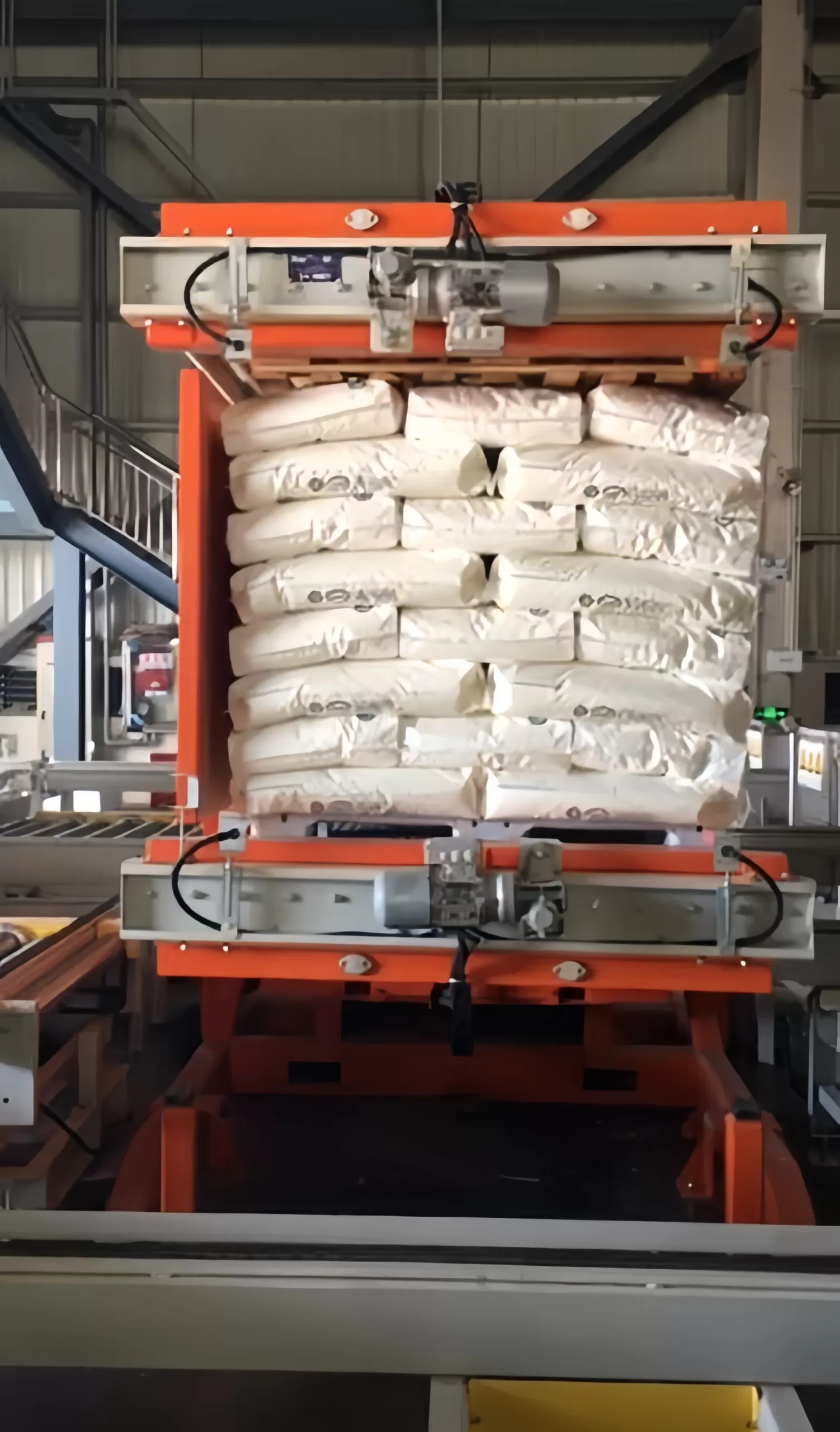
Automation, particularly with pallet flippers, can significantly cut costs in frozen food warehousing by reducing manual labor requirements, minimizing product damage and waste, and optimizing warehouse space. These systems streamline the pallet transfer process, leading to faster throughput, lower workers’ compensation claims due to enhanced safety, and reduced energy consumption through more efficient cold chain management. (warehouse automation benefits, cost savings cold storage, operational efficiency gains)

When I started FHOPEPACK, my vision was to help businesses achieve financial independence, just as I did through the packing machine industry. Part of that means finding smart ways to save money. I have seen countless companies transform their balance sheets by making strategic investments in automation. It is not just about replacing a worker; it is about making the entire operation smarter, faster, and more economical in the long run.
Here is how automation through pallet flippers can significantly cut costs in frozen food warehousing:
-
Reduced Labor Expenses:
- Fewer Personnel Needed: An automated pallet flipper can perform the work of multiple manual laborers, significantly reducing the number of staff required for pallet transfer tasks. This directly translates to lower wage bills, fewer benefits to provide, and reduced recruitment and training costs.
- Reallocation of Workforce: Instead of eliminating jobs, automation often allows businesses to reallocate their existing workforce to more complex, value-added tasks that require human decision-making and problem-solving, improving overall human resource utilization.
- Reduced Overtime: By increasing the speed and efficiency of pallet changes, automated systems can reduce the need for overtime hours, especially during peak seasons or for urgent shipments, further cutting labor-related expenses. (labor cost reduction, automated warehouse staff, workforce optimization)
-
Minimized Product Damage and Waste:
- Gentle Handling: Pallet flippers are engineered to handle products smoothly and consistently. This mechanical precision significantly reduces the risk of dropping, crushing, or otherwise damaging frozen meat products during transfer, leading to less waste and fewer write-offs.
- Consistent Cold Chain: Automated systems minimize the time products spend outside optimal temperatures. Quick and efficient transfers mean less exposure to ambient temperatures, helping maintain product quality, reduce spoilage, and extend shelf life, which directly impacts profitability.
- Error Reduction: Human error is a factor in manual processes. Automated systems perform tasks with high accuracy, reducing mistakes like incorrect stacking or incomplete transfers, which can lead to damaged goods or operational delays that cost money. (product loss prevention, cold chain integrity maintenance, error-proof handling)
-
Increased Operational Efficiency and Throughput:
- Faster Processing Times: Pallet flippers can complete a pallet change in a fraction of the time it takes manually. This accelerates the entire inbound and outbound logistics process, improving overall warehouse throughput and the speed of order fulfillment.
- Optimized Space Utilization: With efficient, consistent pallet handling, warehouses can better organize their inventory and potentially store more products in the same footprint. This can delay or avoid the need for expensive warehouse expansion.
- Predictable Operations: Automated systems provide consistent performance, allowing for better planning and scheduling of operations. This predictability helps avoid unexpected delays and ensures that deadlines are met, preventing potential fines or lost business. (warehouse throughput improvement, logistics efficiency, operational predictability)
-
Enhanced Safety and Reduced Liabilities:
- Lower Insurance Premiums: A safer workplace, with fewer manual handling accidents, often leads to lower workers’ compensation claims and potentially reduced insurance premiums over time. This is a direct financial benefit.
- Avoided Legal Costs: Reducing accidents also means avoiding costly legal battles, settlements, and compliance fines associated with workplace injuries. This protects the company’s financial health and reputation.
- Improved Employee Morale: A safer work environment leads to happier, more engaged employees, reducing turnover and the costs associated with constantly recruiting and training new staff. (workplace safety benefits, liability reduction, employee satisfaction)
Investing in automated pallet flippers is not just an expenditure; it is a strategic investment that yields tangible cost savings and contributes to the overall financial health and competitiveness of frozen food warehousing operations.
How Do Pallet Flippers Ensure Product Integrity in Frozen Meat Operations?
Are you worried about maintaining the perfect condition of your frozen meat products through every step of the logistics chain? The integrity of frozen goods, from their temperature to their packaging, is paramount for food safety and customer satisfaction. Traditional handling methods often fall short, posing risks to this delicate balance. How can you be certain your products arrive just as they left the production line? (frozen meat product integrity, food safety logistics, cold chain compliance)
Pallet flippers ensure product integrity in frozen meat operations by minimizing physical handling, which prevents damage to packaging and products. They maintain the cold chain by speeding up transfers, reducing exposure to ambient temperatures. Additionally, they facilitate hygienic pallet exchange by transferring goods from potentially contaminated shipping pallets to clean, food-grade internal or export pallets without direct human contact or product disturbance. (product damage prevention, hygienic pallet exchange, temperature control in cold chain)
My journey in the packing machine industry has taught me that the quality of the product arriving at the customer is everything. I have always pushed FHOPEPACK to develop machines that do more than just move things; they protect and preserve. For frozen meat, this means keeping it cold, clean, and intact. It is about trust and reputation, and a good pallet flipper is a key part of earning that trust.
Ensuring product integrity in frozen meat operations through the use of pallet flippers involves several critical aspects:
-
Protection Against Physical Damage:
- Gentle and Controlled Movements: Automated pallet flippers perform transfers with smooth, controlled motions, avoiding the jerks and impacts often associated with manual handling or conventional forklift operations. This significantly reduces the risk of crushing, denting, or tearing delicate frozen meat packaging.
- Stable Product Transfer: Products are held securely during the entire transfer process. Whether using clamping, pushing, or rotating mechanisms, the pallet flipper ensures that individual packages or entire stacks of frozen meat remain stable, preventing shifts or falls that could cause damage.
- Minimized Human Error: Automated systems eliminate the inconsistencies and potential for error that come with human intervention. The machine follows a precise, repeatable sequence, greatly reducing the chances of mishandling that could compromise product integrity. (packaging integrity, product protection, automated handling precision)
-
Maintaining the Cold Chain:
- Rapid Transfer Times: One of the most critical aspects of frozen meat logistics is minimizing exposure to ambient temperatures. Pallet flippers execute transfers quickly and efficiently, drastically reducing the time frozen products are outside their optimal cold environment, thus preventing temperature abuse.
- Consistent Temperature Control: By speeding up the process, automated solutions help ensure that products spend less time moving between temperature-controlled zones. This helps maintain a stable temperature throughout the transfer, which is vital for preserving the quality, texture, and safety of frozen meat.
- Reduced Thawing Risk: Every minute counts when dealing with frozen goods. Faster transfer means less opportunity for partial thawing and refreezing, which can degrade product quality, affect taste, and shorten shelf life. (cold chain maintenance, temperature stability, frozen food quality preservation)
-
Ensuring Hygienic Standards:
- Eliminating Cross-Contamination: Pallet flippers allow for the transfer of frozen meat products from an incoming, potentially dirty or non-food-grade pallet to a clean, hygienic internal or export-compliant pallet without direct human contact with the product or its primary packaging. This is crucial for preventing cross-contamination.
- Food-Grade Pallet Usage: Many regulations require food products to be shipped on specific food-grade pallets for hygiene reasons. Pallet flippers make it easy to switch products onto these compliant pallets, ensuring adherence to strict sanitary standards.
- Reduced Human Contact: By automating the transfer, the need for workers to directly handle individual frozen meat packages during pallet exchange is minimized. This reduces the risk of introducing contaminants from hands, clothing, or other sources into the food product environment. (food hygiene standards, cross-contamination prevention, food-grade pallet solutions)
Pallet flippers are not just about efficiency; they are fundamental tools for upholding the highest standards of product integrity in the challenging world of frozen meat packaging and logistics. They safeguard both the quality of the product and the reputation of the business.
Conclusion
Pallet flippers are essential tools for frozen meat packaging, addressing critical challenges from safety and diverse pallet needs to efficiency and cost. They secure product integrity, boost worker safety, and streamline operations in cold environments. For robust solutions, FHOPEPACK offers advanced pallet inverter systems, providing reliability and long-term partnership for your warehousing needs.












