
What benefits does a pallet inverter bring to electronics companies in terms of compliance?
The electronics industry moves at lightning speed. Keeping up means more than just innovation; it means navigating a complex web of regulations, safety standards, and customer demands. Are you feeling the pressure of diverse pallet requirements, the constant threat of product damage, or the critical need for workplace safety, all while trying to meet tight deadlines? These challenges, if not managed, can quickly turn into costly compliance issues, fines, and even lost business.
A pallet inverter offers significant compliance benefits to electronics companies by ensuring adherence to international shipping standards, protecting sensitive products, enhancing workplace safety, and meeting stringent customer and supply chain demands. By automating the pallet transfer process, these machines help companies avoid costly penalties, reduce product damage, prevent worker injuries, and maintain a competitive edge in a highly regulated global market.

From my years in the packing machine industry, I have seen these exact problems firsthand. I started as an employee, built my own factory, and now I want to share what I have learned. Let us dive deeper into how pallet inverters can be a game-changer for your electronics business when it comes to compliance.
How Do Pallet Inverters Ensure Compliance with International Shipping Standards for Electronics?
The global marketplace for electronics means products often cross borders. Do you find yourself struggling with different pallet types, such as Euro pallets, US pallets, or plastic pallets, for international shipments? This constant need to switch between various pallet standards can create huge bottlenecks. It also leads to expensive delays if your shipments do not meet the strict import rules of different countries.
Pallet inverters help electronics companies comply with international shipping standards by smoothly transitioning goods from one pallet type to another, ensuring that products are always on the correct pallet for their destination country. This process avoids customs delays, fines, and the need for costly manual re-palletizing. It is a key step for global logistics compliance.
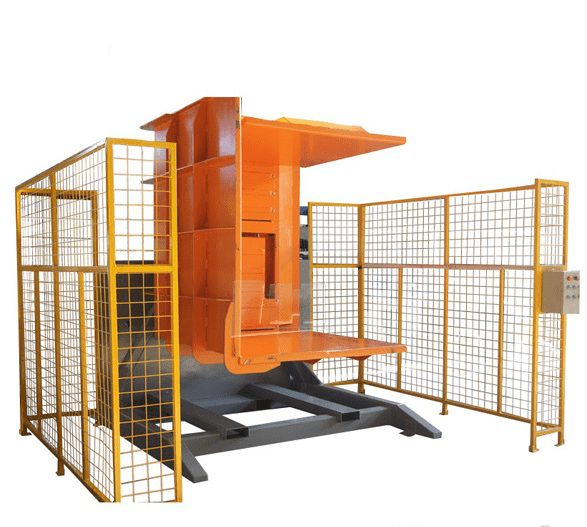
I have helped many clients navigate the complexities of international shipping. They often face headaches when a shipment arrives at customs only to be rejected because it is on the wrong pallet. This not only causes delays but also incurs penalties. A pallet inverter solves this by making the pallet exchange quick and easy.
1️⃣ Diverse Pallet Types and Regulations:
- Euro Pallets (EPAL): Common in Europe, they have specific dimensions (1200x800mm) and construction rules. Electronics shipped to Europe often must arrive on these.
- US Pallets (GMA): Standard in North America, they have different dimensions (48×40 inches). Products entering the US usually need these.
- ISPM 15 for Wood Pallets: Many countries require wooden pallets to be heat-treated or fumigated. This prevents the spread of pests. Pallet inverters let you switch from non-compliant wood pallets to compliant ones, or to plastic pallets, before international shipping. This avoids fumigation costs and delays.
- Plastic Pallets: Often preferred for electronics because they are cleaner, lighter, and exempt from ISPM 15 rules. They also do not shed wood dust, which can harm sensitive electronic components. Pallet inverters allow for an easy switch to plastic pallets for hygiene and regulatory reasons.
2️⃣ Seamless Transition:
- A pallet inverter lets you take a stack of electronics on one type of pallet and quickly transfer it to another. This means you can load products onto a standard pallet at your factory. Then, just before shipping, you can use the inverter to place them onto the correct destination-specific pallet. This happens without touching the product itself, keeping it safe.
3️⃣ Preventing Penalties and Delays:
- Customs authorities strictly enforce pallet regulations. Non-compliant pallets can lead to significant fines, seizure of goods, or mandatory re-palletizing at the border. These issues cause long delays in your supply chain. They also increase your shipping costs. A pallet inverter helps you avoid these problems. It ensures your shipments always meet the required standards. In my experience, even a few days of delay can make a big difference for electronics companies. Their products often have a short shelf life due to rapid technological changes.
4️⃣ Cost Savings:
- By automating the pallet exchange, you reduce the need for manual labor. This also lowers the risk of errors and damage during the switch. This saves money on labor costs, potential fines, and compensation for damaged goods. This efficient process helps keep your shipping costs predictable. It protects your profit margins.
Can Pallet Inverters Help Electronics Companies Maintain Product Integrity and Quality Compliance?
Electronics components and finished products are often delicate. They can be easily damaged by rough handling. Are you worried about product damage during pallet transfers, which could lead to expensive returns or even void warranties and quality certifications? Ensuring that every item arrives in perfect condition is not just good business; it is a critical part of maintaining quality compliance.
Pallet inverters help electronics companies maintain product integrity and quality compliance by offering a gentle, controlled method for transferring goods between pallets, significantly reducing the risk of damage, scratches, or contamination. This automated process ensures that sensitive electronic components and finished products remain in pristine condition, meeting strict quality control standards and customer expectations.
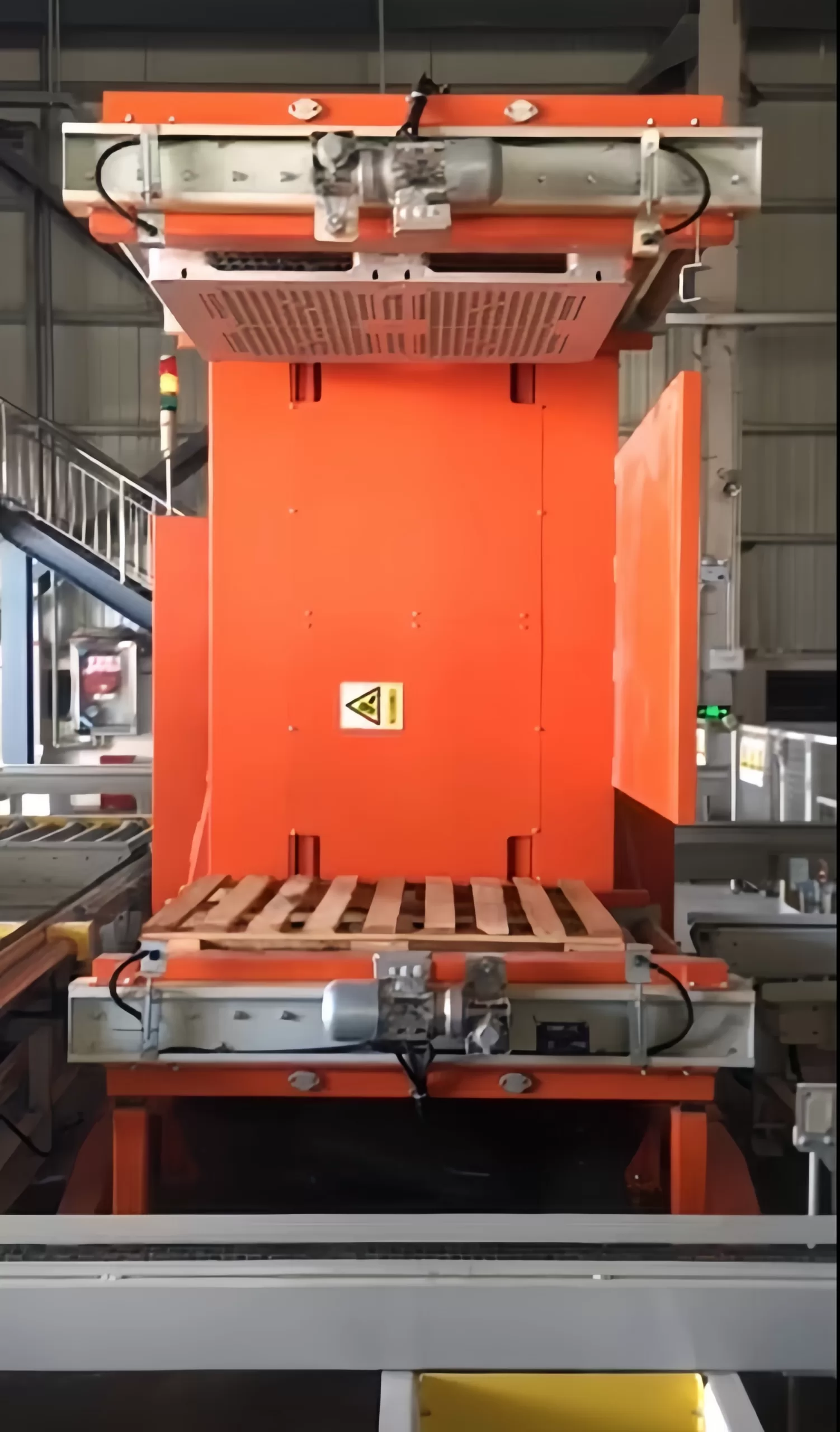
My journey in the packing machine industry taught me that even small bumps or drops can render expensive electronics useless. I learned early on that protecting the product during every step of handling is crucial. This is especially true for items like circuit boards, screens, or finished devices. They cannot withstand rough treatment.
1️⃣ Fragile Goods Handling:
- Electronics often contain sensitive parts. These include microchips, circuit boards, screens, and optical components. They are very fragile. Manual handling, especially during pallet changes, can easily lead to impacts, drops, or improper stacking. This causes hidden damage or visible cosmetic flaws. These issues compromise product quality.
2️⃣ Controlled, Gentle Process:
- A pallet inverter secures the load firmly before any movement. It then carefully rotates or transfers the goods. This minimizes vibration and shock. It reduces the chance of items shifting or falling. The entire process is smooth and predictable. This greatly reduces the risk of damage. It ensures products stay intact.
3️⃣ Contamination Control:
- Some electronic components require a clean environment. Wooden pallets can shed dust, splinters, or even carry pests. Switching to clean plastic or aluminum pallets using an inverter helps prevent contamination. This is vital for maintaining product purity and compliance with manufacturing standards for sensitive electronics.
4️⃣ Reducing Human Error:
- Manual pallet changes depend on human effort and precision. This introduces the risk of human error. A worker might drop a box, stack items incorrectly, or cause a sudden impact. Automation with a pallet inverter removes these variables. It ensures consistent, error-free handling every time.
5️⃣ Maintaining Quality Certifications:
- Many electronics companies hold certifications like ISO 9001 (Quality Management). These standards require careful control over product handling and storage. Using a pallet inverter shows a commitment to these quality control measures. It helps maintain the integrity of your quality management system. This ensures compliance.
Do Pallet Inverters Improve Workplace Safety and Regulatory Adherence in Electronics Logistics?
Manual handling of heavy pallets and goods poses significant risks to workers. Are you facing challenges with rising labor costs, a shortage of workers willing to do heavy lifting, or, more importantly, a concern for workplace accidents during pallet transfers? Every injury can lead to high compensation costs, lost productivity, and potential legal issues for not meeting safety regulations.
Pallet inverters drastically improve workplace safety and regulatory adherence in electronics logistics by eliminating the need for hazardous manual handling of heavy loads, thereby preventing strain injuries, crush accidents, and other common warehouse incidents. This automation helps companies comply with occupational health and safety standards, leading to a safer work environment and reduced insurance costs.

I have seen firsthand the severe accidents that can happen when workers try to manually flip or transfer heavy pallets. These incidents are not just costly in terms of money; they cause real pain and suffering. They also harm team morale. This is why I became a strong advocate for automation. My goal is to protect workers while also making operations more efficient.
1️⃣ Eliminating Manual Labor Risks:
- Back Injuries and Strains: Repeated lifting, twisting, and bending to move pallets or products causes chronic back pain and acute injuries. These are common in manual pallet handling.
- Crush Injuries: Manual pallet transfers carry a high risk of goods falling or pallets collapsing onto workers. This can cause severe crush injuries.
- Dropped Loads: Manually shifting products can lead to items being dropped. This not only damages the product but also creates a hazard for workers nearby.
2️⃣ Automated, Controlled Movement:
- A pallet inverter handles the entire transfer process mechanically. Workers simply load the pallet into the machine and activate it. The machine does the heavy lifting, rotating, or pushing. This means no direct physical contact with the heavy load. This greatly reduces the risk of injury.
3️⃣ Meeting Safety Standards:
- Regulatory bodies like OSHA (Occupational Safety and Health Administration) in the US, or similar local authorities globally, set strict guidelines for material handling. They aim to protect workers. Implementing automated pallet inverters shows a commitment to these standards. This helps avoid violations, fines, and legal action. It also creates a safer workplace.
4️⃣ Reducing Worker Turnover:
- Dangerous or physically demanding jobs often lead to high worker turnover. A safer work environment, where heavy lifting is minimized, attracts and retains talent. This is especially true for younger workers who may be less willing to take on high-risk manual tasks. This improves overall productivity and stability.
5️⃣ Lower Insurance and Compensation Costs:
- Fewer workplace accidents directly translate to lower workers’ compensation claims and reduced insurance premiums. This means significant cost savings for your company. It also avoids the indirect costs of lost work time, retraining new employees, and production slowdowns after an injury.
How Do Pallet Inverters Help Meet Customer and Supply Chain Compliance Requirements for Electronics Shipments?
In the fast-paced electronics industry, customer expectations for quick, accurate, and perfectly delivered orders are higher than ever. Are you constantly struggling to meet tight delivery schedules, prevent chargebacks from major retailers, or ensure specific packaging standards are met for each client? Failure to meet these demands can lead to contract penalties, customer dissatisfaction, and a damaged reputation.
Pallet inverters help electronics companies meet stringent customer and supply chain compliance requirements by speeding up pallet transfers, ensuring consistent packaging, and maintaining product integrity, which collectively leads to on-time deliveries and avoidance of costly contractual penalties. This efficiency and reliability are crucial for maintaining strong client relationships and a robust supply chain.
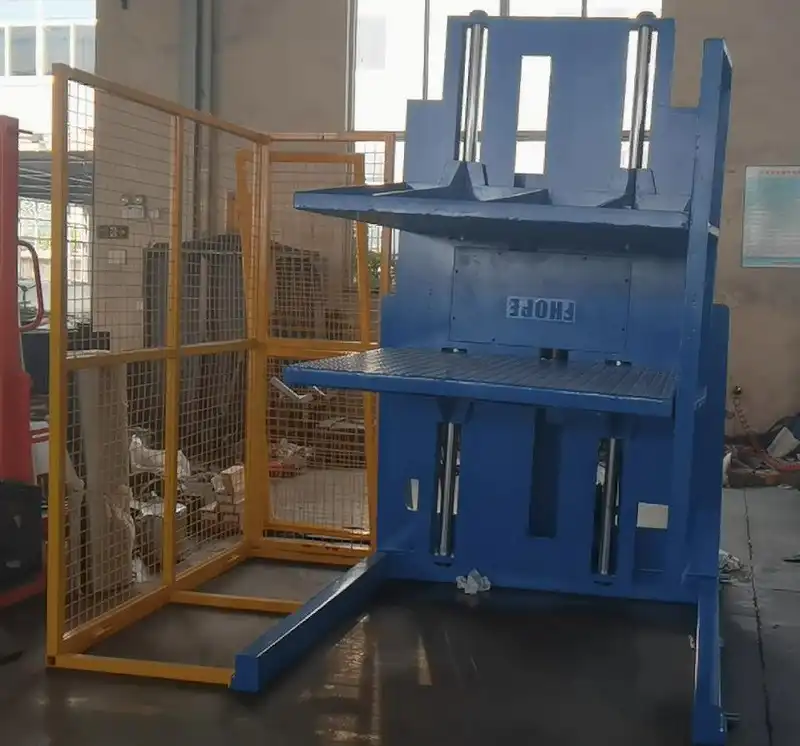
I have helped many of my clients grow their businesses, and a big part of that success comes from consistently meeting customer demands. Many electronics companies I worked with told me how a single missed deadline or a non-compliant shipment could cost them millions. This is why reliable systems are so critical. It ensures they keep their promises and their reputation.
1️⃣ Accelerated Throughput:
- E-commerce and retail customers demand faster delivery cycles. Manual pallet changing is slow and labor-intensive. An automated pallet inverter can complete a transfer in minutes, not hours. This drastically speeds up warehouse operations. It shortens order fulfillment times. It also helps meet strict “just-in-time” delivery schedules.
2️⃣ Avoiding Penalties and Chargebacks:
- Many large retailers and key customers have specific compliance rules for pallet types, product orientation, or packaging. If your shipment does not meet these exact specifications, it can result in significant chargebacks or penalties. A pallet inverter ensures you can quickly adapt to these varying demands. It prevents costly non-compliance fees.
3️⃣ Enhanced Traceability:
- A streamlined, automated pallet changing process allows for better tracking of goods. When manual handling is reduced, the risk of misplacing items or errors in inventory becomes lower. This improved control supports better traceability. This is often a key compliance requirement for electronics, especially for high-value components.
4️⃣ Customer Satisfaction:
- Ultimately, meeting all these compliance requirements translates into happy customers. Products arrive on time, in perfect condition, and on the correct pallet. This builds trust and strengthens business relationships. For a business, this means repeat orders and a strong reputation in the market.
5️⃣ Supply Chain Resilience:
- A reliable pallet changing system makes your supply chain more robust. It reduces the impact of labor shortages or unexpected demands. This ensures your operations remain compliant and efficient even under pressure. This is very important in the volatile global electronics market.
Conclusion
Pallet inverters offer electronics companies crucial compliance benefits. They help meet international shipping standards, protect product integrity, improve workplace safety, and fulfill strict customer demands. By investing in a reliable pallet inverter, businesses can avoid costly penalties, reduce damage, enhance safety, and maintain a competitive edge. It is a smart move for any electronics company focused on efficiency and compliance.








