
What benefits coil wrapping machine brings to Argentina’s automotive suppliers?
The automotive industry in Argentina is dynamic and demanding. Many suppliers there face a constant struggle: keeping up with production while managing high costs and ensuring worker safety. I have seen this challenge many times during my career. Manual coil packing methods often create big bottlenecks. These bottlenecks slow down the whole process and eat into profits.
Coil wrapping machines bring many benefits to Argentina’s automotive suppliers. They boost efficiency by automating slow manual tasks. They also increase worker safety by removing the need for heavy lifting. These machines help reduce product damage during transit. Furthermore, they offer a clear return on investment through lower labor costs and improved product quality.

You might be wondering if these machines are truly a game-changer for your operations. Let’s dive deeper into how automating your coil packing can transform your factory. We will look at specific benefits for your business in Argentina.
1. Why is Manual Coil Packing a Bottleneck for Argentine Automotive Suppliers?
Do your production lines often slow down at the very end, right before products ship out? This is a common problem in many factories. Many automotive suppliers in Argentina still rely on manual packing for their coils and wire products. This method is often slow and inefficient. It creates big bottlenecks that impact overall production and delivery times.
Manual coil packing is a major bottleneck because it is slow, labor-intensive, and prone to human error, which directly impacts the speed and reliability of the entire supply chain for Argentine automotive parts.

In my experience, I have seen first-hand how manual processes can hold back an entire factory. For automotive suppliers, speed and precision are critical. Just-in-time (JIT) delivery is common. Any delay in packing means a delay in the entire supply chain. This can lead to missed deadlines and unhappy customers. Manual packing requires many workers. These workers must lift heavy coils and apply wrapping materials by hand. This process is physically demanding. It also takes a lot of time. Workers tire quickly. This often leads to inconsistent packing quality and slower speeds as the day progresses. The automotive sector demands high volumes. Manual methods simply cannot keep up with this demand efficiently. They become a choke point. This prevents the factory from reaching its full output potential. My journey from a factory employee to establishing my own successful packing machine factory taught me that bottlenecks are profit killers. Automation is the key to unlocking true efficiency.
Impact of Manual Packing on Production Flow
Manual coil packing impacts the production flow in several ways. These effects are especially noticeable in the fast-paced automotive industry.
- Slow Throughput: Each coil takes a set amount of time to pack by hand. This time adds up quickly. With high production volumes, the packing area cannot process coils fast enough. This causes a backlog.
- Labor Dependency: Relying on many workers for packing means your output depends on their availability and speed. Absenteeism or worker fatigue can directly reduce daily output.
- Inconsistent Quality: Human packers might apply wrapping with varying tension or overlap. This leads to inconsistent package quality. Poorly wrapped coils are more likely to get damaged during transport. This adds another layer of inefficiency.
- Space Requirements: Manual packing often needs a larger staging area. Workers need space to move around coils and materials. Automated systems often have a smaller footprint for the same output.
Manual vs. Automated Packing: A Comparison
Let us look at a direct comparison between manual and automated coil packing. This helps us understand the true cost of inefficiencies.
| Feature | Manual Coil Packing | Automated Coil Wrapping Machine |
|---|---|---|
| Speed | Slow, depends on worker speed and endurance | Fast, consistent, high throughput capabilities |
| Labor Cost | High, requires multiple operators per shift | Low, requires minimal supervision |
| Consistency | Variable, prone to human error | High, uniform wrapping tension and overlap |
| Safety | Low, high risk of injury from heavy lifting | High, reduces manual handling of heavy objects |
| Product Damage | Higher risk due to inconsistent handling and wrapping | Lower risk, precise and gentle handling, secure wrapping |
| Operating Hours | Limited by human shifts and fatigue | Can operate continuously for longer periods |
This table clearly shows that manual processes fall short. They cannot meet the demands of modern automotive suppliers. These suppliers need speed, consistency, and cost-effectiveness.
2. How Can Coil Wrapping Machines Boost Safety and Reduce Risks in Argentine Factories?
Are you concerned about your workers’ safety, especially when they handle heavy items? The manual handling of steel coils and wire products presents significant safety risks in factories. These risks can lead to serious injuries. They can also result in high insurance costs and staff turnover. This creates a difficult situation for operations managers like Michael Chen.
Coil wrapping machines greatly boost safety by removing the need for manual handling of heavy coils. This reduces the risk of back injuries, strains, and other accidents for workers in Argentine factories. Machines perform the repetitive and dangerous tasks. This makes the workplace much safer.

When I started my career on the factory floor, I saw many workers struggle with heavy lifting. I also saw the injuries that sometimes happened. This is why I always emphasize safety in packing machine design. In the metal processing industry, coils can weigh hundreds or even thousands of kilograms. Moving and securing these items by hand is incredibly dangerous. Workers are at risk of crushing injuries, strains, and falls. These accidents are not just a human cost. They also bring financial burdens. Workers’ compensation claims, lost productivity, and the need for new staff all add up. An automated coil wrapping machine takes over these dangerous tasks. It handles the heavy coils using mechanical systems. This allows workers to supervise the process from a safe distance. This shift from manual labor to machine operation is a fundamental improvement. It makes the factory a much safer place for everyone. My experience setting up my own factory confirmed this. Prioritizing safety through automation not only protects people but also stabilizes your workforce.
Common Safety Hazards in Manual Coil Handling
Manual coil handling involves several serious safety hazards. These hazards affect workers daily.
- Musculoskeletal Injuries: Lifting and manipulating heavy, awkward coils puts immense strain on workers’ backs, shoulders, and knees. This often leads to chronic pain and debilitating injuries.
- Crushing Accidents: Coils can be unstable. If they are not handled correctly, they can roll or tip over. This poses a severe crushing risk to anyone nearby.
- Pinch Points: Manual wrapping involves reaching around coils. This creates pinch points where hands or fingers can get caught between the coil and other surfaces.
- Fatigue-Related Errors: Repetitive, strenuous tasks cause worker fatigue. Tired workers are more likely to make mistakes. These mistakes can lead to accidents.
How Coil Wrapping Machines Eliminate These Risks
Automated coil wrapping machines are designed to operate without direct human intervention in dangerous areas. They use specific features to enhance safety.
- Reduced Direct Contact: Workers do not need to physically lift or rotate the coils. The machine loads, wraps, and often unloads the coils automatically.
- Automated Handling Systems: Integrated conveyors, cradles, and grippers handle the coils. These systems are stable and controlled. They minimize the risk of coils falling or shifting unexpectedly.
- Ergonomic Work Environment: Operators manage the machine from a control panel. This panel is in a safe, ergonomic position. They avoid strenuous movements or close proximity to heavy machinery in motion.
- Consistent Operation: Machines perform tasks with precision and repeatability. This removes the variability and human error associated with manual, fatigued work.
By integrating coil wrapping machines, factories can achieve a dramatic reduction in workplace accidents. This leads to a healthier workforce and lower operational costs related to safety incidents.
3. Can Automated Wrapping Improve Product Quality and Customer Satisfaction for Suppliers in Argentina?
Are you tired of hearing about damaged products, especially coil edges, during internal transfer or shipping? This can lead to customer complaints and lost profits. In a competitive market like the automotive supply chain, product quality is key to maintaining customer trust. Inconsistent manual packing often leaves products vulnerable to damage.
Automated coil wrapping machines significantly improve product quality by providing consistent, secure, and protective packaging. This reduces product damage during handling and transport. As a result, Argentine automotive suppliers experience fewer customer complaints and higher customer satisfaction. This directly protects their reputation and profit margins.
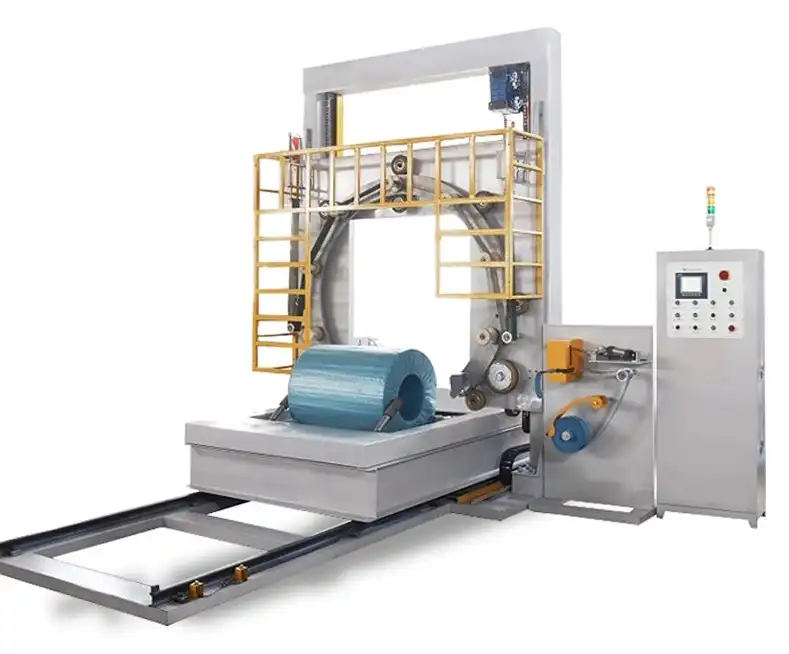
From my perspective, quality is not just about the product itself. It is also about how the product arrives at the customer’s door. I have seen many cases where perfectly good coils left the factory. However, they arrived at the client’s site with damaged edges or scratched surfaces. This was all due to poor packing. Manual packing is often inconsistent. It might not apply wrapping material with uniform tension or overlap. This leaves parts of the coil exposed or poorly protected. For automotive suppliers, even small imperfections can lead to rejection or significant deductions. Customers in the automotive sector have very high standards. They expect materials to arrive in pristine condition. An automated coil wrapping machine provides a much higher level of protection. It wraps coils tightly and uniformly. It protects critical areas like edges. This ensures the product is secure from the moment it leaves your production line until it reaches your customer. This attention to detail builds customer loyalty. It also reduces costly returns and rework.
How Manual Packing Leads to Product Damage
Several factors in manual packing contribute to product damage. These factors often go unnoticed until a complaint arrives.
- Inconsistent Wrapping Tension: Workers may apply the wrapping material too loosely or too tightly. Loose wrapping offers poor protection. Overly tight wrapping can sometimes dent or scratch softer materials.
- Incomplete Coverage: It is hard to ensure perfect overlap and full coverage by hand. Gaps in the wrapping expose parts of the coil to dust, moisture, or impact.
- Human Handling Errors: During the manual process of moving and securing coils for wrapping, accidental bumps or drops can occur. These cause edge damage or surface abrasions.
- Lack of Uniformity: Each worker might have a slightly different method. This leads to variations in how coils are packed. This inconsistency means some coils are better protected than others.
How Automated Wrapping Ensures Superior Protection
Automated coil wrapping machines use advanced technology to provide consistent and superior protection.
- Precise Tension Control: Machines apply wrapping material at a precisely controlled tension. This ensures a snug fit without being too tight or too loose.
- Consistent Overlap and Coverage: The machine follows a programmed path. This ensures uniform overlap of wrapping material across the entire coil surface. This eliminates gaps and weak spots.
- Gentle and Secure Handling: Coils are loaded and rotated mechanically. This process is smooth and controlled. It avoids the rough handling that can cause damage.
- Integrated Protection Layers: Some machines can apply multiple layers of protection. This includes rust-inhibiting films or edge protectors. This adds extra security against specific types of damage.
- Reduced Exposure to Elements: Once wrapped, coils are immediately protected. This minimizes their exposure to environmental factors like humidity, which can lead to corrosion.
By ensuring every coil is wrapped to the same high standard, automated systems significantly reduce product damage. This directly translates to higher customer satisfaction and a stronger reputation for quality.
4. What is the True ROI of Investing in Coil Wrapping Technology for Argentina’s Automotive Sector?
Are you hesitant about the upfront cost of new equipment, even though you need better efficiency and safety? Many factory managers, including Michael Chen, face pressure to control costs. They must also show a clear return on any investment. It is natural to question the financial benefits of big machinery purchases.
Investing in coil wrapping technology offers a very clear return on investment (ROI) for Argentina’s automotive sector. This ROI comes from substantial reductions in labor costs, significant decreases in product damage, and increased overall production throughput. These factors combine to boost the factory’s profitability and competitive edge.
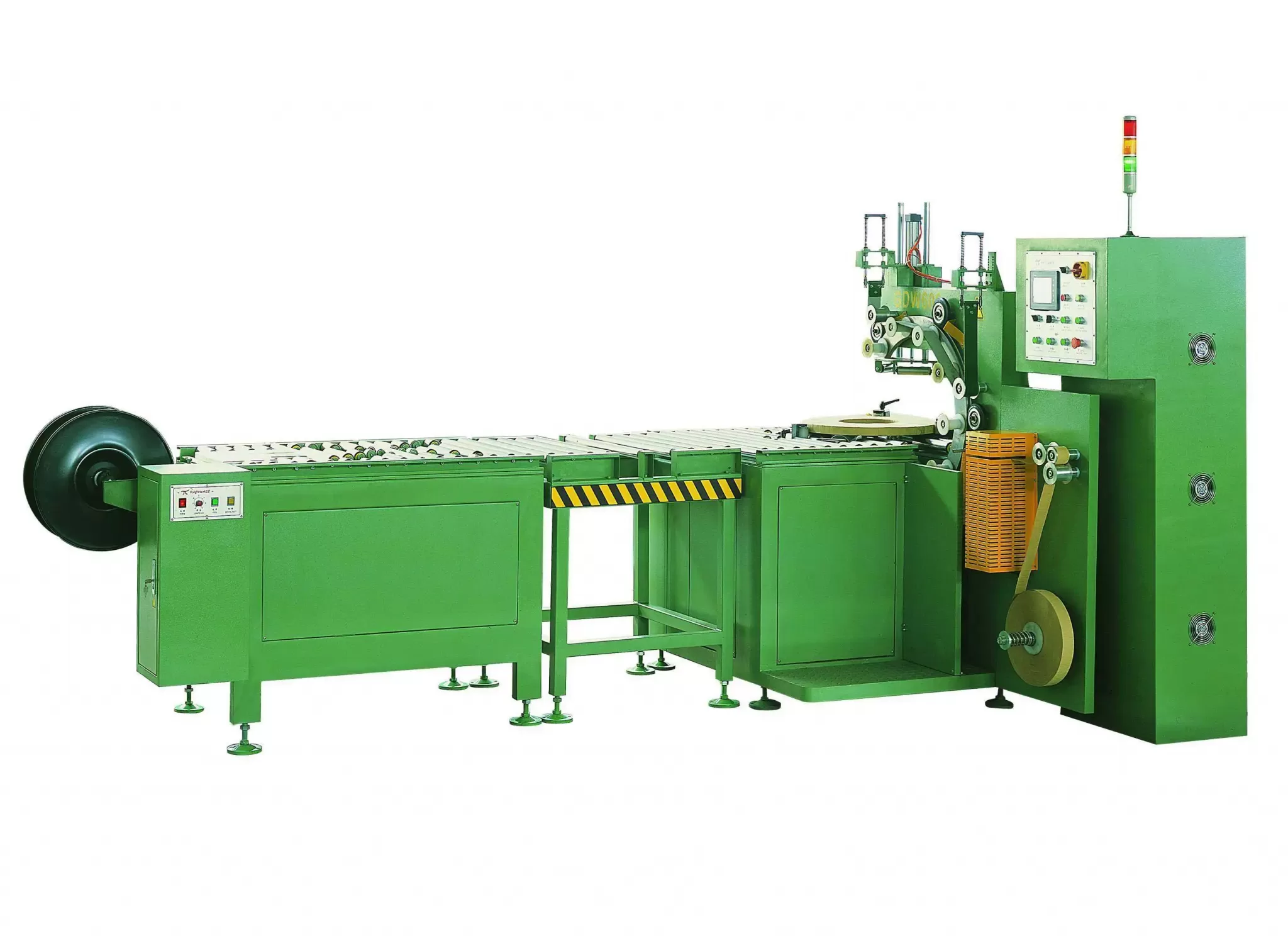
When I founded FHOPEPACK, I knew that any solution we offered had to make financial sense for our clients. It is not just about selling a machine; it is about solving a business problem and improving the bottom line. For automotive suppliers in Argentina, the ROI of a coil wrapping machine goes beyond simple cost savings. It is a strategic investment. This investment helps them stay competitive in a demanding global market. Michael Chen, for instance, needs to reduce labor costs and product loss. He also needs to boost efficiency. An automated system directly addresses all these goals. It does this by requiring fewer people to operate. It also produces consistently high-quality packages. This reduces rejections and claims. My experience running my own factory taught me that smart investments in technology always pay off. They pay off not just in direct savings but also in improved reputation and capacity for growth. The numbers often speak for themselves. The initial cost might seem high, but the long-term benefits far outweigh it.
Key Components of ROI from Coil Wrapping Machines
The return on investment for a coil wrapping machine comes from various areas of savings and gains.
-
Labor Cost Reduction:
- One machine can do the work of several manual packers.
- This reduces the number of workers needed for packing.
- It also frees up existing staff for other tasks.
- This leads to direct savings in wages, benefits, and training costs.
-
Reduced Product Loss and Damage:
- Automated, consistent wrapping protects coils better.
- Fewer damaged coils mean fewer rejections from customers.
- This reduces the cost of rework, scrap material, and customer compensation.
- Improved quality also enhances the company’s reputation.
-
Increased Throughput and Production Capacity:
- Machines work faster and more consistently than humans.
- They can operate for longer hours without fatigue.
- This removes packing as a bottleneck.
- It allows the factory to produce and ship more coils in less time.
- This increased capacity can lead to more sales and market share.
-
Lower Insurance and Safety Costs:
- Fewer workplace injuries mean lower workers’ compensation claims.
- It also leads to reduced insurance premiums over time.
- A safer workplace means less staff turnover and higher morale.
-
Material Savings:
- Automated systems use wrapping material efficiently.
- They minimize waste from inconsistent manual application.
- Precise tension control can sometimes allow for thinner, yet equally effective, wrapping materials.
Calculating Potential ROI: A Simple Example
Let us consider a simplified example for an Argentine automotive supplier.
Assume:
- Manual Packing Cost: 3 workers x 8 hours/day x $5/hour = $120/day in labor.
- Automated Machine Operating Cost: 1 operator x 8 hours/day x $5/hour (supervision) + $10 (electricity/maintenance) = $50/day.
- Daily Labor Savings: $120 – $50 = $70/day.
- Annual Labor Savings: $70/day x 250 operating days = $17,500/year.
- Estimated Product Damage Reduction: (Assume 2% of annual production value of $1,000,000 is lost to damage manually) $20,000/year. Automated system reduces this by 50% = $10,000/year savings.
- Total Annual Savings (Labor + Damage): $17,500 + $10,000 = $27,500/year.
- Machine Cost: (Hypothetical) $80,000.
- Payback Period: $80,000 / $27,500 per year ≈ 2.9 years.
This simple calculation shows a payback period of less than three years. This does not even include benefits from increased throughput, improved customer satisfaction, or long-term safety savings. The investment quickly pays for itself. Then it continues to generate profits.
Conclusion
Coil wrapping machines offer essential benefits for Argentina’s automotive suppliers. They improve efficiency, boost safety, enhance product quality, and deliver a strong return on investment. This helps businesses like Michael Chen’s thrive.








