
How Argentina Exporters Use Coil Wrapping Machines to Reduce Coil Damage in Transit?
Shipping coils, especially steel or wire, across borders is a big challenge. As someone who has spent years in the packing machine industry, starting from the factory floor to building my own successful business, I have seen first-hand the headaches that damaged goods can cause. Imagine your carefully produced coils arriving at their destination with dents, scratches, or even moisture damage. This means unhappy customers, costly returns, and a big hit to your reputation. For exporters in Argentina, where products travel long distances, this problem is even bigger. You are not just moving metal; you are moving your business’s future.
Coil wrapping machines are a game-changer for Argentina’s exporters because they create a robust, consistent, and all-around protective barrier for coils. This stops physical damage from impacts, protects against rust and moisture, and secures the coil during handling and long transit times, directly reducing the significant losses caused by shipping damage.
This is not just about a machine; it is about protecting your hard work and ensuring your products arrive in perfect condition. Let’s look deeper into how these smart solutions can transform the way you export. I want to share insights that come from my own journey, understanding the real-world problems factory managers face every day.
1. Why is Coil Damage a Major Problem for Exporters?
Imagine your factory floor. You have worked hard to produce high-quality steel coils or wire. But then, during the journey to your customer, something goes wrong. This is a common story I hear from many factory managers, like Michael Chen, who oversee huge operations. The problem of damaged coils during transit is not just an annoyance. It is a very real threat to your business.
Coil damage during transit causes big financial losses, harms your brand reputation, and makes your customers unhappy. This is because current manual handling methods are slow and risky, leading to common issues like edge impacts, surface abrasions, and moisture infiltration that degrade product quality.
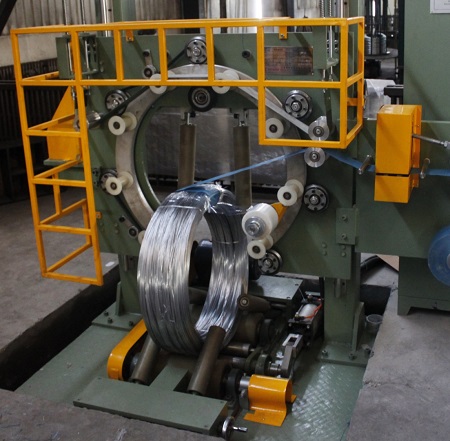
From my own experience, when I was managing operations, I saw how easily product quality could be compromised after leaving the production line. A small dent on a coil’s edge can make the whole coil unusable for certain applications. For Argentine exporters, whose goods often travel across oceans, these risks are even higher. The journey is long, and the conditions can be harsh. This makes a strong and reliable packaging solution essential.
The Hidden Costs of Poor Packaging
When I talk about costs, I am not just talking about the price of a damaged coil. There are many other hidden costs that quickly add up.
Direct Financial Losses
- Replacement Costs: If a coil is damaged, you might need to send a new one. This means more production, more materials, and more shipping costs.
- Scrap and Rework: Damaged coils often end up as scrap. Or they need expensive rework. Both options eat into your profits.
- Shipping Insurance: Higher damage rates can lead to higher insurance premiums.
Reputation Damage
- Customer Dissatisfaction: When customers receive damaged goods, they lose trust in your company. They might look for other suppliers.
- Lost Business: A bad reputation can lead to fewer future orders. This is a very serious problem for long-term growth.
Operational Inefficiencies
- Claim Processing: Dealing with damage claims takes time and resources. Your team spends time on paperwork instead of productive tasks.
- Supply Chain Delays: Replacing damaged goods means delays in your supply chain. This can mess up your customer’s production schedules too.
I remember once, early in my career, we shipped a batch of steel wire that arrived with significant surface rust because the packaging failed. The client was furious. We had to replace the entire order, which cost us not only money but also a major client relationship. This taught me a valuable lesson: good packaging is an investment, not an expense. It directly affects your bottom line and your ability to keep customers happy. For factory managers like Michael, these are the daily pressures. He needs solutions that fix these core problems.
2. How Do Coil Wrapping Machines Actively Prevent Transit Damage?
The question is, how exactly does a coil wrapping machine work its magic? It is not just about putting some film around a coil. It is a precise process designed to build a strong protective layer. From my own years designing and setting up packing lines, I have learned that the best solutions are simple but effective. This machine focuses on creating a consistent, tight wrap that tackles the main causes of damage head-on.
Coil wrapping machines prevent transit damage by applying multiple layers of stretch film and often other protective materials like VCI paper, creating a tight, uniform, and water-resistant barrier. This comprehensive wrap immobilizes the coil, absorbs impacts, and protects against moisture and corrosion, which are common causes of damage during long-distance shipping.
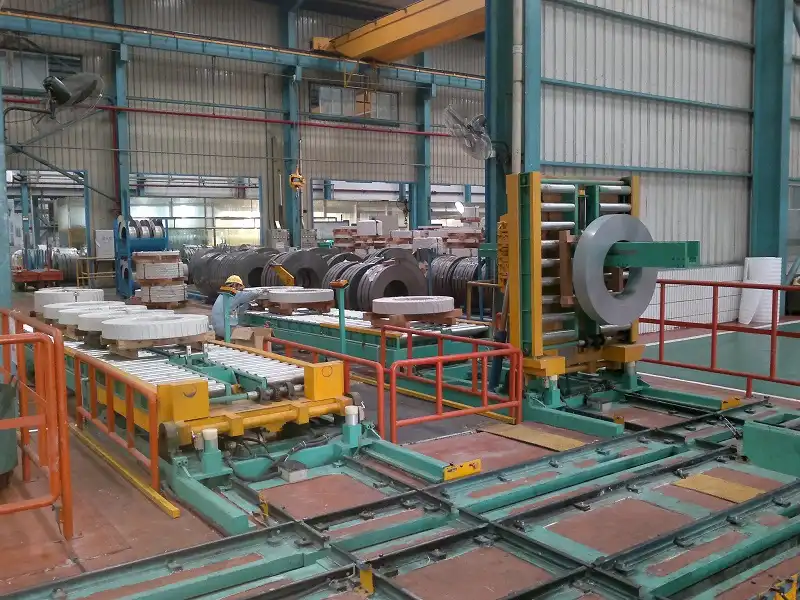
Think about the journey an Argentine exporter’s coil takes: from the factory, onto a truck, perhaps to a port, then onto a ship, and finally another truck to the customer. Each step is a chance for damage. Manual wrapping simply cannot match the consistency and strength of a machine. The machine ensures that every part of the coil is equally protected, minimizing weak spots.
Key Mechanisms of Protection
Let’s break down how these machines provide such good protection.
2.1 Uniform and Tight Wrapping
- Consistent Tension: The machine applies stretch film with constant tension. This makes sure the wrap is tight and even around the entire coil. A tight wrap prevents the coil layers from shifting, which can cause internal damage or deformation.
- Full Coverage: Unlike manual methods that might miss spots or have uneven layers, a machine ensures every part of the coil surface is covered. This means no exposed edges or surfaces are vulnerable to impact or abrasion.
2.2 Material Layering for Enhanced Defense
- Stretch Film: This is the primary protective layer. It creates a physical barrier against scratches, dust, and minor impacts. It also helps to keep the coil stable.
- VCI (Volatile Corrosion Inhibitor) Paper: For metal coils, rust is a huge problem. VCI paper releases chemical compounds that create a protective atmosphere inside the packaging. This stops corrosion, even in humid conditions. This is vital for long sea voyages.
- Other Options: Some machines can add edge protectors or inner wrapping materials for even more specialized protection, depending on the coil type and customer needs.
2.3 Securing and Stabilizing the Load
- Immobilization: A well-wrapped coil is essentially locked into its packaging. This stops it from moving around too much during transport. Less movement means less chance of hitting other coils or the sides of the truck/container.
- Moisture Barrier: The multiple layers of stretch film create a strong barrier against rain, humidity, and condensation. This is critical for preventing water damage and rust, especially in varied climates or sea freight.
When I started FHOPEPACK, one of our first big projects involved a client who was constantly dealing with rust issues on their exported steel wire coils. They were using a basic manual wrap. We introduced a coil wrapping machine that integrated VCI paper and a tight stretch film wrap. The results were immediate: damage claims dropped by over 80%. This was not just about packaging; it was about saving their business money and keeping their customers happy. This is the kind of real impact these machines have.
3. What Are the Broader Benefits for Coil Exporters?
When we talk about coil wrapping machines, it is easy to focus only on damage reduction. But from my experience, the benefits go much wider than that. For factory managers like Michael Chen, who is always looking to improve operations and boost profits, these machines offer a complete solution. They are not just a cost; they are a smart investment that pays back in many ways.
Beyond just preventing damage, coil wrapping machines bring significant operational advantages to exporters. They drastically improve production efficiency by automating a slow manual task, enhance worker safety by reducing heavy lifting risks, and lead to substantial cost savings through lower labor needs and reduced product loss, ultimately boosting profitability and ensuring faster delivery times.
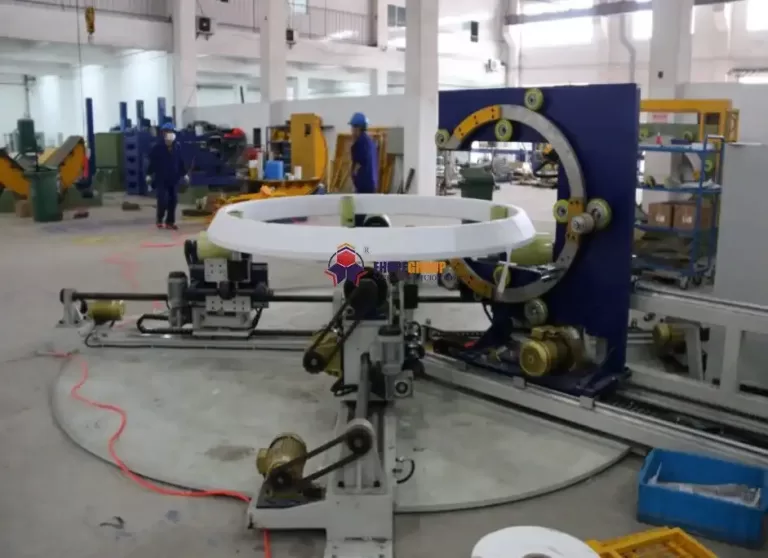
I have seen countless factories where the packing area was a bottleneck. Piles of finished coils waited to be manually wrapped, slowing down the entire operation. This is where automation steps in. When I built my own factory, I prioritized automation because I understood that efficiency in one area frees up the whole line. For an Argentine exporter, this means getting products out the door faster and more reliably.
A Closer Look at Comprehensive Advantages
Let’s break down these broader benefits in detail.
3.1 Boosting Efficiency and Throughput
- Speed: Machines can wrap coils much faster and more consistently than manual workers. This speeds up your end-of-line process.
- Consistency: Every coil gets the same high-quality wrap. This removes human error and ensures every package meets your standards.
- Reduced Bottlenecks: Automating wrapping means coils move smoothly from production to shipping, preventing delays.
3.2 Enhancing Worker Safety
- Less Manual Handling: Workers no longer need to manually lift, rotate, or struggle with heavy, awkward coils to wrap them. This is a huge benefit for safety.
- Lower Injury Risk: Fewer manual tasks mean fewer strains, cuts, and serious accidents. For Michael, who faces high injury risks, this is crucial. This can also lower insurance costs and worker turnover.
- Ergonomic Workplace: The machine does the dangerous, repetitive work, making the packing area a safer place for your employees.
3.3 Driving Down Costs and Improving ROI
- Reduced Labor Costs: One machine can do the work of several people. This frees up your workforce for other, more skilled tasks, or allows you to reduce your labor costs over time.
- Material Optimization: Machines use stretch film more efficiently, with less waste, compared to manual wrapping. They apply just the right amount needed.
- Lower Product Damage: As we discussed, less damage means fewer replacements, less scrap, and fewer customer complaints. This directly saves money.
Consider this simple comparison table for a moment:
| Feature | Manual Coil Wrapping | Automated Coil Wrapping Machine |
|---|---|---|
| Speed | Slow, varies by worker | Fast, consistent output |
| Consistency | Inconsistent, prone to human error | Highly consistent, uniform wrap |
| Safety | High risk of injury (lifting, straining) | Very low risk (machine does heavy work) |
| Material Use | Often wasteful, inconsistent | Optimized, efficient use |
| Labor Needs | High, multiple workers | Low, one or two operators |
| Damage Rate | Higher due to inconsistencies/errors | Significantly lower due to robust wrap |
| Overall Cost | High (labor, damage, rework) | Lower over time (ROI) |
When I founded FHOPEPACK, I knew that every factory manager wants to see a clear return on their investment. It is not enough to just buy a machine; it must solve problems and save money. For an Argentine exporter, this means being more competitive in the global market. Reducing costs and ensuring product quality allows you to offer better prices or higher margins. This is about making your business stronger.
4. How Can Exporters Choose the Right Coil Wrapping Machine and Partner?
Choosing a coil wrapping machine is a big decision. It is not just about picking something from a catalog. For factory managers like Michael Chen, who have faced issues with unreliable suppliers in the past, finding the right partner is just as important as finding the right machine. My journey from an employee to a factory owner taught me that true partnership means understanding the customer’s problems and providing long-term solutions.
To choose the right coil wrapping machine, exporters must first clearly define their specific coil dimensions, production volume, and material needs. Then, it is crucial to find a reliable supplier who offers customization, strong after-sales support, and proven expertise in the packing machine industry, ensuring the investment truly solves your unique operational challenges.
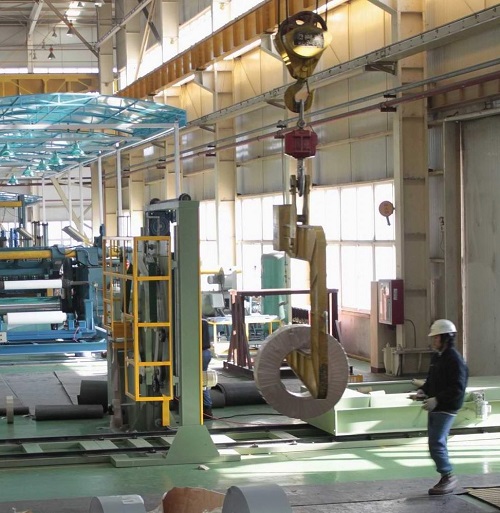
I have seen many companies invest in equipment that did not quite fit their needs because they rushed the decision or worked with a supplier focused only on making a sale. This leads to frustration, lost money, and continued operational problems. For an Argentine exporter, this is a risk you cannot afford. You need a machine that works perfectly for your coils, your production line, and your export routes.
Steps to Making an Informed Decision
Here are some key factors I always advise my clients to consider.
4.1 Understand Your Specific Needs
- Coil Dimensions: What are the exact outer diameter, inner diameter, and width of your coils? Machines come in different sizes, and a mismatch can be costly.
- Coil Weight: How heavy are your coils? This affects the machine’s robust construction and handling capabilities.
- Production Volume: How many coils do you need to wrap per hour or day? This determines the required speed and level of automation.
- Wrapping Material: Do you need just stretch film? Or VCI paper? Perhaps special anti-corrosion films? Your product and destination climate will guide this.
- Handling Method: Will coils be loaded by crane, forklift, or conveyor? The machine’s design needs to match your material handling system.
4.2 Look for a Knowledgeable and Reliable Partner
- Industry Expertise: Does the supplier truly understand your industry? Have they worked with similar products or in similar export markets? Randal Liu’s background, for example, comes directly from the packing machine factory floor and ownership. This kind of deep knowledge is priceless.
- Customization Options: Off-the-shelf solutions do not always fit. Can the supplier customize the machine to your exact requirements? This could be for unique coil sizes, specific safety features, or integration with existing lines.
- After-Sales Support: This is where many suppliers fail, as Michael Chen experienced. What kind of installation, training, maintenance, and spare parts support do they offer? A machine is only as good as its uptime.
- Proven Track Record: Ask for references or case studies. See if they have helped other businesses succeed.
4.3 Focus on Long-Term Value and ROI
- Total Cost of Ownership: Look beyond the initial purchase price. Consider running costs, maintenance, and the expected lifespan of the machine.
- Return on Investment (ROI): Can the supplier help you calculate the ROI? How quickly will the machine pay for itself through labor savings, reduced damage, and increased efficiency? This is critical for making a business case.
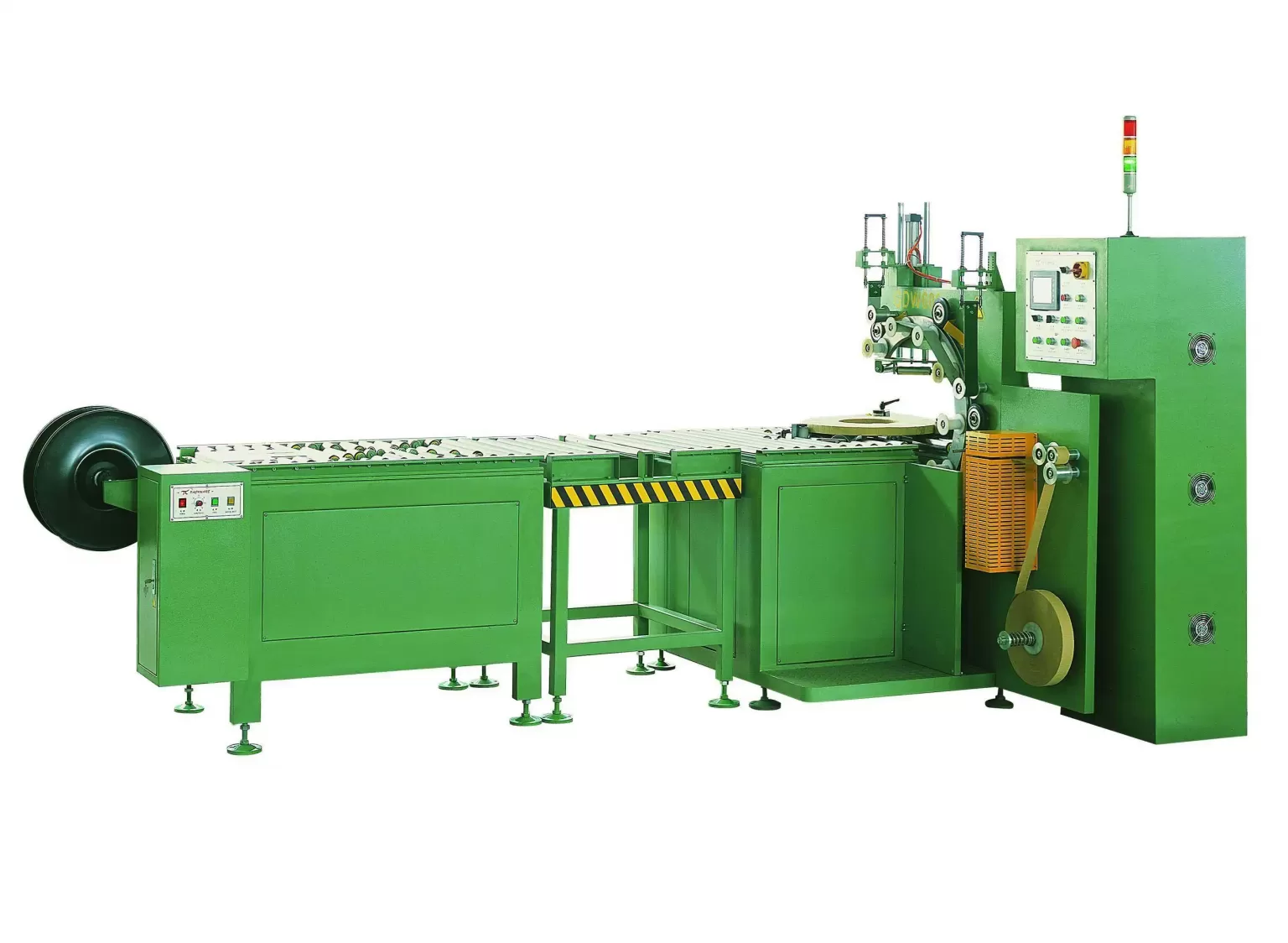
When I advise clients, I often tell them to think of me not just as a machine seller, but as a consultant. I share my own experiences of setting up efficient packing lines and dealing with production bottlenecks. This perspective helps ensure that the machine they choose is truly the best fit for their operation and will help them achieve their business goals, just as it helped me achieve financial independence and grow my clients’ businesses. It is about building a lasting partnership that supports your growth.
Conclusion
Coil wrapping machines offer Argentina’s exporters a powerful solution to significantly reduce transit damage, improve operational efficiency, and boost worker safety. By investing in the right machine and a knowledgeable partner, businesses can protect their products, enhance their reputation, and secure a stronger position in the global market.








