
What Are the Supply Chain Management Strategies for Steel Coil Packing?
In the robust world of steel manufacturing and distribution, ensuring products reach their destination in prime condition is paramount. Effective supply chain management for steel coils hinges significantly on the packing strategies employed. These strategies are not merely about containment; they are about optimizing logistics, minimizing damage, reducing costs, and enhancing overall delivery efficiency. The right approach to steel coil packing can transform operational workflows and contribute significantly to a streamlined and profitable supply chain.
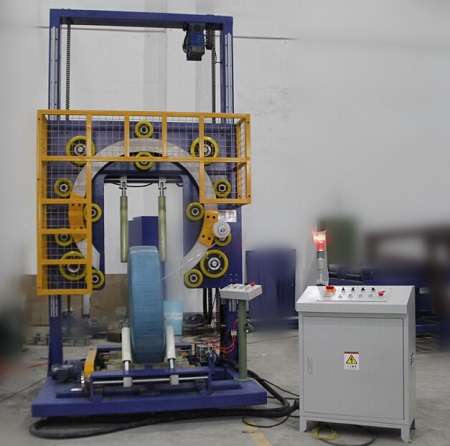
Supply chain management strategies for steel coil packing encompass several key approaches, including automation, material optimization, and standardized processes. Implementing coil wrapping machines automates the packaging line, boosting speed and consistency. Choosing durable, weather-resistant packing materials protects coils from environmental damage during transit. Standardizing packing procedures ensures uniform quality and facilitates efficient handling and storage, collectively enhancing logistics and reducing potential losses from damage or delays.

To truly understand the impact of strategic steel coil packing, we need to delve deeper into specific methodologies. Let’s explore how optimizing packing processes can revolutionize your supply chain, starting with enhancing delivery efficiency.
Optimizing Steel Coil Packing for Enhanced Delivery Efficiency
In today’s fast-paced industrial landscape, delivery efficiency isn’t just a bonus—it’s a necessity. For steel manufacturers and distributors, timely and damage-free delivery of steel coils is crucial for maintaining customer satisfaction and operational continuity. Optimized steel coil packing plays a pivotal role in achieving superior delivery performance within the [Collection] supply chain.
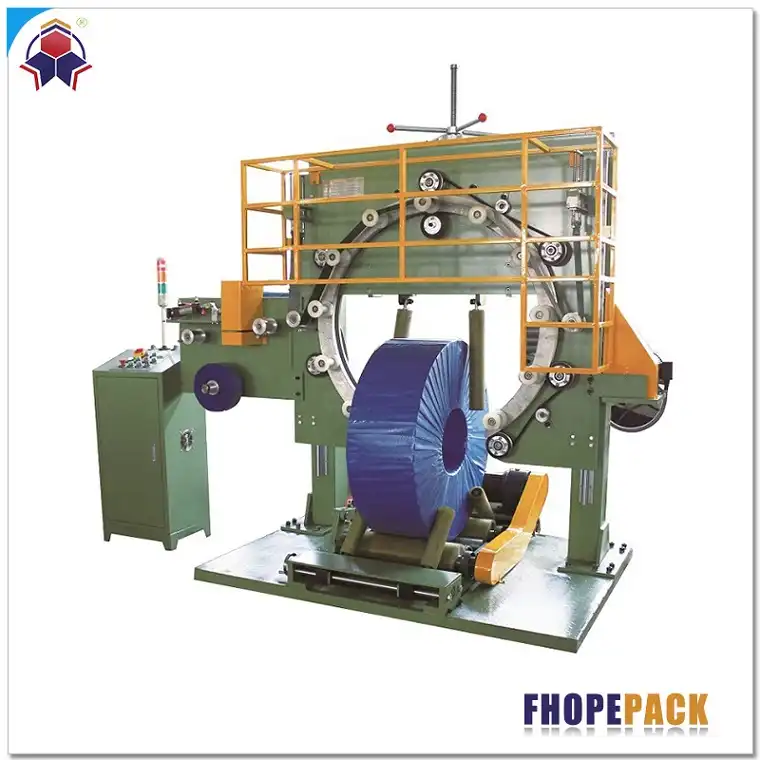
Strategies to enhance delivery efficiency through optimized steel coil packing are multifaceted, focusing on speed, protection, and streamlined handling. Automated coil wrapping machines significantly accelerate the packing process, reducing manual labor and wrapping time per coil from minutes to seconds. Employing robust packing materials and techniques minimizes transit damage, ensuring coils arrive in perfect condition and preventing costly returns or replacements. Furthermore, standardized packing dimensions and secure wrapping facilitate easier and faster loading, unloading, and storage, directly translating to quicker turnaround times and improved delivery schedules. These combined efforts dramatically enhance the overall efficiency of steel coil delivery operations.
The Critical Aspects of Efficient Steel Coil Packing: A Detailed Breakdown
To truly optimize steel coil packing for delivery efficiency, we need to break down the critical elements and understand how each contributes to the overall goal. It’s not just about wrapping coils faster; it’s about a holistic approach that considers materials, processes, and integration with broader logistics. Let’s dissect these aspects to gain a clearer picture.
Material Selection for Optimal Protection and Speed
The choice of packing materials directly influences both the protection offered to the steel coils and the speed of the packing process. Using substandard materials might lead to faster initial wrapping but can result in damage during transit, causing delays and increased handling. Conversely, materials that are overly complex to apply can slow down the packing line. The ideal material strikes a balance.
- Durability: Materials must withstand the rigors of shipping, including vibrations, impacts, and varying weather conditions. Waterproof and tear-resistant films are essential.
- Application Speed: Materials designed for easy and rapid application, especially in automated systems, are crucial for maximizing throughput.
- Weight and Volume: Lighter and thinner yet strong materials can reduce overall package weight and volume, potentially lowering transportation costs and speeding up handling.
Streamlined Wrapping Techniques and Automation
Manual wrapping is often time-consuming and inconsistent, introducing bottlenecks and potential errors. Automating the wrapping process with coil wrapping machines addresses these challenges head-on.
- Automated Coil Wrapping Machines: These machines ensure consistent wrapping tension and coverage, minimizing material waste and maximizing protection in a fraction of the time compared to manual methods.
- Consistent Wrapping Patterns: Programmable machines can apply optimized wrapping patterns tailored to coil size and weight, ensuring secure and efficient packing every time.
- Integration with Conveyor Systems: Seamless integration with conveyor belts and robotic arms further speeds up the process, creating a continuous flow from production to dispatch.
Standardized Packing Procedures for Faster Handling
Standardization is key to efficiency in any logistics operation. In steel coil packing, standardized procedures translate to quicker handling, loading, and unloading.
- Uniform Dimensions: Packing coils to consistent dimensions, where feasible, simplifies storage and loading processes, allowing for better space utilization in warehouses and transport vehicles.
- Clear Labeling and Identification: Standardized labeling with barcodes and QR codes enables rapid scanning and tracking, reducing errors and delays in sorting and dispatch.
- Optimized Palletization: Consistent and secure palletization of wrapped coils ensures stability during handling and transport, minimizing the risk of shifting or damage and speeding up forklift operations.
By focusing on material selection, embracing automation, and implementing standardized procedures, businesses can significantly enhance the delivery efficiency of their steel coil supply chain. The table below illustrates the comparative benefits of manual versus automated wrapping in enhancing delivery efficiency:
| Aspect | Manual Wrapping | Automated Wrapping | Impact on Delivery Efficiency |
|---|---|---|---|
| Wrapping Time | 10-15 minutes per coil | 1-2 minutes per coil | Significantly faster |
| Consistency | Variable, prone to errors | High, uniform wrapping | Reduced damage, fewer delays |
| Labor Requirement | 2-3 workers per station | 1 operator per machine | Faster throughput, less downtime |
| Loading/Unloading | Slower, potentially uneven | Faster, standardized units | Quicker turnaround times |
| Damage Rate | Higher | Lower | Fewer returns, satisfied customers |
Cost Reduction Strategies in Steel Coil Packing
While delivery efficiency is critical, cost-effectiveness is equally vital for a sustainable supply chain. Steel coil packing, often perceived as a necessary expense, can be transformed into a significant area for cost savings through strategic optimization. By implementing smart packing strategies, businesses can drastically reduce operational expenditures without compromising product integrity.
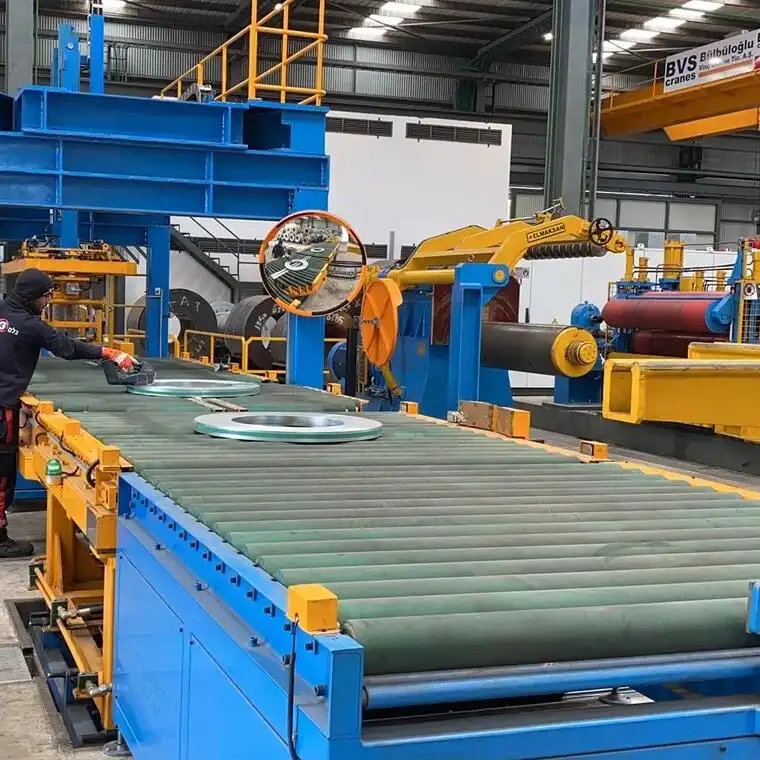
Cost reduction in steel coil packing is achieved through optimizing material usage, minimizing labor costs, and decreasing damage-related expenses. Automated coil wrapping machines precisely control film tension and overlap, reducing material waste by up to 30% compared to manual wrapping. Automation also drastically lowers labor requirements, needing only one operator per machine instead of multiple workers for manual lines. Furthermore, consistent and secure automated packing significantly minimizes transit damage, reducing costs associated with product replacements, returns, and insurance claims. These combined savings contribute to a substantial decrease in overall operational costs within the steel coil supply chain.
Deep Dive into Cost-Saving Techniques for Steel Coil Packaging
To unlock substantial cost savings in steel coil packaging, a detailed examination of specific techniques and areas of improvement is necessary. It’s about moving beyond simply using cheaper materials and focusing on intelligent strategies that reduce waste, optimize resources, and enhance long-term profitability.
Material Optimization: Doing More with Less
Material costs are a significant component of packaging expenses. Optimizing material usage without sacrificing protection is a key strategy for cost reduction.
- Pre-Stretch Film Technology: Modern coil wrapping machines utilize pre-stretch technology, which stretches the wrapping film before application. This can reduce film consumption by 20-40% while maintaining or even improving wrapping strength.
- Right-Gauge Film Selection: Choosing the appropriate film gauge (thickness) for the coil’s weight and handling requirements prevents over-packaging. Using excessively thick film when not needed is a needless expense.
- Material Waste Reduction Programs: Implementing programs to monitor and reduce material waste, such as tracking film usage per coil and identifying areas for improvement in wrapping patterns or machine settings, can yield significant savings.
Labor Cost Minimization Through Automation
Labor costs associated with manual packing are substantial and can be significantly reduced through automation.
- Reduced Manpower: Automated coil wrapping machines require significantly less manual labor. One operator can oversee multiple machines, freeing up personnel for other value-added tasks.
- Increased Throughput: Automation dramatically increases packing speed, allowing for higher throughput with the same or even reduced labor force, lowering per-unit labor costs.
- Ergonomics and Safety: Automation reduces physically demanding manual wrapping tasks, decreasing the risk of worker injuries and associated costs like insurance premiums and lost productivity.
Damage Reduction: Preventing Downstream Costs
Product damage during transit is a hidden cost that can significantly impact profitability. Effective packing minimizes this risk, leading to substantial savings.
- Consistent Protection: Automated wrapping provides consistent and reliable protection, reducing the likelihood of damage from handling, shifting loads, and environmental factors.
- Reduced Replacement and Return Costs: Minimizing damage directly translates to fewer product replacements, returns, and associated reverse logistics costs.
- Lower Insurance Premiums: A demonstrable reduction in damage rates through optimized packing can lead to lower insurance premiums for goods in transit.
By strategically implementing material optimization, embracing automation to minimize labor costs, and focusing on damage reduction, businesses can achieve significant and sustainable cost savings in their steel coil packing operations. The following table illustrates potential cost savings achievable through automation compared to manual wrapping:
| Cost Factor | Manual Wrapping | Automated Wrapping | Potential Savings |
|---|---|---|---|
| Labor Costs | High | Low | Significant |
| Material Waste | 10-15% | 2-5% | Substantial |
| Damage Rate | 5-10% | Less than 1% | Very High |
| Maintenance | Frequent | Minimal | Moderate |
| Overall Packing Cost | High | Low | Significant |
Ensuring Product Quality and Safety Through Effective Steel Coil Packing
Beyond efficiency and cost, maintaining product quality and ensuring workplace safety are paramount. Effective steel coil packing is not just about getting coils shipped; it’s about ensuring they arrive in pristine condition and that the packing process itself is safe for workers. Strategic packing plays a vital role in upholding both product quality and operational safety standards.
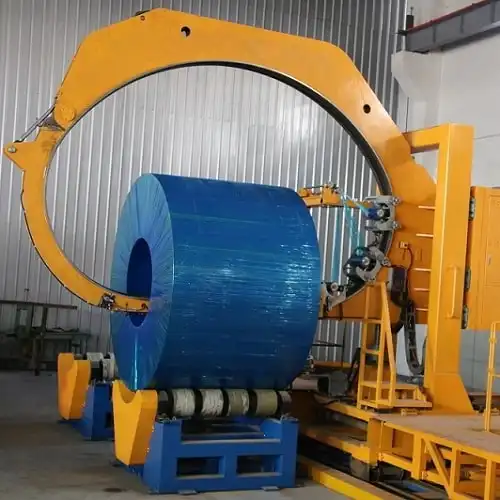
Effective steel coil packing ensures product quality by providing consistent and reliable protection against damage during handling and transit. This includes preventing scratches, dents, corrosion, and other forms of degradation that can compromise the coil’s integrity. Safety is enhanced by automating heavy lifting and repetitive tasks, reducing the risk of worker injuries from manual handling of coils. Coil wrapping machines are equipped with safety features like emergency stops and sensors, further minimizing workplace accidents. By prioritizing both product protection and worker safety, optimized steel coil packing contributes to a higher quality product reaching the customer and a safer, more productive work environment.
Comprehensive Guide to Steel Coil Packing for Quality and Safety
Achieving both superior product quality and enhanced safety in steel coil packing requires a comprehensive approach that integrates best practices in material handling, automation, and safety protocols. Let’s explore a detailed guide to achieving these critical objectives.
Best Practices for Maintaining Steel Coil Quality During Packing
Maintaining the inherent quality of steel coils throughout the packing and transit process is crucial. This requires careful consideration of wrapping techniques and environmental protection.
- Uniform Tension Control: Consistent wrapping tension, achievable through automated machines, prevents loose wrapping that can lead to scratches or shifting during transit. It also avoids over-tightening, which can damage delicate coil surfaces.
- Multi-Layer Wrapping for Enhanced Protection: For coils requiring extra protection, multi-layer wrapping provides an additional barrier against moisture, dust, and physical impacts.
- Edge Protection Application: Applying edge protectors, especially for coils with sensitive edges, prevents damage from strapping or handling, maintaining coil integrity.
- Weather-Resistant Wrapping Materials: Utilizing waterproof and UV-resistant wrapping films protects coils from environmental elements, preventing rust and degradation, particularly during outdoor storage or sea freight.
Safety Protocols and Automation for a Secure Workplace
Worker safety is paramount in steel coil handling and packing. Automation and robust safety protocols are essential for minimizing risks.
- Automated Coil Handling and Lifting: Coil wrapping machines automate the heavy lifting and rotation of steel coils, eliminating the most hazardous manual handling tasks and reducing the risk of back injuries and strains.
- Emergency Stop Mechanisms and Safety Sensors: Modern machines are equipped with emergency stop buttons and safety sensors that immediately halt operation if an obstruction or hazard is detected, preventing accidents.
- Ergonomic Machine Design: Machines designed with ergonomics in mind ensure operator comfort and reduce fatigue, minimizing human error and promoting a safer working environment.
- Comprehensive Safety Training Programs: Providing thorough training to operators on machine operation, safety procedures, and emergency protocols is crucial for preventing accidents and ensuring safe working practices.
Comparative Impact of Packing Methods on Quality and Safety
The table below highlights the comparative impact of manual versus automated steel coil packing methods on product quality and workplace safety:
| Aspect | Manual Wrapping | Automated Wrapping | Impact on Quality & Safety |
|---|---|---|---|
| Wrapping Consistency | Variable, human error | Uniform, machine precision | Higher product quality |
| Damage Protection | Less reliable | More reliable | Reduced damage, fewer defects |
| Manual Handling | High, hazardous | Low, automated lifting | Safer workplace |
| Ergonomics | Poor, repetitive strain | Improved machine design | Reduced worker fatigue |
| Safety Features | Limited | Advanced sensors, stops | Enhanced safety compliance |
The Role of Technology in Modern Steel Coil Packing
Technology is no longer just an enhancement in supply chain management—it’s a fundamental driver of progress. In steel coil packing, advanced technologies are revolutionizing processes, pushing the boundaries of efficiency, quality, and sustainability. From automation to digital twins, technology is reshaping how steel coils are packed and delivered.
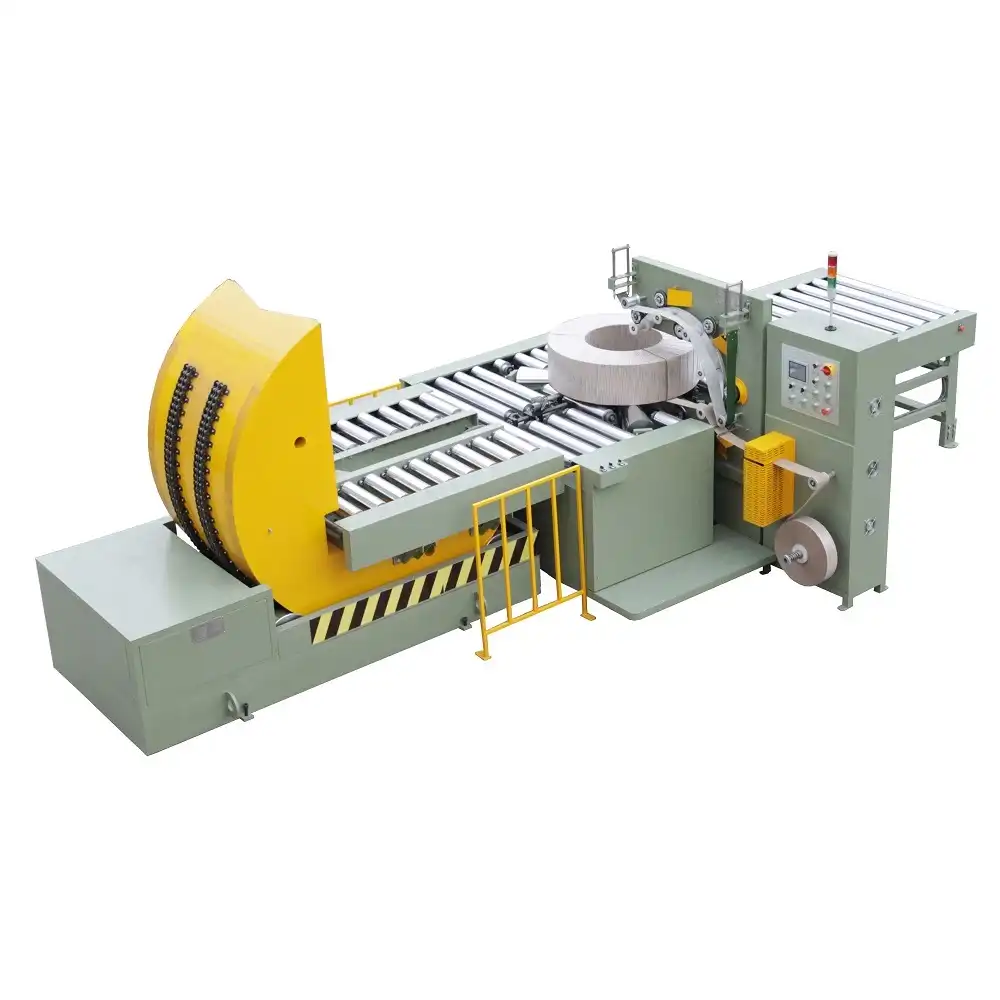
Modern steel coil packing leverages automation, IoT, and digital twin technologies to optimize operations. Automated coil wrapping machines increase speed and consistency, while IoT sensors provide real-time data for monitoring packing line performance and coil condition. Digital twins, virtual representations of the packing process, enable simulation and optimization of packing strategies before physical implementation, leading to more efficient and resilient supply chains. These technologies collectively contribute to smarter, faster, and more cost-effective steel coil packing operations.
The integration of technology into steel coil packing is transforming the industry, driving efficiency, sustainability, and resilience. As businesses continue to embrace these innovations, the future of steel coil supply chains promises to be increasingly optimized and technologically advanced.
Conclusion
Strategic supply chain management for steel coil packing is far more than a mere logistical detail; it’s a critical lever for enhancing efficiency, reducing costs, ensuring quality, and promoting safety. By embracing optimized packing strategies, particularly through automation and intelligent material management, businesses can transform their steel coil supply chains from potential bottlenecks into engines of operational excellence. Investing in the right packing solutions is not just about protecting steel coils—it’s about fortifying the entire supply chain for a more resilient, profitable, and sustainable future.








