
Slit Coil Packing Line in Italy: What Technology Ensures Higher Output Quality?
Steel coil production is a demanding business. If you manage a packing workshop, you know the pressure. Inconsistent packaging, slow lines, and constant rework can quickly eat into profits and damage customer trust. This is a common challenge for steel mills, especially when shipping to markets like Italy, where quality standards are very high. I have seen many factories struggle with this, and it always comes down to the same core issue: relying on outdated methods.
Achieving higher output quality in a slit coil packing line, especially for demanding markets like Italy, relies on integrating advanced automation. This includes technologies such as automatic tension control for wrapping, precision strapping systems with various material options, smart material handling, and sophisticated quality control features like automated labeling and inspection. These systems work together to ensure consistent, secure, and compliant packaging, reducing errors and increasing throughput.

My journey in the packing machine industry, from a factory employee to founding FHOPEPACK, has shown me that the right technology makes all the difference. We are not just selling machines; we offer solutions that solve real-world problems for businesses like yours. So, let us explore the specific technologies that make this higher output quality possible.
Why is consistent packaging quality so hard to achieve manually?
Imagine your team trying to manually wrap hundreds of tons of steel coils every day. The work is physically exhausting. It is nearly impossible for people to keep the same speed and tension on every single wrap. This leads to common problems. Film might be too loose or too tight, straps may not be perfectly centered, or they could even loosen during transit. This inconsistency causes quality issues and customer complaints.
Achieving consistent packaging quality manually is difficult because human operators cannot maintain the precise, uniform tension and positioning required for every coil, especially under high-volume and physically demanding conditions. This often results in uneven wrapping, loose strapping, and varying packaging aesthetics, which do not meet strict quality standards.
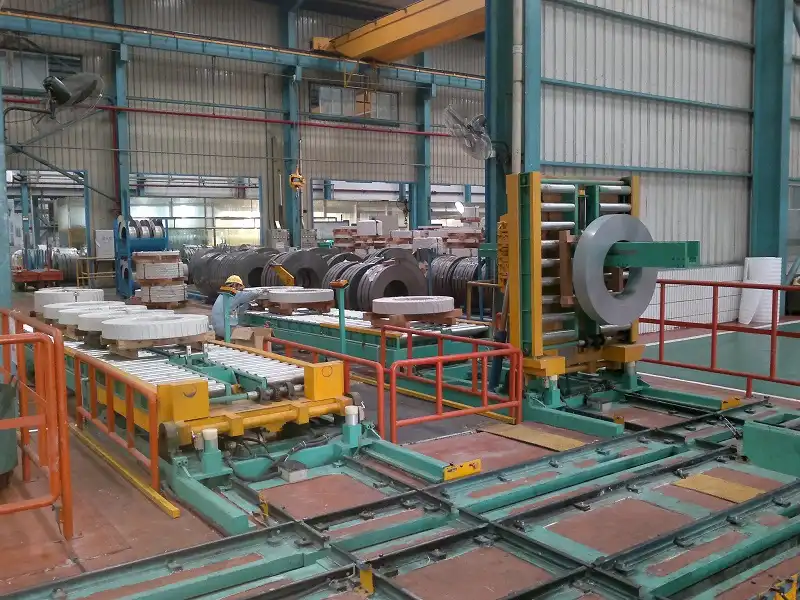
I have seen firsthand how these manual challenges impact a business. When I started my factory, I knew we needed to focus on engineering solutions that brought consistency. This is where automation truly shines. A machine does not get tired. It does not make human errors. It follows programmed parameters precisely, every single time. This is key for high-volume production.
Here is how modern technology addresses these consistency issues:
1. ⚙️ Automatic Tension Control for Wrapping
- The Problem: Manual wrapping often has inconsistent film tension. Too little tension means the film is loose and offers poor protection. Too much tension can damage the coil edges or break the film.
- The Solution: Automated wrapping machines use sophisticated sensors and control systems. These systems continuously monitor and adjust the film tension. They ensure an even, tight wrap around the entire coil. This protects against moisture, dust, and scratches. The film stays secure even during long transit times. This automatic control is vital for materials like cold rolled, galvanized, and color-coated coils, which all need precise protection. It makes sure that every coil gets the same high level of protection, reducing the risk of damage. It also stops film waste from overstretching or breaking. This level of precision is impossible to achieve with human hands alone. It guarantees a consistent quality finish for every product.
2. 🎛️ Precision Strapping Systems
- The Problem: Manual strapping can be slow. Workers might not apply the straps in the correct positions or with enough force. This leads to loose bundles. These can shift during transport. Also, manual application of steel or PET straps is dangerous work. It increases the risk of injuries.
- The Solution: Automated strapping machines apply straps with consistent tension and in exact positions. They use programmed patterns to secure the coil effectively. Whether you use PET straps for lighter loads or steel straps for heavy coils, the machine handles it with precision. These systems ensure that straps are tight and well-placed. This stops the coil from unwinding or moving during shipment. Many systems also offer multiple strapping heads. This speeds up the process. It allows for different strapping patterns, depending on the coil size and weight. This precision is a major step up from manual work. It guarantees a strong and safe package. It also reduces the need for human interaction with heavy coils.
3. 🎯 Automated Centering and Positioning
- The Problem: Manually placing coils onto a packing line or ensuring they are perfectly centered for wrapping and strapping takes time. It also requires heavy lifting equipment. This can be slow and dangerous. Misaligned coils lead to poor packaging results.
- The Solution: Modern packing lines use automated conveyor systems and centering devices. These systems use sensors to detect the coil’s position. They then automatically move it into the correct place. This ensures that wrapping and strapping are applied uniformly around the coil. It reduces manual handling. This means less risk of worker injury. It also speeds up the entire packing process. The automatic centering works with various coil diameters and weights, from 1 to 3 tons. This adaptability is key for factories with diverse product lines. It guarantees that every coil is ready for perfect packaging.
How do advanced packing lines handle diverse coil types and strict export needs?
Modern steel mills produce a wide range of coils. They make cold rolled, galvanized, and color-coated products. Each one has its own specific packing requirements. On top of that, international customers, especially those in markets like Italy, demand specific certifications and robust anti-corrosion protection. Manual systems struggle with this variety. Switching between different packaging styles can be slow. It often involves a lot of manual adjustment. This leads to bottlenecks and errors.
Advanced packing lines handle diverse coil types and strict export needs by offering highly flexible, modular designs with programmable packaging recipes. They integrate automatic material selection, precise application of specialized films for moisture/rust protection, and automated labeling for compliance, ensuring each coil meets specific client and regulatory standards, from cold rolled to color-coated products.
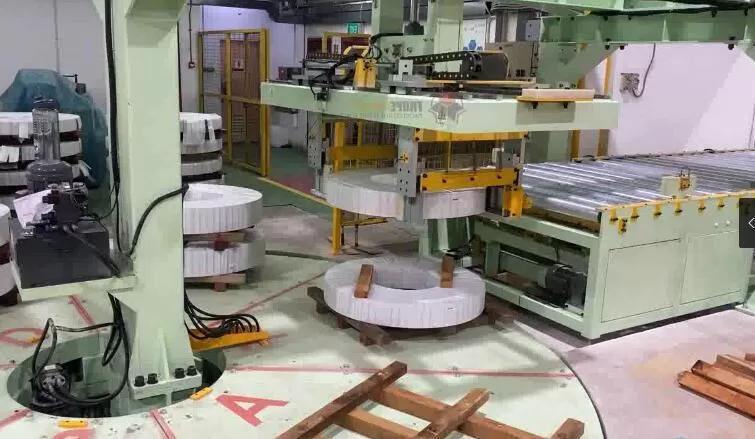
When I designed packing solutions, I always kept flexibility in mind. I knew that a single-purpose machine would not be enough for most clients. The market changes fast. Customers expect more. My clients need systems that can adapt quickly. This adaptability means they can meet new demands without costly downtime or major reconfigurations. It is about building a system that grows with your business.
Let us look at how technology addresses these complex requirements:
1. 📋 Programmable Packing Recipes for Product Diversity
- The Problem: Switching between different coil types (e.g., cold rolled, galvanized, color-coated) manually is time-consuming. It involves changing materials, adjusting machine settings, and often re-calibrating. This slows down production. It also increases the chance of human error. Each coil type needs a specific approach to prevent damage.
- The Solution: Advanced packing lines use a central control system with programmable “recipes.” Operators can select the coil type from a touchscreen. The machine then automatically adjusts its parameters. It changes film type, tension, strapping pattern, and other settings. This means you can pack a cold rolled coil with anti-rust paper and stretch film. Then, you can pack a color-coated coil with a protective film and PET strapping immediately after. This flexibility is crucial for high-mix, low-volume production. It ensures that each product gets the exact protection it needs. It also minimizes manual intervention and setup time. This capability is what truly makes a packing line versatile. It gives factories the ability to respond to diverse customer orders with ease.
2. 🛡️ Advanced Anti-Corrosion and Protection Features
- The Problem: Steel coils are sensitive to moisture and rust. Manual application of VCI paper or specialized anti-corrosion films is inconsistent. It often leaves gaps. This compromises the product’s integrity during storage or long-distance shipping, especially for exports. Scratching is also a big concern for finished surfaces.
- The Solution: Automated systems can integrate precise dispensers for VCI (Volatile Corrosion Inhibitor) paper. They can also apply specialized anti-rust stretch film or shrink film. These materials are applied consistently and completely. They create a protective barrier. Some lines also include edge protection applicators to prevent damage during handling. For example, a specialized wrapping machine can apply several layers of film. It uses the correct tension to create a watertight seal. This is essential for meeting export standards like those for CE/ISO certification. These technologies ensure that coils arrive at their destination in perfect condition. They protect against rust, moisture, and physical damage. This makes customers happy and reduces costly returns.
3. 🏷️ Automated Labeling and Barcoding Systems
- The Problem: Manual labeling is prone to errors. Misplaced or unreadable labels cause delays in logistics. They lead to incorrect shipments. For export, customers often require specific barcodes or data matrix codes. Applying these manually is slow and can be inconsistent.
- The Solution: Integrated labeling systems automatically print and apply labels to each packaged coil. These labels can include product information, barcodes, QR codes, and customer-specific data. They are placed accurately and securely. Some systems can even print labels that meet specific international standards. This ensures full traceability of each coil. It also speeds up the shipping process. It reduces human error. This is a must-have for modern supply chains. It helps meet strict import regulations and customer requirements in places like Italy. This automation makes sure every package is correctly identified. It moves through the system smoothly.
Can automation really make coil packing safer and more efficient?
Coil packing, especially in a steel mill, involves heavy machinery and materials. It is inherently dangerous work. Manually handling heavy coils, applying straps, or operating wrapping machines without proper safety features leads to accidents. High labor intensity also causes high employee turnover. This creates a constant need for new training. This takes time and money. Many plant managers tell me that finding and keeping skilled labor for this work is one of their biggest headaches.
Yes, automation significantly enhances safety and efficiency in coil packing by replacing dangerous manual tasks with mechanical systems. This includes automated coil handling, turning, wrapping, and strapping, which reduce human interaction with heavy loads, minimize injury risks, and ensure continuous, high-speed operation, thereby solving labor shortage issues and boosting overall throughput.
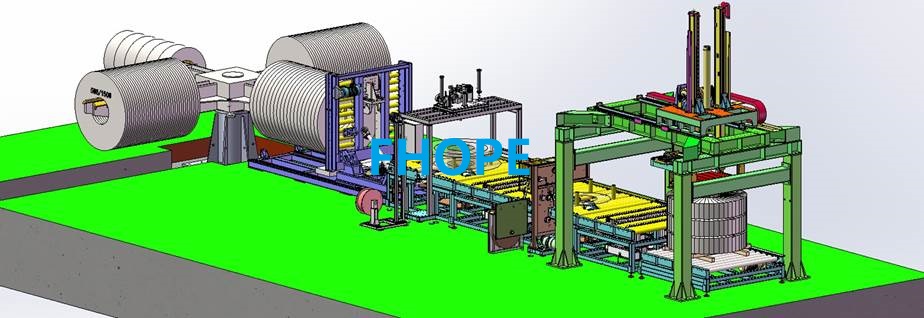
My personal experience reinforced this. When I worked in the factory, I saw the daily risks. Later, when building my own company, safety became a core principle. You cannot achieve true efficiency if your workers are constantly at risk or if you are always short-staffed. A good packing solution protects your people and your output. It creates a much better work environment.
Here is how automation tackles these safety and efficiency challenges:
1. 🏗️ Automated Coil Handling and Turning
- The Problem: Moving 1 to 3-ton steel coils, especially turning them from eye-to-sky to eye-to-side, is a major safety risk. It needs forklifts or overhead cranes. This exposes workers to potential crushing injuries. It is also a slow process. It interrupts the flow of production. Manual turning methods are very labor-intensive. They require multiple people.
- The Solution: Fully automated packing lines include integrated coil conveyors, transfer cars, and tilting devices. These machines automatically move and turn coils into the correct position for packaging. Workers no longer need to be near the heavy, moving coils. This greatly reduces the risk of accidents. It also makes the process much faster and more consistent. For example, a V-type conveyor can bring the coil to a lifting platform. This platform then smoothly turns the coil to the desired orientation. This ensures a continuous flow of coils to the next packing station. It also handles various coil sizes without manual adjustment. This system removes the most dangerous manual tasks. It frees up workers for less hazardous jobs.
2. 🤖 Reduced Manual Intervention and Labor Intensity
- The Problem: Manual strapping, wrapping, and labeling are physically demanding. They lead to fatigue, repetitive strain injuries, and a high turnover rate among young workers. This means a constant need for training new staff. This directly impacts productivity and quality.
- The Solution: An automatic coil packing line performs all these tasks without human help. Once a coil is on the line, machines take over. They apply straps, wrap the coil, and attach labels. This significantly reduces the need for workers to perform strenuous or risky tasks. It makes the workplace safer. It also lowers labor costs. Factories can reassign workers to other, less physically demanding roles. This solves the labor shortage problem. It also leads to a more stable workforce. This efficiency means more coils are packed per hour. It improves the overall output of the factory. It ensures continuous operation, even with fewer people.
3. 🚨 Integrated Safety Features and System Interlocks
- The Problem: In any industrial setting, human error can lead to accidents. Without proper safety measures, workers might enter dangerous areas or operate machines incorrectly.
- The Solution: Modern packing lines are built with comprehensive safety features. These include safety fences, light curtains, emergency stop buttons, and interlocked gates. If a worker enters a restricted area, the machine automatically stops. This prevents accidents. Sensors detect obstructions. They prevent machine parts from colliding. These safety systems meet international standards. This includes those required for export markets like Italy. This creates a secure working environment. It gives operators peace of mind. It also ensures smooth operation. It minimizes unexpected shutdowns due to safety incidents. This advanced safety integration protects both workers and machinery.
What makes a coil packing line a reliable, long-term investment?
Investing in a coil packing line is a big decision for any steel mill. Plant managers like Ivan Petrov need to know that their investment will pay off over many years. They need equipment that can run 24 hours a day, two shifts, without constant breakdowns. They also want to lower overall costs, not just upfront spending. This means reducing material waste, cutting energy use, and minimizing maintenance. A factory needs a partner who can provide a complete solution, from installation to ongoing support.
A coil packing line becomes a reliable, long-term investment by offering robust construction for continuous 24/7 operation, utilizing high-quality components for minimal downtime, and integrating features that optimize material usage and energy consumption to reduce operating costs. Furthermore, a strong partnership with a supplier providing turnkey solutions, comprehensive after-sales support, and readily available spare parts is crucial for sustained performance and value.

From my experience, reliability is non-negotiable. A machine that breaks down often is a liability, not an asset. That is why FHOPEPACK focuses on designing and building equipment that lasts. We understand that a long-term investment means more than just a good machine. It means peace of mind. It means knowing you have a partner who stands behind their product.
Here are the elements that make a packing line a truly reliable, long-term investment:
1. 💪 Robust Construction and High-Quality Components
- The Problem: Cheaply built machines use low-quality parts. These machines often break down. This causes frequent maintenance and lost production time. In a 24/7 operation, even small failures can lead to significant losses. This affects output.
- The Solution: A reliable packing line uses heavy-duty steel frames. It incorporates components from trusted international brands (e.g., Siemens, Schneider, Rexroth). These components are designed for industrial use. They handle continuous operation. This ensures maximum uptime and a long operational life. The parts are chosen for their durability and performance. This reduces the chance of unexpected failures. This type of construction means the machine can withstand the harsh environment of a steel mill. It provides consistent performance over many years. This reduces total cost of ownership. It also increases your return on investment.
2. ♻️ Optimized Material Usage and Energy Efficiency
- The Problem: Inefficient packing processes waste materials. They use too much film or strapping. Older machines also consume a lot of electricity. These factors increase operational costs. They reduce profitability over time. Environmental concerns are also growing.
- The Solution: Modern packing lines are designed to optimize material consumption. They use precise measurement systems. These systems ensure that only the necessary amount of film or strapping is applied. Features like automatic film cut-off and tension control reduce waste. Energy-efficient motors and intelligent control systems lower electricity usage. For example, some machines have standby modes. They save energy when not actively packing. This reduces the cost per packed coil. It makes the operation more sustainable. These savings add up significantly over the lifespan of the machine. This contributes to a healthier bottom line.
3. 🤝 Comprehensive After-Sales Support and Partnership
- The Problem: Some suppliers just sell a machine. They offer little to no support after the sale. This leaves customers struggling with installation, training, and troubleshooting. When parts break, it can be hard to find replacements. This causes long periods of downtime.
- The Solution: A reliable supplier offers a complete turnkey solution. This includes professional installation, thorough training for your operators, and ongoing technical support. They also provide a readily available supply of spare parts. FHOPEPACK, for example, commits to being a long-term partner. We understand that our success depends on your success. This means providing prompt service and expert advice whenever you need it. This type of partnership ensures that your packing line operates at peak performance throughout its life. It protects your investment. It guarantees that you always have help when you need it. This support is just as important as the machine itself.
Conclusion
Modern steel coil packing lines use advanced technology to solve real industry challenges. They ensure consistent quality, handle diverse products, boost safety, and reduce overall costs. By investing in these automated solutions, companies can meet high market demands, such as those in Italy, and secure a strong competitive edge. This commitment to innovation is key for success in today’s demanding market, and a well-chosen coil packing line can truly master your packing process.








