
What Are the Pros and Cons of Using Orbital Wrapping Machines in Argentina’s Building Material Industry?
Are you a factory manager in Argentina’s bustling building material sector? Do you feel the pressure of slow packing lines, high labor costs, and constant worries about worker safety? Many businesses, just like the ones I have seen in my career, struggle with these issues. They face the daily challenge of getting products out the door efficiently without damage. This can hold back your growth and eat into your profits. You might wonder if there is a better way to pack those heavy, awkward bundles of pipes, lumber, or panels.
Orbital wrapping machines offer significant benefits for the Argentine building material industry, including vastly improved packing speed, enhanced product protection, and greater worker safety. However, they also come with considerations such as high initial investment, specific space requirements, and the need for skilled operators, which businesses must weigh carefully.

Choosing the right packing solution is not just about buying a machine. It is about making a smart investment that drives your business forward. I have spent my life in the packing machine industry, from the factory floor to owning my own successful business. I understand the challenges you face. Let me share my insights on orbital wrapping machines and how they can impact your operations, especially within Argentina’s unique industrial landscape.
How Do Orbital Wrapping Machines Boost Efficiency for Argentine Manufacturers?
Are your current packing methods slowing down your entire production line? Do you find that manual packing simply cannot keep up with demand, leading to delays and missed deadlines? This common bottleneck can cripple even the most productive factories. You might be losing valuable time and money because of outdated processes.
Orbital wrapping machines significantly boost efficiency for Argentine manufacturers by automating the packing process, dramatically increasing speed, and ensuring consistent, high-quality wraps that reduce bottlenecks at the end of the production line.
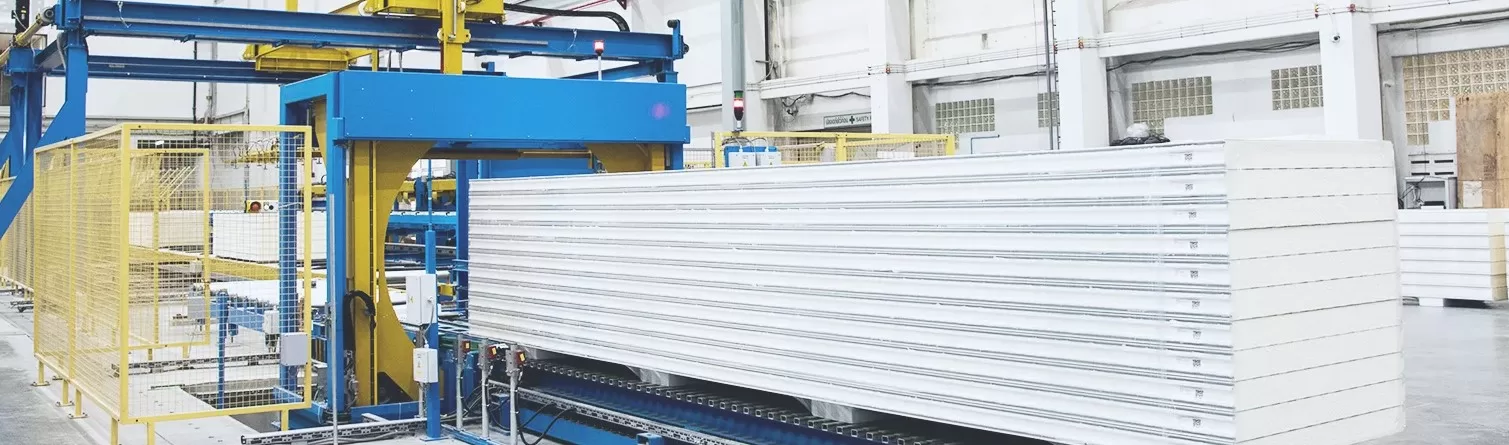
From my own experience building and running packing machine factories, I have seen firsthand how much impact automation can have. When I started my own company, one of the first things I focused on was how to help clients streamline their operations. I learned that efficiency is not just about working faster. It is about working smarter and more consistently. Orbital wrapping machines achieve this in several ways, and these benefits are especially relevant for the building material industry in Argentina. The demand for materials like steel, timber, and insulation is constant. Manufacturers need to keep up.
Key Aspects of Improved Efficiency
- Increased Throughput Speed:
- Manual wrapping of long, heavy, or awkwardly shaped items, common in building materials, is slow. Workers must walk around the product, applying wrap by hand. This takes a lot of time per item. An orbital wrapper can wrap a product in minutes, sometimes even seconds. This means more products are packed and ready for shipment in less time. For a factory handling hundreds of bundles a day, this adds up to hours of saved labor and faster delivery times. I remember one client who was struggling to meet order deadlines. After installing an orbital wrapper, their packing output jumped by 300%. This completely changed their ability to fulfill orders on time.
- Reduced Labor Costs:
- In Argentina, like many places, labor costs are a significant part of operating expenses. Manual packing requires several workers for heavy or large items. They lift, turn, and wrap. An orbital wrapper, on the other hand, often only needs one operator to load and unload the machine. This frees up other workers to do more skilled tasks elsewhere in the factory. Over time, the savings on wages can be substantial, leading to a strong return on investment. I always tell my clients that investing in automation is not about replacing people. It is about optimizing resources.
- Consistent Wrap Quality:
- Manual wrapping quality can vary greatly between workers or even throughout the day. Some wraps might be too loose, others too tight, leading to inconsistent protection. Orbital machines apply stretch film with precise tension and overlap every time. This consistent quality means products are better protected during transit and storage. It also reduces the need for re-wrapping, which saves material and labor. When I was running my factory, we learned that quality control starts at the very end of the line, with proper packing.
- Space Optimization:
- While orbital wrappers take up space, they often allow for a more organized packing area. By centralizing the wrapping process, factories can clear aisles and reduce clutter. This makes it easier to move materials and finished goods. It also supports better workflow planning. I have seen factories transform chaotic packing zones into lean, efficient areas just by integrating the right automated equipment. This helps with overall factory layout and logistics.








