
What Are the Pros and Cons of Using Horizontal Orbital Wrappers in Romania’s Export-Oriented Industries?
Running a factory in Romania, especially one focused on export, brings unique pressures. You face daily challenges like improving output, keeping costs down, and making sure everyone stays safe. I know this feeling well. When I was building my own packing machine factory, I saw firsthand how much a small inefficiency or a safety risk could impact the bottom line. Are you constantly looking for ways to make your operations smoother, safer, and more profitable?
Horizontal orbital wrappers offer key advantages for Romania’s export-oriented industries, including enhanced efficiency, improved product protection, and greater safety for workers handling long or bundled goods like metal coils, profiles, or timber. However, they also come with considerations such as initial investment costs, the need for adequate floor space, and specific maintenance requirements that businesses must evaluate carefully.
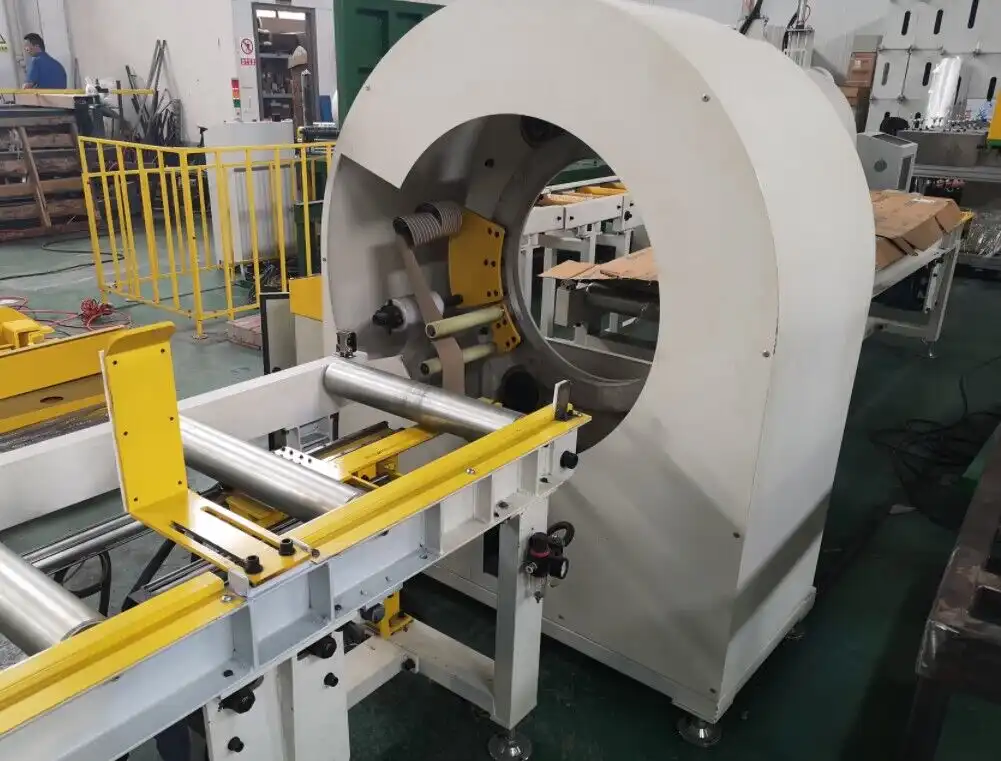
If you are shipping goods from Romania across borders, you know that product integrity upon arrival is not just a goal, but a strict requirement. The packing process often becomes a bottleneck. It can also pose significant safety risks. This is why many factory managers like yourself are looking into horizontal orbital wrappers. These machines are not just about wrapping; they are about transforming your end-of-line operations. Let’s break down what they truly offer and where they might present challenges for businesses in Romania.
Are Horizontal Orbital Wrappers a Game-Changer for Production Efficiency?
Are your current packing lines struggling to keep up with production demands? Do manual processes lead to delays and frustrations? I have seen this scenario many times. Factories reach a point where manual packing simply cannot match the speed of their upstream production, creating a painful bottleneck right before goods are ready to ship.
Horizontal orbital wrappers significantly boost production efficiency by automating the wrapping of long, bulky, or irregular products, drastically reducing the time and labor required compared to manual methods. They ensure a consistent, secure wrap, which speeds up throughput and reduces re-work, making them a game-changer for high-volume export operations in Romania.
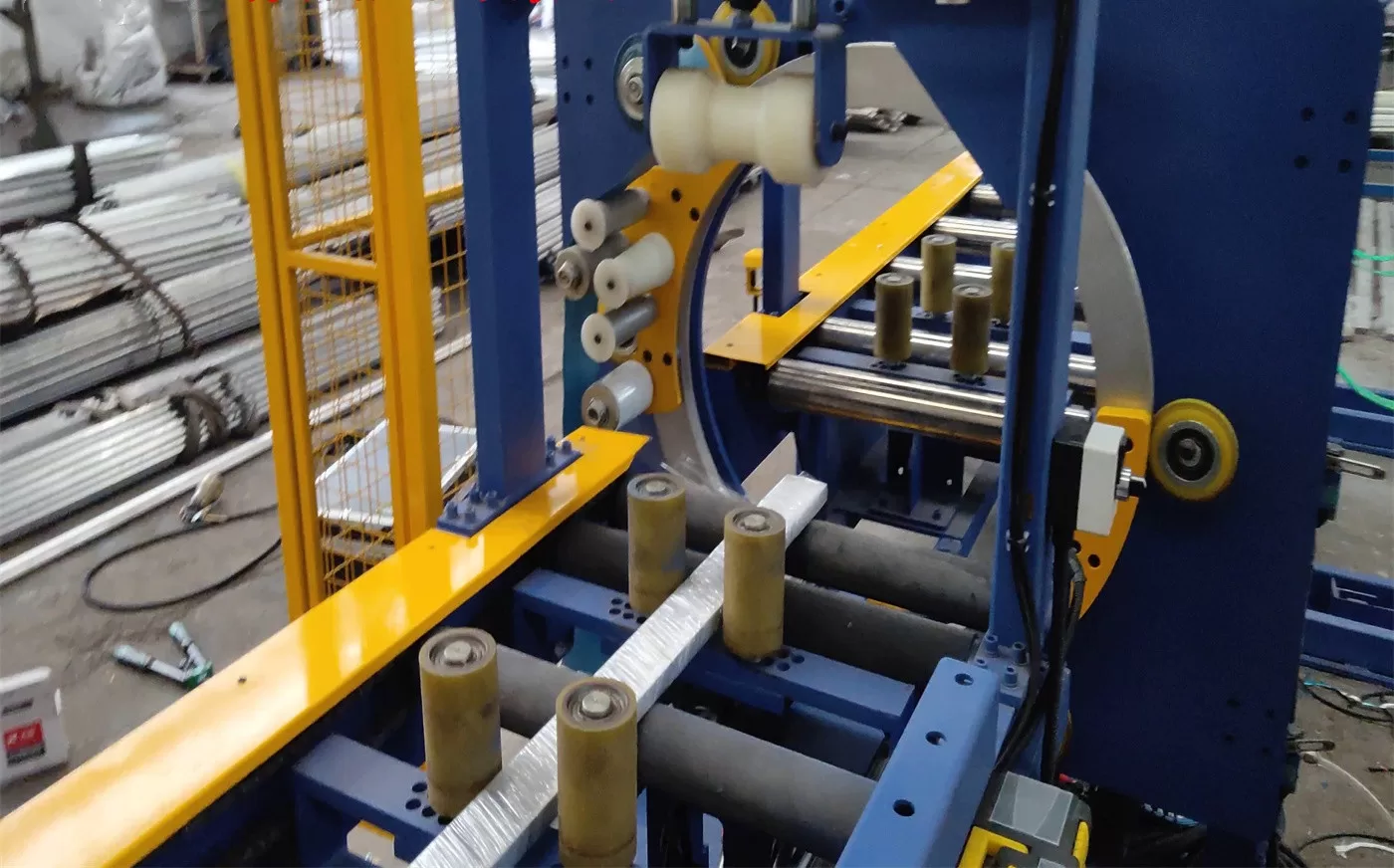
From my own experience, moving from manual to automated processes was not just an improvement; it was a revolution. When I started my factory, I knew that relying on hands for every task would limit our growth. Automation, especially in packing, changed everything. For factories in Romania’s export sector, where delivery times are crucial and volume is high, the impact of a horizontal orbital wrapper on efficiency is clear.
How Horizontal Wrappers Improve Production Throughput
Horizontal orbital wrappers are designed to handle products that are long or have a continuous profile, like steel coils, pipes, lumber bundles, or even window frames. The machine wraps the product as it moves through a rotating ring of stretch film. This method offers several distinct advantages over traditional packing ways.
- Increased Speed: Manual wrapping is slow. It needs people to physically move around the product, sometimes multiple times. A horizontal wrapper can wrap an item in a fraction of that time. This means more products get packed per hour. It directly leads to a higher output for the entire factory. For example, a factory might pack 20 bundles of steel wire manually in an hour. With an orbital wrapper, this number can easily jump to 60 or 80 bundles. This speed increase is critical for meeting tight export deadlines.
- Reduced Labor Dependency: Automation reduces the number of workers needed for packing. This does not mean job losses. It means reallocating skilled labor to other parts of the factory that need human oversight, like quality control or machine operation. It also addresses the challenge of labor shortages, which is a real concern in many manufacturing regions, including parts of Romania. Less reliance on manual labor also means less training time for new hires in packing tasks.
- Consistent Wrap Quality: Machines do not get tired. They do not make mistakes from fatigue. A horizontal orbital wrapper applies film with consistent tension and overlap. This creates a uniform and secure package every time. Manual wrapping often varies in quality. It depends on the worker’s skill and attention. Consistent quality means fewer re-wraps and fewer products damaged due to poor packing. This saves time and money. It also builds customer trust, which is vital for export businesses.
- Integration into Production Lines: These wrappers can be integrated seamlessly into existing conveyor systems. This creates a continuous flow from production to packing. Products move directly from the manufacturing process onto the wrapper’s conveyor. This removes bottlenecks and idle time. It optimizes the entire flow of goods through the factory. This kind of integration is something I always pushed for in my own operations. It makes the whole system work like a well-oiled machine. It avoids any stop-start processes that slow things down.
These points show that horizontal orbital wrappers are not just a piece of equipment. They are a strategic investment. They enhance the overall production flow. They ensure that factories in Romania can meet the demands of global markets with speed and reliability.
Can These Wrappers Truly Improve Safety and Reduce Labor Costs?
Are you worried about the safety of your workers who handle heavy or awkward products daily? Do rising labor costs impact your profitability? These are questions that kept me up at night when I was running my own factory. The well-being of my team was always a top priority. I also had to make sure the business stayed competitive.
Yes, horizontal orbital wrappers significantly improve workplace safety by minimizing manual handling of heavy or cumbersome items, thereby reducing the risk of injuries and associated insurance costs. Concurrently, by automating the packing process, they decrease reliance on extensive manual labor, leading to substantial long-term savings in operational labor expenses for Romanian factories.

The truth is, manual processes involving heavy lifting or repetitive motions carry high risks. I saw too many minor injuries and near-misses that could have been avoided. When you run a busy factory, especially in a sector like metal processing, worker safety is not just a moral duty; it is a business imperative. Accidents mean lost productivity, higher insurance premiums, and potential legal issues. Investing in automation is often the best way to protect your people and your bottom line.
How Orbital Wrappers Address Safety and Cost Concerns
Factories in Romania, especially those in heavy industries, often deal with products that are both heavy and difficult to handle. These include steel beams, tubes, or large bundles of wire. Manual packing of such items poses clear safety risks. Horizontal orbital wrappers offer a solution. They tackle these challenges head-on.
- Reduced Manual Handling: The most direct safety benefit is the reduction of manual handling. Workers no longer need to lift, push, or rotate heavy products to wrap them. The machine takes over this physically demanding and dangerous task. This minimizes the risk of back injuries, strains, and other musculoskeletal disorders. In my experience, reducing these types of injuries improves worker morale. It also leads to fewer sick days and less staff turnover. This is a big win for any factory manager.
- Elimination of Hazardous Operations: Some packing tasks, like flipping heavy bundles or securing sharp-edged products, can be extremely hazardous. Orbital wrappers perform these tasks in a controlled, automated way. This removes workers from dangerous situations. For example, a heavy coil being manually wrapped might shift unexpectedly. This can cause injury. An automated wrapper handles the product securely throughout the process. This creates a much safer work environment.
- Lower Insurance Costs: Fewer workplace injuries directly translate to lower workers’ compensation claims and insurance premiums. Insurance companies assess risk. A factory with a strong safety record and fewer incidents will pay less for its coverage. Over time, these savings add up. They contribute significantly to the factory’s financial health. I always looked at safety investments as an opportunity to reduce long-term operating costs.
- Long-Term Labor Cost Savings: While there is an initial investment in the machine, the long-term labor cost savings are substantial. You reduce the need for multiple workers on the packing line. You can reassign some of them to more value-added roles. This means you are not paying for direct manual labor for packing anymore. Instead, you are paying for efficient machine operation. This shift boosts productivity per employee. It lowers the overall labor cost per unit produced. This is particularly important for export-oriented industries where cost competitiveness is key.
- Improved Employee Morale: When employees feel safe and valued, their morale improves. Knowing that management invests in their safety creates a positive work environment. Happy employees are often more productive. They are also more likely to stay with the company. This reduces recruitment and training costs.
By addressing both safety risks and labor costs, horizontal orbital wrappers provide a dual benefit. They protect your most valuable asset—your people. They also enhance your factory’s financial performance. This is a smart investment for any business aiming for sustainable growth in the Romanian export market.
Do Horizontal Wrappers Offer Superior Product Protection for Export Goods?
Have you ever received a call from a client complaining about damaged goods? Or perhaps you have seen products returned due to transit damage, especially those odd-shaped or long items? I understand this frustration. Product damage is not just about lost profit. It damages your reputation and your client relationships.
Yes, horizontal orbital wrappers provide superior product protection for export goods by completely enclosing items like steel coils, pipes, or lumber in a consistent, tightly tensioned film. This protects against dust, moisture, and impact during handling and transit, significantly reducing product damage and customer complaints, which is critical for Romania’s export quality.

When I was in the business of packing machinery, one of my main goals was to ensure that products reached their destination in perfect condition. It did not matter if it was a steel wire coil or a delicate component. Damage during shipping is a huge problem. It costs money. It also harms your brand. For export-focused factories in Romania, where products travel long distances and face various handling conditions, reliable protection is non-negotiable. Horizontal orbital wrappers address this challenge directly.
How Orbital Wrappers Enhance Product Integrity
Exported goods face many challenges during transit. They can be exposed to moisture, dust, impact, and shifting within containers. Traditional packing methods often leave vulnerabilities. Horizontal orbital wrappers provide a comprehensive protective solution.
- Full Enclosure and Protection: Unlike stretch hooders or vertical wrappers that might only cover certain dimensions, an orbital wrapper encircles the product along its entire length. It applies film spirally. This creates a full, 360-degree barrier. This barrier protects against external elements like dust, dirt, and moisture. For items like steel or sensitive components, rust and corrosion from moisture can be a big problem. This full enclosure acts as a strong defense.
- Consistent Tension and Stability: The machine applies stretch film with uniform tension. This tight wrap holds the product together. It prevents shifting and abrasion during transport. For long items, this is crucial. It stops parts from rubbing against each other or against the packaging itself. This reduces surface scratches, dents, and other forms of damage. In my own factory, ensuring stability during transit was always a key design point for any packing solution.
- Edge and Surface Protection: Many products, such as steel coils or wooden beams, have vulnerable edges or surfaces. These can chip or dent easily. The tight, multi-layered wrap from an orbital machine provides extra cushioning and protection to these sensitive areas. This is especially important for metal products, where even minor surface damage can lead to rejection by the customer. It ensures the product arrives looking as perfect as it left your factory.
- Reduced Product Loss: By preventing damage, these wrappers directly reduce product loss. Fewer damaged goods mean fewer rejections from customers. It also means less need for rework or scrap. This saves raw materials, production time, and shipping costs. For a factory manager, reducing product loss directly improves the profit margin. It helps meet export quality standards consistently.
- Enhanced Presentation: A well-wrapped package looks professional. It shows attention to detail. This leaves a positive impression on the client. For export markets, where first impressions matter, a clean, secure, and undamaged package reinforces your company’s commitment to quality. This can enhance customer satisfaction and encourage repeat business.
By offering superior product protection, horizontal orbital wrappers help Romanian factories maintain high quality standards for their exports. They build trust with international clients. They also protect the profitability of the business.
What Are the Hidden Costs and Challenges of Adopting Horizontal Orbital Wrappers?
Are you considering a big investment in new packing technology? Are you worried about what might go wrong? Every major purchase comes with its own set of challenges and less obvious costs. I have been there many times. When I expanded my factory, I always tried to look beyond the sticker price.
While horizontal orbital wrappers offer many benefits, potential challenges for Romanian businesses include a significant initial investment, the need for ample floor space for installation and operation, and ongoing maintenance requirements. Furthermore, integrating them into existing production lines may require system adjustments and staff training, which should be factored into the overall cost.

No machine is a magic bullet. While I advocate for automation, it is important to have a clear picture of the full commitment. For any factory manager in Romania looking to upgrade, understanding the potential hurdles before you buy is as important as understanding the benefits. This helps you make a truly informed decision. It ensures your investment truly pays off.
Addressing the Practicalities of Implementation
Adopting horizontal orbital wrappers involves more than just buying the machine. It requires careful planning. It needs resources beyond the purchase price. Factories in Romania should consider these factors.
- Initial Investment Cost: Horizontal orbital wrappers represent a significant capital investment. The price varies based on machine size, automation level, and features. For smaller or medium-sized factories, this upfront cost can be a barrier. It is crucial to conduct a thorough return on investment (ROI) analysis. This analysis should factor in the projected savings from reduced labor, decreased material waste, and fewer product damages. It should also consider increased throughput. I always advised my clients to look at the long-term gains, not just the initial spend.
- Floor Space Requirements: These machines can be large. They need ample space for installation. They also need space around them for loading, unloading, and maintenance. Factories with limited floor space might find it challenging to integrate them without reconfiguring their layout. This could mean moving other equipment or even expanding the building. This potential need for factory reorganization must be part of the planning. It can add to the overall cost and disruption.
- Maintenance and Spare Parts: Like any complex machinery, horizontal orbital wrappers require regular maintenance. They also need spare parts. This means setting up a maintenance schedule. It also means training your maintenance team. It means stocking critical spare parts. If a machine breaks down, you need to fix it fast. Downtime is expensive. It directly impacts your production targets. Access to reliable local support or quick shipping for parts is important. This is something I always emphasized as part of a long-term partnership.
- Integration Challenges: Fitting a new machine into an existing production line can be complex. It might need modifications to upstream or downstream conveyors. It might require new sensors or control systems. Compatibility issues can arise. This is especially true if your current equipment is older. Careful planning with the supplier is essential to ensure smooth integration. It minimizes disruptions to your current operations during installation.
- Staff Training: While the machine reduces manual labor, your team still needs to operate it. They need to understand its functions. They need to troubleshoot minor issues. Proper training for operators and maintenance staff is critical. This ensures the machine runs efficiently. It also ensures it stays safe. Training takes time and resources. It is an investment in your human capital.
These challenges are not reasons to avoid investing. Instead, they are factors to plan for. A clear understanding of these points helps factory managers in Romania make informed decisions. It ensures a smoother transition to automated packing. It also ensures the investment delivers its full potential.
Conclusion
Horizontal orbital wrappers offer significant efficiency, safety, and product protection benefits for Romania’s export industries, but consider investment, space, and maintenance for successful integration.








