
How Do Different Horizontal Orbital Wrapper Brands Perform in Romania’s Plywood, Gypsum, and Flooring Packaging Lines?
For many factory managers, dealing with end-of-line packaging feels like a constant battle. You face slow manual processes. There are real safety risks. Your products can get damaged before they even leave the factory. These problems hurt your bottom line and make customers unhappy. You need a better way.
Horizontal orbital wrapper brands offer solutions for Romania’s plywood, gypsum, and flooring packaging lines by providing automation, improving safety, and reducing product damage, but their performance varies greatly based on build quality, features, and after-sales support.

I have spent many years in the packing machine industry. I started on the factory floor. Then I built my own successful factory. I understand the pressures factory managers face every day. That is why I want to share what I know. We will look at how different horizontal orbital wrapper brands perform in real-world settings in Romania. This will help you make smart choices for your factory.
How Do Wrappers Handle Plywood Lines in Romania?
Plywood packaging in Romania often struggles with speed and safety. Manual wrapping is slow. It needs many workers. Workers also face dangers when moving large, heavy plywood stacks. This slows down your whole production. You might wonder if a good wrapper can really fix this.
Horizontal orbital wrappers greatly improve plywood packaging lines in Romania by automating the wrapping process, speeding up operations, and reducing the need for manual handling, which makes the work safer.
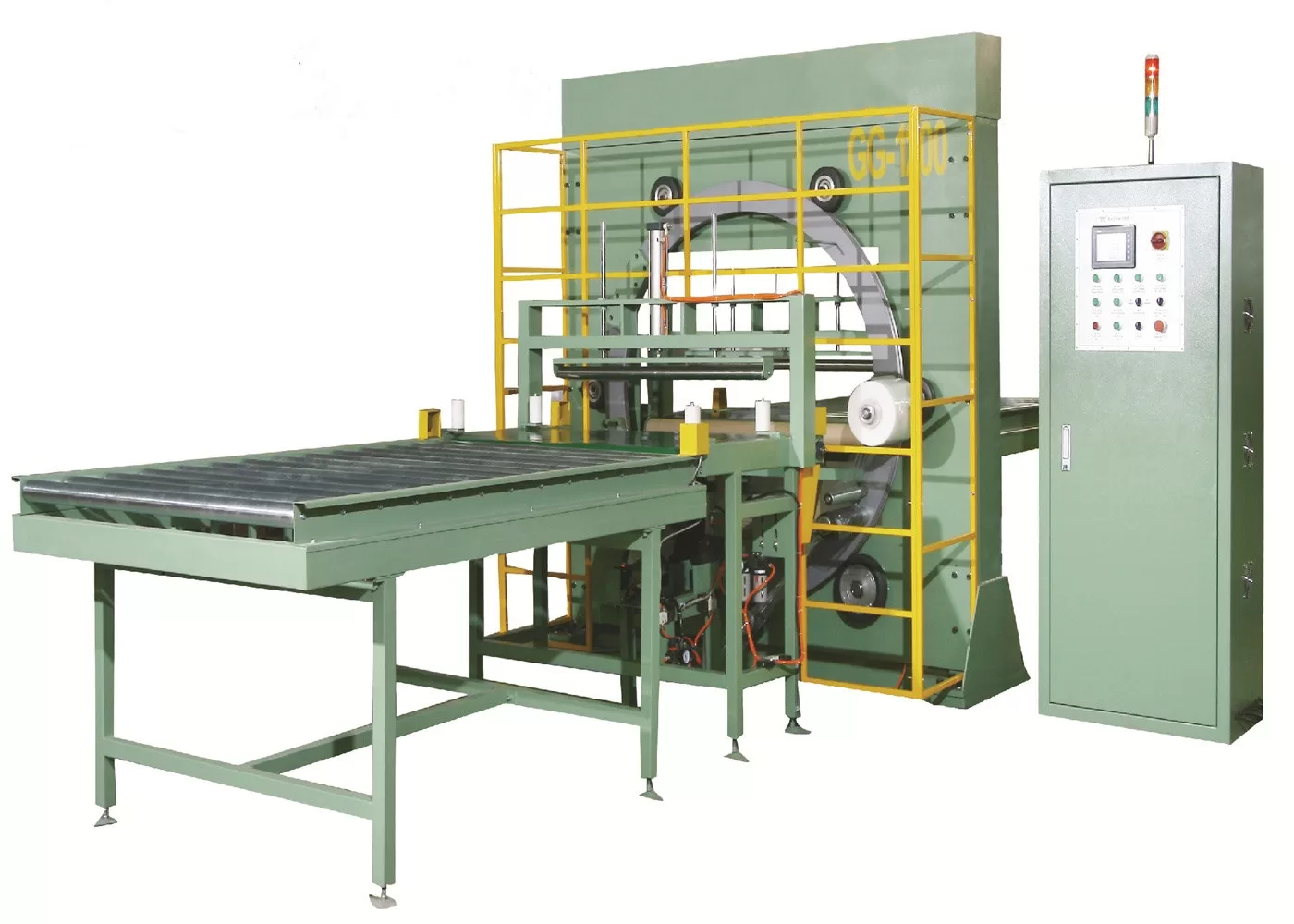
When it comes to plywood, size and weight are big issues. Plywood boards are long. They can be heavy. This means a wrapper needs a strong build. It needs to handle large dimensions without breaking down. Some brands are better at this than others. A common challenge I saw in my own factory, and in talking with many clients, was how to keep the plywood edges from getting damaged during transit. Good wrapping stops this. It keeps the product safe for the customer.
Key Performance Factors for Plywood Wrappers
Plywood factories need machines that work all the time. Downtime means lost money. This is especially true in places like Romania where production targets are strict.
-
Machine Robustness:
- Frame Strength: Look for machines with heavy-duty steel frames. These frames can handle the vibration and weight of large plywood bundles. Weaker frames can bend or crack over time. This leads to costly repairs. A strong frame means the machine lasts longer.
- Component Quality: Check the quality of motors, gears, and belts. High-quality parts mean fewer breakdowns. Some brands use cheaper parts to save money. This can lead to frequent failures in a busy factory setting. I have seen this many times. Cheap parts cost more in the long run.
- Conveyor System: The conveyor must support heavy plywood. It must also move it smoothly. Good conveyors prevent product damage. They also reduce the risk of jams.
-
Wrapping Speed and Efficiency:
- Film Application: The machine should apply film quickly and evenly. This saves time. It also uses film efficiently. Some machines waste film. This adds to your costs.
- Automation Features: Fully automatic wrappers are best. They need less human help. This frees up workers for other tasks. It also makes the process faster. Some machines have auto film cut-and-clamp. This removes manual steps.
- Integration with Lines: A good wrapper connects easily with your existing production line. It should not create a new bottleneck. Seamless integration means a smooth flow of products.
-
Safety Features:
- Guardings and Sensors: Machines must have proper safety guards. They need emergency stop buttons. Safety sensors prevent accidents. This protects your workers. It also reduces injury claims.
- Reduced Manual Handling: The main benefit of automation is less human interaction with heavy loads. This is a big win for safety. It reduces the risk of back injuries or crushed limbs. My clients often tell me that worker safety is their top priority. This is because high injury rates mean high insurance costs and staff turnover.
Different brands offer various levels of these features. European brands often have very robust designs. They meet strict safety standards. Some Asian manufacturers also offer good machines. They can be more cost-effective. But you must check their build quality carefully. Ask about their local support in Romania. This is very important.
What Makes a Good Wrapper for Gypsum Boards in Romania?
Gypsum boards are often fragile. They break easily. Manual handling of these boards creates a big risk of damage. It also puts workers in danger. This can lead to unhappy customers. It can also lead to lost profits. You need to know if automated wrapping truly helps gypsum lines.
A good horizontal orbital wrapper for gypsum boards in Romania protects the fragile product from damage during transport, automates a labor-intensive process, and significantly improves worker safety by reducing manual handling risks.

Gypsum boards are flat and wide. They need stable wrapping. The wrapping must protect the edges. It must also keep the stack together tightly. I have seen factories where gypsum board edges get chipped. This happens during internal movement. It also happens during loading. This leads to customer complaints. A good wrapper prevents this. It makes sure the product reaches the customer in perfect condition. This builds trust.
Essential Performance for Gypsum Wrappers
Gypsum production needs precise and gentle handling. The wrapper must do its job without causing more problems.
-
Product Protection:
- Even Film Tension: The machine must apply stretch film with consistent tension. Too much tension can damage the board. Too little tension means the wrap is loose. A loose wrap does not protect the product. It can allow movement inside the package. This leads to scuffs and breaks.
- Edge Protection: Look for models that can add extra protection to edges. This might include corner boards or more layers of film at the edges. This is crucial for gypsum. The edges are often the first part to get damaged.
- Soft Start/Stop: The wrapper should start and stop smoothly. Jerky movements can shift the gypsum stack. This can cause damage. A smooth operation protects the integrity of the product.
-
Adaptability and Customization:
- Adjustable Parameters: The machine should allow easy adjustments. You need to change film layers. You need to change tension. You also need to change wrap patterns. This lets you adapt to different gypsum board sizes. It also lets you adapt to different protection needs.
- Special Conveyors: Some gypsum lines might need specific conveyor types. They might need roller conveyors with special coatings. This prevents scratching the board surface. Or they might need belt conveyors for very fragile boards. The wrapper needs to fit with these specialized systems.
-
Maintenance and Uptime:
- Easy Access: Machines should be easy to clean. They should be easy to maintain. Parts should be easy to reach. This saves time on maintenance. It also reduces downtime.
- Reliable Components: Investing in a machine with known reliable components pays off. Brands that use standard, high-quality electrical and mechanical parts are better. This makes it easier to find spare parts later. This is important in Romania. It means less waiting when a part needs replacing.
Some wrapper brands have specific designs for flat, fragile products. They understand the need for gentle handling. Other brands might offer general-purpose machines. These general machines may not be ideal for gypsum. Always ask for case studies. Ask how their machine handles similar products. This gives you confidence.
Are All Wrappers Suitable for Flooring Packaging in Romania?
Flooring materials come in many shapes. They can be long planks or small tiles. They are often sensitive to moisture or scratches. Manual packaging is slow. It also exposes the product to damage. You might wonder if one type of wrapper can handle all these different flooring products.
Not all horizontal orbital wrappers are suitable for every type of flooring packaging in Romania; the best machine depends on the flooring material’s size, shape, and fragility, requiring features like adjustable wrapping patterns and precise tension control.

I have seen many flooring factories struggle with product variety. One day they wrap long laminate planks. The next day they wrap short wooden parquet bundles. A single machine must adapt to these changes. My experience has taught me that versatility is key for flooring. The wrapping also needs to protect against environmental damage. This means sealing out moisture. It also means protecting against dust. A good wrapper provides this. It ensures the flooring looks perfect when it arrives. This keeps customers happy.
Versatility and Protection for Flooring
Flooring products need careful packaging. They need protection from physical damage. They also need protection from the environment.
-
Product Versatility:
- Adjustable Ring Diameter: The wrapper ring diameter needs to be adjustable. Or you need different ring sizes. This allows wrapping of various widths. Some flooring is wide. Some is narrow.
- Variable Speeds: The machine should have variable conveyor and ring speeds. This allows fine-tuning for different product lengths. It also helps for fragile products. You can slow it down if needed.
- Programmable Wrap Patterns: The ability to program different wrap patterns is essential. You might need more layers on the ends for long planks. You might need full coverage for small bundles. This flexibility makes the machine more useful.
-
Environmental Protection:
- Waterproof Wrapping: Flooring, especially wood-based, needs protection from moisture. The machine must create a tight, sealed wrap. This keeps water out during transport and storage.
- Dust and Dirt Barrier: A good film barrier also protects against dust and dirt. This means the flooring arrives clean. This is important for customer satisfaction.
- UV Protection Film: For outdoor storage or specific materials, UV-resistant film might be needed. Some wrappers can use different film types.
-
Operator Interface and Ease of Use:
- Intuitive Controls: The machine should have an easy-to-use control panel. Touchscreens are common now. They make it simple for operators to change settings. This reduces errors.
- Troubleshooting Guides: Good brands provide clear troubleshooting guides. This helps operators fix minor issues quickly. This reduces calls for technical support. This saves time and money.
- Training: Ask about training. A supplier should offer training for your staff. This ensures they use the machine correctly. It also ensures they can perform basic maintenance.
Some wrapper brands specialize in specific industries. Other brands offer modular designs. These modular designs can be customized for different products. When you choose a wrapper for flooring, think about your current product range. Also, think about what new products you might make in the future. You want a machine that grows with your business.
How Can You Ensure Wrapper Reliability in Romanian Factories?
Investing in a new machine is a big decision. You want a wrapper that works reliably. You also want one that gives good returns on your money. Many factories in Romania have dealt with suppliers who only care about selling the machine. They offer poor after-sales service. This leads to distrust. You need to know how to find a reliable partner and a dependable machine.
Ensuring horizontal orbital wrapper reliability in Romanian factories means looking beyond the initial purchase price to consider the manufacturer’s reputation, component quality, local service availability, and clear return on investment (ROI) potential.
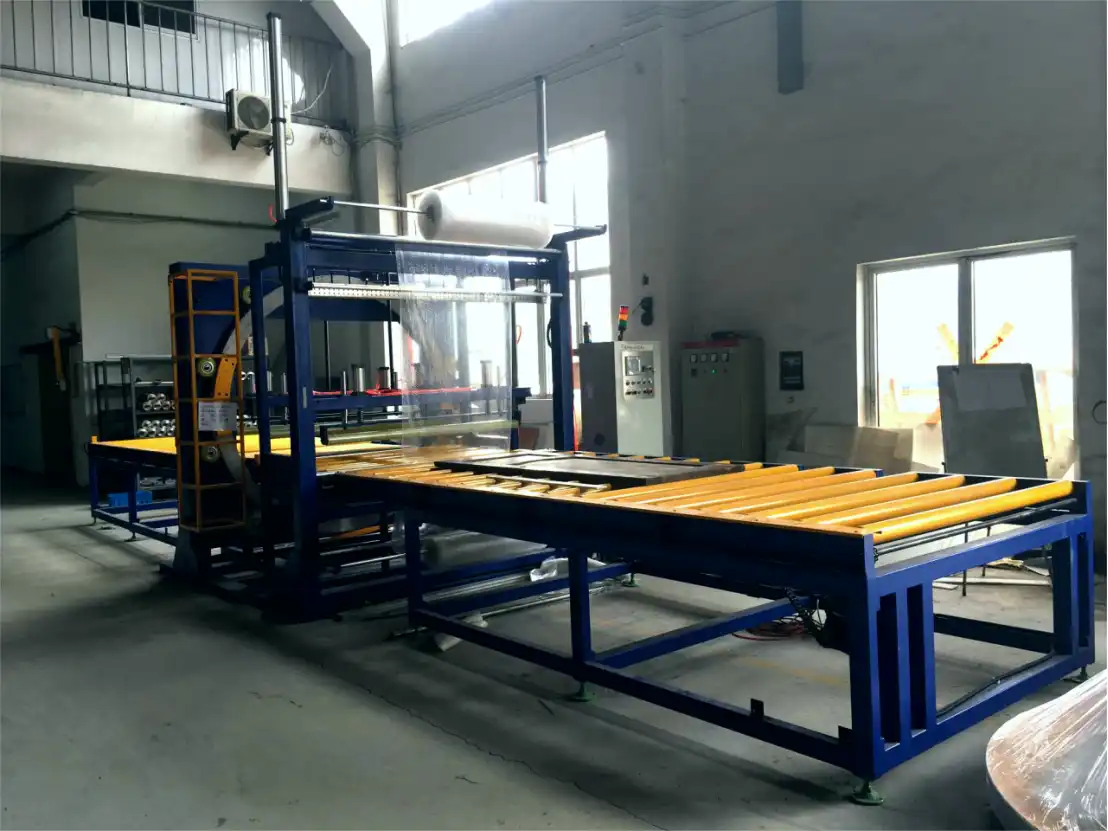
I know the feeling of buying equipment only to have it break down. Then you cannot get proper support. I faced these challenges when I first started my factory. That is why I always tell my clients to look for a true partner. This partner understands your challenges. They offer real solutions. A reliable machine is more than just metal and wires. It is about the support behind it. It is about the long-term value it brings to your business.
Factors for Long-Term Reliability and Partnership
Reliability is not just about the machine. It is also about the company you buy it from.
-
Manufacturer Reputation and History:
- Track Record: Research the manufacturer. How long have they been making wrappers? Do they have a good reputation for quality? Look for reviews and testimonials from other customers.
- Industry Focus: Some manufacturers specialize in packing machines. Others make many different types of machines. Those who focus on packing machines often have deeper knowledge. They understand the specific needs of packaging lines better.
- Financial Stability: A stable company is more likely to provide long-term support. You want a partner who will be there for years to come.
-
Component Sourcing and Quality:
- Standard Parts: Check if the machine uses standard, globally available components. These are easier to replace. This speeds up repairs. It reduces downtime. If a machine uses proprietary parts, you might rely only on the manufacturer. This can cause long delays.
- Brand Name Components: Many good machines use parts from well-known brands. These include motors, sensors, and PLCs (Programmable Logic Controllers). These parts are known for quality and reliability. They also come with their own warranties.
- Build Quality Inspection: If possible, visit the manufacturer or see their machines in action. Look at the welds. Look at the finishes. These small details show how much care goes into building the machine.
-
After-Sales Service and Support in Romania:
- Local Presence: Does the supplier have a service team in Romania? Or do they have a local partner? Fast response times are critical for repairs. Sending someone from another country takes too long.
- Spare Parts Availability: Ask about spare parts. Are they stocked locally? How quickly can they be shipped? Delays in getting parts can stop your production.
- Technical Expertise: Do their technicians truly understand the machine? Can they diagnose problems quickly? Good support saves you headaches and money.
- Training Programs: A good supplier will offer training for your maintenance team. This helps them fix common issues themselves. It also helps them perform regular maintenance. This extends the machine’s life.
-
Return on Investment (ROI):
- Cost Savings: Calculate how much you will save on labor costs. Also, consider savings from reduced product damage. These add up quickly.
- Increased Output: A faster wrapper means you can produce more. This directly impacts your revenue.
- Improved Safety: Less worker injury means lower insurance costs. It also means a happier, more stable workforce. This is a very valuable return.
- Long-Term Value: A durable machine will last many years. This means you do not need to buy a new one soon. This long-term value is important.
Always ask for a detailed proposal. This proposal should include not just the machine cost but also installation, training, and service contracts. This gives you a full picture of the investment. It helps you avoid surprises later.
My Insights on Choosing the Right Packing Machine Partner in Romania?
After many years in this business, from being an employee to running my own factory, I have learned one big truth. Buying a packing machine is not just a transaction. It is about finding a real partner. Many companies sell machines. But few truly understand your factory’s daily challenges. They do not know about your production bottlenecks. They do not know about your safety worries. They do not know about your need for cost savings.
My journey in the packing machine industry allowed me to gain financial independence. It also helped many of my clients grow their businesses. I want to give back now. I want to share what I know. For me, a true partner does not just sell you a machine. They listen to your problems. They offer solutions. They help you achieve your goals. This is about more than just equipment. It is about a relationship.
When you look for a horizontal orbital wrapper in Romania, think about this. You are not just buying a piece of metal. You are investing in your factory’s future. You are investing in your workers’ safety. You are investing in your product quality. So, choose a partner who cares about these things as much as you do. Look for someone with deep industry knowledge. Look for someone who has faced similar challenges. This type of partner will guide you. They will help you find the right machine. They will make sure your investment pays off. Do not settle for less.
Conclusion
Choosing the right horizontal orbital wrapper for Romania’s plywood, gypsum, or flooring lines means focusing on robustness, product protection, and reliable after-sales support. Prioritize partners who understand your factory’s unique needs and offer clear ROI.








