
1. What Are the Key Factors in Selecting a PPR Pipe Storage Facility?
Selecting the right storage facility for PPR pipes is crucial for maintaining their integrity and ensuring long-term performance. Many factors come into play, from environmental conditions to handling procedures, all impacting the quality of these essential plumbing components. Understanding these key elements is vital for effective warehouse management and preserving the value of your PPR pipe inventory.
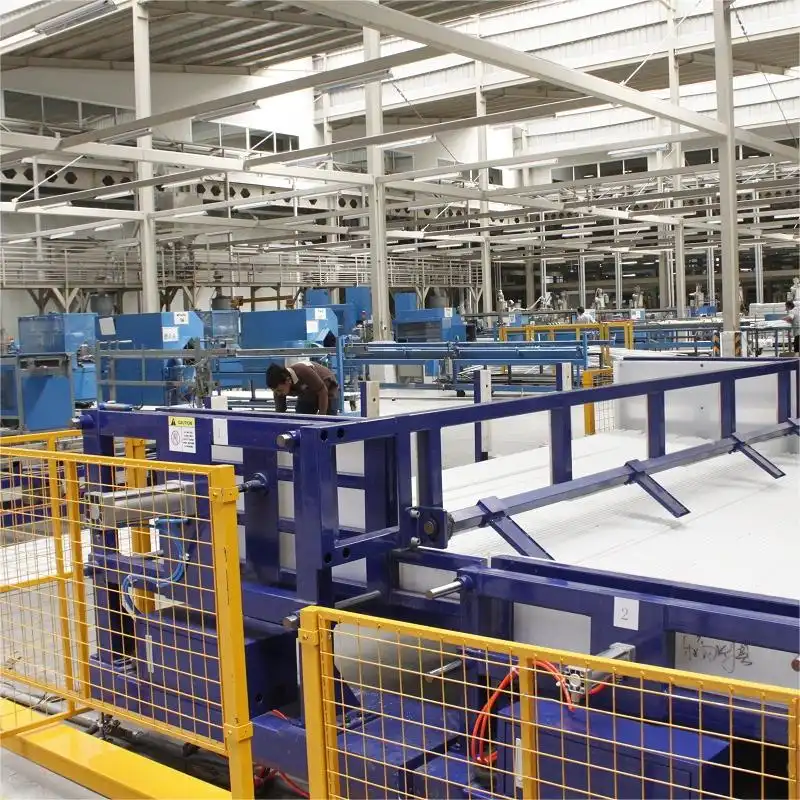
Choosing a PPR pipe storage facility involves evaluating temperature and humidity controls to prevent degradation, ensuring proper stacking and handling to avoid physical damage, and implementing robust inventory management systems for efficient retrieval and stock rotation. Protection from UV exposure and contaminants, alongside security measures, are also paramount to maintaining pipe quality and minimizing losses.
This article delves into the essential considerations for choosing a PPR pipe storage facility, ensuring your investment remains protected and performance-ready. We will explore the critical environmental controls, handling best practices, and management systems that contribute to optimal PPR pipe storage. Read on to discover how to safeguard your PPR pipes and maintain their quality from storage to installation.
2. Storage Conditions for PPR Pipes
The longevity and reliability of PPR pipes are significantly influenced by the conditions under which they are stored. Implementing proper storage protocols is not merely about space utilization; it’s about actively preserving the material properties of the pipes and preventing degradation that can compromise their function in plumbing and heating systems.
Optimal storage for PPR pipes necessitates strict control over environmental factors. Temperature should be maintained between 5°C and 30°C to prevent brittleness or excessive flexibility. Humidity levels must be low and ventilation adequate to avoid mold and mildew growth. Crucially, PPR pipes require shielding from direct sunlight and UV radiation to prevent material degradation and discoloration. Indoor, covered storage is highly recommended to provide comprehensive environmental protection.
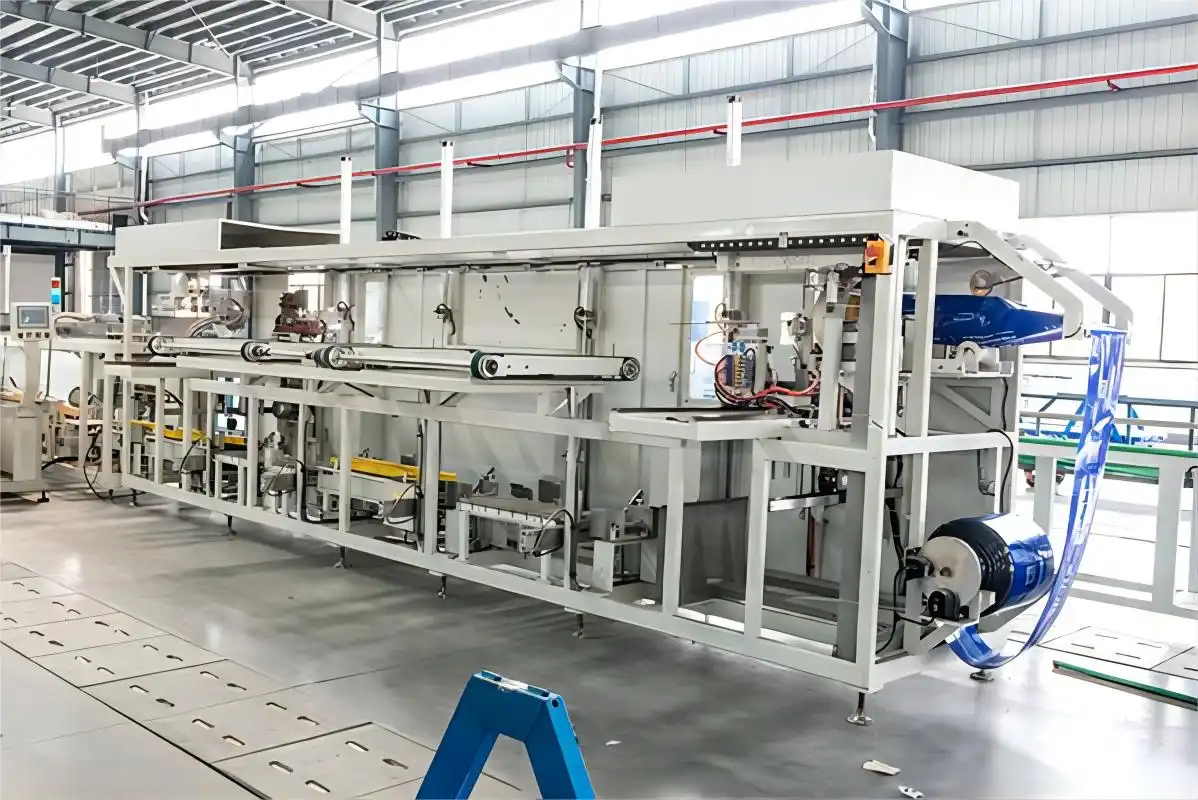
Delving Deeper: The Impact of Environmental Factors on PPR Pipe Integrity
While general guidelines suggest temperature and humidity ranges, a more nuanced understanding of their impact is crucial for selecting the right storage facility. Let’s break down these environmental factors and explore their specific effects on PPR pipes, alongside practical solutions for mitigation.
Temperature: A Balancing Act
PPR, while known for thermal stability in application, exhibits temperature sensitivities during storage.
| Temperature Range (°C) | Potential Impact on PPR Pipes | Mitigation Strategies |
|---|---|---|
| Below 5°C | Increased brittleness, higher risk of cracking during handling | Heated, indoor storage; acclimatization period before handling in cold conditions |
| 5°C – 30°C | Optimal storage range, minimal risk of degradation | Standard indoor storage, climate control for consistent temperature |
| Above 30°C | Increased flexibility, potential for deformation under stack weight, long-term degradation | Air-conditioned storage, shaded areas, reduced stacking heights, improved ventilation |
As the table illustrates, maintaining temperature within the recommended range is a balancing act. Too cold, and the pipes become vulnerable to physical stress; too warm, and long-term structural integrity may be compromised. Facilities offering climate-controlled storage provide the most reliable solution, especially in regions with extreme temperature variations.
Humidity and Ventilation: Combating Moisture and Stagnation
PPR pipes, while resistant to many forms of chemical corrosion, are not immune to issues arising from prolonged exposure to high humidity and poor ventilation. Damp conditions foster mold and mildew growth, which, while not directly degrading the PPR material itself, can contaminate the pipe surface, especially if packaging is compromised. For PPR pipes intended for potable water systems, maintaining hygienic conditions is paramount. Good ventilation is also essential to prevent the build-up of stagnant air, which can exacerbate humidity issues and contribute to temperature fluctuations within a storage space. Facilities with robust ventilation systems and humidity monitoring are preferable, particularly in humid climates or for long-term storage.
UV Radiation: The Silent Degradation Threat
Perhaps the most insidious environmental threat to PPR pipes is ultraviolet (UV) radiation from sunlight. Prolonged UV exposure can cause polymer chains in the PPR material to break down, leading to:
- Discoloration: Yellowing or fading of the pipe’s original color is a visible sign of UV degradation.
- Surface Embrittlement: The outer surface becomes more brittle and prone to cracking.
- Reduced Impact Strength: The overall impact resistance of the pipe diminishes.
- Decreased Long-Term Hydrostatic Strength: The pipe’s ability to withstand internal pressure over time is reduced.
Therefore, selecting a storage facility that guarantees complete protection from direct sunlight is non-negotiable for preserving the long-term performance characteristics of PPR pipes. Indoor storage in a warehouse without skylights or UV-filtering films on windows provides the necessary safeguard.
By meticulously evaluating a storage facility’s environmental controls and understanding the specific impacts of temperature, humidity, and UV radiation, you can make an informed decision that protects your PPR pipe investment and ensures their performance readiness for years to come.
3. Proper Handling Techniques for PPR Pipes
Beyond environmental conditions, the physical handling of PPR pipes during storage and transportation is a critical determinant of their condition upon deployment. Mishandling can lead to immediate damage or create latent weaknesses that manifest later in operational failures. Choosing a storage facility with established and rigorous handling protocols is therefore essential.
Proper handling of PPR pipes involves careful lifting and movement to prevent scratches, dents, and deformation. Utilizing appropriate lifting equipment and avoiding dragging pipes on rough surfaces are key. When stacking, pipes must be evenly supported on flat, stable surfaces, with stacking heights limited to prevent crushing or bending. Maintaining pipes in original packaging or employing protective materials like wraps further shields them from physical damage and contaminants. Training warehouse personnel in these techniques is crucial for consistent adherence to best practices.
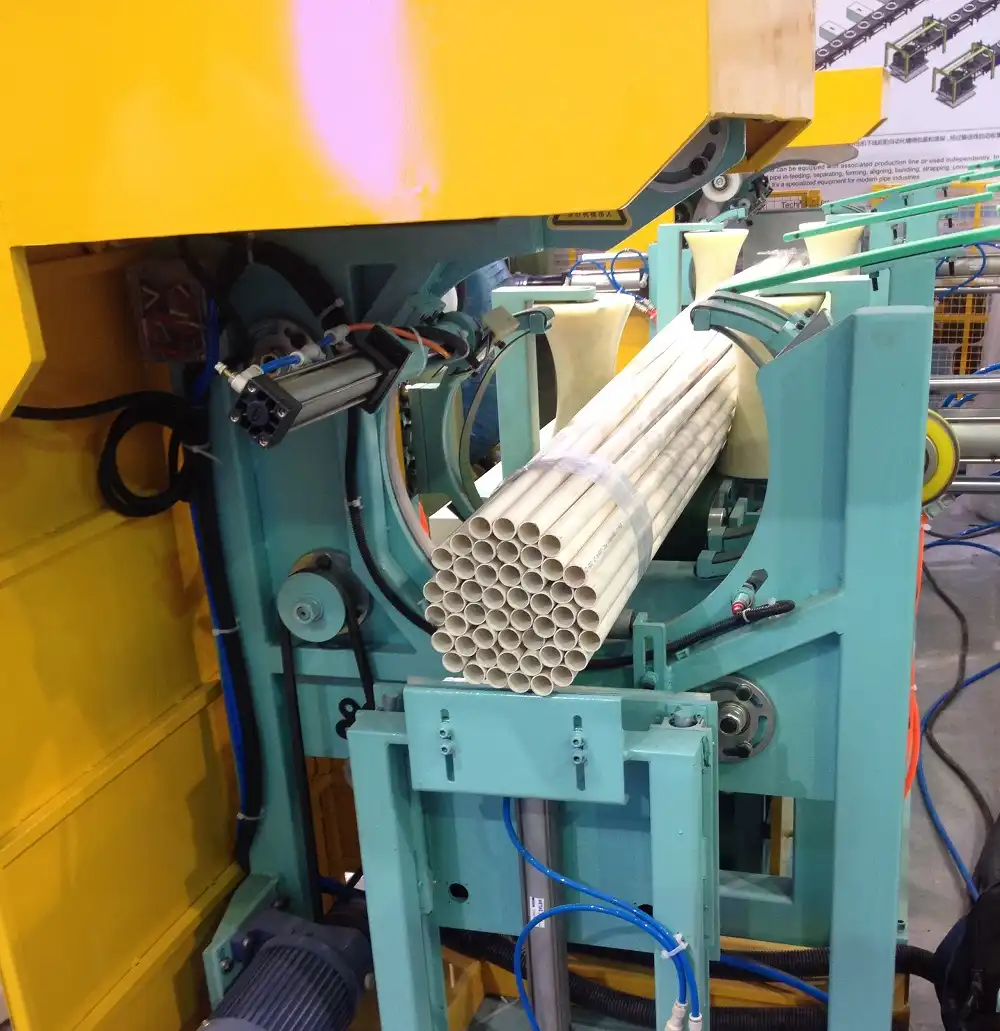
Deep Dive into Handling Best Practices: Minimizing Physical Risks
While the principles of careful handling are straightforward, the practical implementation in a busy warehouse environment demands detailed procedures and trained personnel. Let’s explore the key aspects of proper handling techniques in greater depth.
The Importance of Gentle Lifting and Movement
PPR pipes, while robust in application, can be susceptible to surface damage and structural compromise if mishandled. Scratches, gouges, and dents not only detract from the aesthetic appearance but can also create stress concentration points, reducing the pipe’s pressure-bearing capacity and lifespan. Dragging pipes across concrete floors, dropping them during loading/unloading, or using forklift forks directly against the pipe surface are common causes of such damage.
Storage facilities should employ protocols that mandate:
- Manual Lifting Teams: For smaller diameter pipes, trained teams should lift and carry pipes, avoiding dragging or dropping.
- Appropriate Lifting Equipment: For larger, heavier pipes, forklifts with specialized pipe-handling attachments (padded forks or slings) are essential. Cranes or hoists may be necessary for very large diameter pipes.
- Smooth Pathways: Designated pathways within the warehouse should be kept clear of debris and obstructions to ensure smooth movement of pipes.
- Controlled Movement Speeds: Forklift operators and manual handling teams should be trained to move pipes at controlled speeds, avoiding sudden stops or starts that can cause pipes to shift and potentially collide with each other or warehouse structures.
Stacking and Support: Preventing Deformation Under Load
Improper stacking is a major cause of pipe deformation during storage. PPR pipes, especially larger diameters and thinner wall thicknesses, can sag or flatten under their own weight and the weight of pipes stacked above them if not adequately supported. Deformation can lead to ovality, making proper jointing difficult, and can also induce stress in the pipe wall, potentially weakening it.
Best practices for stacking include:
- Flat and Level Surfaces: Pipes should be stacked on flat, level floors or pallets to ensure even weight distribution. Uneven surfaces can create point loads, leading to localized deformation.
- Layered Stacking with Dunnage: For multi-layer stacking, dunnage (wooden beams or sturdy planks) should be placed between layers to distribute weight evenly and prevent direct pipe-on-pipe contact. The dunnage should be aligned vertically to prevent bending.
- Limited Stacking Height: Maximum stacking height should be determined based on pipe diameter, wall thickness, and manufacturer’s recommendations. Generally, lower stacking heights are safer, especially for longer storage durations.
- Interlocking Stacks (for Bundles): If pipes are bundled, stacks can be interlocked in a pyramid or staggered fashion to improve stability and reduce the risk of toppling.
- Regular Inspections of Stacks: Warehouse personnel should regularly inspect stacks for signs of instability or deformation and take corrective action immediately.
Protective Packaging: The First Line of Defense
Maintaining PPR pipes in their original packaging provides a crucial first line of defense against physical damage and contamination. Original packaging is designed to provide cushioning and support during transit and handling. If original packaging is damaged or insufficient, supplementary protective measures should be taken, such as:
- Plastic Wrapping: Bundling or wrapping pipes in heavy-duty plastic film protects against dust, dirt, moisture, and minor scratches.
- Bubble Wrap or Foam Padding: For individual pipes or sensitive fittings, bubble wrap or foam padding can provide enhanced cushioning, especially for fragile items or during transportation.
- End Caps: Protecting pipe ends with end caps prevents ingress of dirt and debris and minimizes the risk of damage to the pipe ends, which are critical for joint integrity.
By prioritizing gentle lifting, proper stacking techniques, and protective packaging, a storage facility can significantly minimize the risk of physical damage to PPR pipes, ensuring they reach the customer in optimal condition. Regular training and reinforcement of these handling protocols are vital for a consistently high standard of care.
4. Regular Maintenance and Inspection of PPR Pipes
Even with optimal storage conditions and careful handling, regular maintenance and inspection are indispensable for ensuring the continued quality and performance of PPR pipes, particularly during extended storage periods. Proactive maintenance can identify and address minor issues before they escalate into significant problems, while systematic inspections provide a crucial audit of storage practices and pipe condition.
Routine maintenance for stored PPR pipes includes periodic visual inspections for damage, discoloration, or deformation. Cleaning procedures to remove accumulated dust and dirt are also important, using mild detergents and soft cloths to avoid scratching. For installed systems, regular leak testing is crucial to identify potential weaknesses. Implementing a schedule for these maintenance and inspection activities ensures long-term system reliability and minimizes the risk of unexpected failures.
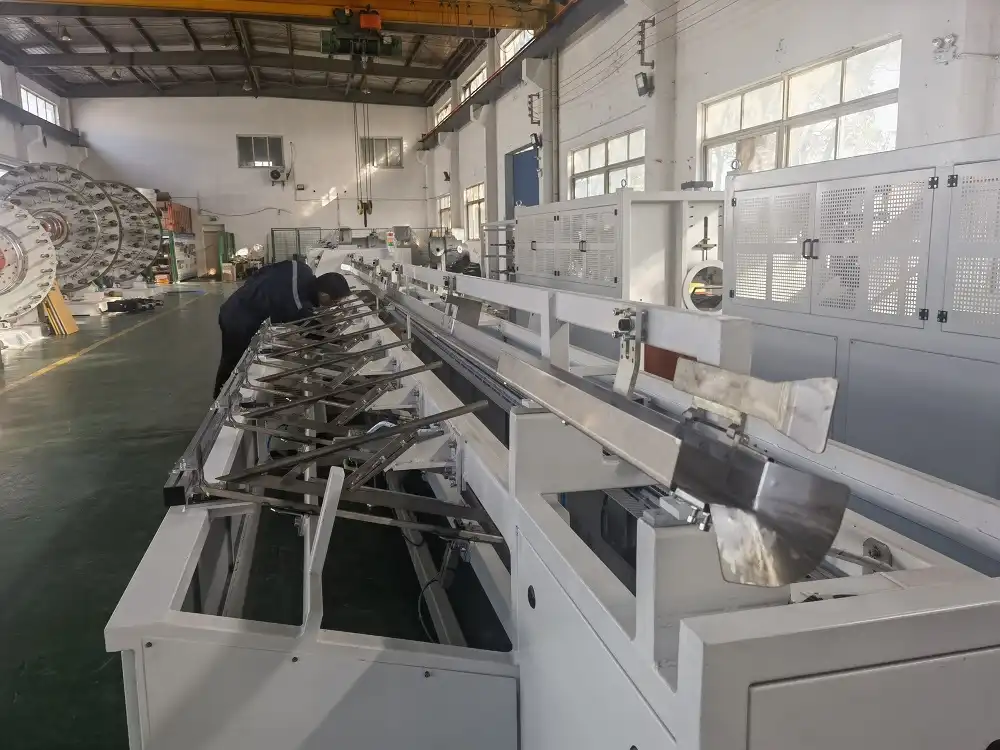
Structuring Maintenance and Inspection for Proactive Quality Control
A haphazard approach to maintenance and inspection is insufficient to guarantee the long-term integrity of stored PPR pipes. A structured, scheduled system is essential. Let’s examine the key components of an effective maintenance and inspection program, focusing on frequency, procedures, and record-keeping.
Scheduled Visual Inspections: The First Line of Defense
Regular visual inspections are the simplest yet most effective method for detecting potential problems early. Inspection frequency should be determined by storage duration and environmental conditions, but at a minimum, inspections should be conducted:
- Monthly: For standard long-term storage.
- Weekly: In environments with higher risk factors (e.g., fluctuating temperatures, higher humidity, outdoor storage under cover).
- Upon Receipt and Before Dispatch: A quick visual check should be performed when pipes arrive at the storage facility and again before they are shipped out.
Visual Inspection Checklist:
| Item to Inspect | Signs of Concern | Corrective Action |
|---|---|---|
| Pipe Surface | Scratches, dents, gouges, cracks, abrasions, discoloration | Isolate damaged pipes, assess severity, contact manufacturer if needed |
| Pipe Ends | Cracks, damage to bevels (if present), debris accumulation | Clean pipe ends, protect with end caps, repair bevel damage if possible |
| Stacking Arrangement | Leaning stacks, deformation of pipes at bottom of stacks | Re-stack pipes correctly, reduce stacking height, improve dunnage |
| Packaging (if present) | Tears, damage, moisture ingress | Replace damaged packaging, re-wrap pipes if necessary |
| Storage Environment | Signs of excessive humidity, condensation, pest infestation | Improve ventilation, dehumidify, implement pest control measures |
Detailed records of each inspection should be maintained, including date, inspector’s name, findings, and any corrective actions taken. This documentation provides a valuable history of pipe condition and storage practices.
Cleaning Procedures: Maintaining Surface Integrity
Accumulated dust, dirt, and grime on PPR pipes not only detract from their appearance but can also potentially harbor contaminants that could affect jointing or water quality in potable water systems. Periodic cleaning is therefore a recommended maintenance practice.
Cleaning Guidelines:
- Frequency: Cleaning should be performed every 3-6 months, or more frequently if pipes are stored in dusty or polluted environments.
- Method: Use a soft cloth or sponge dampened with a mild detergent solution (e.g., dish soap diluted in water). Avoid abrasive cleaners or scouring pads that could scratch the pipe surface.
- Rinsing and Drying: After cleaning, rinse pipes thoroughly with clean water and allow them to air dry completely before re-stacking or dispatching.
- Specialized Cleaners: For stubborn stains or specific contaminants, consult the PPR pipe manufacturer for recommendations on appropriate cleaning agents. Avoid harsh solvents or chemicals that could damage the PPR material.
Leak Testing (for Installed Systems): Verifying Joint Integrity
While leak testing is primarily relevant to installed PPR piping systems, storage facilities that also perform pre-fabrication or assembly of pipe sections may need to incorporate leak testing procedures. Leak testing ensures the integrity of joints made before pipes leave the facility, minimizing the risk of leaks after installation.
Leak Testing Protocols:
- Pressure Testing: Pressurize the assembled pipe section to a specified test pressure (typically 1.5 times the system’s operating pressure) using water or air.
- Duration: Maintain the test pressure for a specified duration (e.g., 30 minutes to 1 hour).
- Inspection for Leaks: Carefully inspect all joints and pipe surfaces for any signs of leakage (water droplets, pressure drop).
- Documentation: Record test pressure, duration, and results for each tested section.
By implementing a comprehensive and scheduled maintenance and inspection program, storage facilities can proactively safeguard the quality of PPR pipes, minimize the risk of defects, and ensure customer satisfaction. Consistent adherence to these practices is a hallmark of a quality-focused PPR pipe storage facility.
Conclusion
Selecting a PPR pipe storage facility is not merely about finding space; it’s about partnering with a provider who understands the specific needs of PPR pipes and implements best practices across environmental control, handling, maintenance, and inspection. By prioritizing facilities that demonstrate a commitment to these key factors, you safeguard your PPR pipe investment, ensure product quality, and contribute to the long-term reliability of plumbing and heating systems that utilize these versatile materials. Choosing wisely translates directly into reduced risks, minimized waste, and enhanced customer satisfaction.








