
How to Improve the Durability of PVC Pipes During Storage?
Ensuring the longevity of PVC pipes is crucial for any project, whether for plumbing, irrigation, or construction. Proper storage is a key factor in maintaining the integrity and extending the lifespan of these versatile materials before they are even put to use. This guide explores essential strategies to protect your PVC pipes from degradation during storage, safeguarding your investment and project success.
To improve the durability of PVC pipes during storage, focus on minimizing exposure to direct sunlight and extreme temperatures, and prevent physical damage. Store pipes indoors in a well-ventilated, dry location, stacked horizontally with supports, and protect ends from debris. Regular inspection and stock rotation further ensure longevity.
By implementing correct storage techniques, you can prevent common issues such as warping, cracking, and UV degradation. Let’s delve into the best practices that will help you maximize the durability of your PVC pipes while in storage, ensuring they perform optimally when you need them.
1. Choose the Right Storage Location
Selecting an appropriate storage location is the cornerstone of preserving PVC pipe durability. The environment where your pipes are stored significantly impacts their condition and longevity. Opting for the right space can mitigate many potential storage-related damages right from the start.
The best location for storing PVC pipes is indoors, in a cool, dry, and well-ventilated area, away from direct sunlight and extreme temperature fluctuations. Ideal locations include warehouses, garages, or sheds that are shielded from the elements. Avoid damp basements or areas prone to temperature extremes.
To elaborate, consider these key aspects when choosing your PVC pipe storage area:
Indoor vs. Outdoor Storage: A Detailed Comparison
The debate between indoor and outdoor storage for PVC pipes is not just about convenience; it’s about preserving material integrity. While outdoor storage might seem like a space-saver, the long-term effects can be detrimental. Let’s break down the pros and cons and understand why indoor storage is generally superior for PVC pipe durability.
| Feature | Indoor Storage | Outdoor Storage |
|---|---|---|
| Sunlight Exposure | Shielded from UV radiation, preventing degradation | Direct exposure to UV rays, leading to brittleness and discoloration |
| Temperature | Stable temperatures, minimizing expansion/contraction | Fluctuating temperatures, causing stress and potential warping |
| Humidity & Moisture | Controlled humidity, reducing risk of mold/mildew | Exposure to rain, snow, and humidity, promoting mold and material degradation |
| Physical Damage | Protected from accidental impacts and elements | Higher risk of physical damage from weather, debris, and pests |
| Ventilation | Often better ventilation, preventing moisture buildup | Ventilation can be inconsistent, depending on covering and weather |
| Security | More secure from theft and vandalism | Less secure, exposed to theft and environmental vandalism |
As the table illustrates, indoor storage provides a much more controlled environment. The critical factor is UV radiation. Sunlight contains ultraviolet (UV) rays that can break down the chemical bonds in PVC over time. This leads to a process called photodegradation, making the PVC brittle, discolored, and prone to cracking. Indoor storage eliminates this direct UV exposure.
Temperature stability is another significant advantage of indoor storage. PVC, like all plastics, expands and contracts with temperature changes. Extreme temperature fluctuations, especially cycles of heat and cold, can induce stress within the pipe material, potentially leading to deformation or cracking over extended periods. Indoor environments, particularly climate-controlled spaces, maintain more consistent temperatures.
Furthermore, indoor spaces typically offer better protection from moisture and humidity. While PVC is water-resistant, prolonged exposure to damp conditions, especially in poorly ventilated outdoor areas, can encourage mold and mildew growth, which, while not directly damaging to PVC itself, can indicate a less-than-ideal storage environment and potentially affect labels or any protective coverings.
While some manufacturers treat PVC pipes to enhance UV resistance for limited outdoor storage, this protection is not indefinite. For long-term storage and optimal durability, prioritizing indoor locations remains the best practice. If outdoor storage is unavoidable, rigorous protective measures become essential, as discussed in later sections.
2. Organize and Stack Properly
Effective organization and stacking are not just about saving space; they are crucial for preventing damage and maintaining the structural integrity of PVC pipes during storage. Improper stacking can lead to warping, bending, or even cracking under the weight of the pipes themselves. A systematic approach to organizing and stacking is therefore a key component of ensuring long-term PVC pipe durability.
To properly organize and stack PVC pipes, group them by size and type for easy access and to prevent mismatched stacking. Store pipes horizontally on racks or supports to distribute weight evenly and avoid warping. Do not overload stacks and ensure stability to prevent toppling and potential damage.
Here’s a deeper look into the best practices for organizing and stacking PVC pipes:
Horizontal Stacking vs. Vertical Stacking: Pros, Cons, and Best Practices
The orientation in which you stack PVC pipes—horizontally versus vertically—can significantly impact their condition over time. While vertical stacking might initially seem space-efficient, it presents several risks that horizontal stacking effectively mitigates. Let’s compare these methods to understand why horizontal storage is generally recommended for PVC pipes.
| Feature | Horizontal Stacking | Vertical Stacking |
|---|---|---|
| Weight Distribution | Weight distributed evenly along the pipe length | Weight concentrated at the bottom, causing potential stress and deformation |
| Warping/Bending Risk | Lower risk of warping or bending due to even weight distribution | Higher risk of warping or bending, especially for longer pipes at the bottom |
| Accessibility | Easier access to individual pipes without disturbing the entire stack | Difficult to access pipes at the bottom without unstacking the top layers |
| Space Efficiency (Floor) | Requires more floor space for the same quantity of pipes | Uses less floor space, more space-efficient footprint |
| Stability | Generally more stable, especially with proper supports | Can be less stable, prone to toppling if not perfectly balanced or supported |
| Pipe Size Management | Facilitates grouping by size and type on different racks | Difficult to manage different sizes and types within a vertical stack |
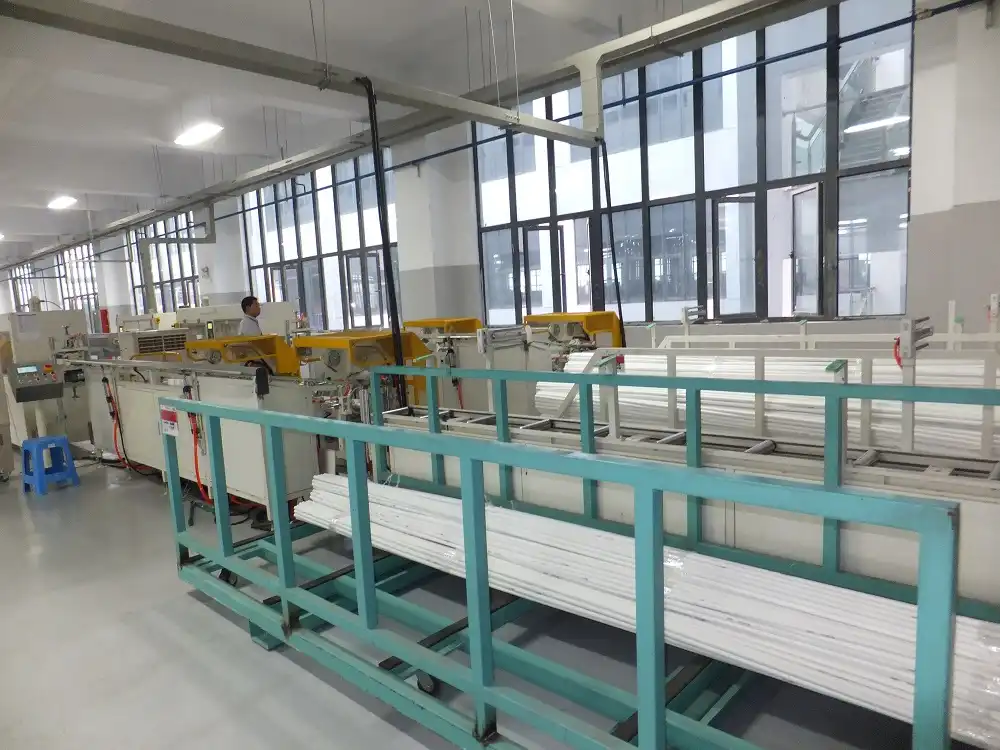
The primary advantage of horizontal stacking is superior weight distribution. When pipes are stacked horizontally, the weight is spread across their entire length, minimizing stress on any single point. This is especially important for longer or thinner-walled PVC pipes, which are more susceptible to bending or warping under concentrated weight. Using racks or supports further enhances weight distribution and prevents direct contact with the floor, which can be damp or uneven.
Vertical stacking, conversely, concentrates the entire weight of the stack on the pipes at the bottom. This compressive force can lead to deformation, particularly at the base of the stack. While vertical stacking saves floor space, this advantage is often outweighed by the potential for damage. Furthermore, accessing pipes from a vertical stack is cumbersome and potentially hazardous, as removing pipes from the bottom requires unstacking everything above.
For best practices in horizontal stacking:
- Utilize Racks and Supports: Invest in sturdy racks or create supports using lumber to keep pipes off the ground and evenly spaced.
- Stack in Layers: Stack pipes in layers, separating each layer with supports if necessary, especially for heavy loads.
- Limit Stack Height: Avoid excessively high stacks to prevent pressure on lower pipes and risk of toppling. Consider pipe diameter and wall thickness when determining stack height.
- Group by Size and Type: Organize pipes by diameter, schedule (wall thickness), and type (e.g., Schedule 40, Schedule 80) on separate racks or clearly labeled sections. This improves organization and prevents mixing pipes with different load-bearing capacities in the same stack.
By adopting horizontal stacking with proper supports, you significantly reduce the risk of damage and improve accessibility, making it the preferred method for maintaining the quality of stored PVC pipes.

3. Protect from Physical Damage
Protecting PVC pipes from physical damage during storage is paramount to ensuring they remain structurally sound and ready for installation. PVC, while durable in application, can be vulnerable to scratches, dents, and impacts during handling and storage, which can compromise their integrity and lead to premature failure once installed. Implementing preventative measures is essential for maintaining pipe quality.
To protect PVC pipes from physical damage, always cap or plug the ends to prevent debris and moisture from entering. Avoid stacking heavy items on top of pipes to prevent crushing or warping. Use protective barriers if storing near other materials to prevent scratches and abrasions during handling and movement.
Here are detailed strategies to shield your PVC pipes from physical damage:
Comprehensive Strategies for Preventing Physical Damage to PVC Pipes
Physical damage to PVC pipes can range from minor surface scratches to significant structural cracks, each potentially impacting the pipe’s performance and lifespan. A comprehensive approach to protection involves addressing various sources of physical stress and implementing preventative measures at each stage of storage and handling.
| Type of Damage | Cause | Prevention Strategy | Material/Tool Recommendation |
|---|---|---|---|
| Scratches & Abrasions | Contact with rough surfaces, other pipes, debris | Use protective barriers, handle with care, clean storage area | Pipe caps, protective sleeves, soft cloths |
| Dents & Crushing | Heavy objects stacked on pipes, impact loads | Avoid overloading stacks, no heavy items on top, careful handling | Racks, supports, weight limit signs |
| End Damage (Cracking, Splitting) | Impacts on ends, exposure to elements | Cap or plug pipe ends, gentle handling, proper stacking | Pipe caps, plugs, end protectors |
| Warping & Deformation | Uneven support, excessive weight, temperature fluctuations | Horizontal stacking, even supports, climate-controlled storage | Racks, level ground, climate control |
| Internal Debris | Open pipe ends, dirty storage environment | Cap or plug pipe ends, clean storage area, regular inspection | Pipe caps, plugs, cleaning tools |
End Protection: Capping or plugging both ends of PVC pipes is a simple yet highly effective measure. End caps prevent debris, dust, insects, and moisture from entering the pipes during storage. Internal debris can be difficult to remove and may compromise joint integrity during installation. Moisture inside pipes can promote mold growth in humid environments. Use snug-fitting caps or plugs made of plastic or rubber.
Weight Distribution and Stacking: As discussed earlier, proper stacking is crucial. Beyond horizontal stacking, ensure that stacks are not overloaded. Never place heavy items on top of stacked PVC pipes. Excessive weight can lead to bending, cracking, or misshaping, especially in lower layers of the stack. Implement clear weight limits for stacks and train personnel on proper stacking procedures.
Protective Barriers and Handling: When storing PVC pipes in proximity to other materials, especially metal or concrete, use protective barriers to prevent direct contact. Cardboard, rubber mats, or even fabric can serve as effective buffers against scratches and abrasions. During handling—loading, unloading, and moving pipes within the storage area—emphasize careful handling. Avoid dropping, dragging, or bumping pipes against hard surfaces. Use proper lifting techniques and equipment, such as slings or forklifts with non-abrasive forks, especially for bundles of pipes.
Regular Inspection: Periodic inspections are vital for identifying any signs of physical damage early on. Regularly check stored pipes for scratches, dents, cracks, or deformation. Address any issues promptly. Rotate stock on a “first-in, first-out” basis to minimize the storage duration and ensure that older pipes are used first, reducing the risk of prolonged storage-related damage.
By implementing these comprehensive physical protection strategies, you can significantly minimize the risk of damage to PVC pipes during storage, ensuring they maintain their quality and performance readiness.
4. Temperature and Humidity Considerations
Temperature and humidity are critical environmental factors that can significantly impact the durability of PVC pipes during storage. Extreme temperatures and high humidity levels can lead to various forms of degradation, affecting the pipes’ structural integrity and longevity. Managing these factors is crucial for preserving the quality of your PVC pipe inventory.
To address temperature and humidity concerns, store PVC pipes in a climate-controlled environment whenever possible to maintain stable temperatures and low humidity. Ensure adequate ventilation in the storage area to prevent moisture buildup. Avoid exposing pipes to extreme heat or cold, as both can cause damage.
Here’s a detailed examination of temperature and humidity effects and mitigation strategies:
Deep Dive: Temperature and Humidity Effects on PVC Pipe Durability
PVC’s material properties are sensitive to temperature and humidity variations. Understanding how these environmental factors affect PVC is key to implementing effective storage protocols.
| Environmental Factor | Impact on PVC Pipe | Mitigation Strategy | Technology/Equipment Suggestion |
|---|---|---|---|
| High Temperature | Expansion, softening, potential warping, reduced pressure rating | Climate-controlled storage, shaded areas, ventilation | Air conditioning, fans, shade cloths |
| Low Temperature | Contraction, increased brittleness, impact vulnerability | Insulated storage, indoor heated storage, gradual temperature acclimatization | Heaters, insulation, temperature monitoring |
| High Humidity | Moisture condensation, potential mold/mildew growth, label degradation | Dehumidification, ventilation, dry storage area, moisture barriers | Dehumidifiers, ventilation systems, vapor barriers |
| Temperature Fluctuations | Cyclic stress, expansion/contraction fatigue, potential cracking | Stable climate control, minimize temperature swings, indoor storage | Thermostatically controlled HVAC |
Temperature Effects: High temperatures can cause PVC to expand and soften, potentially leading to warping or deformation, especially under load. Elevated temperatures can also reduce the pressure rating of PVC pipes. Conversely, low temperatures make PVC more brittle and susceptible to impact damage. Extreme cold can cause pipes to contract, potentially stressing joints if pipes are already connected. Rapid temperature fluctuations are particularly harmful, as the repeated expansion and contraction cycles can induce fatigue and cracking over time.
Humidity Effects: High humidity promotes moisture condensation on PVC pipe surfaces. This moisture, combined with poor ventilation, can create an environment conducive to mold and mildew growth. While mold doesn’t directly degrade PVC, it can damage labels, create unpleasant odors, and indicate a suboptimal storage environment. In very humid conditions, prolonged moisture exposure might contribute to hydrolysis, a slow chemical degradation process in some plastics, although PVC is relatively resistant to this.
Mitigation Strategies:
- Climate-Controlled Storage: The ideal solution is to store PVC pipes in a climate-controlled environment, such as a warehouse with HVAC (Heating, Ventilation, and Air Conditioning). Maintaining a stable temperature range (ideally between 10°C to 25°C or 50°F to 77°F) and low humidity (below 50%) minimizes temperature and humidity-related risks.
- Ventilation: If climate control is not feasible, ensure adequate ventilation in the storage area. Good airflow helps to dissipate heat and reduce humidity buildup. Use fans to improve air circulation, especially in enclosed spaces.
- Avoid Extreme Temperatures: Whether indoors or outdoors, avoid storing PVC pipes in locations where they are exposed to direct heat sources (e.g., radiators, direct sunlight through windows) or extreme cold (e.g., unheated outdoor areas in freezing climates). In hot climates, shaded storage is essential. In cold climates, consider insulated or heated storage.
- Acclimatization: If pipes have been stored in extreme temperatures, allow them to acclimatize to the ambient temperature at the installation site before use, especially in cold weather. This reduces the risk of cracking due to thermal shock during handling or installation.
- Humidity Control Measures: In humid environments, consider using dehumidifiers in indoor storage areas. For outdoor storage, ensure pipes are covered in a way that promotes ventilation rather than trapping moisture. Vapor barriers under stacks can prevent ground moisture from affecting the pipes.
By diligently managing temperature and humidity in PVC pipe storage, you can prevent a range of degradation issues and significantly extend the lifespan and usability of your pipe inventory.
Conclusion
Proper storage of PVC pipes is not merely an organizational task; it’s a critical investment in the longevity and performance of your materials. By adhering to the guidelines outlined—choosing appropriate storage locations, implementing organized stacking, ensuring protection from physical damage, and carefully managing temperature and humidity—you can significantly enhance the durability of PVC pipes during storage. These practices minimize degradation risks, prevent costly replacements, and ensure that your PVC pipes are always in optimal condition, ready for reliable service in any project. Prioritizing these storage techniques translates directly to long-term savings, reduced project delays, and enhanced overall efficiency.








