
1. What Are the High-Temperature Resistance Requirements for Steel Wire Packing?
Steel wire packing, crucial for safe transport and storage, faces extreme conditions, especially high temperatures. Understanding the high-temperature resistance requirements is paramount to maintaining the integrity of both the steel wire and its packaging. This ensures safety and prevents material degradation.
Steel wire packing for high-temperature environments must withstand degradation, maintain structural integrity, and provide thermal protection. This involves selecting appropriate materials and designs to ensure the steel wire remains undamaged and safe during exposure to elevated temperatures.
As industries push operational limits, the demands on steel wire packing are escalating. This article delves into the essential high-temperature resistance requirements for steel wire packing, crucial for industries ranging from manufacturing to logistics. We will explore material considerations, thermal protection methods, and industry standards to equip you with a comprehensive understanding.
2. Understanding High-Temperature Challenges in Steel Wire Packing
High temperatures pose significant challenges to steel wire packing, impacting material properties and structural integrity. Exposure to heat can compromise the packing’s ability to protect the steel wire, leading to potential damage and safety hazards during handling and transportation.
Elevated temperatures can cause steel wire packing materials to degrade, lose strength, and fail to provide adequate protection. This degradation can lead to deformation, breakage, and ultimately, exposure of the steel wire to environmental damage and potential safety risks.
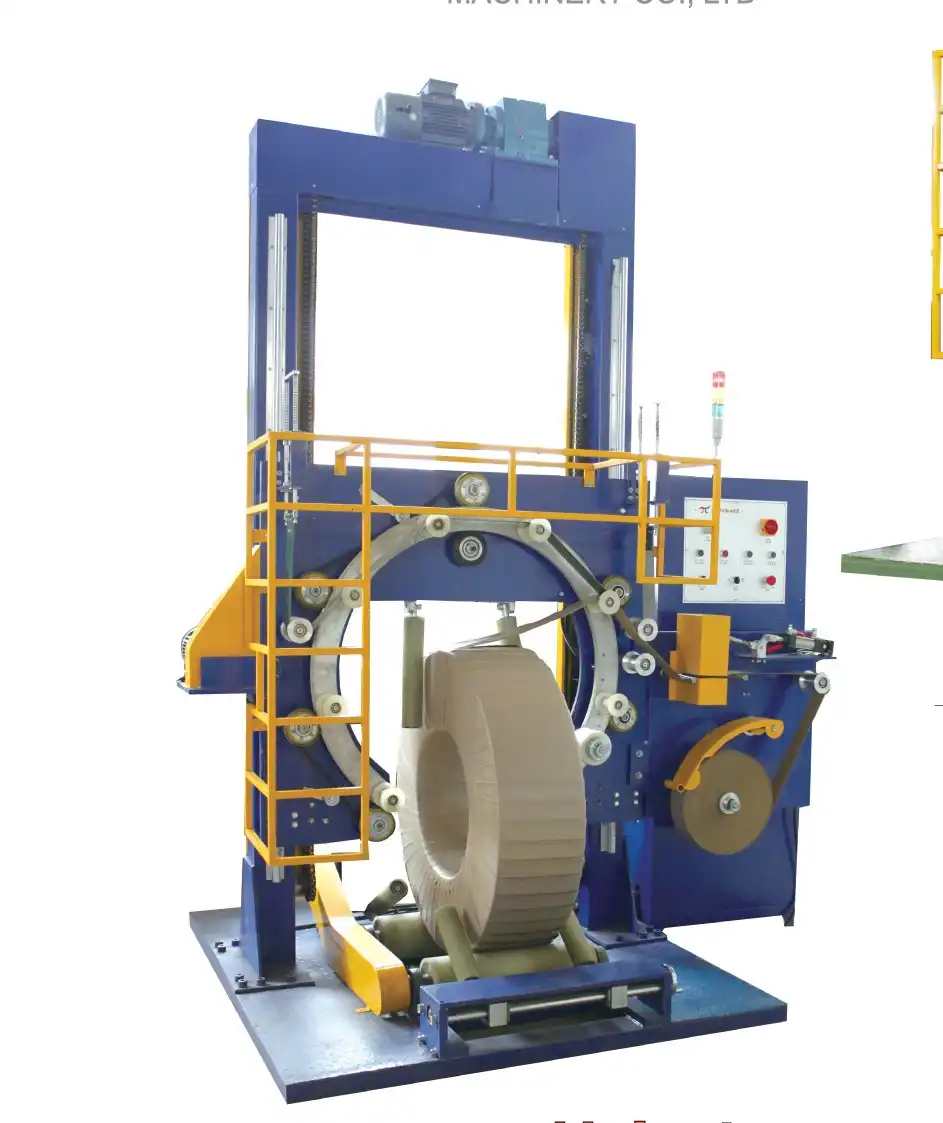
To fully grasp the complexities, let’s break down the specific ways high temperatures challenge steel wire packing and how these challenges can be effectively addressed.
Deep Dive into Material Degradation at High Temperatures
The primary challenge lies in material degradation. Different components of steel wire packing react uniquely to heat, which can lead to a cascade of problems. Let’s examine common packing materials and their vulnerabilities at elevated temperatures:
| Material Type | Degradation Mechanism | Temperature Threshold (Approximate) | Impact on Packing |
|---|---|---|---|
| Plastics (LDPE, HDPE) | Melting, softening, loss of tensile strength | 80°C – 120°C | Structural failure, loss of containment |
| Cardboard/Paper | Combustion, charring, loss of integrity | 170°C – 230°C | Loss of protection, fire hazard |
| Wood | Combustion, charring, structural weakening | 250°C – 300°C (ignition) | Structural failure, fire hazard |
| Steel (Packing Bands) | Loss of tensile strength, increased creep | >400°C | Band loosening, package instability |
As the table illustrates, organic materials like plastics, cardboard, and wood are highly susceptible to heat degradation at relatively low temperatures. Even steel, while more heat-resistant, can lose crucial mechanical properties if temperatures become excessively high. This necessitates careful material selection and, often, the incorporation of dedicated thermal protection measures in steel wire packing.
3. Material Selection for High-Temperature Steel Wire Packing
Selecting the right materials is crucial for steel wire packing intended for high-temperature environments. The ideal material must not only withstand elevated temperatures but also maintain its protective function, ensuring the integrity of the steel wire during storage and transport.
For high-temperature steel wire packing, materials like heat-resistant polymers (e.g., PEEK, PTFE), specialized heat-resistant cardboard, and steel are preferred. These materials offer enhanced thermal stability and maintain their structural properties at higher temperatures, providing reliable protection.

Let’s explore advanced materials and techniques that enhance high-temperature performance in steel wire packing.
Advanced Materials and Techniques for Enhanced Heat Resistance
Beyond basic material selection, several advanced materials and techniques bolster the high-temperature resistance of steel wire packing:
-
High-Temperature Polymers: Engineering polymers like Polyetheretherketone (PEEK) and Polytetrafluoroethylene (PTFE) offer significantly higher melting points and thermal stability compared to conventional plastics. PEEK, for example, can withstand continuous use temperatures up to 250°C, while PTFE excels up to 260°C, making them suitable for demanding applications. These materials can be used in components like wraps or protective layers within the packing.
-
Heat-Resistant Cardboard and Paper: Specialized cardboard and paper products treated with fire retardants and heat-stabilizing additives can offer improved thermal performance. These materials are designed to char rather than combust readily, providing a degree of insulation and protection for the steel wire. While not suitable for extreme temperatures, they can be effective in moderately heated environments.
-
Ceramic Coatings and Liners: For extreme high-temperature applications, ceramic coatings or liners can be integrated into the packing design. Ceramics possess exceptional heat resistance and can act as a thermal barrier, protecting the inner packing layers and the steel wire from direct heat exposure. These can be applied as coatings to steel bands or as rigid liners within the packaging structure.
-
Multi-Layered Packing Systems: Combining different materials in a multi-layered system can optimize thermal protection. For instance, an outer layer of heat-reflecting foil can deflect radiant heat, while inner layers of heat-resistant cardboard and polymer films provide insulation and structural support. This approach leverages the strengths of different materials to create a robust thermal barrier.
-
Ventilation and Air Gaps: Incorporating ventilation channels or air gaps within the packing design can help dissipate heat and reduce the temperature buildup around the steel wire. This is particularly effective in convective heating environments where air circulation can remove heat away from the package.
By strategically employing these advanced materials and techniques, steel wire packing can be engineered to withstand a wide range of high-temperature conditions, ensuring product integrity and safety.
4. Thermal Protection Methods in Steel Wire Packing
Beyond material selection, specific thermal protection methods play a crucial role in safeguarding steel wire packing from high temperatures. These methods aim to either reduce heat exposure or mitigate its impact on the packing materials and the steel wire itself.
Thermal protection in steel wire packing is achieved through methods like reflective barriers, insulation layers, and ventilation. These techniques minimize heat transfer to the steel wire and packing materials, maintaining temperature within acceptable limits and preventing heat-induced damage.
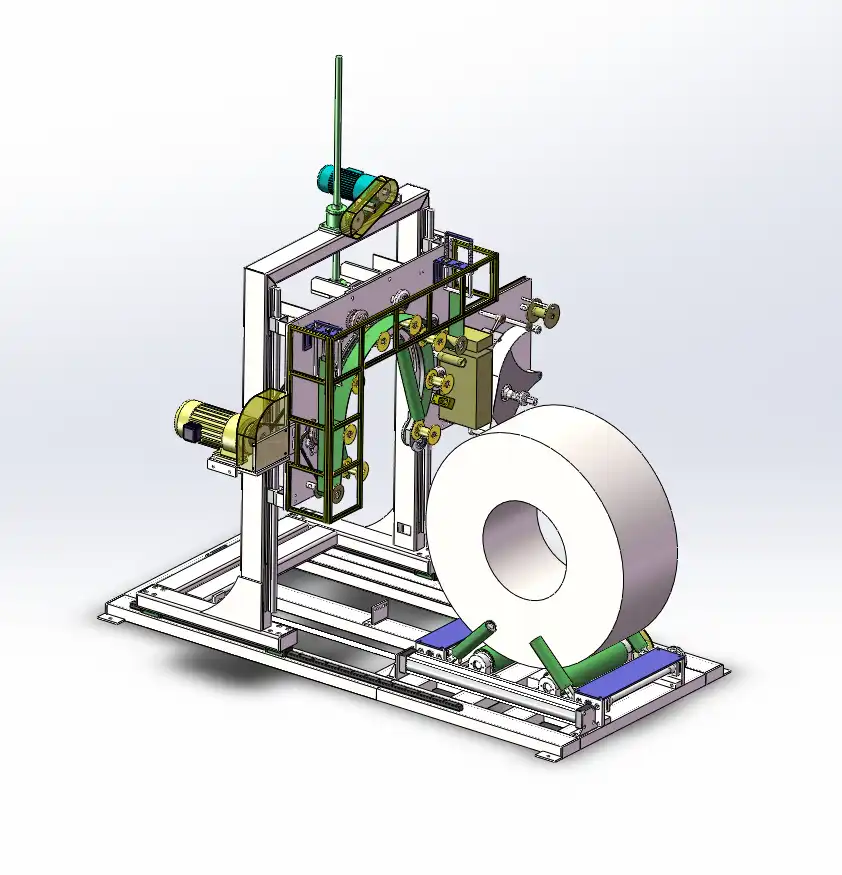
Let’s analyze and compare different thermal protection methods used in steel wire packing to understand their effectiveness and suitability for various applications.
Comparative Analysis of Thermal Protection Methods
Choosing the right thermal protection method depends on factors like the intensity and duration of heat exposure, cost considerations, and the specific requirements of the steel wire being packed. Here’s a comparative overview of common methods:
| Method | Protection Mechanism | Effectiveness | Cost | Complexity | Best Suited For |
|---|---|---|---|---|---|
| Reflective Barriers (Foil) | Reflects radiant heat away from packaging | High for radiant heat | Moderate | Low | Environments with significant radiant heat sources |
| Insulation Layers (e.g., Mineral Wool, Ceramic Fiber) | Reduces conductive and convective heat transfer | High overall | Moderate to High | Moderate | Broad range of high-temperature environments |
| Ventilation/Air Gaps | Dissipates heat through air circulation | Moderate to High (convective heat) | Low | Low | Convective heating environments, moderate heat |
| Phase Change Materials (PCMs) | Absorbs heat during phase transition | High for specific temperature range | High | High | Environments with fluctuating temperatures |
| Water Cooling Systems | Active cooling using circulating water | Very High | Very High | High | Extreme high-temperature, controlled environments |
As the table indicates, each method offers unique advantages and is best suited for specific scenarios. Reflective barriers are excellent for radiant heat, while insulation layers provide broader protection against conductive and convective heat. Ventilation is a cost-effective approach for convective heat, and PCMs offer targeted protection within a specific temperature range. For extreme cases, active water cooling systems provide the highest level of thermal control. Often, a combination of these methods is used to create a comprehensive thermal protection system.
5. Standards and Testing for High-Temperature Wire Packing
Ensuring high-temperature resistance in steel wire packing requires adherence to industry standards and rigorous testing protocols. These standards define performance benchmarks, while testing validates that packing solutions meet these criteria under simulated or real-world high-temperature conditions.
Industry standards like ISO and ASTM provide guidelines for testing high-temperature resistance requirements of packaging materials. Testing methods include heat resistance tests, thermal aging tests, and performance evaluations at elevated temperatures to ensure compliance and reliability.
Rigorous testing is essential to verify the high-temperature performance of steel wire packing. Typical tests include:
-
Heat Resistance Tests: These tests directly assess the material’s ability to withstand specific temperatures for a defined duration. Samples of packing materials or full packing configurations are exposed to elevated temperatures in ovens or environmental chambers, and their structural integrity, dimensional stability, and functional properties are evaluated before and after exposure.
-
Thermal Aging Tests: To simulate long-term exposure to high temperatures, accelerated thermal aging tests are conducted. Materials are subjected to elevated temperatures for extended periods, and their degradation rate, changes in mechanical properties, and long-term performance are assessed.
-
Performance Testing at Elevated Temperatures: Functional tests are performed at high temperatures to evaluate the packing’s performance under realistic operating conditions. This can include drop tests, vibration tests, and compression tests conducted while the packing is heated to simulate stress during handling and transportation in hot environments.
-
Fire Resistance Testing: In applications where fire safety is paramount, fire resistance tests are conducted to evaluate the packing’s ability to protect the steel wire in fire scenarios. These tests assess flame spread, smoke generation, and the packing’s capacity to maintain containment and insulation during and after fire exposure.
By adhering to relevant standards and conducting comprehensive testing, manufacturers and users can ensure that steel wire packing systems are truly high-temperature resistant and provide reliable protection in demanding thermal environments.
6. Conclusion
High-temperature resistance is a non-negotiable requirement for steel wire packing in numerous industries. Understanding material degradation, employing advanced materials and thermal protection methods, and adhering to stringent standards and testing are all vital components of ensuring safe and effective packing solutions. As operational temperatures continue to rise across various sectors, the importance of robust, high-temperature-resistant steel wire packing will only intensify, demanding continuous innovation and rigorous quality control.








