
What Are the Common Causes of Pipe Bundling Machine Breakdowns?
Pipe bundling machines are indispensable for efficient packaging across industries. Understanding the common causes of breakdowns ensures smoother operations and minimizes downtime. This article delves into frequent culprits and troubleshooting tips, focusing on achieving peak performance.
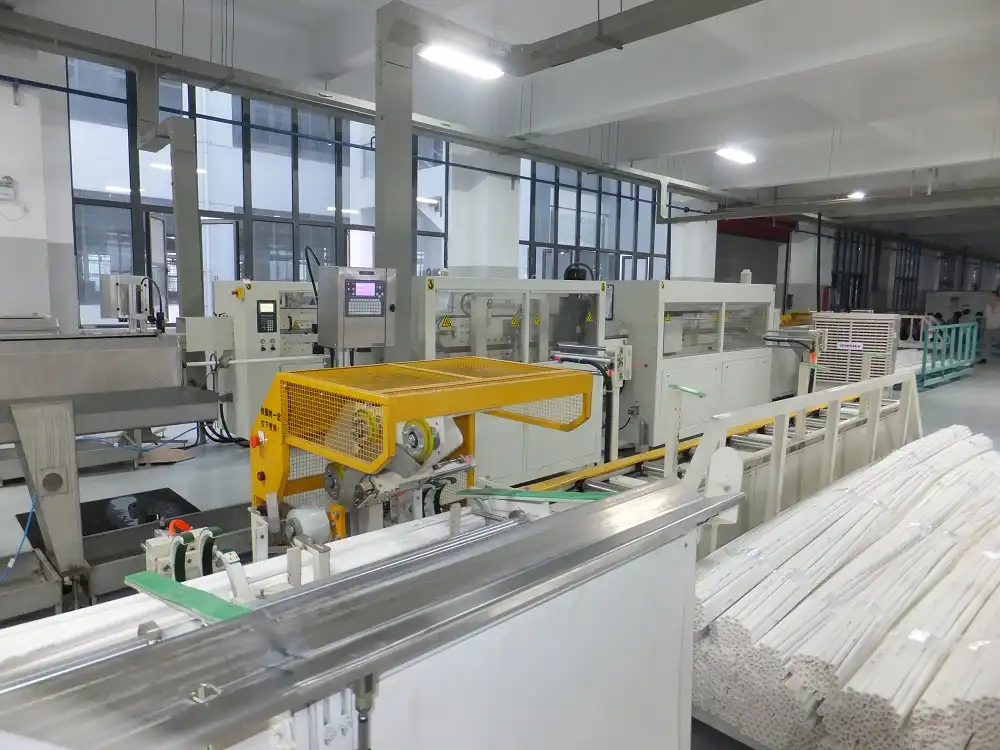
Pipe bundling machine breakdowns often stem from issues like material jams, sensor malfunctions, motor failures, and improper maintenance. Identifying these causes promptly can significantly reduce downtime. Regular inspection, lubrication, and timely replacement of worn parts are crucial for preventing breakdowns and ensuring continuous operation.
To ensure smooth operations and minimize costly downtime, it’s essential to understand common causes and effective solutions. Let’s explore these aspects in detail.
1. Material Feed and Jamming Issues
Infeed mechanisms are critical for bundling efficiency. Problems here can lead to significant disruptions.
Material feed issues are a primary cause of breakdowns. Jams, misalignments, and incorrect tension settings can halt production. Proper material alignment and regular inspection of feed mechanisms are vital for preventing these issues and ensuring smooth operation.
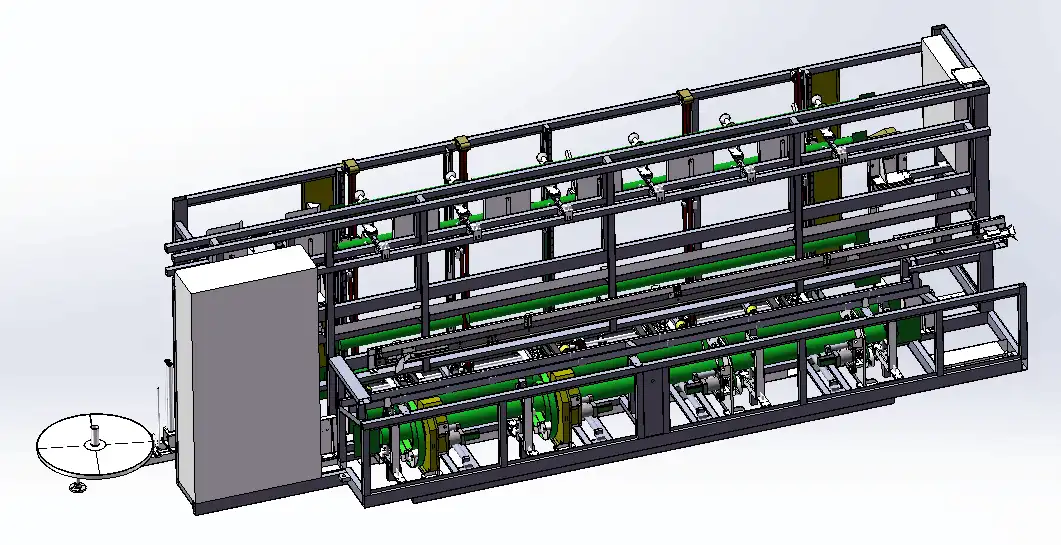
Here’s a breakdown of common feed-related problems and their solutions:
Understanding and Preventing Material Feed Problems
Effective troubleshooting of material feed issues involves a systematic approach to identify and rectify the root causes. By understanding the mechanics and potential problems, operators can minimize downtime and maintain optimal performance.
Types of Material Feed Issues
| Issue | Description | Possible Causes | Solutions |
|---|---|---|---|
| Material Jamming | Material becomes stuck, preventing continuous operation. | Misaligned guides, excessive tension, foreign objects, worn components. | Align guides, adjust tension, remove obstructions, replace worn parts. |
| Misalignment | Material is not properly aligned, leading to bundling inaccuracies. | Improper roller alignment, incorrect tension, uneven material thickness. | Align rollers, adjust tension, use consistent materials. |
| Tension Problems | Material is either too tight (causing breaks) or too loose (causing slippage). | Incorrect tension settings, malfunctioning tension controllers, worn belts or rollers. | Adjust tension settings, repair or replace tension controllers, replace worn belts or rollers. |
| Surface Contamination | Contaminants on material interfere with sealing or bundling process. | Dirty rollers, contaminated material source, poor cleaning practices. | Clean rollers regularly, use clean materials, implement stringent cleaning protocols. |
Solutions for Feed Issues
- Regular Cleaning: Implement a routine cleaning schedule for rollers, guides, and belts to prevent buildup that can cause slippage or jams.
- Proper Alignment: Ensure all rollers and guides are correctly aligned to prevent material from wandering off course. Use laser alignment tools for precision.
- Tension Adjustment: Regularly check and adjust tension settings to match the material being used. Use tension meters for accurate readings.
- Component Replacement: Replace worn belts, rollers, and tension controllers promptly to maintain optimal performance.
- Quality Material: Use high-quality materials with consistent thickness and surface properties to minimize feed problems.
- Training: Ensure operators are well-trained on proper machine operation and troubleshooting techniques.
By systematically addressing these potential issues, operators can maintain smooth and efficient material feed, minimizing disruptions and optimizing the performance of the bundling machine. Properly addressing these issues and educating personnel is key to maintaining efficient production.
2. Sensor and Control System Malfunctions
Precise control systems are necessary for pipe bundling machines to work efficiently. Malfunctions here can halt production and compromise the entire process.
Sensor and control system malfunctions are frequent causes of downtime. Faulty sensors, wiring issues, or software glitches can disrupt automated processes. Regular calibration, inspection, and timely software updates are essential for maintaining control system reliability and preventing breakdowns.
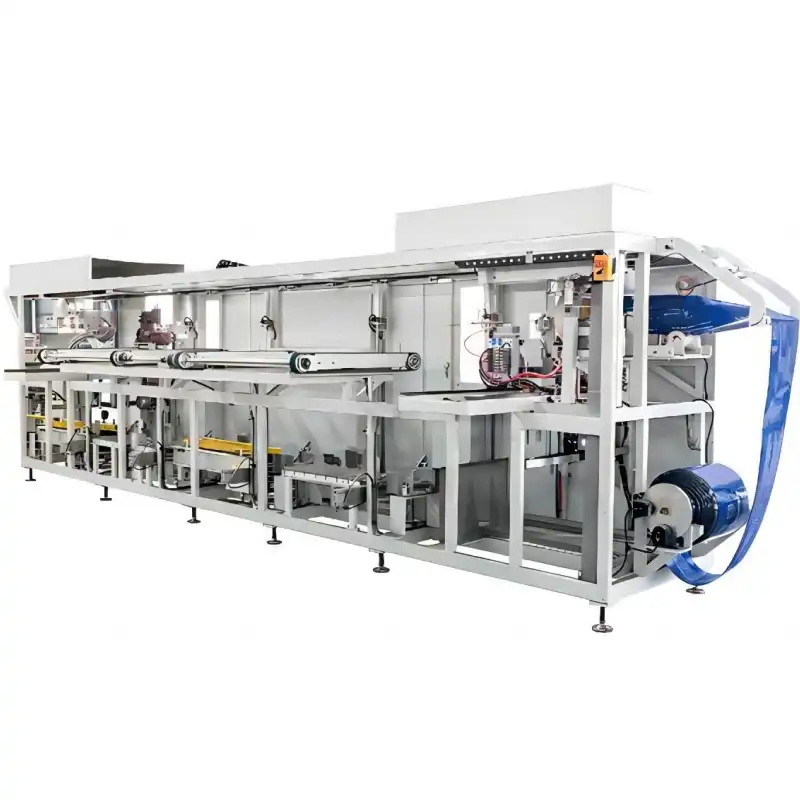
Addressing Control System and Sensor Issues in Pipe Bundling Machines
Effective management of control system and sensor malfunctions is essential for maintaining the efficiency and reliability of pipe bundling machines. By understanding the typical problems and implementing targeted solutions, downtime can be minimized, and the lifespan of the machinery extended.
Diagnosing Sensor and Control System Failures
- Sensor Calibration: Regularly calibrate sensors to ensure accurate readings. Use calibration tools to verify sensor performance.
- Wiring Inspections: Inspect wiring for damage, loose connections, and corrosion. Replace damaged wiring and secure connections.
- Software Updates: Keep software and firmware updated to address bugs and improve performance. Schedule updates during maintenance downtime to avoid disruptions.
- Data Logging: Implement data logging to track sensor readings and system performance over time. Analyze logs to identify trends and anomalies.
- Diagnostic Tools: Utilize diagnostic tools to identify and troubleshoot control system issues. Consult the machine’s manual for recommended tools and procedures.
Mitigating Common Issues
Here are some strategies to help with these malfunctions:
- Sensor Replacement:
- Problem: Sensors fail due to wear, contamination, or electrical issues, leading to incorrect readings and machine malfunctions.
- Solution: Regularly inspect sensors for damage or contamination. Replace sensors at recommended intervals or when performance degrades.
- Wiring and Connection Issues:
- Problem: Loose connections, damaged wiring, or corrosion can disrupt signal transmission, causing control system errors.
- Solution: Inspect wiring and connections regularly. Secure loose connections, replace damaged wiring, and use corrosion-resistant materials.
- Software and Firmware Problems:
- Problem: Software bugs, outdated firmware, or compatibility issues can cause control system failures.
- Solution: Keep software and firmware updated. Test updates in a non-production environment before deployment to avoid unexpected issues.
- Power Supply Problems:
- Problem: Fluctuations in power supply or voltage drops can cause control system malfunctions.
- Solution: Use a stable power supply and surge protectors. Regularly inspect power cables and connections.








