
How to Enhance Security in Plastic Pipe Bundling Operations?
Plastic pipe bundling operations, though essential, present potential security challenges. Prioritizing safety is paramount to ensuring a secure operational environment. By implementing robust measures, we can mitigate risks and ensure the well-being of personnel.
Enhancing security in plastic pipe bundling operations involves implementing safety protocols, conducting regular risk assessments, using safety devices, and fostering a safety culture through training. Regular maintenance, clear guidelines, and equipment safeguards ensure a secure working environment for everyone involved.
Addressing these concerns requires a multifaceted approach. Now, let’s examine the tangible measures and strategies that can substantially enhance security in plastic pipe bundling operations.
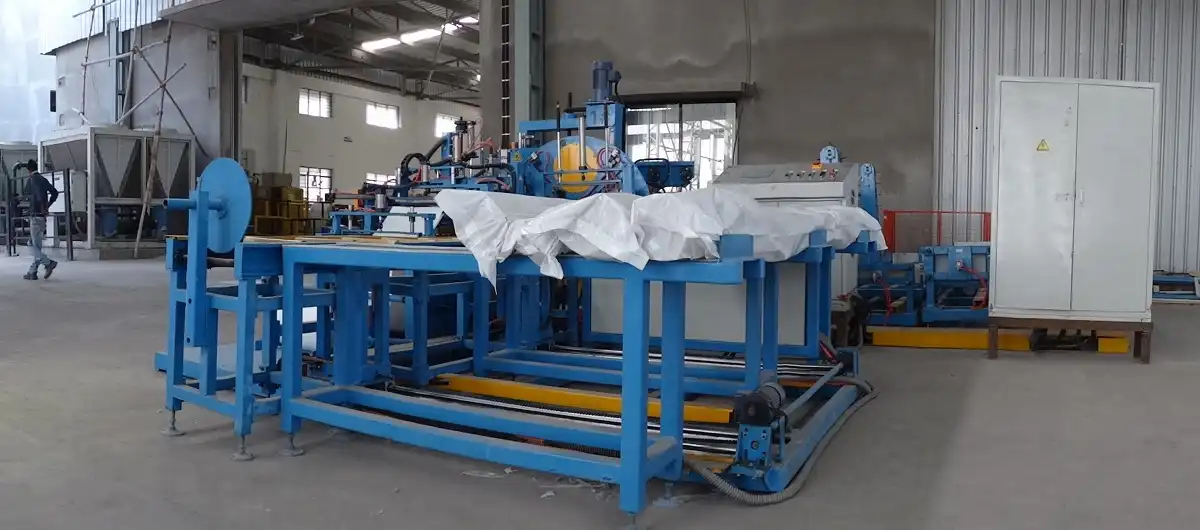
1. Prioritizing Comprehensive Safety Training
A well-trained workforce is crucial in maintaining high security standards. Comprehensive safety training equips employees to identify and address potential risks effectively. This proactive approach minimizes incidents and promotes a safer working environment.
Comprehensive safety training in plastic pipe bundling operations involves detailed manuals, regular drills, hazard identification, and clear communication. Equipping employees with skills and knowledge minimizes risks, fosters vigilance, and creates a safer work environment for all.
But what exactly does comprehensive training entail, and how can it tangibly improve security outcomes?
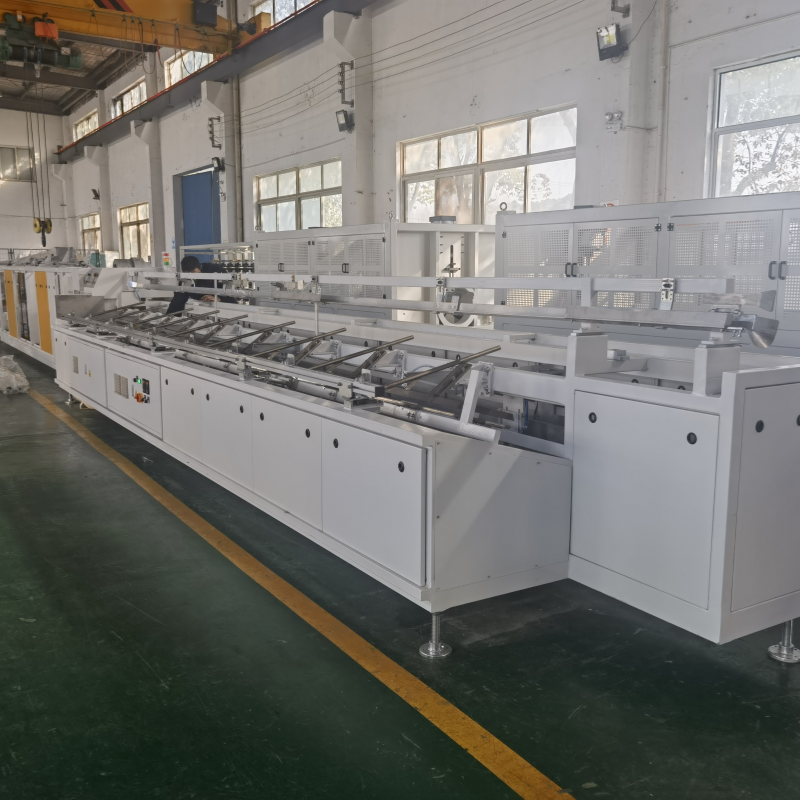
Crafting a Robust Training Curriculum
An effective training program should cover multiple critical areas to ensure operators are well-prepared for their roles.
Key Elements of a Comprehensive Program:
- Machine Operation: Operators must thoroughly understand the functionality of the bundling equipment, including its components, operation cycles, and controls.
- Safety Protocols: Training must cover safety procedures, including emergency shutdowns, lock-out/tag-out procedures, and proper PPE usage.
- Hazard Identification: Employees should be trained to recognize potential hazards, such as pinch points, moving parts, and unstable loads.
- Emergency Response: Protocols for accidents, equipment malfunctions, and other emergencies must be clearly communicated and rehearsed.
- Ergonomics: Training in proper lifting techniques and ergonomic practices helps prevent injuries during manual handling tasks.
Tailoring Training for Different Roles
To maximize impact, training should be customized for different roles within the bundling operation.
| Role | Specific Training Focus |
|---|---|
| Machine Operators | Operation, safety protocols, emergency shutdowns, basic troubleshooting |
| Supervisors | Safety oversight, incident investigation, hazard assessment, enforcement of protocols |
| Maintenance Staff | Advanced troubleshooting, equipment repair, safety interlock maintenance, complex diagnostics |
Incorporating Diverse Training Methods
A variety of training methods can enhance comprehension and retention.
- Classroom Sessions: Lectures and presentations on safety theory, equipment operation, and regulatory compliance.
- Hands-On Training: Supervised practice on the equipment to simulate real-world scenarios and reinforce procedures.
- Visual Aids: Use of diagrams, videos, and simulations to illustrate concepts and demonstrate best practices.
- Regular Drills: Simulated emergency scenarios to practice response protocols and reinforce awareness.
Reinforcing Continuous Learning
Training should be an ongoing process, not a one-time event. Regular refresher courses, updates on new safety technologies, and incident reviews help keep security awareness at the forefront.
2. Implementing Advanced Equipment Safeguards
Advanced equipment safeguards protect operators from potential hazards. By using state-of-the-art safety devices, the bundling operations’ security enhances considerably.
Implementing advanced equipment safeguards involves installing light curtains, safety interlocks, emergency stops, and comprehensive guarding. Regular inspections and maintenance ensure these measures function correctly, minimizing risks and protecting workers.
Which safety devices are available? How do they function to prevent accidents?
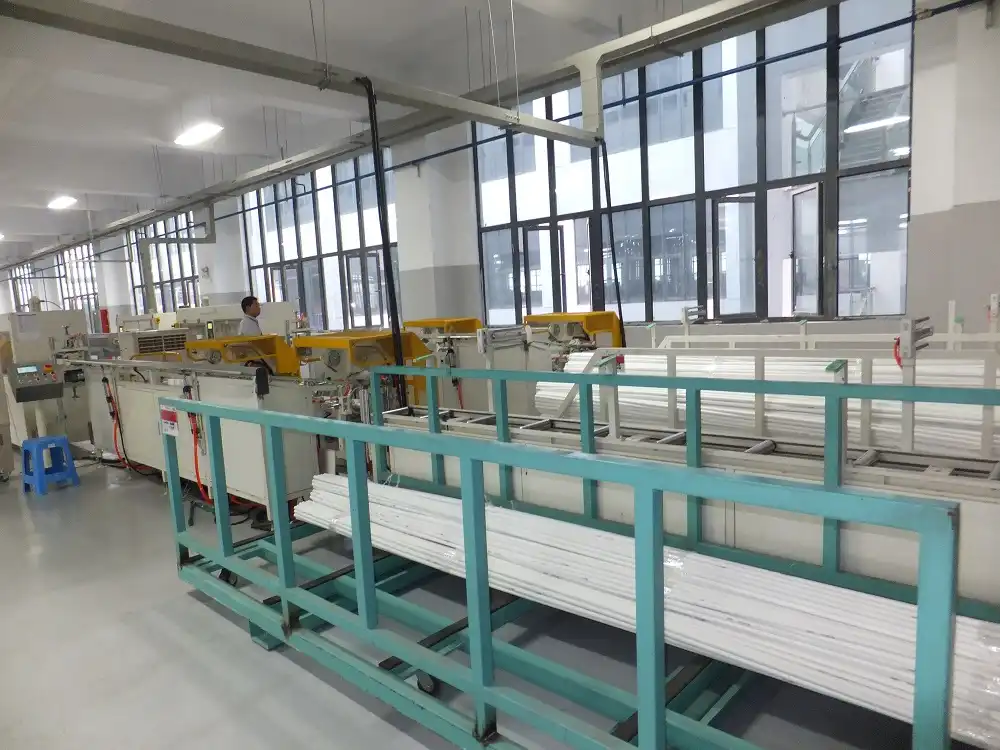
Essential Equipment Safeguards
Key elements to consider include:
- Light Curtains: Install light curtains around hazardous areas. These stop the machinery when a light beam is interrupted, preventing accidental access.
- Safety Interlocks: Use safety interlocks on access doors and guards. These ensure the equipment cannot operate unless all safety barriers are properly in place.
- Emergency Stop Buttons: Place easily accessible emergency stop buttons at strategic points. These enable immediate shutdowns during critical situations.
Detailed Safety Devices Explanation
| Safety Device | Functionality |
|---|---|
| Light Curtains | Immediate shutdown when light beam is interrupted, preventing accidental access to dangerous areas |
| Safety Interlocks | Prevents operation unless safety guards/doors are correctly positioned and closed |
| Emergency Stop Buttons | Provides an easy and quick way to halt all machine operations during emergencies |
| Comprehensive Guarding | Physical barriers restrict access and prevent contact with moving parts |
Enhance Equipment and Machine Integration To maximize the impact of safety devices, integrate them seamlessly with the bundling equipment. This includes regular inspections, functional testing, and maintenance. Employ sensors to monitor machine vibration and temperatures, enabling proactive troubleshooting and preventive maintenance. Additionally, implement automated shutdown systems that halt operation if anomalies are detected, minimizing the risk of accidents.
3. Establishing Clear Operational Guidelines
Clear and understandable operational guidelines are critical for maintaining a consistent and secure environment. These provide structure and minimize the potential for errors.
Establishing clear operational guidelines involves creating detailed standard operating procedures (SOPs), ensuring clear communication and easy accessibility. Regular reviews and updates maintain relevance, enhancing security and operational consistency.
But what should these operational guidelines include, and how can they be effectively implemented and maintained?
Detailed Steps in Creating Operational Guidelines
Detailed operational guidelines should cover every aspect of the bundling process, from startup to shutdown.
Essential Components:
- Startup Procedures: Clear, step-by-step instructions for starting the equipment, including pre-operation checks and system initialization.
- Operational Protocols: Standard operating procedures (SOPs) for handling different pipe sizes, bundling parameters, and material types.
- Shutdown Procedures: Clearly defined processes for normal and emergency shutdowns, ensuring equipment is safely powered down.
- Emergency Response: Protocols for responding to equipment malfunctions, accidents, and other emergencies, including evacuation and first aid procedures.
Best Practices for Effective Implementation:
- Use Simple Language: Guidelines should be written in clear, concise language, avoiding technical jargon.
- Incorporate Visuals: Diagrams, illustrations, and videos enhance understanding and demonstrate procedures.
- Involve Operators: Engage operators in the development of guidelines to ensure they are practical and easy to follow.
- Accessibility: Provide guidelines in multiple formats (printed manuals, digital files) and ensure they are readily available at workstations.
Regular Review and Updating:
| Guideline Aspect | Review Frequency | Update Triggers |
|---|---|---|
| Safety Procedures | Quarterly | New regulations, incident reports, equipment modifications |
| Operational Protocols | Annually | Changes in materials, product specifications, or optimization of processes |
| Emergency Response | Bi-Annually | Modifications to emergency plans, changes in contact personnel, improvements to drills |
4. Conducting Comprehensive Risk Assessments
Regular risk assessments and audits are vital for identifying potential hazards and improving the security of plastic pipe packaging machines.
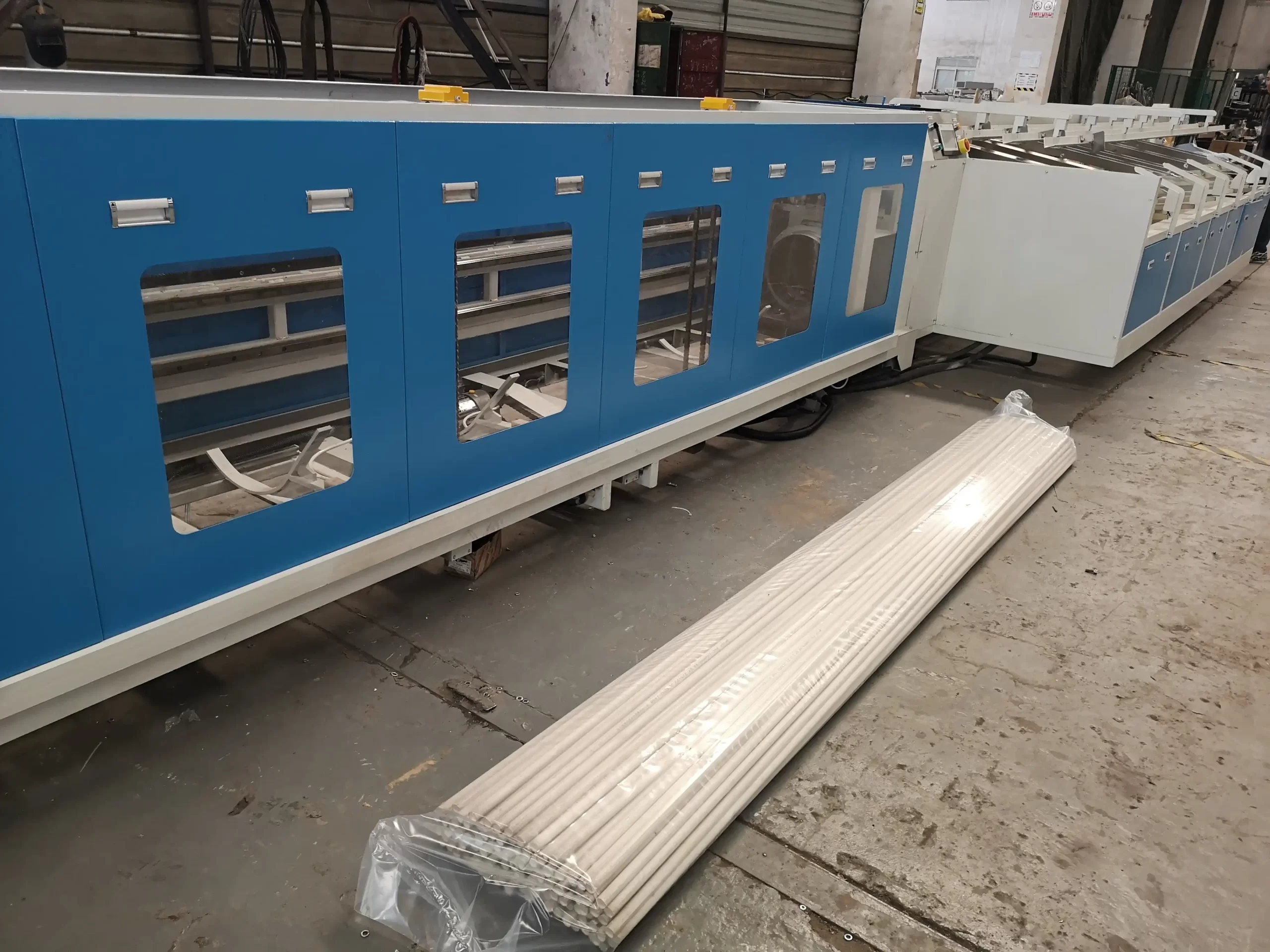
\ What elements should be included to make risk assessments comprehensive?
Essential Elements of Risk Assessment
- Hazard Identification: A systematic process to identify potential sources of harm, including equipment malfunctions, unsafe behaviors, and environmental factors.
- Risk Analysis: Evaluating the probability and potential severity of each identified hazard, prioritizing those that pose the greatest risk.
- Control Measures: Implementing strategies to eliminate or minimize risks, such as engineering controls, administrative procedures, and personal protective equipment (PPE).
- Documentation: Maintaining detailed records of risk assessments, findings, and corrective actions to ensure accountability and continuous improvement.
Performing Regular udits
To ensure sustained security, conduct audits on a regular basis.
- Establish audit schedules for ongoing assessments.
- Assess process and procedure compliance.
- Address and update findings.
- Sustain process efficiency.
Integrating Operator Feedback
- Encourage feedback from line operators.
- Evaluate suggestions for new processes.
- Create and implement new ideas and processes.
To build a culture of safety requires continual communication. The feedback from operators in invaluable. When operators engage in a cycle of continuous improvements the operation continually learns.
Conclusion
Securing plastic pipe bundling operations necessitates a strong focus on robust training, reliable equipment safeguards, well-defined operational guidelines, and thorough risk assessments. By emphasizing these aspects, organizations can proactively minimize potential security threats and cultivate a culture of continuous improvement, safeguarding employees and ensuring operational excellence. This will improve overall efficiency, and provide a safer working environment.








