
What Are the Challenges of Maintaining Steel Wire Rewinding Machines in Coastal Areas with High Humidity?
Maintaining steel wire rewinding machine maintenance in coastal regions poses unique challenges. High humidity, salt air, and fluctuating temperatures contribute to accelerated corrosion and wear. These environmental factors demand diligent upkeep to ensure optimal functionality and longevity of the machinery.
The primary challenges include combating rust and corrosion due to salt air and humidity, preventing electrical component malfunctions caused by moisture, ensuring consistent lubrication despite humidity, and addressing material degradation from UV exposure. These issues require specialized maintenance strategies.
These challenges demand a comprehensive and proactive approach to maintenance. Let’s delve into the specific hurdles and explore effective strategies to overcome them.
1. Corrosion: The Coastal Nemesis
The primary challenge is corrosion, a relentless enemy in coastal environments. The salt-laden air, combined with high humidity, creates an ideal breeding ground for rust and the deterioration of metal components, especially in steel wire rewinding machines.
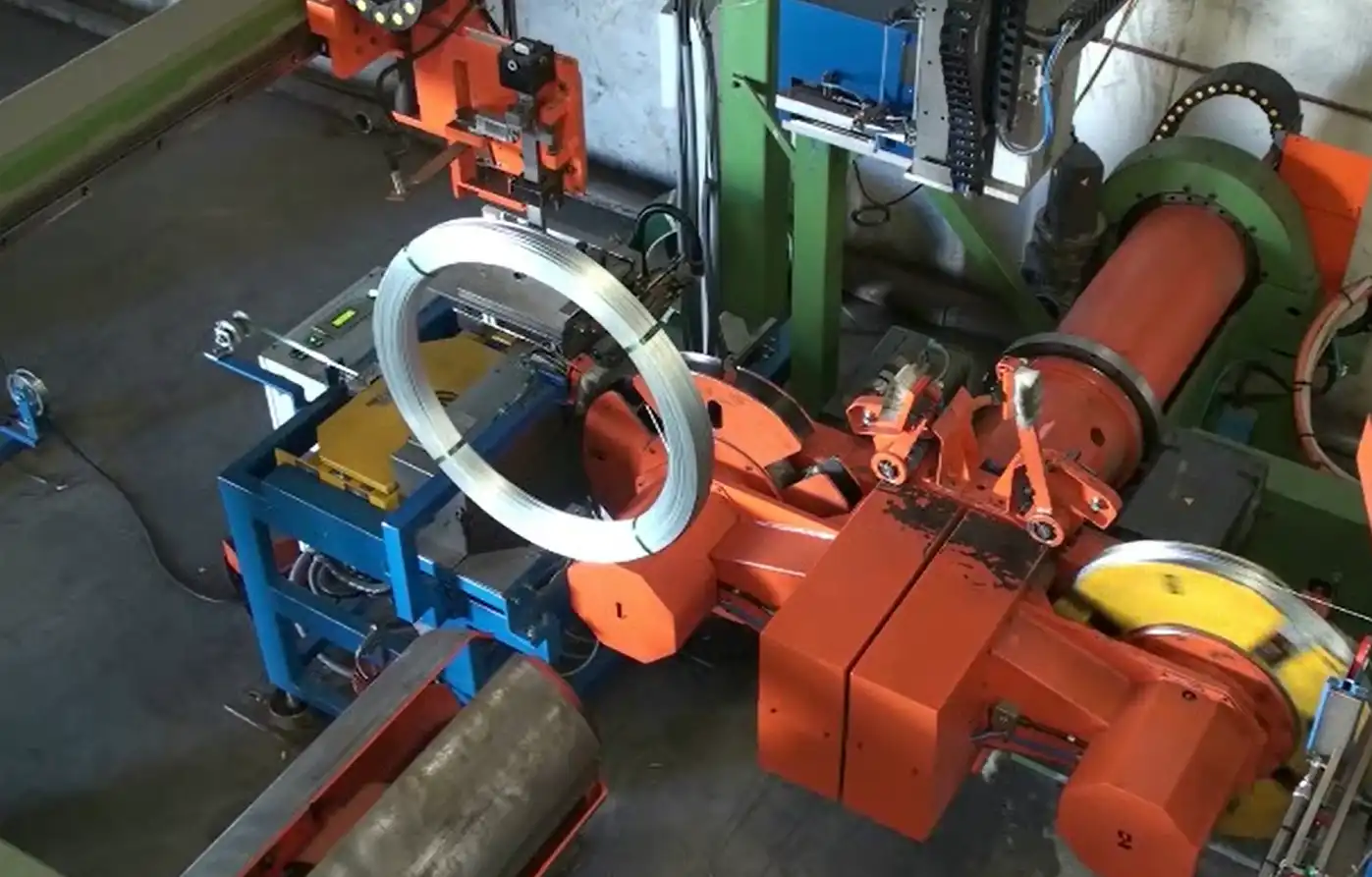
Saltwater and high humidity accelerate corrosion in steel wire rewinders. This causes equipment failure, downtime, and increased maintenance. Key corrosion issues include component rust, electrical damage, and premature wear. Regular inspections and protective measures are crucial for preventing these effects.
To understand how best to protect against it, let’s break down this complex problem:
Understanding the Corrosion Process
Corrosion in coastal environments is an electrochemical process. Chloride ions from saltwater act as electrolytes, accelerating the oxidation of steel. High humidity further exacerbates this by providing a continuous source of moisture, essential for the electrochemical reaction to occur. This process weakens the structural integrity of the machine, leading to potential failures and costly downtime. Furthermore, corrosion can affect the machine’s functionality by causing moving parts to seize or malfunction.
Mitigating Corrosion: A Multi-Pronged Approach
Combating corrosion requires a multi-faceted strategy, including:
- Protective Coatings: Applying corrosion-resistant coatings is the first line of defense.
- Regular Cleaning: Removing salt deposits and contaminants prevents them from initiating corrosion.
- Material Selection: Using corrosion-resistant materials, such as stainless steel, minimizes the risk of rust.
- Environmental Control: Controlling humidity levels in storage or operation areas further inhibits corrosion.
Coatings: Types and Applications
| Coating Type | Properties | Application | Advantages | Disadvantages |
|---|---|---|---|---|
| Epoxy Coatings | Excellent adhesion, chemical resistance, and durability. | Frames, structural components, and areas subject to abrasion. | Strong protection against a wide range of corrosive agents. | Can be brittle and less flexible than other coatings. |
| Polyurethane Coatings | High UV resistance, flexibility, and abrasion resistance. | Exterior surfaces exposed to sunlight and wear. | Excellent weatherability, retains gloss and color, and resists cracking and chipping. | More expensive than epoxy coatings. |
| Zinc-Rich Primers | Provides sacrificial protection by corroding in place of the steel substrate. | Base layer for other coatings, especially in areas prone to severe corrosion. | Self-healing properties; even if scratched, the zinc will corrode first. | Can be porous and may require a topcoat. |
| Ceramic-Based Coatings | Extreme hardness, scratch resistance, and resistance to high temperatures and harsh chemicals. | Components subject to extreme wear, high temperatures, or aggressive chemical exposure (if applicable). | Superior protection in demanding environments; highly durable and long-lasting. | Relatively expensive and may require specialized application techniques. |
| PTFE (Teflon) Coatings | Non-stick, low friction, and good chemical resistance. | Internal components, wire guides, and areas where smooth movement is essential. | Reduces friction, prevents material build-up, and is resistant to many chemicals. | Can be easily scratched or damaged by sharp objects and may not be suitable for high-load applications. |
Choosing the right coating depends on the specific component, its exposure to corrosive elements, and the operating conditions of the steel wire rewinding machine. Proper surface preparation is essential for coating adhesion and long-term performance.
2. Electrical Component Failures: Moisture’s Insidious Impact
High humidity can wreak havoc on electrical components. Moisture ingress can cause short circuits, insulation breakdown, and corrosion of contacts and wiring.

Humidity causes electrical malfunctions by corroding contacts and insulation, resulting in short circuits and breakdowns. Regular inspections are necessary. Applying moisture-resistant coatings and using sealed enclosures prevent damage. Implementing dehumidification systems further reduces failure risks.
So, let’s see how we can tackle the impact of humidity:
Identifying Vulnerable Components
Electrical panels, motors, sensors, and control systems are all susceptible to moisture-related failures. Look for signs of corrosion, discoloration, or condensation on these components. Regular testing of insulation resistance can help detect early signs of insulation breakdown.
Implementing Protective Measures
- Moisture-Resistant Coatings: Apply conformal coatings to circuit boards and other sensitive components.
- Sealed Enclosures: Use NEMA-rated enclosures to protect electrical components from moisture and dust.
- Dehumidification Systems: Install dehumidifiers in control rooms or electrical equipment areas.
- Regular Inspections: Conduct routine inspections to identify and address potential issues before they escalate.
Moisture Prevention Strategies
| Strategy | Description | Advantages | Disadvantages |
|---|---|---|---|
| Conformal Coatings | Thin, protective coatings applied to circuit boards and electronic components. | Provides excellent protection against moisture, dust, and chemicals; lightweight and easy to apply. | May not be suitable for components that generate significant heat or require frequent access. |
| Sealed Enclosures | Enclosures designed to prevent the ingress of moisture, dust, and other contaminants. | Robust protection in harsh environments; available in various NEMA ratings to suit different conditions. | Can be expensive; may require additional cooling or ventilation in enclosures with heat-generating components. |
| Dehumidification Systems | Equipment designed to reduce humidity levels in enclosed spaces. | Effective in controlling moisture and preventing corrosion; can be integrated with existing HVAC systems. | Requires regular maintenance and energy consumption; may not be suitable for all applications. |
| Regular Inspections & Testing | Routine checks to identify early signs of moisture-related damage and insulation breakdown. | Allows for proactive maintenance and prevents costly repairs; helps identify vulnerabilities in protective measures. | Requires trained personnel and specialized equipment; may be time-consuming. |
3. Lubrication Challenges: Maintaining Optimal Performance
Humidity also affects lubrication. It can wash away lubricants, increase friction, and promote corrosion on moving parts. Maintaining consistent lubrication is crucial for smooth operation and preventing premature wear.
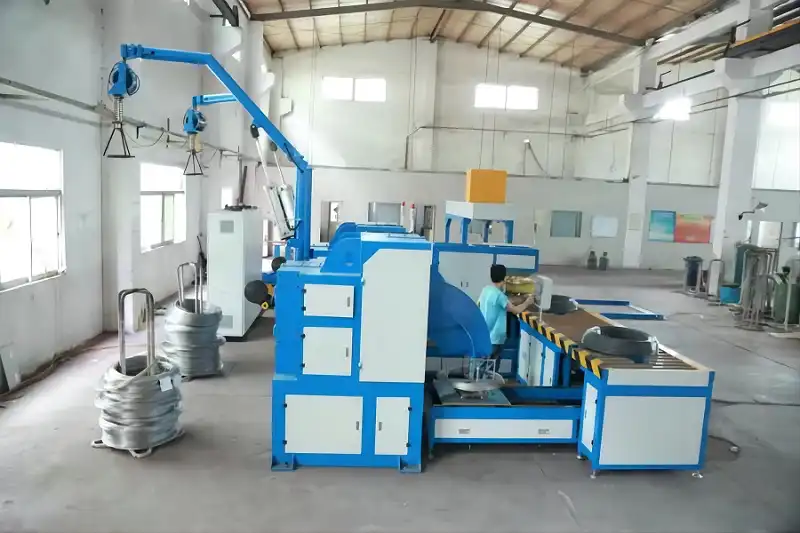
High humidity dilutes lubricants, reducing their effectiveness. Choose water-resistant lubricants, like synthetic greases, to maintain performance. Implement a regular lubrication schedule to combat dilution. Regularly inspect lubrication points to ensure adequate coverage.
But, here’s how we can keep things running smoothly:
Selecting the Right Lubricants
Choose lubricants specifically formulated for humid environments. Synthetic greases, for example, offer excellent water resistance and maintain their lubricating properties even in high-humidity conditions. Consider lubricants with corrosion inhibitors to provide added protection against rust.
Implementing a Regular Lubrication Schedule
A well-defined lubrication schedule is essential. The frequency of lubrication depends on the machine’s operating conditions and the type of lubricant used. However, in coastal areas, more frequent lubrication is generally necessary to combat the effects of humidity and saltwater exposure.
Best Practices for Lubrication:
| Practice | Description | Benefits | Considerations |
|---|---|---|---|
| Water-Resistant Lubricants | Synthetic greases, for example, with excellent water resistance and corrosion inhibitors. | Maintain lubricating properties even in high-humidity conditions; prevent rust and corrosion on moving parts. | Can be more expensive than conventional lubricants; ensure compatibility with machine components. |
| Frequent Lubrication | More frequent application of lubricants, especially in coastal areas exposed to high humidity and saltwater. | Ensures adequate lubrication and protection against corrosion; counteracts the diluting effects of humidity. | May require more labor and lubricant; optimize the schedule based on machine operating conditions and environmental factors. |
| Inspection of Lubrication Points | Regular examination of lubrication points for adequate coverage, contamination, and signs of lubricant degradation. | Identifies areas requiring additional lubrication; prevents lubricant failure; ensures optimal machine performance. | Requires trained personnel and proper tools; may need to access difficult-to-reach areas. |
| Sealed Lubrication Systems | Enclosed lubrication systems that prevent contamination and maintain lubricant quality. | Reduces maintenance requirements; prevents lubricant degradation from exposure to humidity and contaminants; extends lubricant life. | Can be more expensive to install; may require specialized components; proper selection and maintenance are crucial for optimal performance. |
4. Material Degradation: Sunlight and Saltwater’s Combined Assault
Coastal environments often experience high levels of UV radiation, which can degrade plastic and rubber components. Saltwater exposure can also accelerate the breakdown of these materials.
%[Steel wire rewinding machine maintenance, coastal areas, humidity control]( “Steel wire rewinding machine maintenance, coastal areas, humidity control”)
The ultraviolet (UV) radiation along with other elements will cause the material degradation on different part of the steel wire rewinding machine. A routine check and replacement of the components such as plastic and rubber are needed. Protective covers could also be used to provide a defense against this degradation.
That leads to the question of how to manage this challenge to make sure that steel wire rewinding machines last long enough:
Selecting UV-Resistant Materials
When selecting materials for components exposed to sunlight, opt for UV-resistant plastics and rubbers. These materials are formulated to withstand the damaging effects of UV radiation and maintain their structural integrity over time.
Providing Protective Covers
Consider using protective covers to shield the machine from direct sunlight and saltwater spray. These covers can extend the life of vulnerable components and reduce the frequency of replacements.
Strategies for Material Preservation
| Strategy | Description | Benefits | Considerations |
|---|---|---|---|
| UV-Resistant Materials | Plastics and rubbers formulated to withstand UV radiation and maintain structural integrity. | Extends the lifespan of vulnerable components; reduces the frequency of replacements; minimizes degradation from sunlight exposure. | Can be more expensive than conventional materials; ensure compatibility with machine components and operating conditions. |
| Protective Covers | Covers designed to shield the machine from direct sunlight, saltwater spray, and other environmental factors. | Extends the lifespan of components; protects against UV radiation and corrosive elements; reduces the frequency of maintenance. | Requires careful selection to ensure proper fit, durability, and resistance to weather conditions; may need to be replaced periodically. |
| Regular Inspections & Replacement | Routine checks to assess material condition, look for signs of degradation, and replace worn or damaged components. | Prevents unexpected failures; maintains machine performance and safety; ensures optimal component functionality. | Requires trained personnel and proper tools; may need to access difficult-to-reach areas; implementing a schedule for when components might fail. |
5. Skilled Technicians and Accessibility
Finding qualified technicians familiar with the maintenance of steel wire rewinding machines in coastal environments can be a challenge. Furthermore, the location of the machine might present accessibility issues, making repairs and maintenance more difficult.
Technician scarcity and machine location can impact maintenance. To mitigate this, training local personnel enhances responsiveness. Maintain records and schedules in digital formats available to field workers. Telemaintenance can be adopted.
But, what does that mean for you?
Investing in Local Training
To address the shortage of skilled technicians, invest in training local personnel. Providing specialized training on the maintenance of steel wire rewinding machines in coastal conditions ensures a readily available workforce capable of handling routine maintenance and repairs.
Enhancing Accessibility
Carefully consider the machine’s location and accessibility. Ensure that technicians can easily access all critical components for inspection and maintenance. If the machine is located in a confined space, design the area to allow for adequate workspace and ventilation.
Accessibility Improvement Strategies
| Strategy | Description | Benefits | Considerations |
|---|---|---|---|
| Local Training Programs | Specialized training on steel wire rewinding machine maintenance in coastal conditions. | Creates a readily available workforce; improves responsiveness to maintenance needs; reduces downtime. | Requires investment in training resources; ongoing training is necessary to keep personnel up-to-date. |
| Accessibility Design | Designing machine location and surrounding area for easy access to all critical components. | Facilitates inspections, maintenance, and repairs; reduces labor costs and downtime; ensures proper maintenance procedures are followed. | Requires careful planning and consideration during machine installation; may require design modifications or relocation of equipment. |
| Digital Records & Scheduling | Detailed maintenance records, schedules, and instructions readily available to field technicians in digital formats. | Enhances efficiency; reduces reliance on paper documentation; facilitates remote support and telemaintenance. | Requires investment in digital tools and infrastructure; training for technicians to use digital systems effectively; data privacy and security concerns. |
Conclusion
Maintaining steel wire rewinding machines in coastal environments with high humidity presents a complex set of challenges, but with a proactive and strategic approach, these hurdles can be overcome. By implementing corrosion control measures, protecting electrical components, optimizing lubrication, addressing material degradation, and ensuring skilled technicians are available, you can ensure the longevity and reliable operation of your equipment, minimizing downtime and maximizing productivity.








