
How to Improve Pipe Bundling Machine Safety in Multi-Shift Warehouse Operations?
Pipe bundling machines are vital for efficient material handling in warehouses. Prioritizing safety is paramount, especially in multi-shift operations. Continuous operation introduces unique challenges that require proactive safety measures to protect workers and prevent accidents.
To improve Pipe bundling machine safety in multi-shift warehouse operations, focus on comprehensive training, regular maintenance, and robust safety protocols. Conduct frequent risk assessments, implement clear communication strategies, and invest in safety features like emergency stops and safety guards. Promote a safety-conscious culture to minimize hazards and ensure a secure working environment.
Investing in safety is not just a moral imperative; it’s a smart business decision. Let’s explore practical strategies to enhance pipe bundling machine safety and protect your workforce around the clock.
1: Comprehensive Training Programs for All Shifts
Effective training is the cornerstone of any safety program. Standardized training ensures everyone operates safely, regardless of shift.
Comprehensive training programs are vital for improving pipe bundling machine safety across all shifts. These programs should cover machine operation, safety protocols, emergency procedures, and hazard identification. Consistent training reduces human error and promotes a safety-first culture, minimizing accidents and ensuring a safer work environment for all employees.
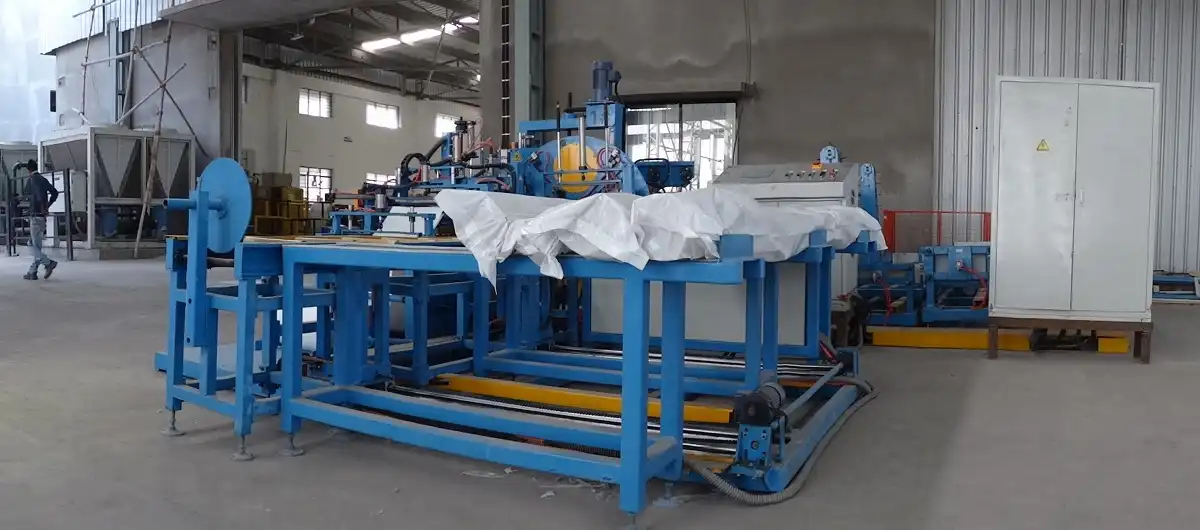
Tailoring Training to Specific Roles and Responsibilities
Generic safety training isn’t enough. Tailor training to specific job roles. This ensures operators, maintenance personnel, and supervisors understand their individual responsibilities in maintaining a safe work environment.
Consider these training aspects:
- Operator Training: Focus on safe machine operation, troubleshooting common issues, and emergency shutdown procedures.
- Maintenance Training: Emphasize lockout/tagout procedures, safe repair techniques, and identification of potential hazards during maintenance.
- Supervisor Training: Cover safety regulations, accident investigation, and promoting a safety culture.
Consistent refresher courses are equally important. Multi-shift operations can experience personnel changes, so regular refresher training keeps everyone up-to-date on safety protocols.
Implementing a Structured Training Program
A well-structured training program provides a framework for ensuring all employees receive the necessary safety knowledge. Consider including these elements:
- Initial Training: Comprehensive introduction to the machine, safety procedures, and potential hazards.
- On-the-Job Training: Supervised practical experience with the machine, allowing trainees to apply their knowledge.
- Refresher Training: Regular updates on safety procedures, new equipment features, and lessons learned from incidents.
- Certification: Formal assessment to verify competence in operating the machine safely.
| Training Element | Description | Frequency | Target Audience |
|---|---|---|---|
| Initial Training | Comprehensive overview of machine operation, safety protocols, and hazards. | Upon Hiring | All New Employees |
| On-the-Job Training | Practical experience under supervision, applying learned concepts. | Ongoing | Machine Operators |
| Refresher Training | Updates on procedures, equipment features, and incident lessons. | Quarterly | All Employees |
| Certification | Formal assessment to verify competence in safe machine operation. | Annually | Machine Operators, Supervisors |
Leveraging Technology for Effective Training
Modern technology can enhance training effectiveness. Consider using:
- Virtual Reality (VR) Simulations: Allow trainees to practice operating the machine in a safe, virtual environment.
- Online Training Modules: Provide flexible learning options, allowing employees to learn at their own pace.
- Interactive Videos: Engage trainees with visually appealing content and reinforce key safety concepts.
By investing in comprehensive and tailored training programs, warehouses can significantly reduce the risk of accidents and create a safer working environment for all employees involved in pipe bundling operations.
2: Regular Maintenance and Inspection Schedules
Proactive maintenance is key to preventing machine malfunctions and ensuring safe operation. Implementing a strict schedule prevents problems.
Regular maintenance and inspection schedules are crucial for improving the [pipe packaging machines] safety in multi-shift operations. Consistent checks identify and address potential issues before they escalate into hazards. This proactive approach minimizes breakdowns, ensures optimal machine performance, and promotes a safer working environment for all employees.

Establishing a Preventative Maintenance Program
Preventative maintenance involves performing routine inspections and maintenance tasks to prevent breakdowns and ensure optimal machine performance. A well-designed program includes:
- Daily Inspections: Quick visual checks of critical components like safety guards, emergency stops, and moving parts.
- Weekly Inspections: More thorough checks of belts, pulleys, chains, and lubrication systems.
- Monthly Inspections: Comprehensive inspections of electrical systems, hydraulic systems, and structural integrity.
- Annual Inspections: Detailed inspections by qualified technicians, including calibration and component replacement.
The Role of Lockout/Tagout Procedures
Lockout/tagout (LOTO) procedures are essential during maintenance and repair work. These procedures ensure that the machine is completely de-energized before any work begins, preventing accidental startup and potential injuries.
Key elements of LOTO procedures include:
- Identifying Energy Sources: Identifying all sources of energy to the machine, including electrical, hydraulic, and pneumatic systems.
- Isolating Energy Sources: Shutting down and isolating all energy sources using appropriate lockout devices.
- Tagging Energy Sources: Attaching tags to the lockout devices, indicating that the machine is out of service and should not be operated.
- Verifying Isolation: Verifying that the machine is completely de-energized before beginning any work.
Tracking and Documenting Maintenance Activities
Accurate record-keeping is crucial for monitoring maintenance effectiveness and identifying potential problems. Keep detailed records of:
- Inspection Dates and Findings: Document all inspection dates, findings, and corrective actions taken.
- Maintenance Tasks Performed: Record all maintenance tasks performed, including parts replaced and repairs made.
- Downtime Events: Track all downtime events, including the cause, duration, and corrective actions taken.
Analyzing this data can help identify trends, predict potential failures, and optimize the maintenance schedule.
By implementing a rigorous maintenance and inspection program, warehouses can minimize the risk of machine malfunctions and ensure safe pipe bundling operations.
3: Implementing Robust Safety Protocols and Features
Creating a safe working environment requires more than just training and maintenance. Robust safety protocols and features are crucial for preventing accidents and protecting workers.
Implementing robust safety protocols and features is paramount for enhancing [multi-shift operations] safety in pipe bundling machine operations. Clear procedures, emergency stops, safety guards, and warning systems are essential. Prioritizing these measures reduces the risk of accidents, protects workers, and promotes a safer, more efficient work environment.
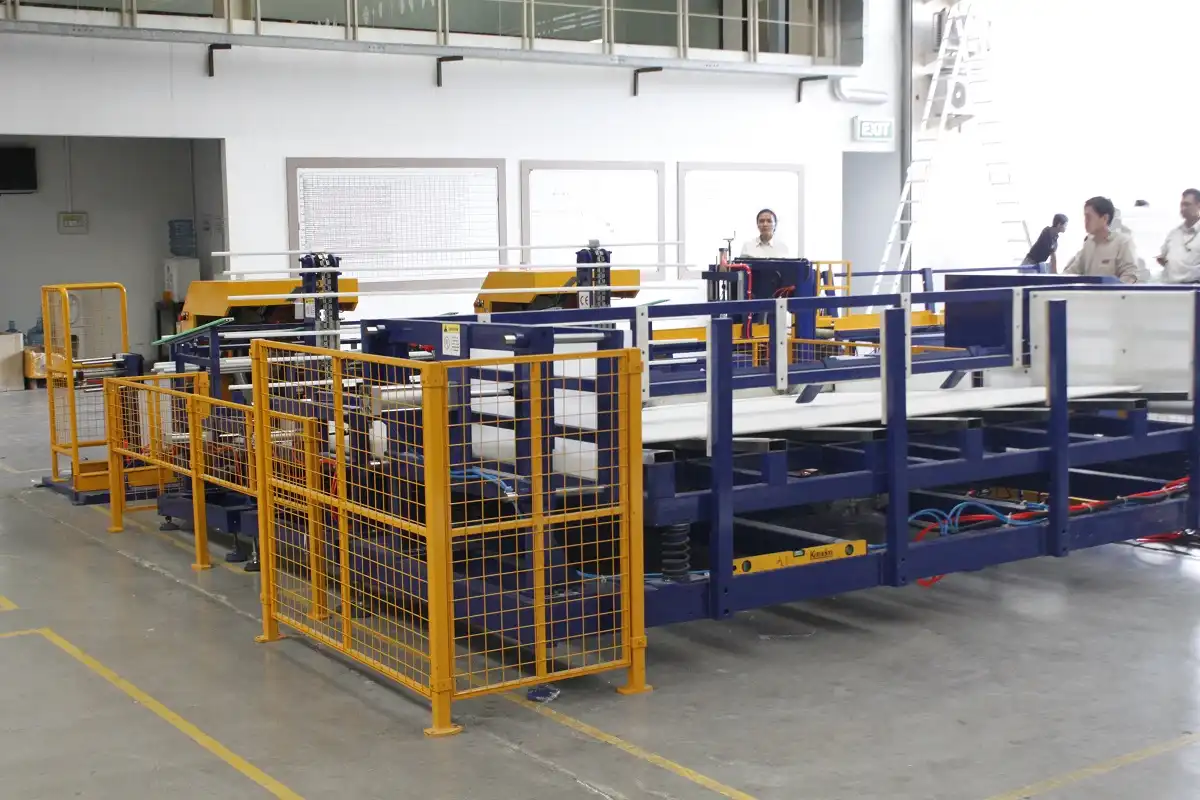
Clearly Defined Safety Procedures
Establish clear and easy-to-understand safety procedures for all tasks associated with the pipe bundling machine. These procedures should cover:
- Machine Startup and Shutdown: Step-by-step instructions for safely starting and stopping the machine.
- Material Handling: Procedures for safely loading and unloading pipes, minimizing the risk of strains and injuries.
- Jam Clearing: Instructions for safely clearing jams, ensuring that the machine is de-energized before any attempt is made to remove obstructions.
- Emergency Procedures: Clear instructions for responding to emergencies, including fire, spills, and injuries.
Incorporating Essential Safety Features
Equip the pipe bundling machine with essential safety features to protect workers from hazards. These features may include:
- Emergency Stop Buttons: Strategically located emergency stop buttons that can quickly shut down the machine in case of an accident.
- Safety Guards: Physical barriers that prevent workers from coming into contact with moving parts.
- Light Curtains: Infrared beams that automatically shut down the machine if a worker enters a hazardous area.
- Warning Systems: Audible and visual alarms that alert workers to potential hazards.
Hazard Analysis and Risk Assessment
Conduct regular hazard analyses and risk assessments to identify potential hazards associated with the pipe bundling machine. This process involves:
- Identifying Hazards: Identifying all potential hazards associated with the machine, including moving parts, electrical components, and material handling tasks.
- Assessing Risks: Evaluating the likelihood and severity of each hazard.
- Implementing Controls: Implementing control measures to eliminate or minimize the risks.
| Hazard | Risk Level | Control Measures |
|---|---|---|
| Moving Parts | High | Install safety guards, implement lockout/tagout procedures. |
| Electrical Hazards | Medium | Ensure proper grounding, use insulated tools, provide electrical safety training. |
| Material Handling | Medium | Provide ergonomic training, use lifting aids, implement safe lifting procedures. |
By implementing robust safety protocols and features, warehouses can create a safer working environment and protect workers from the hazards associated with pipe bundling machines.
4: Optimizing Warehouse Layout and Traffic Flow
Efficient warehouse layout and traffic flow minimize the risk of accidents and improve overall safety. Careful planning is crucial.
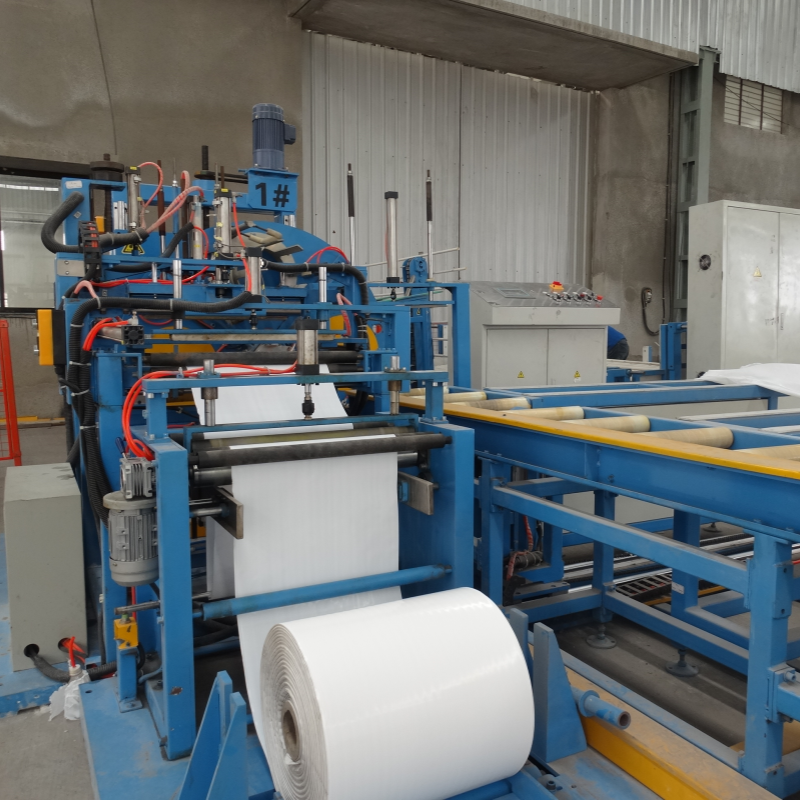
To improve safety in multi-shift operations, optimize warehouse layout and traffic flow. Designate clear pathways for forklifts and pedestrians, separating them whenever possible. Ensure adequate lighting to enhance visibility, and regularly assess and adjust the layout to address changing operational needs. These measures minimize collisions and create a safer work environment.
Creating Dedicated Pathways
Establish dedicated pathways for forklifts and pedestrians to minimize the risk of collisions. These pathways should be clearly marked and separated whenever possible.
Ensuring Adequate Lighting
Adequate lighting is essential for visibility, especially in multi-shift operations. Ensure that all areas of the warehouse are well-lit, eliminating shadows and dark spots.
Regular Layout Assessments
Regularly assess the warehouse layout to identify potential hazards and optimize traffic flow. This process should involve:
- Reviewing Accident Data: Analyzing accident data to identify areas where accidents are occurring most frequently.
- Observing Traffic Patterns: Observing how workers and equipment move through the warehouse to identify potential bottlenecks and congestion points.
- Seeking Employee Feedback: Soliciting feedback from employees about potential safety hazards and layout improvements.
By optimizing warehouse layout and traffic flow, warehouses can minimize the risk of accidents and create a safer working environment for all employees.
Conclusion
Improving pipe bundling machine safety in multi-shift warehouse operations requires a multi-faceted approach. Prioritize comprehensive training, regular maintenance, robust safety protocols, and optimized warehouse layout. A proactive safety culture, continuous improvement, and investment in safety features are essential. By implementing these strategies, warehouses can minimize risks, protect their workforce, and ensure efficient and safe pipe bundling operations around the clock.








